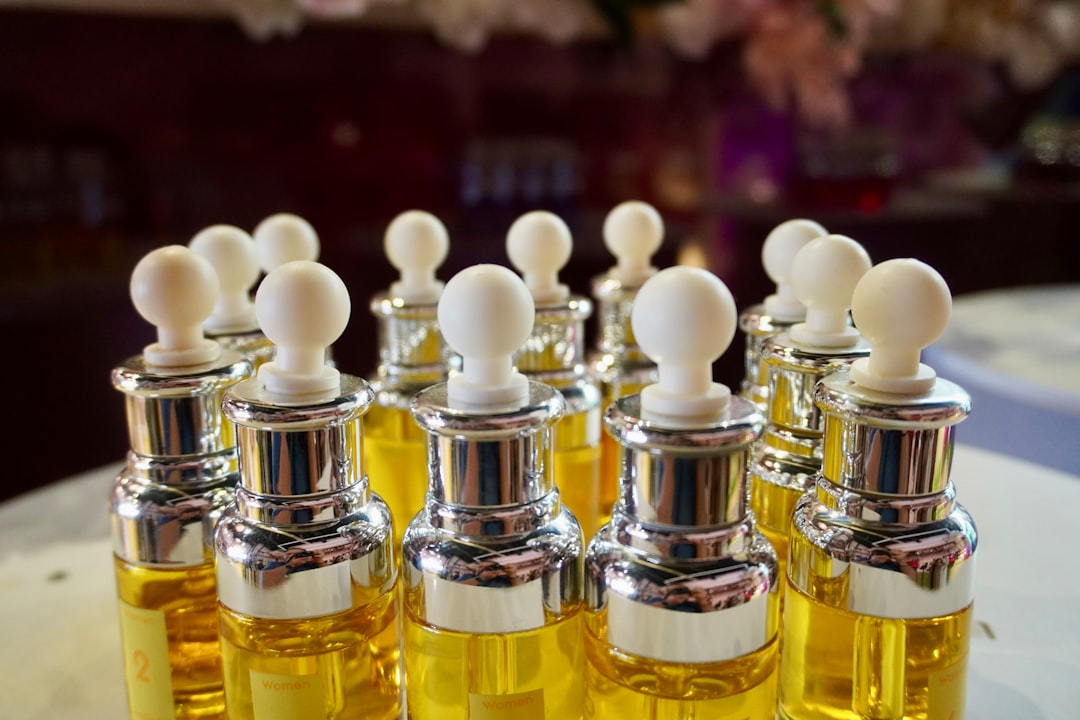
When you step into a store filled with fragrances, the myriad of labels and terms can be overwhelming. Understanding fragrance labeling terminology is essential for making informed choices. Terms like “eau de parfum,” “eau de toilette,” and “parfum” indicate the concentration of fragrance oils in the product.
For instance, “parfum” typically contains the highest concentration of fragrance oils, often ranging from 20% to 30%, which means it lasts longer on the skin. In contrast, “eau de toilette” usually has a lower concentration, around 5% to 15%, making it lighter and more suitable for everyday wear. Familiarizing yourself with these terms can help you select a fragrance that aligns with your preferences and lifestyle.
Additionally, you may encounter terms like “fragrance free” or “unscented.” While these phrases might seem straightforward, they can be misleading. “Fragrance free” means that no synthetic fragrances are added, but it doesn’t necessarily imply that the product is devoid of all scents. On the other hand, “unscented” indicates that any scent present has been neutralized.
Understanding these nuances can prevent you from purchasing a product that may not meet your expectations, especially if you have sensitivities or allergies to certain scents.
Key Takeaways
- Learn common fragrance labeling terms to better understand product contents.
- Check ingredient lists carefully to avoid allergens and harmful substances.
- Pay attention to fragrance concentration for longevity and intensity.
- Use expiration dates and batch codes to ensure product freshness.
- Compare prices, sizes, and brand reputation to get the best value and quality.
Identifying Key Ingredients to Avoid or Look for
As you navigate the world of fragrances, it’s crucial to identify key ingredients that you should either avoid or seek out. Many fragrances contain synthetic compounds that can cause skin irritation or allergic reactions. Ingredients like phthalates, parabens, and synthetic musks are often found in commercial fragrances and can be harmful in the long run.
By learning to read ingredient lists, you can make more conscious choices about what you apply to your skin. Conversely, there are also ingredients that can enhance your fragrance experience. Natural essential oils, for example, not only provide delightful scents but also offer therapeutic benefits.
Oils like lavender and chamomile can promote relaxation, while citrus oils can uplift your mood. By seeking out products that prioritize natural ingredients, you not only support your well-being but also contribute to a more sustainable beauty industry.
Recognizing the Importance of Concentration Levels

Understanding concentration levels in fragrances is vital for selecting a scent that suits your needs. The concentration of fragrance oils directly affects how long a scent lasts and how intense it is. For instance, if you prefer a fragrance that lingers throughout the day without needing frequent reapplication, opting for an eau de parfum or parfum is advisable.
These higher concentrations provide a more robust scent profile and are often richer in complexity. On the other hand, if you enjoy lighter scents for casual outings or warmer weather, eau de toilette or cologne may be more appropriate. These formulations are designed to be refreshing and easy to wear, making them ideal for daily use.
By recognizing the importance of concentration levels, you can tailor your fragrance choices to fit different occasions and personal preferences.
Deciphering Expiration Dates and Batch Codes
When purchasing fragrances, it’s essential to pay attention to expiration dates and batch codes. While many perfumes do not have a strict expiration date like food products, they can degrade over time due to exposure to light, heat, and air. Understanding how to read batch codes can help you determine the age of a fragrance and whether it’s still safe to use.
Typically, batch codes are alphanumeric sequences printed on the packaging or bottle that indicate when and where the product was manufactured. If you’re unsure about the longevity of a particular fragrance, consider how it has been stored. A fragrance kept in a cool, dark place will generally last longer than one exposed to sunlight or heat sources.
By being mindful of expiration dates and storage conditions, you can ensure that your fragrance remains fresh and enjoyable for as long as possible.
Comparing Prices and Sizes for Value
| Tip | Description | Benefit | Example |
|---|---|---|---|
| Use Good Lighting | Ensure the label is well-lit to capture clear images. | Improves scan accuracy and reduces errors. | Scan under natural daylight or bright LED light. |
| Clean the Label Surface | Remove dust or smudges from the label before scanning. | Prevents misreads caused by dirt or reflections. | Wipe gently with a soft cloth before scanning. |
| Hold Device Steady | Keep the scanning device stable during the scan. | Reduces blurriness and improves data capture. | Use a stand or rest your hands on a surface. |
| Focus on Key Information | Target barcode, batch number, or fragrance notes on the label. | Ensures relevant data is captured for identification. | Center barcode in the scanning frame. |
| Use Compatible Scanning Apps | Choose apps designed for fragrance or cosmetic product scanning. | Enhances recognition of specialized codes and data. | Apps like ScanLife or specialized fragrance databases. |
| Check Label Orientation | Align the label properly with the scanner for best results. | Prevents partial scans and data loss. | Place label flat and parallel to the scanner lens. |
When shopping for fragrances, comparing prices and sizes is crucial for getting the best value for your money. Fragrances come in various sizes, from travel-sized bottles to large formats, and prices can vary significantly based on brand reputation and concentration levels. Before making a purchase, take the time to evaluate how much product you are getting for the price.
Sometimes, investing in a larger bottle may save you money in the long run if you find yourself reaching for that scent frequently. Additionally, consider looking for sales or discounts at different retailers. Online platforms often offer competitive pricing compared to brick-and-mortar stores.
However, be cautious of deals that seem too good to be true; counterfeit fragrances do exist in the market. By comparing prices and sizes thoughtfully, you can make a purchase that feels both satisfying and economical.
Evaluating Packaging and Presentation
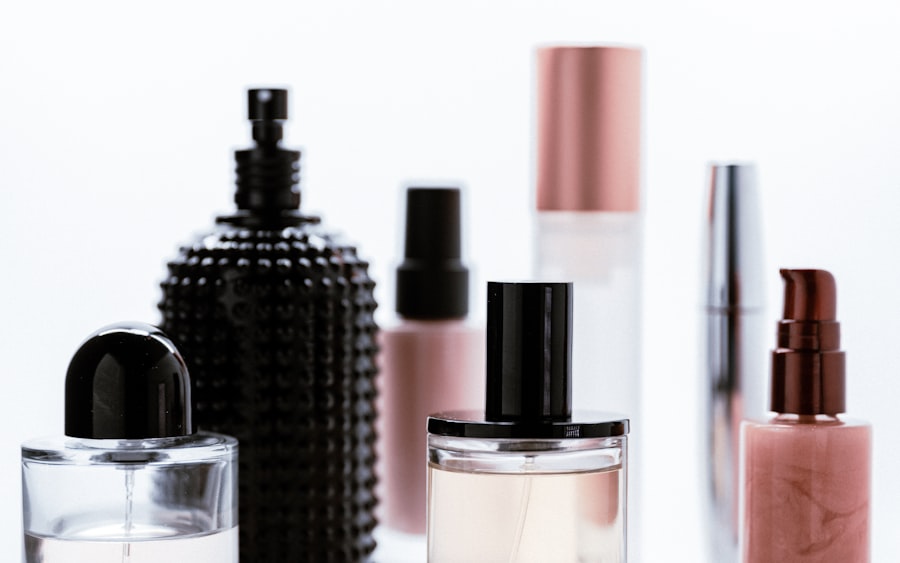
The packaging of a fragrance is often as important as the scent itself. A well-designed bottle not only enhances the aesthetic appeal but also reflects the brand’s identity and values. When evaluating packaging, consider factors such as material quality and functionality.
A sturdy glass bottle with an elegant design can elevate your experience every time you reach for it. Additionally, some brands prioritize eco-friendly packaging options, which may resonate with your values. Moreover, presentation plays a significant role in gifting fragrances.
A beautifully packaged scent can make an impression on the recipient before they even experience the fragrance itself. If you’re purchasing a gift, take note of how the product is presented; an attractive box or wrapping can enhance the overall experience. By evaluating packaging and presentation thoughtfully, you can choose fragrances that not only smell good but also look good on your vanity or as gifts.
Researching Brand Reputation and Customer Reviews
Before committing to a fragrance purchase, researching brand reputation and customer reviews is essential. The fragrance industry is filled with brands ranging from luxury houses to indie labels, each with its own unique story and ethos. Investigating a brand’s history can provide insight into its commitment to quality and ethical practices.
Look for brands that prioritize transparency in their ingredient sourcing and manufacturing processes. Customer reviews are another valuable resource when selecting a fragrance. Reading about others’ experiences can help you gauge whether a particular scent aligns with your preferences.
Pay attention to comments regarding longevity, sillage (the trail left by the fragrance), and overall satisfaction. By taking the time to research brand reputation and customer feedback, you can make more informed decisions that lead to satisfying purchases.
Considering Allergen and Sensitivity Information
If you have sensitive skin or allergies, considering allergen information is crucial when selecting fragrances.
Brands are increasingly labeling their products with allergen information to help consumers make safer choices.
If you’re unsure about how your skin will react to a particular fragrance, consider testing it on a small area before applying it more liberally. Additionally, some brands offer hypoallergenic options specifically formulated for sensitive skin types. By being proactive about allergen information and sensitivity considerations, you can enjoy fragrances without compromising your comfort or health.
Examining Environmental and Ethical Certifications
In today’s world, many consumers are becoming increasingly aware of environmental and ethical considerations when making purchases. When selecting fragrances, examining certifications such as cruelty-free or organic can help you align your choices with your values. Brands that prioritize ethical practices often go above and beyond in their ingredient sourcing and production methods.
Look for certifications from reputable organizations that verify a brand’s commitment to sustainability and ethical practices. This could include certifications for vegan products or those made with sustainably sourced ingredients. By choosing fragrances from brands that prioritize environmental responsibility, you contribute to a more sustainable future while enjoying beautiful scents.
Utilizing Technology for Quick Product Research
In an age where technology is at your fingertips, utilizing online resources for quick product research can streamline your fragrance shopping experience. Mobile apps and websites dedicated to beauty products allow you to compare ingredients, read reviews, and even find similar scents based on your preferences. This technology empowers you to make informed decisions without spending hours in stores.
Social media platforms also play a significant role in fragrance discovery. Influencers often share their favorite scents along with detailed reviews that can guide your choices. Engaging with online communities focused on fragrances can provide valuable insights into trends and new releases as well.
By leveraging technology effectively, you can enhance your fragrance shopping experience significantly.
Seeking Professional Advice and Recommendations
Finally, seeking professional advice and recommendations can elevate your fragrance selection process. Many department stores have trained fragrance consultants who can guide you through various options based on your preferences and lifestyle needs. These professionals often have extensive knowledge about different scent families and can help you discover new favorites.
Additionally, consider reaching out to friends or family members who share similar tastes in fragrances for their recommendations. Personal experiences often provide valuable insights that online reviews may not capture fully. By seeking professional advice and tapping into personal networks, you can navigate the world of fragrances with confidence and find scents that truly resonate with you.
In conclusion, navigating the world of fragrances requires an understanding of various factors including labeling terminology, ingredient awareness, concentration levels, expiration dates, pricing comparisons, packaging evaluation, brand reputation research, allergen considerations, environmental certifications, technology utilization, and professional advice seeking. By taking these elements into account during your fragrance journey, you’ll be better equipped to find scents that not only delight your senses but also align with your values and lifestyle choices.
For those looking to enhance their fragrance experience, understanding how to effectively scan and identify fragrance labels can be incredibly beneficial. A related article that provides valuable insights on this topic can be found here: Fragrance Label Scanning Tips.
WATCH THIS! 🫁 The Household “Fresh Scent” That Is Quietly Destroying Your Lungs and Memory
FAQs
What is fragrance label scanning?
Fragrance label scanning refers to the process of reading and interpreting the information printed on a perfume or cologne bottle’s label. This can include ingredients, concentration, manufacturer details, and usage instructions.
Why is it important to scan fragrance labels?
Scanning fragrance labels helps consumers understand the product’s composition, identify potential allergens, verify authenticity, and make informed purchasing decisions.
What information can I typically find on a fragrance label?
A fragrance label usually includes the brand name, fragrance name, concentration (e.g., Eau de Parfum, Eau de Toilette), volume, ingredients, manufacturer details, batch number, and sometimes usage or safety instructions.
Are there any tips for effectively scanning fragrance labels?
Yes. Ensure good lighting, use a magnifying glass if needed, check for batch codes or QR codes for authenticity, and be aware of common fragrance terms and ingredient names.
Can scanning fragrance labels help identify allergens?
Yes. Many fragrance labels list common allergens such as limonene, linalool, or eugenol. Reading these can help individuals avoid products that may cause allergic reactions.
Is it possible to scan fragrance labels using smartphone apps?
Yes. Some smartphone apps can scan barcodes or QR codes on fragrance bottles to provide detailed product information, reviews, and authenticity verification.
How can I verify the authenticity of a fragrance using its label?
Check for consistent font styles, spelling errors, batch codes, and manufacturer details. Scanning QR codes or barcodes with official apps can also help verify authenticity.
Do fragrance labels indicate the concentration of the scent?
Yes. Labels often specify the concentration, such as Eau de Parfum (EDP), Eau de Toilette (EDT), or Eau de Cologne (EDC), which indicates the strength and longevity of the fragrance.
Are fragrance labels regulated by law?
Yes. Many countries have regulations requiring manufacturers to list ingredients and allergens on fragrance labels to ensure consumer safety and transparency.
What should I do if the fragrance label is damaged or unreadable?
If the label is damaged, try to find product information online using the brand and fragrance name. Contacting the manufacturer or retailer can also provide accurate details.