
In your quest for a clean and inviting home, fresh scent products often play a pivotal role. From air fresheners to laundry detergents, these products promise to eliminate odors and infuse your living space with delightful fragrances. The allure of a fresh-smelling environment is undeniable; it evokes feelings of cleanliness and comfort.
However, as you reach for that enticing bottle of air freshener or scented candle, it’s essential to consider what lies beneath the surface of these seemingly harmless products. The fragrance industry is vast and varied, with countless options available to consumers. You may find yourself drawn to floral, fruity, or even oceanic scents, believing they enhance your home’s atmosphere.
Yet, the reality is that many of these products contain a cocktail of chemicals that can pose significant health risks. As you navigate the aisles of your local store, it’s crucial to be aware of what you are bringing into your home and how it may affect your well-being and that of your loved ones.
Key Takeaways
- Fresh scent products often contain chemicals that can cause allergic reactions, skin irritation, and respiratory issues.
- These products may trigger asthma and pose risks to pets, wildlife, and the environment.
- Many fresh scent products are flammable and present fire hazards in the home.
- Long-term exposure to these chemicals can have serious health effects, yet industry regulation and transparency are limited.
- Safer alternatives exist, encouraging consumers to make informed choices for a healthier living environment.
Chemical Ingredients and Their Health Risks
When you pick up a fresh scent product, you might not think twice about the ingredients listed on the label. However, many of these products contain a range of synthetic chemicals that can be harmful to your health. Common ingredients include phthalates, formaldehyde, and various volatile organic compounds (VOCs).
These substances are often used to create long-lasting fragrances but can have detrimental effects on your body when inhaled or absorbed through the skin. Phthalates, for instance, are known endocrine disruptors that can interfere with hormone function. You may not realize that exposure to these chemicals can lead to reproductive issues and developmental problems in children.
Formaldehyde, another common ingredient, is classified as a human carcinogen by the International Agency for Research on Cancer. As you consider the implications of using fresh scent products, it’s essential to recognize that the pleasant aroma may come at a significant cost to your health.
Allergic Reactions and Skin Irritation
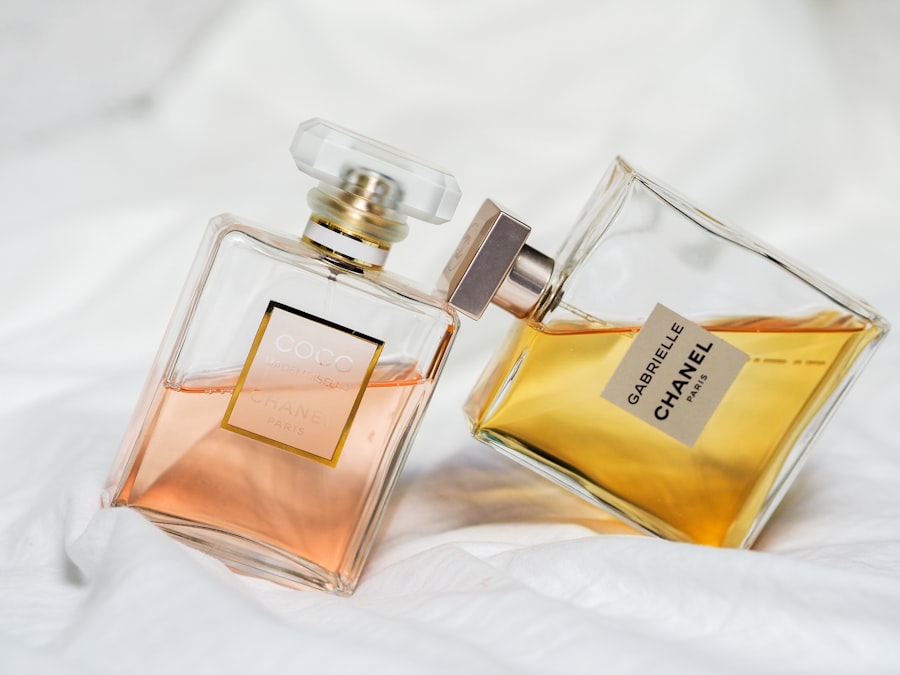
As you incorporate fresh scent products into your daily routine, you might find yourself experiencing unexpected allergic reactions or skin irritations. Many individuals are sensitive to the synthetic fragrances used in these products, which can lead to symptoms such as rashes, itching, or even respiratory distress. If you’ve ever noticed redness or irritation after using a scented lotion or detergent, you’re not alone; countless others share similar experiences.
The problem lies in the fact that manufacturers are not required to disclose all the ingredients in their fragrance blends. This lack of transparency means that you may unknowingly expose yourself to allergens or irritants that can wreak havoc on your skin and overall health. As you strive for a fresh-smelling home, it’s vital to consider the potential consequences of using products laden with undisclosed chemicals that could trigger adverse reactions.
Respiratory Issues and Asthma Triggers
For those with pre-existing respiratory conditions or asthma, fresh scent products can pose an even greater risk. The VOCs and other chemicals released into the air can exacerbate symptoms and lead to increased difficulty in breathing. If you or someone in your household suffers from asthma, you may want to think twice before reaching for that air freshener or scented candle.
Inhaling these synthetic fragrances can lead to inflammation in the airways, making it harder for you to breathe comfortably. You might find yourself experiencing wheezing, coughing, or shortness of breath after prolonged exposure to these products. It’s essential to recognize that while fresh scents may create an inviting atmosphere, they can also trigger serious respiratory issues that compromise your health and well-being.
Environmental Impact of Fresh Scent Products
| Product Type | Common Chemicals | Potential Health Risks | Reported Incidents | Regulatory Status |
|---|---|---|---|---|
| Air Fresheners | Phthalates, Formaldehyde, Limonene | Respiratory irritation, Allergic reactions, Hormone disruption | Multiple cases of asthma exacerbation and headaches reported | Some chemicals restricted in EU; limited regulation in US |
| Laundry Detergents with Fresh Scent | Fragrance mixtures, Synthetic musks, Benzyl acetate | Skin irritation, Allergies, Potential endocrine disruption | Reports of dermatitis and allergic reactions in sensitive individuals | Fragrance ingredients often undisclosed; partial regulation |
| Candles with Fresh Scents | Paraffin wax, Synthetic fragrances, Toluene | Indoor air pollution, Respiratory issues, Headaches | Studies show increased indoor VOCs during burning | Voluntary guidelines; no strict regulations |
| Fabric Softeners | Quaternary ammonium compounds, Fragrance chemicals | Skin irritation, Respiratory problems, Allergies | Cases of contact dermatitis reported | Some ingredients restricted in certain countries |
As you consider the implications of using fresh scent products in your home, it’s also important to reflect on their environmental impact. Many of these products are packaged in plastic containers that contribute to the growing problem of plastic waste in our landfills and oceans. Additionally, the production processes for these items often involve harmful chemicals that can pollute air and water sources.
The environmental footprint of fresh scent products extends beyond just packaging; the ingredients themselves can have detrimental effects on ecosystems. For example, certain synthetic fragrances can disrupt aquatic life when they enter waterways through wastewater systems. As you strive for a clean home, it’s crucial to consider how your choices may affect the planet and its inhabitants.
Potential Harm to Pets and Wildlife
If you share your home with pets or live near wildlife, the use of fresh scent products can pose risks beyond just human health. Many common household fragrances are toxic to animals, leading to symptoms such as vomiting, lethargy, or even more severe health issues. Your beloved cat or dog may be particularly sensitive to these chemicals, which can cause distress or harm when inhaled or ingested.
Wildlife is also at risk from the chemicals found in fresh scent products. When these substances enter the environment through improper disposal or runoff, they can disrupt natural habitats and harm local fauna. As a responsible pet owner and member of your community, it’s essential to consider how your choices impact not only your household but also the broader ecosystem.
Flammability and Fire Hazards
Another often-overlooked aspect of fresh scent products is their flammability. Many air fresheners and scented candles contain alcohol or other flammable ingredients that can pose fire hazards if not used properly. If you enjoy lighting candles for ambiance or using aerosol sprays for quick freshness, it’s crucial to be aware of the potential risks involved.
Accidental fires can occur if these products are placed too close to heat sources or left unattended. As you create a cozy atmosphere in your home, take care to follow safety guidelines and ensure that flammable items are used responsibly. Being mindful of these hazards can help prevent accidents and keep your living space safe for everyone.
Long-Term Health Effects of Fresh Scent Products
The long-term health effects of using fresh scent products are still being studied, but emerging research suggests that chronic exposure to certain chemicals may lead to serious health issues over time. You might be unknowingly subjecting yourself to a cocktail of harmful substances every day, which could contribute to conditions such as hormonal imbalances, respiratory diseases, or even cancer. As you consider the cumulative effects of these products on your health, it’s essential to weigh the benefits against the potential risks.
While a pleasant aroma may enhance your mood temporarily, the long-term consequences could be far more significant than you realize.
Regulation and Lack of Transparency in the Industry
One of the most concerning aspects of fresh scent products is the lack of regulation and transparency within the industry. Many manufacturers are not required to disclose all ingredients used in their fragrance formulations, leaving consumers in the dark about what they are bringing into their homes. This lack of oversight raises questions about safety standards and accountability.
As a consumer, it’s essential to advocate for greater transparency in product labeling and regulation. By demanding clearer information about what goes into fresh scent products, you can make more informed choices for yourself and your family. Supporting brands that prioritize safety and transparency can help drive change within the industry and promote healthier options for everyone.
Safer Alternatives to Fresh Scent Products
Fortunately, there are safer alternatives available if you’re looking for ways to keep your home smelling fresh without compromising your health or the environment. Natural options such as essential oils, beeswax candles, or homemade potpourri can provide delightful scents without harmful chemicals. You might also consider using baking soda or vinegar as natural deodorizing agents around your home.
By exploring these alternatives, you can create a welcoming atmosphere while minimizing exposure to potentially harmful substances. Not only will you be making healthier choices for yourself and your family, but you’ll also be contributing positively to the environment by reducing waste and chemical pollution.
Making Informed Choices for a Healthier Home
In conclusion, while fresh scent products may seem like an easy solution for creating a pleasant living space, it’s crucial to consider their potential health risks and environmental impact. By educating yourself about the chemical ingredients used in these products and their associated dangers, you can make informed choices that prioritize your well-being and that of your loved ones. As you navigate the world of home fragrances, remember that there are safer alternatives available that can provide the freshness you desire without compromising your health or harming the environment.
By choosing wisely and advocating for transparency within the industry, you can create a healthier home for yourself while contributing positively to the world around you.
Recent discussions have highlighted the potential dangers associated with fresh scent products, particularly those containing synthetic fragrances that may pose health risks. For more information on this topic, you can read the article on senior health concerns related to these products at exploreseniorhealth.
com/sample-page/’>Explore Senior Health. It’s essential to be aware of the ingredients in the products we use daily, as they can significantly impact our well-being.
WATCH THIS! 🫁 The Household “Fresh Scent” That Is Quietly Destroying Your Lungs and Memory
FAQs
Are fresh scent products harmful to health?
Some fresh scent products contain chemicals that can cause respiratory irritation, allergic reactions, or other health issues, especially in sensitive individuals. However, not all products are equally harmful, and effects depend on the specific ingredients and exposure levels.
What chemicals in fresh scent products can be dangerous?
Common potentially harmful chemicals include phthalates, volatile organic compounds (VOCs), synthetic fragrances, and certain preservatives. These substances may contribute to indoor air pollution and cause symptoms like headaches, dizziness, or asthma exacerbation.
Can fresh scent products cause allergic reactions?
Yes, some people may experience allergic reactions such as skin irritation, sneezing, or respiratory issues when exposed to fragrances or other chemicals in fresh scent products.
Are natural or organic fresh scent products safer?
Natural or organic products may reduce exposure to synthetic chemicals, but they can still cause allergic reactions or sensitivities. It is important to check ingredient lists and test products cautiously.
How can I reduce risks when using fresh scent products?
Use products in well-ventilated areas, follow label instructions, avoid overuse, and choose fragrance-free or low-emission options when possible. People with asthma or chemical sensitivities should be especially cautious.
Do fresh scent products contribute to indoor air pollution?
Yes, many fresh scent products release VOCs and other chemicals that can degrade indoor air quality and contribute to health problems over time.
Are there safer alternatives to traditional fresh scent products?
Yes, alternatives include natural essential oils, air purifiers, houseplants, and regular cleaning to reduce odors without relying on synthetic fragrances.