As you navigate through your daily life, you may not realize that the very products you use to maintain a clean and pleasant home can pose significant risks to your lung health.
Understanding the potential dangers associated with these products is crucial for safeguarding your respiratory health and that of your family.
The air quality within your home can be compromised by the very items you believe are making your environment safer and more comfortable. While it’s essential to keep your living space tidy and fresh, it’s equally important to be aware of the hidden threats that lurk in common household items. By educating yourself about these risks, you can take proactive steps to minimize exposure and protect your lungs from damage.
Key Takeaways
- Many common household products contain chemicals that can cause lung damage with prolonged exposure.
- Aerosol sprays, air fresheners, and deodorizers often release harmful volatile organic compounds (VOCs) that negatively impact lung health.
- Mold and mildew in the home are significant sources of respiratory problems and should be addressed promptly.
- Recognizing symptoms like coughing, wheezing, and shortness of breath early can help in seeking timely medical care.
- Protecting your family involves using safer alternatives, ensuring proper ventilation, and minimizing exposure to harmful household chemicals.
Common Household Products that Can Cause Lung Damage
Many household products that you might consider harmless can actually contribute to lung damage over time. For instance, cleaning supplies such as bleach, ammonia, and various disinfectants are often used without a second thought. While they are effective at killing germs and keeping surfaces clean, the fumes they emit can irritate your respiratory system.
Prolonged exposure to these chemicals can lead to chronic respiratory issues, making it vital for you to use them with caution. In addition to cleaning agents, personal care products like hair sprays, nail polish removers, and certain cosmetics can also release harmful chemicals into the air. These products often contain volatile organic compounds (VOCs) that can exacerbate respiratory problems and lead to long-term health issues.
Being mindful of the products you choose and their potential effects on your lungs is an essential step in maintaining a healthy home environment.
Chemicals to Watch Out for in Cleaning Products
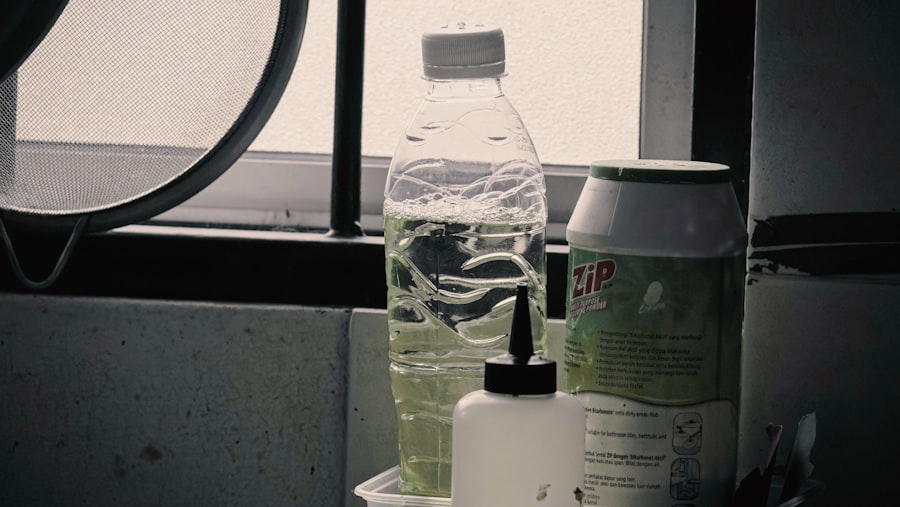
When it comes to cleaning products, there are specific chemicals that you should be particularly wary of. One of the most notorious is bleach, which, while effective for disinfecting, can produce harmful fumes that irritate the lungs and throat. If you find yourself using bleach frequently, consider switching to less harmful alternatives or ensuring that your space is well-ventilated during use.
Another chemical to be cautious of is ammonia, commonly found in glass cleaners and some all-purpose cleaners. Ammonia can cause respiratory distress and should never be mixed with bleach, as this combination produces toxic chloramine vapors. By being aware of these chemicals and their potential effects, you can make informed choices about the cleaning products you use in your home.
How Aerosol Sprays Can Harm Your Lungs
Aerosol sprays are convenient for a variety of tasks, from cleaning surfaces to styling hair. However, the fine mist they produce can be detrimental to your lung health. When you spray these products, tiny particles are released into the air, which you then inhale.
This can lead to irritation of the airways and exacerbate existing respiratory conditions such as asthma or chronic obstructive pulmonary disease (COPD).
Regular exposure to these substances can lead to long-term health issues, including reduced lung function.
To mitigate these risks, consider using pump sprays or other non-aerosol alternatives whenever possible.
The Risks of Using Air Fresheners and Deodorizers
| Household Product | Common Harmful Chemicals | Potential Lung Damage | Exposure Symptoms | Preventive Measures |
|---|---|---|---|---|
| Air Fresheners | Phthalates, Formaldehyde, VOCs | Asthma exacerbation, chronic bronchitis | Coughing, wheezing, shortness of breath | Use natural alternatives, ventilate rooms |
| Bleach | Sodium hypochlorite, Chlorine gas | Respiratory tract irritation, chemical pneumonitis | Throat irritation, chest tightness, coughing | Wear gloves, use in well-ventilated areas |
| Oven Cleaners | Ammonia, Sodium hydroxide | Airway inflammation, lung tissue damage | Burning sensation, difficulty breathing | Use protective masks, avoid inhaling fumes |
| Spray Paints | Solvents, VOCs, Isocyanates | Chronic obstructive pulmonary disease (COPD), asthma | Chest pain, persistent cough, breathlessness | Use outdoors, wear respirators |
| Cleaning Sprays | Ammonia, Bleach, VOCs | Bronchospasm, lung inflammation | Wheezing, throat irritation, coughing | Use gloves, ensure ventilation |
Air fresheners and deodorizers are often seen as harmless solutions for maintaining a pleasant aroma in your home. However, many of these products contain synthetic fragrances and chemicals that can negatively impact your lung health. When you spray or plug in an air freshener, you may be introducing harmful VOCs into your living space, which can lead to respiratory irritation and other health issues.
Additionally, some air fresheners release phthalates—chemicals linked to various health concerns—including hormone disruption and respiratory problems. If you’re sensitive to scents or have pre-existing lung conditions, it’s wise to reconsider your use of these products. Opting for natural alternatives like essential oils or simply improving ventilation can help create a fresher environment without compromising your lung health.
Understanding the Dangers of Mold and Mildew in the Home
Mold and mildew are common household nuisances that can pose serious risks to your lung health. These fungi thrive in damp environments and can release spores into the air that you breathe in. For individuals with allergies or asthma, exposure to mold spores can trigger severe respiratory reactions, leading to symptoms such as coughing, wheezing, and shortness of breath.
To combat mold growth in your home, it’s essential to address moisture issues promptly. Regularly check areas prone to dampness—such as bathrooms, kitchens, and basements—and take steps to improve ventilation and reduce humidity levels. By keeping mold at bay, you not only protect your lungs but also create a healthier living environment for everyone in your household.
The Impact of Volatile Organic Compounds (VOCs) on Lung Health
Volatile organic compounds (VOCs) are a group of chemicals found in many household products, including paints, solvents, and cleaning agents. When these products are used or stored in your home, VOCs can evaporate into the air, leading to poor indoor air quality. Inhalation of VOCs has been linked to various health issues, particularly concerning lung function.
Short-term exposure to VOCs can cause symptoms such as headaches, dizziness, and respiratory irritation. Long-term exposure may lead to more severe health problems, including chronic respiratory diseases. To minimize your exposure to VOCs, consider using low-VOC or VOC-free products whenever possible and ensure proper ventilation when using products that contain these harmful compounds.
How to Protect Yourself and Your Family from Household Product-Related Lung Damage
Protecting yourself and your family from household product-related lung damage requires a proactive approach. Start by educating yourself about the products you use daily and their potential effects on health. Opt for natural cleaning solutions or those labeled as non-toxic whenever possible.
You might also consider making homemade cleaning products using simple ingredients like vinegar and baking soda. Proper ventilation is another key factor in maintaining good indoor air quality. Open windows while cleaning or using aerosol products to allow fresh air to circulate throughout your home.
Additionally, using exhaust fans in kitchens and bathrooms can help reduce moisture levels and prevent mold growth. By taking these steps, you create a safer environment for everyone in your household.
Signs and Symptoms of Lung Damage from Household Products
Being aware of the signs and symptoms of lung damage from household products is crucial for early intervention. Common indicators include persistent coughing, wheezing, shortness of breath, or chest tightness after using certain products. If you notice these symptoms occurring regularly after cleaning or using personal care items, it may be time to reassess the products you’re using.
In some cases, symptoms may not appear immediately but develop over time with continued exposure. If you experience any respiratory issues that seem linked to specific household products, it’s essential to consult with a healthcare professional for further evaluation. Early detection can help prevent more severe complications down the line.
Long-Term Effects of Exposure to Harmful Household Products
The long-term effects of exposure to harmful household products can be significant and may not become apparent until years later. Chronic exposure to irritants found in cleaning agents or personal care products can lead to conditions such as asthma or chronic bronchitis. Additionally, prolonged inhalation of VOCs has been associated with an increased risk of developing respiratory diseases.
Understanding these potential long-term consequences emphasizes the importance of being vigilant about the products you use in your home. By making informed choices now, you can help protect your lung health for years to come.
Seeking Medical Attention for Household Product-Related Lung Damage
If you suspect that you or a family member has experienced lung damage due to household products, seeking medical attention is crucial. A healthcare professional can conduct a thorough evaluation and recommend appropriate tests or treatments based on your symptoms and history of exposure. Don’t hesitate to discuss any concerns regarding specific products or symptoms with your doctor; they can provide valuable guidance on managing respiratory issues related to household product exposure.
Early intervention is key in preventing further damage and ensuring a healthier future for you and your loved ones. In conclusion, while household products play an essential role in maintaining cleanliness and comfort in your home, it’s vital to remain aware of their potential risks to lung health. By educating yourself about harmful chemicals, adopting safer alternatives, and monitoring symptoms closely, you can create a healthier living environment for yourself and your family.
Recent studies have highlighted the alarming impact of certain household products on lung health, raising concerns about the long-term effects of exposure to common cleaning agents and air fresheners. For more information on how these products can affect respiratory health, you can read a related article on this topic at Explore Senior Health.
WATCH THIS! 🫁 The Household “Fresh Scent” That Is Quietly Destroying Your Lungs and Memory
FAQs
What household products are known to harm the lungs?
Common household products that can damage the lungs include cleaning sprays, air fresheners, bleach, ammonia, and products containing volatile organic compounds (VOCs). These substances can release harmful fumes that irritate or damage lung tissue.
How do these household products affect lung health?
Inhalation of fumes from certain household products can cause respiratory irritation, inflammation, and in some cases, long-term lung damage. Prolonged exposure may lead to conditions such as asthma, chronic bronchitis, or decreased lung function.
Are natural or eco-friendly cleaning products safer for the lungs?
Natural or eco-friendly products often contain fewer harmful chemicals and emit fewer toxic fumes, making them generally safer for lung health. However, it is important to check product labels and use all cleaning agents in well-ventilated areas.
What precautions can be taken to reduce lung damage from household products?
To minimize lung damage, use household products in well-ventilated spaces, wear protective masks if necessary, avoid mixing chemicals, and opt for less toxic or fragrance-free products. Always follow manufacturer instructions carefully.
Can short-term exposure to these products cause permanent lung damage?
Short-term exposure to strong fumes may cause temporary respiratory irritation or symptoms like coughing and wheezing. Permanent lung damage is more likely with repeated or prolonged exposure, especially in individuals with pre-existing respiratory conditions.
Who is most at risk from lung damage caused by household products?
Children, the elderly, people with asthma or other respiratory diseases, and individuals with compromised immune systems are more vulnerable to lung damage from exposure to harmful household chemicals.
How can I identify if a household product is harmful to my lungs?
Check product labels for warnings about respiratory hazards, presence of VOCs, or strong chemical ingredients. Safety data sheets (SDS) can provide detailed information about potential health risks associated with a product.
Is ventilation important when using household cleaning products?
Yes, proper ventilation helps disperse harmful fumes and reduces the concentration of airborne chemicals, thereby lowering the risk of lung irritation or damage during and after product use.