
In today’s fast-paced world, the importance of a clean and healthy living environment cannot be overstated, especially when it comes to your bedroom. This is the sanctuary where you retreat to recharge and rejuvenate after a long day. However, many people overlook the quality of the air they breathe while they sleep.
You may not realize it, but the air in your bedroom can be filled with pollutants that can affect your health and well-being. This article will guide you through the process of detoxifying your bedroom air, ensuring that you create a space that promotes restful sleep and overall wellness. Detoxifying your bedroom air involves understanding the sources of indoor air pollution, identifying common pollutants, and implementing effective strategies to improve air quality.
By taking proactive steps, you can transform your bedroom into a haven of tranquility and health. Whether you suffer from allergies, asthma, or simply want to enhance your sleep quality, this guide will provide you with the knowledge and tools necessary to breathe easier and enjoy a more restful night’s sleep.
Key Takeaways
- Indoor air pollution in bedrooms can significantly impact health and sleep quality.
- Identifying and reducing common pollutants like dust, allergens, and VOCs is essential.
- Choosing effective air purification systems and natural methods improves air quality.
- Proper ventilation and regular cleaning help maintain a healthy bedroom environment.
- Monitoring air quality ensures ongoing benefits for better sleep and overall well-being.
Understanding Indoor Air Pollution
Indoor air pollution is a significant concern that often goes unnoticed. You might think that outdoor air is the only source of pollution, but the reality is that indoor environments can harbor a variety of harmful substances. These pollutants can stem from everyday activities, household products, and even the materials used in your home’s construction.
Understanding these sources is crucial for taking effective action to improve your bedroom’s air quality. Common sources of indoor air pollution include volatile organic compounds (VOCs) emitted from paints, cleaning products, and furniture. Additionally, dust mites, mold spores, and pet dander can accumulate in your bedroom, contributing to poor air quality.
You may not be aware of how these pollutants can affect your health, leading to symptoms such as headaches, fatigue, and respiratory issues. By recognizing the potential dangers of indoor air pollution, you can take steps to mitigate its effects and create a healthier living space.
Identifying Common Air Pollutants in the Bedroom
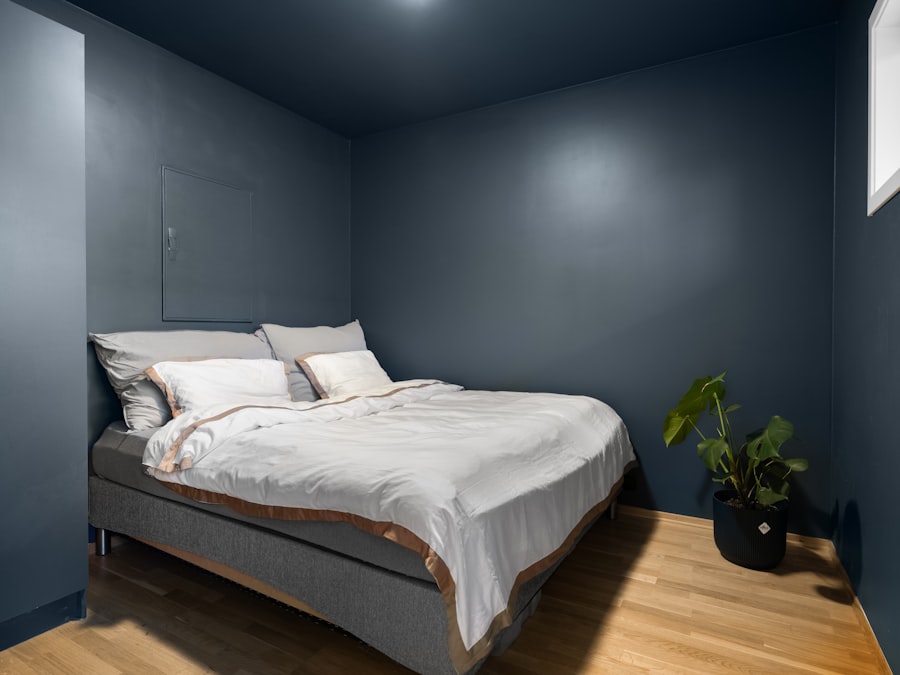
To effectively detoxify your bedroom air, it’s essential to identify the common pollutants that may be lurking in your space. One of the most prevalent offenders is dust mites, microscopic creatures that thrive in bedding and upholstery. If you have allergies or asthma, you may find that dust mites exacerbate your symptoms.
Regular cleaning and using allergen-proof covers on pillows and mattresses can help reduce their presence. Another common pollutant is mold, which can grow in damp areas of your bedroom, such as around windows or in closets. Mold spores can trigger allergic reactions and respiratory problems.
You should regularly check for signs of mold growth and address any moisture issues promptly. Additionally, consider the impact of household products like air fresheners and scented candles, which can release harmful chemicals into the air. By being aware of these common pollutants, you can take targeted actions to improve your bedroom’s air quality.
Choosing the Right Air Purification System
Investing in an air purification system can be a game-changer for improving the air quality in your bedroom. With so many options available on the market, it’s essential to choose a system that meets your specific needs. When selecting an air purifier, consider factors such as the size of your room, the types of pollutants you want to target, and your budget.
HEPA (High-Efficiency Particulate Air) filters are highly effective at capturing airborne particles like dust, pollen, and pet dander. If you’re particularly concerned about odors or chemical pollutants, look for an air purifier equipped with activated carbon filters. Additionally, some models come with features like UV-C light technology that can help eliminate bacteria and viruses.
By carefully evaluating your options and selecting the right air purification system, you can significantly enhance the quality of the air you breathe while you sleep.
Natural Ways to Improve Air Quality in the Bedroom
| Metric | Description | Recommended Value/Goal | Measurement Method |
|---|---|---|---|
| Air Quality Index (AQI) | Overall measure of air pollution in the bedroom | Below 50 (Good) | Air quality monitor |
| Volatile Organic Compounds (VOCs) | Concentration of harmful organic chemicals | Less than 0.5 ppm | VOC detector |
| Particulate Matter (PM2.5) | Fine particles that can penetrate lungs | Below 12 µg/m³ | PM2.5 air sensor |
| Carbon Dioxide (CO2) | Level of CO2 indicating ventilation quality | Below 1000 ppm | CO2 monitor |
| Humidity Level | Relative humidity to prevent mold and dust mites | 40% – 60% | Hygrometer |
| Air Exchange Rate | Number of air changes per hour in the bedroom | 4-6 air changes per hour | Ventilation system assessment |
| Allergen Concentration | Presence of dust mites, pet dander, pollen | Minimal to none | Allergen test kits |
| Use of Air Purifier | Effectiveness of air purifier in reducing pollutants | HEPA filter with CADR suitable for room size | Manufacturer specifications and air quality before/after |
While air purifiers are effective tools for improving indoor air quality, there are also natural methods you can employ to detoxify your bedroom air. One simple yet powerful approach is to incorporate houseplants into your space. Certain plants, such as spider plants, peace lilies, and snake plants, are known for their ability to filter out toxins and improve air quality.
Not only do they add a touch of greenery to your room, but they also contribute to a healthier atmosphere. Another natural method is to ensure proper humidity levels in your bedroom. High humidity can promote mold growth and dust mite proliferation, while low humidity can lead to dry skin and respiratory discomfort.
By integrating these natural solutions into your bedroom environment, you can create a more inviting and healthful space.
Tips for Reducing Dust and Allergens
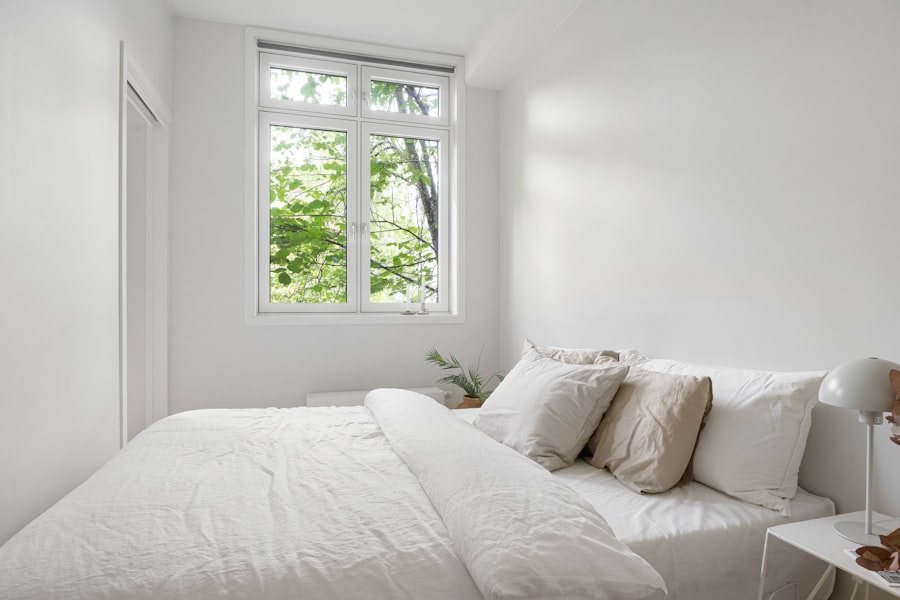
Reducing dust and allergens in your bedroom is crucial for maintaining a clean and healthy environment. One effective strategy is to establish a regular cleaning routine that includes dusting surfaces, vacuuming carpets, and washing bedding frequently. You should aim to wash your sheets at least once a week in hot water to eliminate dust mites and other allergens.
Additionally, consider minimizing clutter in your bedroom. The more items you have on surfaces, the more places there are for dust to accumulate. Opt for storage solutions that keep items organized and out of sight.
You might also want to invest in a vacuum cleaner equipped with a HEPA filter to ensure that allergens are effectively captured during cleaning sessions. By implementing these tips, you can significantly reduce dust and allergens in your bedroom.
Importance of Proper Ventilation
Proper ventilation is a key component of maintaining good indoor air quality in your bedroom. Without adequate airflow, pollutants can become trapped inside, leading to stale air and increased concentrations of harmful substances. You should make it a habit to open windows whenever possible to allow fresh air to circulate throughout your space.
If opening windows isn’t feasible due to weather conditions or outdoor pollution levels, consider using exhaust fans or an air exchange system that brings in fresh outdoor air while expelling stale indoor air. Additionally, ceiling fans can help promote airflow within the room. By prioritizing proper ventilation, you can create a more breathable environment that supports better sleep and overall health.
Creating a Sleep-Friendly Environment
Your bedroom should be a sanctuary designed for relaxation and restful sleep.
You might want to invest in blackout curtains or shades to block out external light sources that could disrupt your sleep cycle.
Temperature also plays a significant role in sleep quality; most people sleep best in a cool room between 60-67 degrees Fahrenheit (15-19 degrees Celsius). You may want to adjust your thermostat or use fans or heating blankets as needed to achieve this ideal temperature range. Additionally, consider incorporating calming scents through essential oils or aromatherapy diffusers to promote relaxation before bedtime.
By focusing on these elements, you can cultivate an environment conducive to restorative sleep.
Maintaining a Clean and Healthy Bedroom
Maintaining a clean and healthy bedroom requires consistent effort but pays off in improved air quality and overall well-being. Establishing a cleaning schedule can help ensure that tasks like dusting, vacuuming, and washing bedding become part of your routine rather than occasional chores. You might find it helpful to set aside specific days for different tasks—perhaps vacuuming on Mondays and changing sheets on Thursdays.
In addition to regular cleaning, consider decluttering your space periodically. Go through items in your bedroom every few months to determine what you truly need and what can be donated or discarded. A clutter-free environment not only looks better but also reduces places where dust and allergens can accumulate.
By committing to these practices, you’ll create a healthier living space that supports both physical health and mental clarity.
Monitoring Air Quality in the Bedroom
To ensure that your efforts toward improving bedroom air quality are effective, consider monitoring the air quality regularly. There are various tools available on the market that can help you track levels of common pollutants such as particulate matter (PM), volatile organic compounds (VOCs), and humidity levels. Some devices even provide real-time data on indoor air quality through smartphone apps.
By keeping an eye on these metrics, you’ll be able to identify trends or issues that may arise over time. For instance, if you notice spikes in humidity levels during certain seasons or after specific activities (like showering), you can take proactive measures to address them before they lead to mold growth or other problems. Monitoring air quality empowers you to make informed decisions about maintaining a healthy bedroom environment.
Enjoying the Benefits of a Clean and Healthy Bedroom
In conclusion, detoxifying your bedroom air is an essential step toward creating a clean and healthy living environment that promotes restful sleep and overall well-being. By understanding indoor air pollution sources, identifying common pollutants, choosing appropriate purification systems, and implementing natural solutions, you can significantly improve the quality of the air you breathe while you sleep. Moreover, maintaining proper ventilation, reducing dust and allergens, creating a sleep-friendly atmosphere, and regularly monitoring air quality will further enhance your efforts toward achieving optimal indoor conditions.
As you invest time and energy into these practices, you’ll not only enjoy better sleep but also experience improved physical health and mental clarity—transforming your bedroom into the sanctuary it was always meant to be.
If you’re looking to improve the air quality in your bedroom, consider implementing a comprehensive air detox plan. A great resource to explore is the article on senior health, which provides valuable insights into creating a healthier living environment. You can read more about it in this related article. By following the tips outlined, you can enhance your bedroom’s air quality and promote better sleep and overall well-being.
WATCH THIS! 🫁 The Household “Fresh Scent” That Is Quietly Destroying Your Lungs and Memory
FAQs
What is a bedroom air detox plan?
A bedroom air detox plan is a set of strategies and practices aimed at improving the air quality in your bedroom by reducing pollutants, allergens, and toxins. This can involve cleaning routines, using air purifiers, increasing ventilation, and incorporating plants that help filter the air.
Why is it important to detox the air in your bedroom?
Detoxing the air in your bedroom is important because poor air quality can affect your sleep, respiratory health, and overall well-being. Bedrooms often contain dust, mold, pet dander, and volatile organic compounds (VOCs) from furniture and cleaning products, which can trigger allergies and other health issues.
What are common sources of indoor air pollution in the bedroom?
Common sources include dust mites, pet dander, mold spores, volatile organic compounds (VOCs) from paints and furniture, cigarette smoke, and airborne bacteria or viruses. Poor ventilation can also cause pollutants to accumulate.
How can I improve ventilation in my bedroom?
Improving ventilation can be done by opening windows regularly to allow fresh air in, using exhaust fans if available, and ensuring that HVAC systems are well-maintained and equipped with clean filters.
Are air purifiers effective for detoxing bedroom air?
Yes, air purifiers with HEPA filters can effectively remove airborne particles such as dust, pollen, and pet dander. Some models also include activated carbon filters to reduce odors and VOCs. However, they should be used in conjunction with other practices like cleaning and ventilation.
Can houseplants help detox bedroom air?
Certain houseplants can help improve indoor air quality by absorbing some pollutants and increasing oxygen levels. Examples include spider plants, snake plants, and peace lilies. However, plants alone are not sufficient to fully detoxify the air.
How often should I clean my bedroom to maintain good air quality?
Regular cleaning is essential. Vacuum carpets and rugs at least once a week using a vacuum with a HEPA filter, dust surfaces frequently, wash bedding weekly in hot water, and clean curtains and upholstery periodically to reduce dust and allergens.
Are there any lifestyle changes that can help with bedroom air detox?
Yes, avoiding smoking indoors, minimizing the use of scented candles or air fresheners, choosing low-VOC paints and furniture, and keeping pets out of the bedroom can all contribute to better air quality.
Is it necessary to test the air quality in my bedroom?
While not always necessary, testing can help identify specific pollutants or allergens present in your bedroom. Home air quality test kits are available, or you can hire professionals for more comprehensive assessments.
How long does it take to see improvements after starting a bedroom air detox plan?
Improvements can often be noticed within days to weeks, especially if you implement multiple strategies such as cleaning, ventilation, and using air purifiers. Long-term maintenance is key to sustaining good air quality.