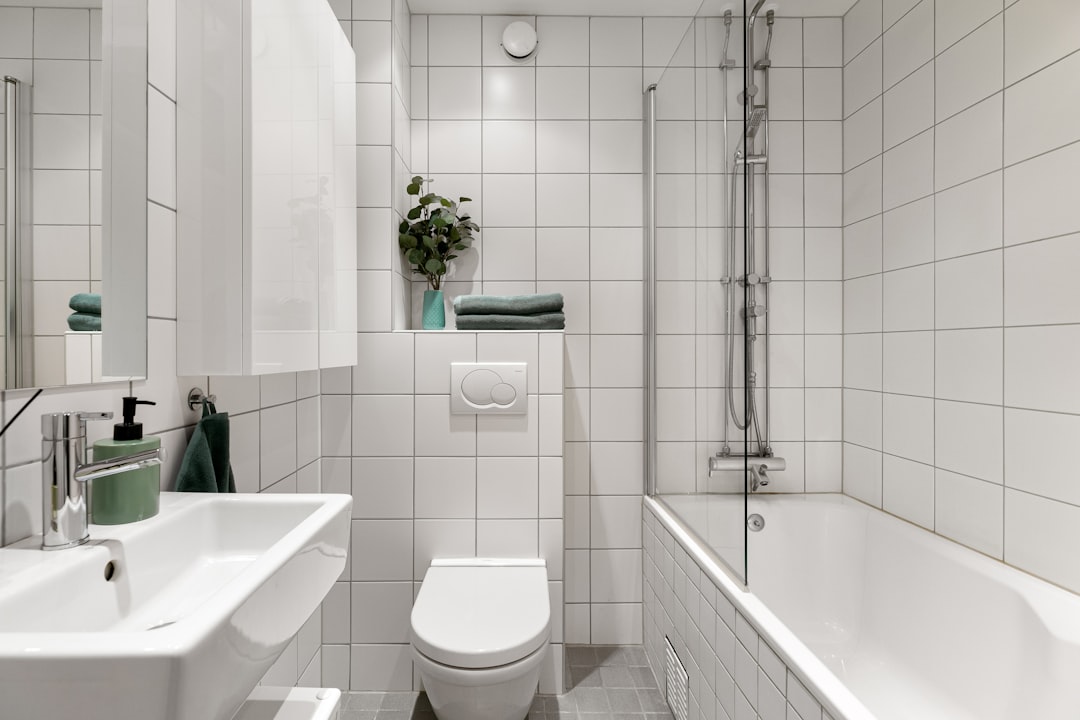
When you step into a bathroom, the last thing you want is an unpleasant odor lingering in the air. To combat this, many people turn to air fresheners, believing they are a quick and effective solution. However, what you may not realize is that these seemingly harmless products can pose significant health risks.
The fragrances that fill the air can mask odors but often contain a cocktail of chemicals that can be harmful to your health and the environment. Understanding these dangers is crucial for making informed choices about the products you use in your home. The convenience of air fresheners can be tempting, but it’s essential to recognize that they often do more harm than good.
Many air fresheners work by releasing volatile organic compounds (VOCs) into the air, which can contribute to indoor air pollution. These compounds can lead to respiratory issues, allergic reactions, and other health problems. By understanding the potential dangers associated with bathroom air fresheners, you can take proactive steps to protect yourself and your loved ones from unnecessary exposure to harmful chemicals.
Key Takeaways
- Bathroom air fresheners often contain harmful chemicals that can negatively impact indoor air quality and health.
- Prolonged exposure to these chemicals may cause respiratory issues, headaches, and allergic reactions, especially in vulnerable groups.
- Safer alternatives and natural options exist to maintain a pleasant bathroom environment without toxic effects.
- Reducing air freshener use and improving ventilation can help minimize chemical exposure and related health risks.
- Awareness, proper labeling, and advocating for stricter regulations are essential to protect consumers from air freshener toxicity.
Common Chemicals Found in Air Fresheners and Their Health Risks
Air fresheners may contain a variety of chemicals, some of which are known to be harmful. Common ingredients include phthalates, formaldehyde, and synthetic fragrances. Phthalates, often used to enhance fragrance longevity, have been linked to hormonal disruptions and reproductive issues.
Formaldehyde, a known carcinogen, can cause irritation of the eyes, skin, and respiratory system. When you use air fresheners containing these substances, you may unknowingly expose yourself to serious health risks. In addition to these harmful chemicals, many air fresheners also contain allergens that can trigger asthma attacks or allergic reactions in sensitive individuals.
The synthetic fragrances used in these products are often proprietary blends, meaning their exact composition is not disclosed. This lack of transparency makes it difficult for consumers like you to know what you are inhaling. By being aware of the common chemicals found in air fresheners and their associated health risks, you can make more informed decisions about the products you choose for your bathroom.
Impact of Air Freshener Toxicity on Indoor Air Quality
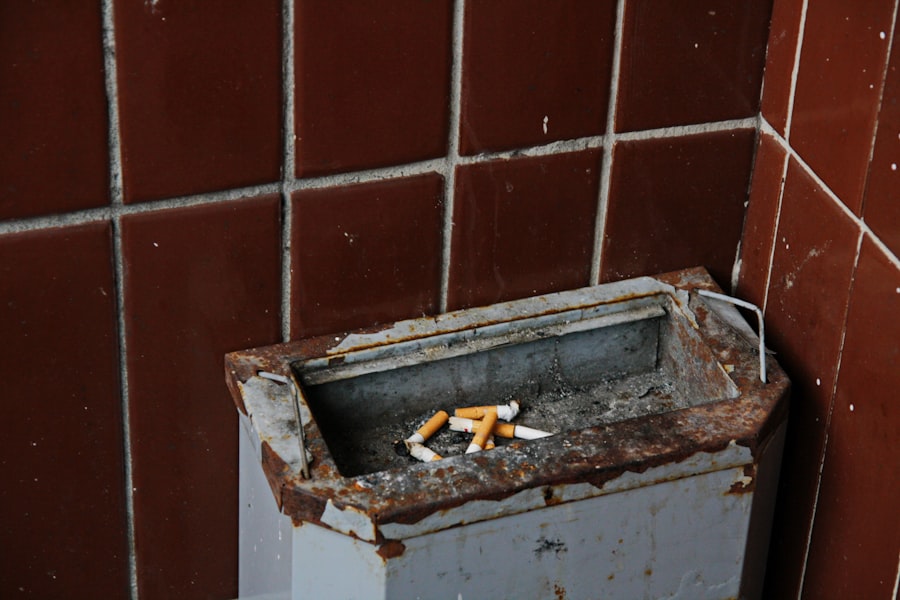
Indoor air quality is a critical aspect of maintaining a healthy living environment, and air fresheners can significantly impact it. When you spray an air freshener in your bathroom, you may think you are improving the air quality by masking unpleasant odors. However, the reality is that these products can introduce harmful pollutants into your home.
The VOCs released by air fresheners can accumulate in enclosed spaces, leading to poor indoor air quality that can affect your overall well-being. Moreover, the toxicity of air fresheners can have a cumulative effect over time. As you continue to use these products, the concentration of harmful chemicals in your indoor environment can increase, exacerbating health issues such as headaches, dizziness, and respiratory problems.
By understanding how air freshener toxicity impacts indoor air quality, you can take steps to minimize your exposure and create a healthier living space for yourself and your family.
Health Effects of Prolonged Exposure to Air Freshener Chemicals
Prolonged exposure to the chemicals found in air fresheners can lead to a range of health issues that may not be immediately apparent. You might experience symptoms such as headaches, fatigue, or respiratory irritation without realizing that your air freshener is the culprit. Over time, continuous exposure can result in more severe health problems, including chronic respiratory conditions and hormonal imbalances.
Additionally, some studies suggest that long-term exposure to certain chemicals in air fresheners may increase the risk of developing serious health conditions such as asthma or even certain types of cancer. The cumulative effects of these chemicals on your body can be insidious, often manifesting only after years of exposure. By being aware of the potential health effects associated with prolonged use of air fresheners, you can take proactive measures to protect your health and well-being.
Vulnerable Populations at Risk from Air Freshener Toxicity
| Air Freshener Type | Common Toxic Chemicals | Potential Health Effects | Exposure Source | Recommended Safety Measures |
|---|---|---|---|---|
| Aerosol Sprays | Phthalates, Formaldehyde, Benzene | Respiratory irritation, headaches, hormone disruption | Inhalation of sprayed particles | Use in well-ventilated areas; limit frequency |
| Plug-in Air Fresheners | Terpenes, Limonene, VOCs (Volatile Organic Compounds) | Asthma exacerbation, allergic reactions, eye irritation | Continuous low-level emission | Choose fragrance-free or natural alternatives |
| Gel Air Fresheners | Parabens, Synthetic fragrances | Skin irritation, endocrine disruption | Direct contact and vapor release | Keep out of reach of children; avoid direct contact |
| Essential Oil Diffusers | Natural oils (can cause sensitivity) | Allergic reactions, respiratory issues in sensitive individuals | Inhalation of diffused oils | Use diluted oils; monitor for adverse reactions |
| Incense and Scented Candles | Polycyclic aromatic hydrocarbons (PAHs), VOCs | Lung irritation, increased risk of respiratory diseases | Smoke inhalation | Limit use; ensure proper ventilation |
Certain populations are particularly vulnerable to the toxic effects of air fresheners. Children, for instance, are at a higher risk due to their developing bodies and higher respiratory rates compared to adults. Their smaller size means they are more susceptible to the harmful effects of indoor air pollutants.
Pregnant women also face increased risks as exposure to certain chemicals can affect fetal development and lead to complications during pregnancy. Individuals with pre-existing health conditions such as asthma or allergies are also at greater risk when exposed to air fresheners. The chemicals in these products can exacerbate their symptoms and lead to more severe health issues.
By recognizing that vulnerable populations are at heightened risk from air freshener toxicity, you can take steps to protect those who may be more susceptible in your household.
Alternatives to Traditional Air Fresheners for a Safer and Healthier Bathroom Environment
If you’re concerned about the health risks associated with traditional air fresheners, there are several alternatives that can help you maintain a pleasant bathroom environment without compromising your health. Natural options such as essential oils can provide a refreshing scent without the harmful chemicals found in conventional products. You can create your own air freshener by mixing water with a few drops of your favorite essential oil in a spray bottle.
Another effective alternative is using baking soda or activated charcoal to absorb odors naturally. These substances are excellent at neutralizing unpleasant smells without releasing harmful chemicals into the air. Additionally, incorporating houseplants into your bathroom can improve air quality while adding a touch of nature to your space.
By exploring these alternatives, you can create a safer and healthier bathroom environment for yourself and your family.
Tips for Reducing Air Freshener Toxicity in the Bathroom
Reducing air freshener toxicity in your bathroom doesn’t have to be complicated. One simple step is to limit or eliminate the use of commercial air fresheners altogether. Instead, focus on maintaining cleanliness by regularly cleaning surfaces and ensuring proper ventilation.
Opening windows or using exhaust fans can help circulate fresh air and reduce odors naturally. If you still prefer using some form of fragrance in your bathroom, consider opting for natural alternatives like essential oils or homemade potpourri made from dried herbs and spices.
By implementing these tips, you can significantly reduce air freshener toxicity in your bathroom.
Advocating for Safer Regulations and Labeling of Air Freshener Products
As a consumer, advocating for safer regulations and labeling of air freshener products is essential for protecting public health. Many people are unaware of the potential dangers associated with these products due to inadequate labeling practices that fail to disclose harmful ingredients. By supporting initiatives aimed at improving transparency in product labeling, you can help ensure that consumers have access to vital information about what they are bringing into their homes.
Engaging with local lawmakers and organizations focused on environmental health can amplify your voice in advocating for change. Encourage them to push for stricter regulations on chemical usage in household products and promote safer alternatives. By taking an active role in advocating for safer regulations and labeling practices, you contribute to a healthier environment for everyone.
Signs and Symptoms of Air Freshener Toxicity to Look Out For
Being aware of the signs and symptoms of air freshener toxicity is crucial for identifying potential health issues early on. Common symptoms include headaches, dizziness, respiratory irritation, and allergic reactions such as sneezing or skin rashes.
In some cases, prolonged exposure may lead to more severe health concerns such as chronic respiratory conditions or hormonal imbalances. If you experience persistent symptoms or notice a decline in your overall well-being after using air fresheners, it’s essential to consult with a healthcare professional for further evaluation. By staying vigilant about the signs of toxicity, you can take proactive steps toward safeguarding your health.
Seeking Medical Help for Air Freshener-Related Health Concerns
If you suspect that your health issues may be related to exposure to air freshener chemicals, seeking medical help is crucial. A healthcare professional can assess your symptoms and provide guidance on how to minimize exposure while addressing any underlying health concerns. Be prepared to discuss your usage patterns and any specific symptoms you’ve experienced so that they can better understand your situation.
In some cases, allergy testing or other diagnostic measures may be necessary to determine if you’re experiencing adverse reactions due to air fresheners or other environmental factors. Taking action early on can help prevent further complications and ensure that you receive appropriate care tailored to your needs.
Creating a Safe and Pleasant Bathroom Environment Without Compromising Health
Creating a safe and pleasant bathroom environment is entirely possible without relying on traditional air fresheners laden with harmful chemicals. Start by prioritizing cleanliness; regular cleaning routines will help eliminate odors at their source rather than masking them with fragrances. Incorporate natural alternatives like essential oils or homemade odor absorbers into your routine for a refreshing scent without compromising safety.
Consider enhancing ventilation by opening windows or using exhaust fans during showers or baths to reduce humidity levels that contribute to unpleasant odors. Additionally, adding plants known for their air-purifying qualities can improve indoor air quality while creating an inviting atmosphere. By adopting these practices, you can enjoy a pleasant bathroom experience while prioritizing your health and well-being.
In conclusion, understanding the dangers associated with bathroom air fresheners is vital for making informed choices about the products you use in your home. By being aware of common chemicals found in these products and their potential health risks, you can take proactive steps toward creating a safer environment for yourself and your loved ones. Embracing natural alternatives and advocating for safer regulations will not only benefit your household but also contribute positively to public health overall.
Concerns about the safety of bathroom air fresheners have been growing, particularly regarding their potential toxicity and impact on health. For more information on this topic, you can read a related article on senior health that discusses various household products and their effects. Check it out here: Explore Senior Health.
WATCH THIS! 🫁 The Household “Fresh Scent” That Is Quietly Destroying Your Lungs and Memory
FAQs
Are bathroom air fresheners toxic?
Some bathroom air fresheners contain chemicals that can be toxic or harmful when inhaled in large amounts or over prolonged periods. Ingredients like phthalates, formaldehyde, and volatile organic compounds (VOCs) may pose health risks.
What chemicals in air fresheners are considered harmful?
Common harmful chemicals found in some air fresheners include phthalates, benzene, formaldehyde, and other VOCs. These substances can contribute to respiratory issues, allergic reactions, and other health problems.
Can using bathroom air fresheners cause respiratory problems?
Yes, exposure to certain chemicals in air fresheners can irritate the respiratory system, potentially causing symptoms like coughing, wheezing, or exacerbating asthma and allergies in sensitive individuals.
Are natural or essential oil-based air fresheners safer?
Natural or essential oil-based air fresheners are generally considered safer alternatives because they often contain fewer synthetic chemicals. However, some people may still experience allergic reactions or sensitivities to natural ingredients.
How can I reduce exposure to toxic chemicals from bathroom air fresheners?
To reduce exposure, use air fresheners sparingly, choose products labeled as non-toxic or natural, ensure good ventilation in the bathroom, or consider alternative odor control methods like baking soda or activated charcoal.
Is it safe to use air fresheners around children and pets?
Caution is advised when using air fresheners around children and pets, as they may be more sensitive to chemical exposure. Opt for non-toxic, natural products and keep air fresheners out of reach.
Do air fresheners contribute to indoor air pollution?
Yes, many air fresheners release VOCs and other chemicals that can contribute to indoor air pollution, potentially affecting indoor air quality and health.
Are there regulations on the safety of bathroom air fresheners?
Regulations vary by country, but many regions require manufacturers to disclose ingredients and limit certain harmful chemicals. However, not all ingredients may be fully disclosed, so consumers should remain cautious.