
You may not realize it, but the air inside your home can be more polluted than the air outside. Indoor air quality (IAQ) is crucial for your overall health and well-being. Poor IAQ can lead to a range of health issues, from minor irritations like headaches and fatigue to more severe conditions such as respiratory diseases and cardiovascular problems.
As you spend a significant amount of time indoors, especially in your home or workplace, understanding the factors that contribute to indoor air quality is essential for creating a safe and healthy environment. The sources of indoor air pollution are numerous and often overlooked. Everyday activities such as cooking, cleaning, and even using personal care products can release harmful pollutants into the air.
Additionally, factors like inadequate ventilation, humidity levels, and the presence of mold or dust can exacerbate these issues. By prioritizing indoor air quality, you can take proactive steps to mitigate these risks and ensure that the air you breathe is clean and safe.
Key Takeaways
- HEPA filters are essential for improving indoor air quality by capturing harmful airborne particles.
- They effectively remove common indoor pollutants such as dust, pollen, pet dander, and mold spores.
- Choosing the right HEPA filter depends on your specific needs and the size of the space.
- Regular maintenance and timely replacement of HEPA filters ensure optimal performance and air cleanliness.
- HEPA filters provide significant health benefits, especially for allergy and asthma sufferers, and enhance workplace productivity.
The Role of HEPA Filters in Improving Indoor Air Quality
One of the most effective tools for enhancing indoor air quality is the use of High-Efficiency Particulate Air (HEPA) filters. These filters are designed to capture a significant percentage of airborne particles, making them an essential component in air purifiers, vacuum cleaners, and HVAC systems. By incorporating HEPA filters into your home, you can significantly reduce the concentration of pollutants in the air, leading to a healthier living environment.
HEPA filters are particularly beneficial for individuals with allergies or respiratory conditions. They can trap allergens such as pollen, pet dander, and dust mites, which are common triggers for allergy sufferers. By removing these irritants from your indoor air, you can create a more comfortable space that promotes better health and well-being.
Understanding the role of HEPA filters in improving indoor air quality is the first step toward making informed decisions about your home’s air purification needs.
How HEPA Filters Work to Remove Airborne Particles
HEPA filters operate on a simple yet effective principle: they trap particles as air passes through them. To qualify as a true HEPA filter, it must meet specific standards set by the U.S. Department of Energy, which stipulate that it must capture at least 99.97% of particles that are 0.3 microns in size.
This includes a wide range of pollutants, from larger particles like dust and pet hair to smaller ones like smoke and bacteria. The design of HEPA filters plays a crucial role in their effectiveness. They are made up of a dense mat of fibers that create a labyrinth for airborne particles to navigate.
As air flows through the filter, particles become trapped in the fibers due to various mechanisms such as interception, inertial impaction, and diffusion. This multi-faceted approach ensures that even the tiniest pollutants are effectively removed from your indoor air, providing you with cleaner and healthier air to breathe.
Common Indoor Pollutants Eliminated by HEPA Filters
HEPA filters are adept at removing a variety of common indoor pollutants that can compromise your health. One of the most prevalent types of pollutants is dust, which can accumulate in your home and trigger allergies or respiratory issues. Dust mites, tiny creatures that thrive in household dust, are particularly problematic for allergy sufferers.
By using HEPA filters, you can significantly reduce the presence of these allergens in your living space. In addition to dust and dust mites, HEPA filters can also capture pet dander, mold spores, pollen, and even smoke particles from cooking or tobacco use. These pollutants can exacerbate existing health conditions or create new ones if left unchecked.
By investing in HEPA filtration systems, you can effectively eliminate these harmful substances from your indoor environment, leading to improved health outcomes for you and your family.
Choosing the Right HEPA Filter for Your Home
| Metric | Description | Typical Value | Unit |
|---|---|---|---|
| Particle Removal Efficiency | Percentage of particles 0.3 microns and larger removed by HEPA filter | 99.97 | % |
| Air Changes per Hour (ACH) | Number of times indoor air is filtered per hour | 4-6 | times/hour |
| PM2.5 Reduction | Reduction in fine particulate matter (PM2.5) concentration indoors | 50-90 | % |
| Noise Level | Sound produced by HEPA air purifier during operation | 30-60 | dB |
| Filter Lifespan | Typical duration before HEPA filter replacement is needed | 6-12 | months |
| CADR (Clean Air Delivery Rate) | Volume of filtered air delivered per minute | 100-400 | m³/h |
| VOC Reduction | Reduction in volatile organic compounds indoors | 20-50 | % |
When it comes to selecting a HEPA filter for your home, there are several factors to consider to ensure you make the best choice for your needs. First and foremost, you should assess the size of the area you want to purify.
Another important consideration is the type of HEPA filter system you want to use. You can find standalone air purifiers equipped with HEPA filters or opt for HVAC systems that incorporate them into their design. Each option has its advantages; standalone units are often portable and can be moved from room to room, while HVAC-integrated systems provide whole-home filtration.
Additionally, consider any specific needs you may have, such as allergies or asthma, which may influence your choice of filter.
Benefits of Using HEPA Filters in Your Home
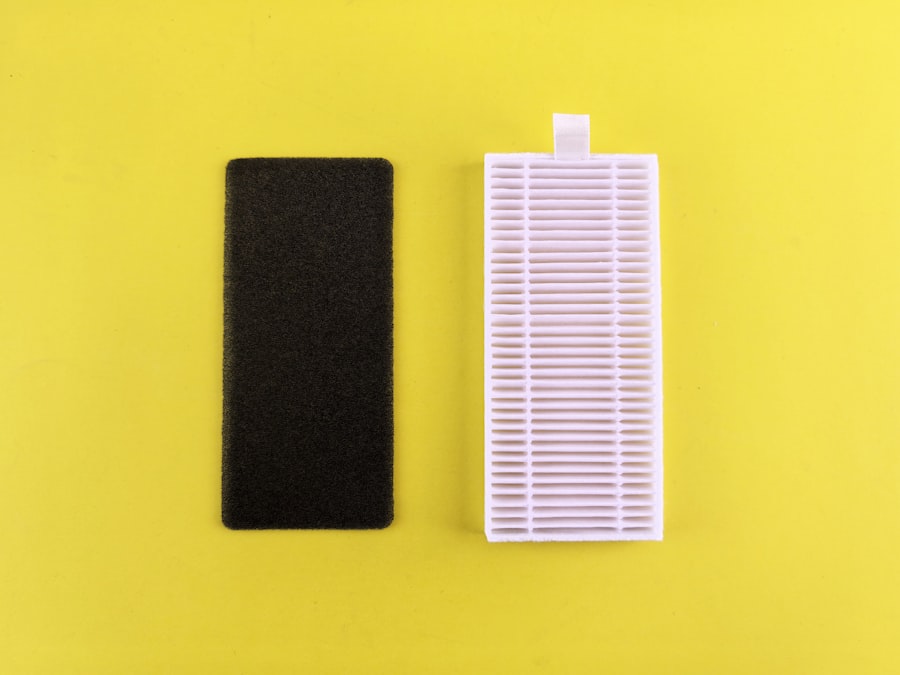
The benefits of using HEPA filters in your home extend beyond just improved air quality; they also contribute to a healthier lifestyle overall. By reducing airborne pollutants, you may experience fewer allergy symptoms and respiratory issues, leading to better sleep quality and increased energy levels during the day. This improvement in your overall well-being can enhance your productivity and enjoyment of daily activities.
Moreover, using HEPA filters can also have long-term health benefits by reducing exposure to harmful pollutants that may contribute to chronic conditions over time. For families with young children or elderly members, maintaining clean indoor air is especially crucial as their immune systems may be more vulnerable to environmental toxins. By investing in HEPA filtration systems, you’re not just improving your immediate environment; you’re also safeguarding the health of your loved ones for years to come.
Maintaining and Replacing HEPA Filters
To ensure that your HEPA filters continue to function effectively, regular maintenance and timely replacement are essential.
Neglecting this maintenance can lead to reduced efficiency and may even allow pollutants to recirculate back into your indoor air.
Cleaning or replacing your HEPA filter is a straightforward process that can be done with minimal effort. For some systems, you may simply need to remove the filter and replace it with a new one. In other cases, you might be able to vacuum or wash certain types of filters according to manufacturer instructions.
Staying on top of this maintenance will ensure that your investment in clean air continues to pay off in terms of health benefits.
HEPA Filters and Allergies: Relief for Allergy Sufferers
If you suffer from allergies, incorporating HEPA filters into your home can provide significant relief from symptoms caused by airborne allergens. Common triggers such as pollen, mold spores, and pet dander can be effectively captured by these filters, reducing their presence in your living space. As a result, you may notice fewer allergy flare-ups and an overall improvement in your quality of life.
In addition to using HEPA filters in air purifiers or HVAC systems, consider combining them with other allergy management strategies such as regular cleaning and minimizing clutter in your home. This holistic approach will further enhance your efforts to create an allergen-free environment where you can breathe easier and enjoy life without constant discomfort.
HEPA Filters and Asthma: Managing Symptoms with Clean Air
For individuals with asthma, maintaining good indoor air quality is vital for managing symptoms effectively. Asthma attacks can be triggered by various airborne irritants such as dust mites, mold spores, and smoke particles—all of which can be captured by HEPA filters. By using these filters in conjunction with other asthma management strategies prescribed by healthcare professionals, you can create a safer environment that minimizes exposure to potential triggers.
In addition to using HEPA filtration systems, consider implementing other practices such as keeping windows closed during high pollen seasons or using dehumidifiers to control moisture levels in your home. Together with HEPA filters, these measures will help you maintain cleaner air that supports better respiratory health and reduces the likelihood of asthma-related complications.
HEPA Filters in the Workplace: Improving Employee Health and Productivity
The importance of indoor air quality extends beyond the home; it is equally critical in workplace settings where employees spend a significant portion of their day. Poor indoor air quality can lead to decreased productivity, increased absenteeism due to illness, and overall dissatisfaction among employees. By implementing HEPA filtration systems in office spaces or industrial environments, employers can create healthier workspaces that promote employee well-being.
Investing in HEPA filters not only benefits employees’ health but also enhances overall workplace morale and productivity levels. When employees feel comfortable and healthy in their work environment, they are more likely to perform at their best and contribute positively to the organization’s success.
The Future of Indoor Air Quality: Innovations in HEPA Filter Technology
As awareness of indoor air quality continues to grow, so does innovation in HEPA filter technology. Researchers are exploring new materials and designs that enhance filtration efficiency while reducing energy consumption. For instance, advancements in nanotechnology may lead to even finer filtration capabilities without compromising airflow.
Additionally, smart technology integration is becoming increasingly common in air purification systems. With features like real-time monitoring of air quality levels and automated adjustments based on environmental conditions, these innovations promise to make maintaining clean indoor air easier than ever before. As you look toward the future of indoor air quality solutions, staying informed about these advancements will empower you to make choices that benefit both your health and the environment.
In conclusion, understanding the importance of indoor air quality is essential for creating a healthy living environment. By utilizing HEPA filters effectively and maintaining them properly, you can significantly improve the air you breathe at home or work while reaping numerous health benefits along the way. Whether you’re managing allergies or asthma or simply seeking cleaner air for yourself and your loved ones, investing in HEPA filtration technology is a step toward a healthier future.
HEPA filters are known for their effectiveness in reducing indoor air pollution, making them a popular choice for improving air quality in homes and offices. For more insights on how to maintain a healthy indoor environment, you can read a related article on senior health and wellness at Explore Senior Health. This resource provides valuable information on various health topics, including the importance of clean air for overall well-being.
WATCH THIS! 🫁 The Household “Fresh Scent” That Is Quietly Destroying Your Lungs and Memory
FAQs
What is a HEPA filter?
A HEPA (High Efficiency Particulate Air) filter is a type of air filter designed to trap at least 99.97% of airborne particles that are 0.3 microns in diameter. It is commonly used in air purifiers to improve indoor air quality by removing pollutants such as dust, pollen, pet dander, and smoke.
How does a HEPA filter help reduce indoor pollution?
HEPA filters capture microscopic particles from the air, including allergens, bacteria, and some viruses, thereby reducing the concentration of indoor pollutants. This helps improve air quality and can alleviate symptoms for people with allergies or respiratory conditions.
Can HEPA filters remove gases and odors?
HEPA filters are primarily designed to capture particulate matter and do not effectively remove gases, odors, or volatile organic compounds (VOCs). To address these, air purifiers often combine HEPA filters with activated carbon filters.
How often should a HEPA filter be replaced?
The replacement frequency depends on the manufacturer’s recommendations and the level of indoor pollution. Typically, HEPA filters should be replaced every 6 to 12 months to maintain optimal performance.
Are HEPA filters effective against COVID-19 and other viruses?
HEPA filters can capture airborne particles that may carry viruses, including SARS-CoV-2, the virus responsible for COVID-19. While they help reduce airborne transmission indoors, they should be used alongside other preventive measures like ventilation and mask-wearing.
Do HEPA filters produce ozone or other harmful byproducts?
True HEPA filters do not produce ozone or harmful byproducts. However, some air purifiers that combine HEPA filters with ionizers or ozone generators may produce ozone, which can be harmful to health.
Can HEPA filters improve asthma and allergy symptoms?
Yes, by removing common indoor allergens such as dust mites, pollen, and pet dander, HEPA filters can help reduce asthma and allergy symptoms for many individuals.
Is a HEPA filter necessary for every home?
While not necessary for every home, HEPA filters are beneficial in environments with high levels of indoor pollution, pets, smokers, or residents with allergies or respiratory issues. They contribute to cleaner indoor air and overall health.