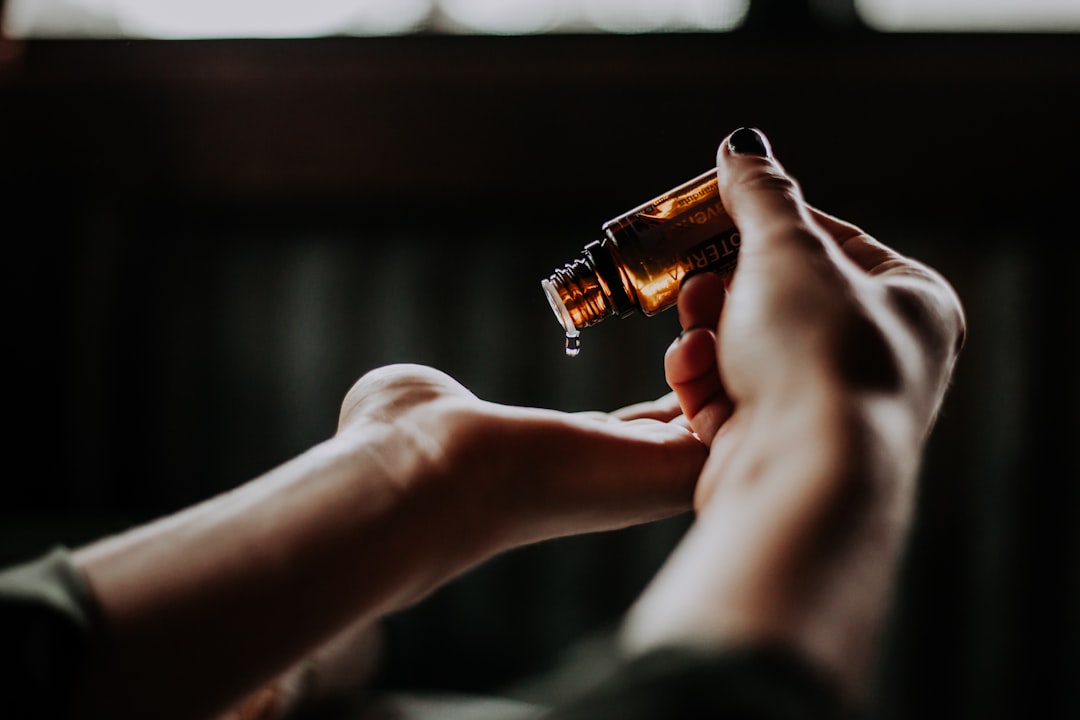
Essential oils have gained immense popularity in recent years, captivating the interest of wellness enthusiasts and casual users alike. These concentrated plant extracts are celebrated for their aromatic properties and potential therapeutic benefits. You may find yourself drawn to essential oils for various reasons, whether it’s to enhance your mood, promote relaxation, or even support your overall health.
However, while the allure of these natural substances is undeniable, it’s crucial to approach their use with a well-informed perspective. As you delve into the world of essential oils, you might discover that they are not just simple fragrances; they are complex compounds that can have profound effects on your body and mind. From lavender to eucalyptus, each oil carries its unique profile of benefits and potential risks.
Understanding how these oils interact with your body, particularly your respiratory system, is essential for safe and effective use. This article aims to provide you with a comprehensive overview of essential oils, focusing on their impact on lung health and the precautions you should take to ensure a positive experience.
Key Takeaways
- Essential oils can cause lung irritation if used improperly or in sensitive individuals.
- Certain oils, like eucalyptus and peppermint, are more likely to affect the respiratory system negatively.
- Safe usage includes proper dilution, avoiding direct inhalation of strong vapors, and using diffusers correctly.
- Recognizing symptoms such as coughing, wheezing, or shortness of breath is crucial for early intervention.
- Alternatives and careful selection of oils can promote respiratory health without risking irritation.
Understanding Lung Irritation
Lung irritation can manifest in various ways, often leading to discomfort and distress. You may experience symptoms such as coughing, wheezing, or shortness of breath when your lungs are irritated. This irritation can stem from numerous sources, including environmental pollutants, allergens, and even certain substances you might use in your home.
It’s important to recognize that your respiratory system is sensitive and can react adversely to various stimuli, including some essential oils. When you inhale substances that irritate your lungs, your body responds by triggering inflammation and other protective mechanisms. This response can lead to a range of symptoms that may vary in severity depending on individual sensitivity and the concentration of the irritant.
Understanding the factors that contribute to lung irritation is vital for anyone considering the use of essential oils, as it allows you to make informed choices about which oils to use and how to use them safely.
Common Essential Oils Known to Cause Lung Irritation
While many essential oils are celebrated for their therapeutic properties, some are known to cause lung irritation, especially when used improperly. Oils such as eucalyptus, peppermint, and tea tree oil are popular for their invigorating scents and purported health benefits. However, these oils can also be potent irritants for some individuals, particularly those with pre-existing respiratory conditions or sensitivities.
You may find that certain essential oils trigger adverse reactions in your respiratory system. For instance, eucalyptus oil, while often used to relieve congestion, can cause irritation in sensitive individuals if inhaled in high concentrations. Similarly, peppermint oil’s strong menthol scent can be overwhelming and may lead to coughing or difficulty breathing for some users.
Being aware of these potential irritants is crucial for maintaining your lung health while enjoying the benefits of aromatherapy.
How Essential Oils Can Affect the Respiratory System
The respiratory system is designed to filter and process the air you breathe, but it can be vulnerable to various irritants, including essential oils. When you inhale essential oils, their tiny molecules enter your lungs and can interact with the delicate tissues lining your airways. Depending on the oil’s chemical composition and your individual sensitivity, this interaction can either promote wellness or lead to irritation.
Essential oils can have both stimulating and calming effects on the respiratory system. For example, some oils may help open up airways and promote easier breathing, while others might cause inflammation or exacerbate existing conditions like asthma or bronchitis. It’s essential to understand how different oils affect your body so that you can choose those that align with your health goals without compromising your respiratory well-being.
Precautions for Using Essential Oils
| Essential Oil | Common Irritants | Reported Symptoms | Concentration Threshold (%) | Recommended Usage | Notes |
|---|---|---|---|---|---|
| Eucalyptus Oil | 1,8-Cineole | Coughing, throat irritation, shortness of breath | 1-3% | Use diluted; avoid direct inhalation in sensitive individuals | High cineole content can cause bronchospasm in asthmatics |
| Peppermint Oil | Menthol | Throat burning, coughing, wheezing | 0.5-2% | Use in well-ventilated areas; dilute before inhalation | Menthol can cause reflex bronchoconstriction in some |
| Tea Tree Oil | Terpinen-4-ol | Throat irritation, coughing | 1-5% | Use diluted; avoid prolonged inhalation | May cause irritation in sensitive respiratory tracts |
| Lavender Oil | Linalool, Linalyl acetate | Mild throat irritation | 1-5% | Generally safe; dilute for inhalation | Low risk of lung irritation |
| Cinnamon Bark Oil | Cinnamaldehyde | Severe throat and lung irritation, coughing | <0.5% | Use with extreme caution; dilute heavily | Highly irritating; avoid direct inhalation |
When incorporating essential oils into your routine, taking precautions is paramount to ensure a safe experience. You should always start with a patch test before using a new oil extensively. This involves applying a small amount of diluted oil to a discreet area of skin to check for any adverse reactions.
If you notice any irritation or discomfort, it’s best to avoid using that particular oil. Additionally, consider the method of application when using essential oils. Inhalation is a common practice, but it’s important to ensure proper ventilation in your space.
Understanding the appropriate dilution ratios and methods of application will help you enjoy the benefits of essential oils while minimizing the risk of lung irritation.
Safe Methods for Using Essential Oils

To maximize the benefits of essential oils while minimizing risks, consider adopting safe methods of use. One effective approach is to dilute essential oils with a carrier oil before applying them topically. Carrier oils such as coconut oil or jojoba oil can help reduce the potency of essential oils and make them safer for skin application.
Another method is using a diffuser designed for essential oils. Diffusers disperse the oil into the air in a controlled manner, allowing you to enjoy the aroma without overwhelming your lungs with concentrated vapors. You might also explore alternatives like steam inhalation or adding a few drops of essential oil to a warm bath for a soothing experience without direct exposure to high concentrations.
Signs and Symptoms of Lung Irritation from Essential Oils
Being aware of the signs and symptoms of lung irritation is crucial for anyone using essential oils. If you notice persistent coughing, wheezing, or difficulty breathing after using an essential oil, it may be an indication that your lungs are reacting negatively. Other symptoms could include chest tightness or an increase in mucus production.
If you experience any of these symptoms, it’s important not to ignore them. Your body is signaling that something isn’t right, and taking immediate action can prevent further complications. Discontinuing use of the offending oil and seeking fresh air can help alleviate symptoms while you assess the situation.
Seeking Medical Attention for Lung Irritation
In some cases, lung irritation from essential oils may require medical attention. If symptoms persist or worsen despite discontinuing use of the oil, it’s advisable to consult a healthcare professional. They can provide guidance on managing your symptoms and may recommend treatments or interventions tailored to your specific needs.
You should also seek medical help if you have pre-existing respiratory conditions such as asthma or chronic obstructive pulmonary disease (COPD) and experience increased symptoms after using essential oils. Your healthcare provider can help you navigate the complexities of aromatherapy while ensuring your respiratory health remains a priority.
Alternative Options for Aromatherapy and Respiratory Health
If you find that certain essential oils irritate your lungs or if you prefer to explore alternatives, there are various options available for promoting respiratory health without compromising comfort. Herbal teas infused with ingredients like ginger or chamomile can provide soothing effects without the risks associated with inhaling concentrated oils. You might also consider using natural remedies such as saline nasal sprays or steam inhalation with plain water or herbal infusions.
These methods can help clear congestion and promote easier breathing without introducing potential irritants into your system.
Tips for Choosing Safe Essential Oils
When selecting essential oils for personal use, it’s important to choose high-quality products from reputable sources. Look for oils that are labeled as 100% pure and free from synthetic additives or fillers. Researching brands and reading customer reviews can help you make informed decisions about which products are safe for your respiratory health.
Additionally, consider starting with milder oils known for their gentle properties, such as lavender or chamomile. These oils are less likely to cause irritation compared to more potent varieties like eucalyptus or peppermint. By gradually introducing new oils into your routine and paying attention to how your body responds, you can enjoy the benefits of aromatherapy while prioritizing your lung health.
Using Essential Oils Responsibly for Lung Health
In conclusion, while essential oils offer a myriad of benefits for wellness and relaxation, it’s crucial to approach their use with caution—especially concerning lung health.
As you explore the world of essential oils, remember that knowledge is power.
By being aware of potential irritants, recognizing signs of lung irritation, and choosing safe methods for use, you can create a harmonious balance between enjoying aromatherapy and maintaining optimal lung health. Ultimately, responsible use will allow you to harness the full potential of essential oils while safeguarding your respiratory system against unnecessary risks.
Essential oils are often praised for their therapeutic benefits, but they can also cause lung irritation in some individuals, particularly those with pre-existing respiratory conditions. For more information on this topic and to explore the potential risks associated with essential oils, you can read the article on senior health at Explore Senior Health.
WATCH THIS! 🫁 The Household “Fresh Scent” That Is Quietly Destroying Your Lungs and Memory
FAQs
What are essential oils?
Essential oils are concentrated extracts derived from plants, capturing their scent and beneficial properties. They are commonly used in aromatherapy, personal care products, and natural remedies.
Can essential oils cause lung irritation?
Yes, inhaling certain essential oils can cause lung irritation, especially in sensitive individuals or when used in high concentrations. Symptoms may include coughing, wheezing, shortness of breath, or throat discomfort.
Which essential oils are most likely to cause lung irritation?
Oils such as eucalyptus, peppermint, tea tree, and cinnamon are known to be more irritating to the respiratory system, particularly when used undiluted or in large amounts.
Who is at higher risk of lung irritation from essential oils?
People with asthma, chronic respiratory conditions, allergies, children, the elderly, and those with sensitive airways are more susceptible to lung irritation from essential oils.
How can I safely use essential oils to avoid lung irritation?
Use essential oils in well-ventilated areas, dilute them properly before use, avoid direct inhalation of undiluted oils, and limit exposure time. It is also advisable to consult a healthcare professional if you have respiratory issues.
Are there alternatives to inhaling essential oils for therapeutic benefits?
Yes, alternatives include topical application with proper dilution, using diffusers with low concentrations, or consuming products containing essential oils under professional guidance.
What should I do if I experience lung irritation after using essential oils?
Stop using the essential oil immediately, move to fresh air, and seek medical attention if symptoms persist or worsen, especially if you experience difficulty breathing.
Can essential oils cause long-term lung damage?
There is limited evidence on long-term lung damage from essential oils, but repeated or prolonged exposure to high concentrations may increase the risk of respiratory issues. It is important to use them responsibly.
Is it safe to use essential oils around children and pets?
Caution is advised when using essential oils around children and pets, as they can be more sensitive to the effects. Always research specific oils and consult professionals before use.