
Fragrance masking chemicals play a significant role in the world of consumer products, particularly in personal care and household items. These chemicals are designed to obscure or neutralize unpleasant odors, allowing manufacturers to create products that are more appealing to consumers. You may have encountered these substances in everything from shampoos and lotions to cleaning supplies and air fresheners.
While they serve a practical purpose, the implications of their use extend beyond mere scent enhancement, raising questions about health, safety, and environmental impact. As you navigate the aisles of your local store, it’s essential to understand what fragrance masking chemicals are and how they function. These compounds can be synthetic or derived from natural sources, and they often work by overpowering undesirable smells with more pleasant fragrances.
However, the complexity of these chemicals can make it challenging for consumers to discern their safety and potential risks. In this article, you will explore the various aspects of fragrance masking chemicals, including their common types, associated health risks, regulatory frameworks, and alternatives that promote transparency and safety.
Key Takeaways
- Fragrance masking chemicals are commonly used to cover unpleasant odors in personal care and household products.
- These chemicals can pose health risks, including allergies and respiratory issues.
- Regulations and labeling requirements for fragrance masking chemicals vary, often lacking transparency.
- Environmental concerns arise from the persistence and toxicity of some fragrance masking chemicals.
- Safer alternatives and increased consumer awareness are key to reducing reliance on harmful fragrance masking agents.
Common Chemicals Used in Fragrance Masking
When you delve into the world of fragrance masking chemicals, you will encounter a variety of compounds commonly used in the formulation of personal care and household products. Some of the most prevalent chemicals include phthalates, synthetic musks, and benzyl acetate. Phthalates are often used to enhance the longevity of fragrances, ensuring that the pleasant scent lingers longer on your skin or in your home.
Synthetic musks, on the other hand, are designed to mimic natural musk scents and are frequently found in perfumes and scented lotions. Another common chemical is benzyl acetate, which is known for its sweet, floral aroma. This compound is often used in products like shampoos and conditioners to mask any unpleasant odors that may arise from other ingredients.
While these chemicals can create a more enjoyable sensory experience, it’s crucial to recognize that their widespread use raises concerns about potential health effects. As you consider the products you use daily, being aware of these common fragrance masking chemicals can empower you to make informed choices.
Health Risks Associated with Fragrance Masking Chemicals
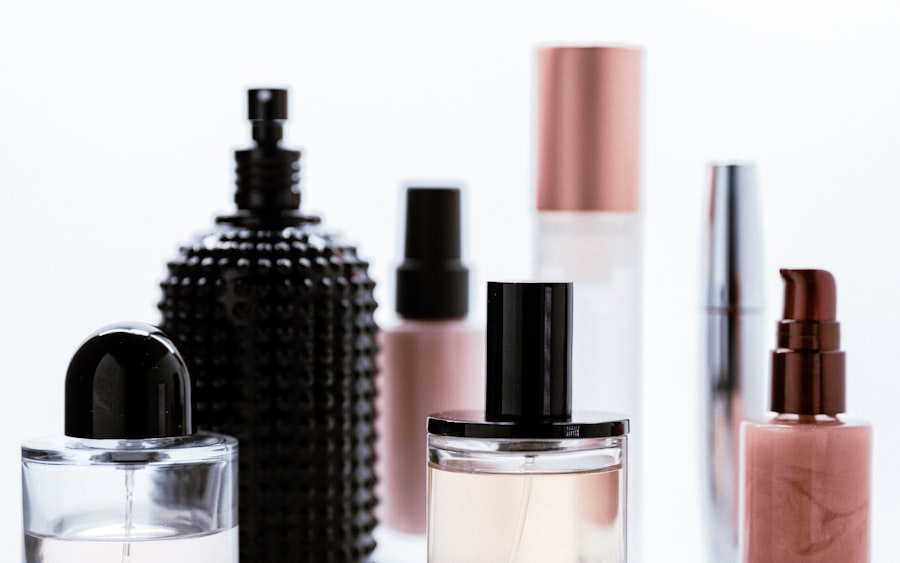
The health risks associated with fragrance masking chemicals are a growing concern among consumers and health professionals alike. Many of these compounds have been linked to various adverse effects, including skin irritation, respiratory issues, and even hormonal disruptions. For instance, phthalates have been scrutinized for their potential endocrine-disrupting properties, which can interfere with hormone regulation in both men and women.
As you apply lotions or sprays containing these chemicals, you may unknowingly expose yourself to substances that could impact your health over time. Moreover, individuals with sensitivities or allergies may experience heightened reactions to fragrance masking chemicals. Symptoms can range from mild irritations to severe allergic responses, making it essential for you to be vigilant about the products you choose.
The cumulative exposure to these chemicals through various personal care items can lead to increased health risks, prompting many consumers to seek out safer alternatives. Understanding these potential health implications is crucial as you strive to make choices that prioritize your well-being.
Regulations and Labeling of Fragrance Masking Chemicals
The regulation and labeling of fragrance masking chemicals vary significantly across different regions and countries. In many cases, manufacturers are not required to disclose specific ingredients used in their fragrance formulations due to trade secret protections. This lack of transparency can leave you feeling uncertain about what you are applying to your skin or using in your home.
While some regulatory bodies have established guidelines for certain chemicals, the overall landscape remains fragmented. In the European Union, for example, regulations such as REACH (Registration, Evaluation, Authorisation and Restriction of Chemicals) aim to ensure that chemical substances are assessed for safety before being marketed. However, even with these regulations in place, many fragrance masking chemicals still evade scrutiny due to their classification as proprietary blends.
As a consumer, it is essential to advocate for clearer labeling practices that provide you with the information needed to make informed decisions about the products you use.
Environmental Impact of Fragrance Masking Chemicals
| Chemical Name | Common Use | Effectiveness in Masking Odors | Typical Concentration (%) | Safety Profile | Notes |
|---|---|---|---|---|---|
| Linalool | Floral scent enhancer and masking agent | Moderate | 0.1 – 1.0 | Generally recognized as safe (GRAS) | Common in perfumes and cleaning products |
| Ethyl Maltol | Sweet, caramel-like masking agent | High | 0.05 – 0.5 | Low toxicity | Used to mask burnt or chemical odors |
| Vanillin | Sweet vanilla scent and masking agent | High | 0.1 – 1.0 | Generally safe in low concentrations | Effective in masking harsh chemical smells |
| Iso E Super | Woody, ambergris-like scent and masking | Moderate to High | 0.05 – 0.3 | Low irritation potential | Popular in fine fragrances for masking |
| Coumarin | Sweet, hay-like masking agent | Moderate | 0.01 – 0.1 | Restricted in some countries due to toxicity | Used cautiously in masking formulations |
| Citral | Citrus scent and masking agent | Moderate | 0.05 – 0.5 | Potential allergen | Effective in masking musty odors |
The environmental impact of fragrance masking chemicals is another critical aspect worth considering. Many of these compounds are not biodegradable and can persist in the environment long after they have been used. When you wash products containing these chemicals down the drain, they can enter waterways and disrupt aquatic ecosystems.
This contamination poses risks not only to marine life but also to human health as these substances can accumulate in the food chain. Additionally, the production of synthetic fragrance masking chemicals often involves processes that contribute to pollution and resource depletion. The extraction of raw materials and the energy-intensive manufacturing processes can lead to significant carbon emissions and environmental degradation.
As you become more aware of these issues, you may feel compelled to seek out eco-friendly alternatives that minimize your ecological footprint while still providing effective odor masking solutions.
Alternatives to Fragrance Masking Chemicals
Fortunately, there are several alternatives to traditional fragrance masking chemicals that prioritize safety and environmental sustainability. Natural essential oils have gained popularity as a safer option for adding pleasant scents without the harmful side effects associated with synthetic fragrances. These oils are derived from plants and can provide a range of aromas while also offering potential therapeutic benefits.
Another alternative is the use of odor-neutralizing agents such as baking soda or activated charcoal.
As you explore personal care and household products, consider seeking out those that utilize these natural alternatives.
The Role of Fragrance Masking Chemicals in Personal Care Products
In personal care products, fragrance masking chemicals serve a dual purpose: enhancing user experience while concealing undesirable odors from raw ingredients. You may appreciate the pleasant scent of your favorite shampoo or body wash; however, it’s essential to recognize that this sensory pleasure often comes at a cost. The presence of fragrance masking chemicals can sometimes overshadow the benefits of natural ingredients that promote skin health.
Moreover, many consumers are becoming increasingly aware of the importance of ingredient transparency in personal care products. As you seek out items that align with your values regarding health and sustainability, consider opting for brands that prioritize natural fragrances or provide clear ingredient lists. By supporting companies that prioritize transparency and safety, you contribute to a growing demand for cleaner beauty products.
Fragrance Masking Chemicals in Household Products
Fragrance masking chemicals are not limited to personal care items; they also play a significant role in household products such as cleaners, air fresheners, and laundry detergents. You may find yourself drawn to products that promise a fresh scent or a clean home environment; however, it’s crucial to be aware of the potential hidden dangers lurking within these seemingly innocuous items. Many household cleaners contain strong fragrance masking agents designed to overpower chemical odors from active ingredients.
As you consider your cleaning routine, think about how fragrance masking chemicals may impact your indoor air quality and overall health. Opting for unscented or naturally scented cleaning products can help reduce your exposure to potentially harmful substances while still maintaining a clean living space. By making informed choices about household products, you can create a healthier environment for yourself and your family.
The Connection Between Fragrance Masking Chemicals and Allergies
The connection between fragrance masking chemicals and allergies is an area of growing concern among consumers. Many individuals experience allergic reactions or sensitivities triggered by synthetic fragrances found in various products. Symptoms can include headaches, skin rashes, respiratory issues, and more severe reactions in some cases.
If you have experienced any adverse effects after using scented products, it may be worth investigating whether fragrance masking chemicals are contributing factors. As awareness of these issues increases, many consumers are advocating for fragrance-free options in personal care and household products. You may find that opting for unscented or naturally scented alternatives not only alleviates allergy symptoms but also promotes overall well-being.
By prioritizing products that minimize exposure to potentially harmful fragrance masking chemicals, you can take proactive steps toward better health.
How to Identify and Avoid Fragrance Masking Chemicals
Identifying and avoiding fragrance masking chemicals requires vigilance on your part as a consumer. One effective strategy is to read product labels carefully before making a purchase. Look for terms like “fragrance,” “parfum,” or “aroma,” which often indicate the presence of synthetic fragrances or masking agents.
Additionally, familiarize yourself with common chemical names associated with fragrance masking so that you can make informed choices. Another approach is to seek out brands that prioritize transparency in their ingredient lists. Many companies now offer fragrance-free or naturally scented options that cater to consumers looking for safer alternatives.
By supporting brands committed to ingredient integrity and safety, you contribute to a market shift towards greater accountability in product formulation.
Moving Towards Transparency in Fragrance Masking Chemicals
As you reflect on the information presented about fragrance masking chemicals, it becomes clear that transparency is essential for informed consumer choices. The potential health risks associated with these substances underscore the importance of advocating for clearer labeling practices and safer alternatives in both personal care and household products. By prioritizing transparency in ingredient disclosure, manufacturers can empower consumers like yourself to make choices aligned with your values regarding health and sustainability.
In conclusion, as awareness grows around the implications of fragrance masking chemicals, there is an opportunity for change within the industry. By choosing products that prioritize safety and environmental responsibility while advocating for clearer labeling practices, you can play an active role in promoting a healthier future for yourself and generations to come. Embracing transparency not only benefits individual consumers but also fosters a culture of accountability within the beauty and household product industries.
Fragrance masking chemicals are often used in various products to disguise unpleasant odors, but their potential health impacts are a growing concern. For more information on the effects of these chemicals and their prevalence in everyday items, you can read a related article on senior health at Explore Senior Health. This resource provides valuable insights into how these substances may affect older adults and offers guidance on safer alternatives.
WATCH THIS! 🫁 The Household “Fresh Scent” That Is Quietly Destroying Your Lungs and Memory
FAQs
What are fragrance masking chemicals?
Fragrance masking chemicals are substances added to products to cover up or neutralize unpleasant odors. They do not eliminate the source of the odor but instead mask it with a more pleasant scent or reduce its detectability.
Where are fragrance masking chemicals commonly used?
These chemicals are commonly used in household cleaning products, air fresheners, personal care items like deodorants and shampoos, and industrial applications to improve the overall scent experience.
How do fragrance masking chemicals work?
Fragrance masking chemicals work by either overpowering the unpleasant odor with a stronger, more pleasant scent or by chemically interacting with odor molecules to reduce their volatility and detectability.
Are fragrance masking chemicals safe?
Many fragrance masking chemicals are considered safe when used as directed, but some individuals may experience allergic reactions or sensitivities. Regulatory agencies evaluate their safety, but it is important to use products containing these chemicals according to guidelines.
Can fragrance masking chemicals eliminate odors completely?
No, fragrance masking chemicals do not eliminate odors; they only cover or reduce the perception of unpleasant smells. For complete odor removal, cleaning or neutralizing the odor source is necessary.
What are some common examples of fragrance masking chemicals?
Common examples include cyclodextrins, activated charcoal, and certain synthetic compounds like odor neutralizers and fixatives used in perfumery and cleaning products.
Do fragrance masking chemicals have environmental impacts?
Some fragrance masking chemicals can have environmental impacts, especially if they are synthetic and not biodegradable. It is important to consider eco-friendly alternatives and proper disposal methods.
How can consumers identify products with fragrance masking chemicals?
Consumers can check product ingredient labels for terms like “fragrance,” “masking agents,” or specific chemical names. However, exact formulations are often proprietary, so detailed information may not always be available.