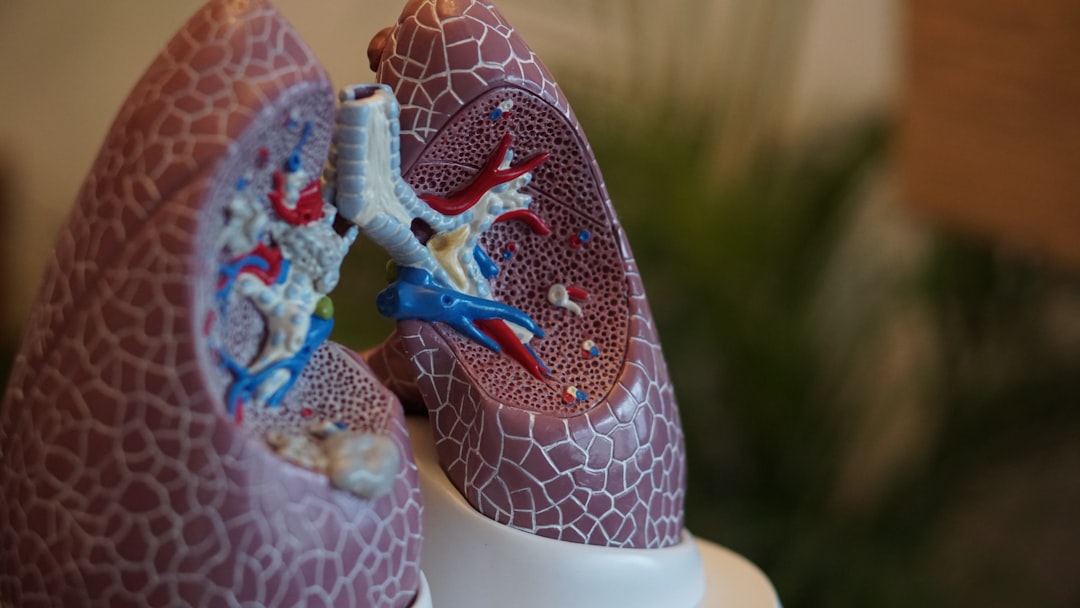
As you age, the importance of maintaining optimal lung function becomes increasingly evident. Your lungs play a crucial role in your overall health, providing oxygen to your body and removing carbon dioxide. This process is vital for sustaining energy levels and supporting bodily functions.
As you grow older, however, lung capacity and efficiency can decline due to various factors, including natural aging processes, environmental exposures, and lifestyle choices. Understanding the significance of lung health in your senior years can empower you to take proactive steps to preserve and enhance your respiratory function. Maintaining good lung function is not just about breathing; it’s about ensuring that your body receives the oxygen it needs to thrive.
Poor lung health can lead to a cascade of issues, including decreased stamina, increased fatigue, and a higher risk of respiratory infections. By prioritizing your lung health, you can improve your quality of life, enhance your physical capabilities, and reduce the likelihood of developing chronic respiratory diseases. Recognizing the importance of your lungs is the first step toward taking charge of your health as you age.
Key Takeaways
- Maintaining lung function is crucial for seniors to ensure overall health and quality of life.
- Common respiratory issues in seniors include chronic conditions that require careful management.
- Lifestyle changes, such as quitting smoking and improving diet, can significantly enhance lung health.
- Regular physical activity and breathing exercises help strengthen lung capacity and function.
- Routine medical check-ups and timely interventions are essential for managing and supporting senior lung health.
Common Respiratory Issues in Seniors
As you enter your senior years, you may find that certain respiratory issues become more prevalent.
These ailments can significantly impact your daily life, making it difficult to engage in activities you once enjoyed.
Understanding these issues is essential for recognizing symptoms early and seeking appropriate treatment. COPD, for instance, is a progressive disease that can lead to breathing difficulties and reduced lung function over time. Symptoms often include chronic cough, wheezing, and shortness of breath, particularly during physical exertion.
Asthma can also affect seniors, sometimes presenting differently than in younger individuals. You may experience increased sensitivity to allergens or irritants, leading to exacerbated symptoms. Additionally, pneumonia poses a serious risk for older adults due to weakened immune systems and reduced lung capacity.
Lifestyle Changes to Improve Lung Function
Making lifestyle changes can have a profound impact on your lung function as you age. One of the most significant adjustments you can make is to quit smoking if you currently smoke. Smoking is one of the leading causes of lung disease and can exacerbate existing conditions.
By eliminating tobacco from your life, you can improve your lung health and reduce the risk of developing serious respiratory issues. In addition to quitting smoking, incorporating regular physical activity into your routine can greatly benefit your lungs. Engaging in exercises that promote cardiovascular health—such as walking, swimming, or cycling—can enhance lung capacity and efficiency.
Even simple activities like gardening or taking leisurely strolls can contribute positively to your respiratory health. Furthermore, maintaining a healthy weight through balanced nutrition can alleviate pressure on your lungs and improve overall function.
Breathing Exercises for Seniors
Breathing exercises are an excellent way for you to enhance lung function and promote relaxation. These exercises can help strengthen the muscles involved in breathing and increase lung capacity over time. One effective technique is diaphragmatic breathing, which encourages deeper breaths by engaging the diaphragm rather than shallow chest breathing.
To practice this exercise, find a comfortable position—either sitting or lying down—and place one hand on your chest and the other on your abdomen. Inhale deeply through your nose, allowing your abdomen to rise while keeping your chest relatively still. Exhale slowly through pursed lips, feeling your abdomen fall.
Repeating this exercise several times a day can significantly improve your lung function. Another beneficial practice is pursed-lip breathing, which helps control your breath and improve oxygen exchange. To perform this exercise, inhale slowly through your nose for two counts, then purse your lips as if you were going to whistle.
Exhale gently through your pursed lips for four counts. This technique not only helps you take deeper breaths but also slows down your breathing rate, making it easier for you to manage shortness of breath during physical activities.
The Role of Diet in Lung Health for Seniors
| Metric | Description | Normal Range for Seniors | Significance |
|---|---|---|---|
| Forced Expiratory Volume in 1 Second (FEV1) | Volume of air exhaled in the first second of a forced breath | Approximately 70-80% of predicted value based on age, sex, height | Measures airway obstruction; lower values indicate reduced lung function |
| Forced Vital Capacity (FVC) | Total volume of air exhaled during a forced breath | Approximately 80-90% of predicted value | Assesses lung capacity; decreased values may indicate restrictive lung disease |
| FEV1/FVC Ratio | Ratio of FEV1 to FVC expressed as a percentage | Typically ≥ 70% | Helps differentiate obstructive vs restrictive lung disease |
| Peak Expiratory Flow (PEF) | Maximum speed of expiration | Varies by individual; generally decreases with age | Used to monitor airway obstruction and lung function over time |
| Oxygen Saturation (SpO2) | Percentage of oxygen-saturated hemoglobin in the blood | 95-100% | Indicates oxygenation status; values below 90% may require intervention |
| Respiratory Rate | Number of breaths per minute | 12-20 breaths per minute | Elevated rates may indicate respiratory distress or disease |
Your diet plays a crucial role in maintaining healthy lung function as you age. Consuming a balanced diet rich in fruits, vegetables, whole grains, lean proteins, and healthy fats can provide essential nutrients that support respiratory health. Antioxidants found in colorful fruits and vegetables—such as berries, spinach, and carrots—can help combat oxidative stress in the lungs and reduce inflammation.
Incorporating omega-3 fatty acids into your diet is also beneficial for lung health. Foods like fatty fish (salmon, mackerel), walnuts, and flaxseeds are excellent sources of these healthy fats. Omega-3s have been shown to have anti-inflammatory properties that may help alleviate symptoms associated with chronic respiratory conditions.
Staying hydrated is equally important; drinking plenty of water helps keep mucus membranes moist and supports overall lung function.
Managing Chronic Respiratory Conditions in Seniors
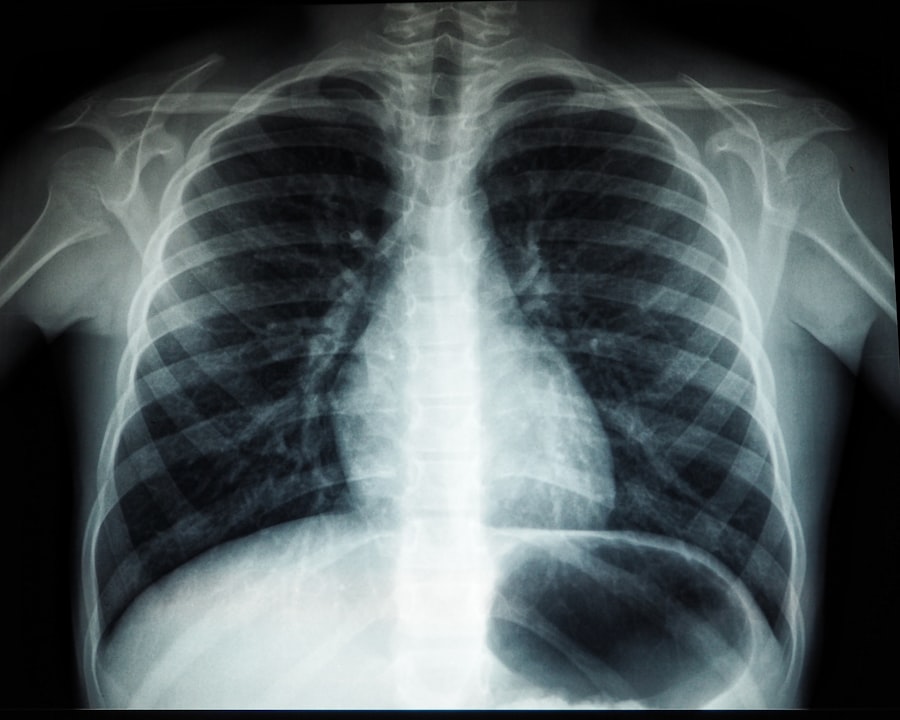
If you have been diagnosed with a chronic respiratory condition, managing it effectively is vital for maintaining good lung health. Regular communication with your healthcare provider is essential for monitoring your condition and adjusting treatment plans as necessary. You may need medications such as bronchodilators or corticosteroids to help manage symptoms and improve lung function.
In addition to medication management, developing a personalized action plan can empower you to take control of your respiratory health. This plan may include recognizing early signs of exacerbation, knowing when to seek medical help, and incorporating lifestyle changes that support lung health. Keeping track of your symptoms and any triggers can also provide valuable information for both you and your healthcare provider.
Benefits of Regular Physical Activity for Senior Lung Function
Engaging in regular physical activity offers numerous benefits for your lung function as a senior. Exercise helps improve circulation and increases oxygen delivery throughout the body, which is essential for maintaining healthy lungs. Activities that elevate your heart rate—such as brisk walking or dancing—can enhance lung capacity over time.
Moreover, physical activity strengthens the muscles involved in respiration, making it easier for you to breathe deeply and efficiently. It also promotes overall cardiovascular health, which is closely linked to lung function. As you incorporate more movement into your daily routine, you may notice improvements in endurance and a reduction in feelings of breathlessness during everyday activities.
Avoiding Environmental Factors that Can Harm Senior Lung Function
Being mindful of environmental factors that can negatively impact your lung health is crucial as you age. Air pollution, allergens, and secondhand smoke are common culprits that can exacerbate respiratory issues. If possible, limit exposure to outdoor pollutants by staying indoors on days with poor air quality or during high pollen seasons.
Creating a clean indoor environment is equally important for protecting your lungs. Ensure proper ventilation in your home and consider using air purifiers to reduce allergens such as dust mites and pet dander. Additionally, avoid using harsh chemicals or strong fragrances that can irritate your airways.
By taking these precautions, you can create a healthier living space that supports optimal lung function.
Seeking Medical Intervention for Senior Lung Health
If you experience persistent respiratory symptoms or notice changes in your breathing patterns, seeking medical intervention is essential. Early detection and treatment of respiratory issues can prevent complications and improve outcomes significantly. Your healthcare provider may recommend diagnostic tests such as pulmonary function tests or imaging studies to assess your lung health accurately.
In some cases, referral to a specialist such as a pulmonologist may be necessary for more comprehensive evaluation and management of chronic conditions like COPD or asthma. Don’t hesitate to discuss any concerns with your healthcare team; they are there to support you in maintaining optimal lung health throughout your senior years.
Supportive Therapies for Senior Lung Function
In addition to traditional medical treatments, various supportive therapies can enhance lung function for seniors. Pulmonary rehabilitation programs are designed specifically for individuals with chronic respiratory conditions and typically include exercise training, education on managing symptoms, and nutritional counseling. Complementary therapies such as yoga or tai chi can also be beneficial for improving lung capacity and promoting relaxation.
These practices often incorporate breathing techniques that enhance oxygen intake while reducing stress levels—an important aspect of overall well-being as you age.
The Importance of Regular Check-ups for Senior Lung Health
Regular check-ups with your healthcare provider are vital for monitoring lung health as you age. These appointments allow for ongoing assessment of any existing conditions and provide an opportunity to discuss new symptoms or concerns that may arise over time. Your provider can help tailor a management plan that addresses your specific needs while ensuring that any changes in lung function are promptly addressed.
By prioritizing regular check-ups, you empower yourself to take an active role in maintaining your respiratory health. These visits not only facilitate early detection of potential issues but also reinforce the importance of lifestyle choices that support optimal lung function throughout your senior years. Taking charge of your health today will pave the way for a healthier tomorrow.
Maintaining optimal lung function is crucial for seniors, as it directly impacts their overall health and quality of life. For more insights on how to support lung health in older adults, you can read a related article on senior health at Explore Senior Health. This resource provides valuable information on exercises, lifestyle changes, and medical considerations that can help enhance respiratory function in seniors.
WATCH THIS! 🫁 The Household “Fresh Scent” That Is Quietly Destroying Your Lungs and Memory
FAQs
What is lung function and why is it important for seniors?
Lung function refers to how well the lungs work to take in oxygen and remove carbon dioxide from the body. For seniors, maintaining good lung function is crucial because it supports overall health, physical activity, and quality of life.
How does aging affect lung function?
As people age, lung tissue and muscles involved in breathing naturally lose some elasticity and strength. This can lead to decreased lung capacity and efficiency, making it harder to breathe deeply and clear the lungs effectively.
What are common lung health issues faced by seniors?
Seniors are more prone to respiratory conditions such as chronic obstructive pulmonary disease (COPD), asthma, pneumonia, and pulmonary fibrosis. These conditions can impair lung function and require medical management.
How can seniors maintain or improve their lung function?
Regular physical activity, avoiding smoking, managing chronic conditions, getting vaccinated against respiratory infections, and practicing breathing exercises can help maintain or improve lung function in seniors.
When should a senior see a doctor about lung function?
If a senior experiences persistent shortness of breath, chronic cough, wheezing, chest pain, or frequent respiratory infections, they should consult a healthcare provider for evaluation and possible lung function testing.
What tests are used to assess lung function in seniors?
Common tests include spirometry, which measures the amount and speed of air a person can exhale, and pulse oximetry, which checks oxygen levels in the blood. More detailed tests may be done depending on symptoms.
Can lifestyle changes impact lung health in older adults?
Yes, quitting smoking, avoiding air pollutants, maintaining a healthy diet, staying hydrated, and engaging in regular exercise can positively impact lung health and overall respiratory function in seniors.
Are there specific exercises that benefit lung function in seniors?
Breathing exercises such as diaphragmatic breathing and pursed-lip breathing, as well as aerobic activities like walking or swimming, can help improve lung capacity and efficiency in older adults.
How do chronic diseases affect lung function in seniors?
Chronic diseases like heart failure, diabetes, and obesity can indirectly impair lung function by reducing physical activity, causing inflammation, or affecting the respiratory muscles, making lung health management important in these conditions.
Is lung function testing safe for seniors?
Yes, lung function tests are generally safe, non-invasive, and well-tolerated by seniors. They provide valuable information to help diagnose and manage respiratory conditions effectively.