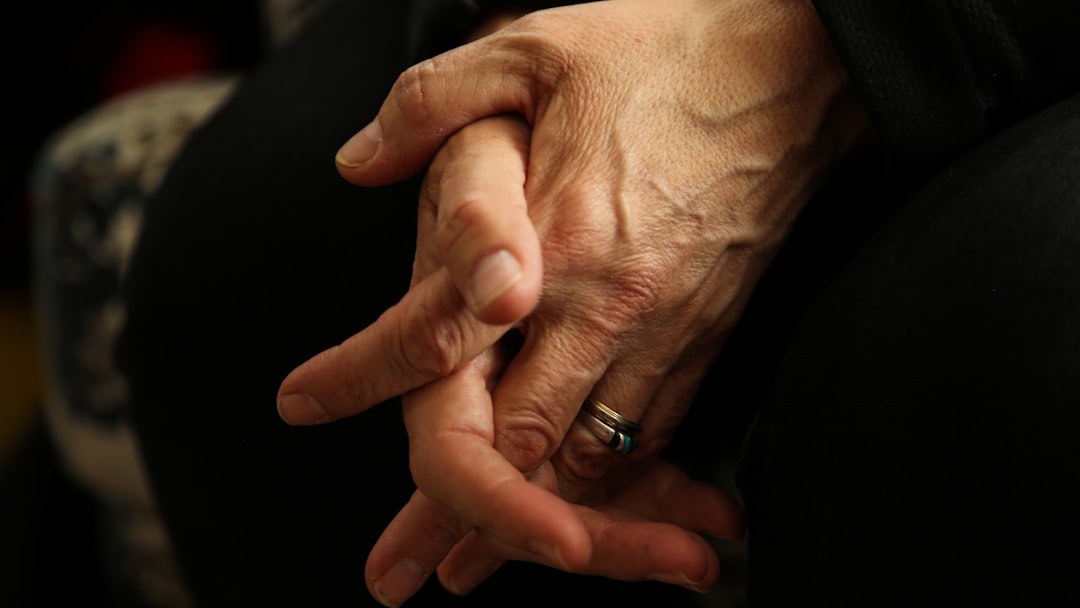
Aging presents distinct challenges that require specialized understanding and care approaches. Seniors commonly experience physical limitations, chronic health conditions, and social isolation. These factors significantly impact their daily functioning and overall well-being.
Many older adults need assistance with activities of daily living, access to age-appropriate healthcare services, and emotional support systems. Effective senior care requires recognition of these multifaceted needs. The psychological dimensions of aging present additional considerations for care providers.
Research indicates that loneliness and depression occur frequently among older adults, often worsening existing physical health problems. Social engagement and community participation have been shown to improve quality of life outcomes for seniors.
Key Takeaways
- Seniors have unique pain management needs that require personalized approaches.
- Non-pharmacological methods, including physical therapy and mind-body techniques, play a crucial role in pain relief.
- Proper medication management is essential to avoid side effects and interactions in older adults.
- Integrative care combining therapies, nutrition, and assistive devices enhances overall pain management.
- Cognitive behavioral therapy and palliative care support emotional well-being and quality of life for seniors.
Importance of Non-pharmacological Approaches
In recent years, there has been a growing recognition of the importance of non-pharmacological approaches in managing pain and improving the overall well-being of seniors. These methods can provide effective relief without the side effects often associated with medications. You might consider techniques such as mindfulness, meditation, and cognitive-behavioral strategies that empower seniors to take an active role in their pain management.
By focusing on these approaches, you can help seniors develop coping mechanisms that enhance their resilience and improve their quality of life. Additionally, non-pharmacological approaches often promote a sense of autonomy and control over one’s health. When seniors engage in activities that foster relaxation or social interaction, they may experience reduced anxiety and improved mood.
You can encourage participation in group classes or workshops that focus on these techniques, creating opportunities for socialization while also addressing pain management. By prioritizing non-pharmacological methods, you contribute to a more comprehensive and balanced approach to senior care.
Medication Management for Seniors
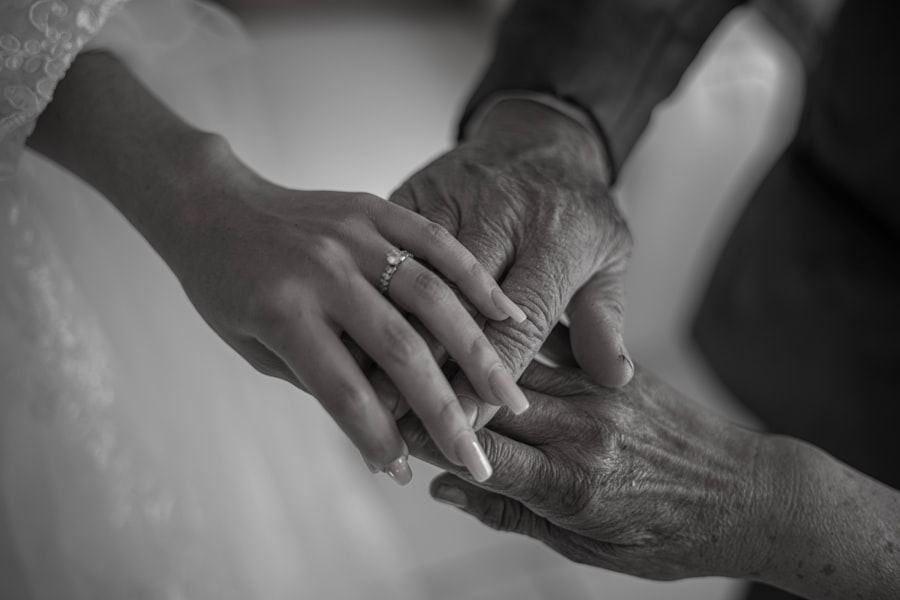
Medication management is a critical aspect of healthcare for seniors, as they often take multiple prescriptions for various health conditions. You may find that keeping track of medications can be overwhelming for both seniors and their caregivers. It is essential to establish a clear system for managing prescriptions, including understanding dosages, timing, and potential interactions between medications.
Regular consultations with healthcare providers can help ensure that the medication regimen remains appropriate and effective. Furthermore, educating seniors about their medications is vital. You can empower them by providing information about the purpose of each medication, possible side effects, and the importance of adherence to prescribed regimens.
This knowledge not only fosters independence but also encourages open communication with healthcare providers. By prioritizing medication management, you can help seniors navigate their health challenges more effectively and improve their overall well-being.
Physical Therapy and Exercise
Physical therapy and exercise play a pivotal role in maintaining mobility and enhancing the quality of life for seniors. As you work with older adults, you may notice that many struggle with mobility issues due to age-related changes or chronic conditions. Engaging in regular physical activity can help alleviate pain, improve strength, and enhance flexibility.
You might consider collaborating with physical therapists to develop tailored exercise programs that cater to individual needs and abilities. Incorporating exercise into daily routines can also foster a sense of accomplishment and boost self-esteem among seniors. Simple activities such as walking, stretching, or participating in group fitness classes can make a significant difference in their physical health.
You can encourage seniors to set achievable goals and celebrate their progress, reinforcing the importance of staying active. By promoting physical therapy and exercise, you contribute to a healthier, more vibrant lifestyle for seniors.
Mind-body Techniques for Pain Relief
| Pain Relief Strategy | Effectiveness | Common Usage Among Seniors (%) | Potential Side Effects | Notes |
|---|---|---|---|---|
| Over-the-Counter Pain Relievers (e.g., Acetaminophen, NSAIDs) | Moderate | 65% | Gastrointestinal issues, liver/kidney concerns | Widely used for mild to moderate pain |
| Physical Therapy | High | 40% | Minimal | Improves mobility and reduces pain over time |
| Heat and Cold Therapy | Moderate | 55% | Skin irritation if misused | Effective for muscle and joint pain relief |
| Prescription Medications (e.g., opioids, muscle relaxants) | High | 20% | Drowsiness, dependency, constipation | Used for severe pain under medical supervision |
| Acupuncture | Moderate | 15% | Minor bruising or soreness | Alternative therapy gaining popularity |
| Exercise and Stretching | High | 50% | Risk of injury if not done properly | Helps maintain joint function and reduce pain |
| Mind-Body Techniques (e.g., meditation, yoga) | Moderate | 30% | Minimal | Supports pain management and mental health |
| Topical Analgesics | Low to Moderate | 25% | Skin irritation | Useful for localized pain relief |
Mind-body techniques have gained recognition as effective methods for managing pain among seniors. Practices such as yoga, tai chi, and meditation can help individuals cultivate awareness of their bodies and develop coping strategies for pain management. You may find that introducing these techniques into a senior’s routine not only alleviates physical discomfort but also enhances mental clarity and emotional resilience.
Encouraging mindfulness practices can be particularly beneficial for seniors dealing with chronic pain or anxiety. You might consider organizing workshops or classes that focus on these techniques, providing a supportive environment for seniors to explore new ways of managing their pain. By integrating mind-body techniques into their daily lives, you empower seniors to take charge of their health and well-being.
Alternative Therapies for Seniors
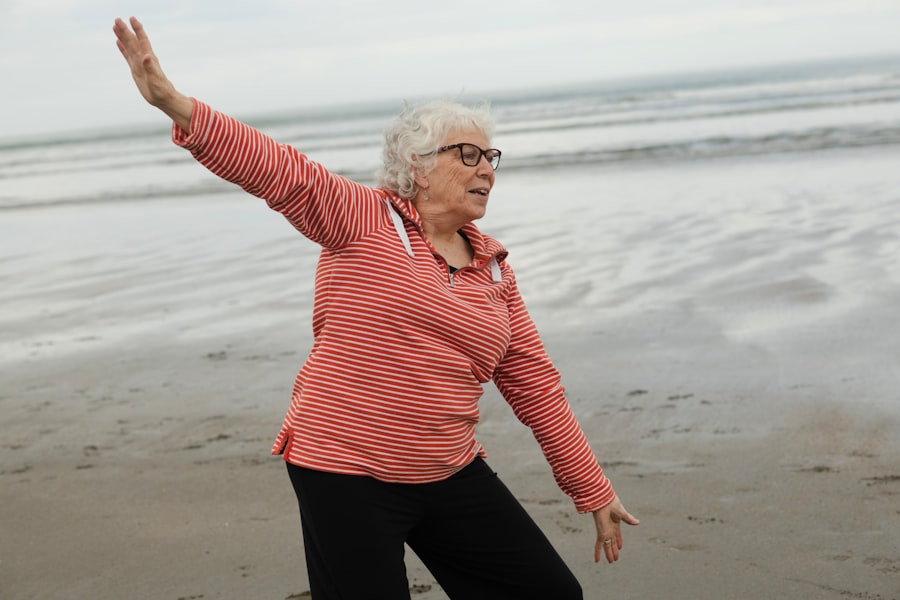
Alternative therapies offer additional avenues for pain relief and overall wellness among seniors. Approaches such as acupuncture, massage therapy, and aromatherapy have shown promise in alleviating discomfort and promoting relaxation. As you explore these options with seniors, it’s essential to consider individual preferences and any existing medical conditions that may influence the suitability of certain therapies.
You might also encourage open discussions about alternative therapies with healthcare providers to ensure a coordinated approach to care. Many seniors may be hesitant to try new treatments due to concerns about safety or efficacy; therefore, providing evidence-based information can help alleviate these fears. By embracing alternative therapies as part of a comprehensive care plan, you can enhance the quality of life for seniors while respecting their autonomy in choosing their preferred methods of treatment.
Assistive Devices and Mobility Aids
Assistive devices and mobility aids are invaluable tools for enhancing independence among seniors. As you work with older adults, you may encounter individuals who struggle with mobility due to arthritis, balance issues, or other age-related challenges. Providing access to devices such as walkers, canes, or grab bars can significantly improve their ability to navigate their environment safely.
Moreover, educating seniors about the proper use of these aids is crucial for maximizing their benefits. You might consider organizing workshops or one-on-one sessions where seniors can learn how to use assistive devices effectively. By empowering them with knowledge and resources, you help foster a sense of confidence in their mobility while reducing the risk of falls or injuries.
Nutrition and Pain Management
Nutrition plays a vital role in managing pain and promoting overall health among seniors. As you guide older adults in their dietary choices, it’s essential to emphasize the importance of a balanced diet rich in nutrients that support joint health and reduce inflammation. Foods high in omega-3 fatty acids, antioxidants, and vitamins can contribute to pain relief and improved well-being.
You might also consider collaborating with nutritionists or dietitians to develop meal plans tailored to individual needs and preferences. Encouraging seniors to engage in cooking classes or group meals can foster social connections while promoting healthy eating habits. By prioritizing nutrition as part of a comprehensive pain management strategy, you empower seniors to take charge of their health through informed dietary choices.
Cognitive Behavioral Therapy for Seniors
Cognitive Behavioral Therapy (CBT) has emerged as an effective approach for addressing both physical pain and emotional distress among seniors. This therapeutic technique focuses on identifying negative thought patterns and replacing them with more constructive beliefs. As you work with older adults experiencing chronic pain or mental health challenges, introducing CBT principles can provide them with valuable tools for coping.
You might consider facilitating group therapy sessions or individual counseling that incorporates CBT techniques tailored specifically for seniors. By fostering an environment where they feel safe to express their thoughts and emotions, you encourage open dialogue about pain management strategies. Through CBT, seniors can develop healthier coping mechanisms that enhance their overall quality of life.
Palliative Care and Hospice Services
Palliative care and hospice services are essential components of comprehensive support for seniors facing serious illnesses or end-of-life challenges. As you navigate this sensitive area of care, it’s important to emphasize the focus on comfort rather than curative treatment. Palliative care aims to alleviate suffering while improving the quality of life for both patients and their families.
You may find that discussing palliative care options with seniors early on in their treatment journey can lead to more informed decisions about their care preferences. Providing education about hospice services can also help alleviate fears surrounding end-of-life care by emphasizing the compassionate support available during this time. By advocating for palliative care options, you contribute to a dignified approach to managing serious illnesses among seniors.
Integrative Approach to Pain Relief for Seniors
An integrative approach to pain relief combines various modalities—both conventional and alternative—to create a comprehensive care plan tailored to the unique needs of seniors. As you explore this holistic perspective, consider how different therapies can complement one another in promoting overall well-being. For instance, combining physical therapy with mindfulness practices may yield enhanced results in pain management.
You might also encourage collaboration among healthcare providers from various disciplines to ensure a coordinated approach to care. By fostering open communication between physicians, therapists, nutritionists, and mental health professionals, you create a supportive network that addresses all aspects of a senior’s health journey. Embracing an integrative approach empowers seniors to take an active role in their care while enhancing their quality of life through diverse therapeutic options.
In conclusion, understanding the multifaceted needs of seniors is essential for providing effective care that enhances their quality of life. By prioritizing non-pharmacological approaches alongside medication management, physical therapy, nutrition, and integrative therapies, you create a holistic framework that addresses both physical and emotional well-being. Through compassion and collaboration with healthcare providers, you can empower seniors to navigate the challenges of aging while maintaining dignity and independence.
For seniors seeking effective pain relief strategies, it’s essential to explore various options tailored to their unique needs. A helpful resource can be found in the article on com/sample-page/’>pain management techniques for older adults, which discusses both traditional and alternative methods to alleviate discomfort.
This article provides valuable insights into how seniors can improve their quality of life through appropriate pain relief strategies.
WATCH THIS WARNING: 💊 NSAID Kidney Damage: The Hidden Danger Seniors Don’t Know About
FAQs
What are common causes of pain in seniors?
Common causes of pain in seniors include arthritis, osteoporosis, nerve damage, muscle strain, and chronic conditions such as diabetes or fibromyalgia. Age-related wear and tear on joints and bones also contribute to pain.
What types of pain relief strategies are effective for seniors?
Effective pain relief strategies for seniors include medication management, physical therapy, exercise, heat and cold therapy, acupuncture, massage, and relaxation techniques. Lifestyle changes such as a balanced diet and proper sleep can also help manage pain.
Are over-the-counter pain medications safe for seniors?
Over-the-counter pain medications like acetaminophen and nonsteroidal anti-inflammatory drugs (NSAIDs) can be safe for seniors when used as directed. However, seniors should consult their healthcare provider before use due to potential side effects and interactions with other medications.
Can physical activity help reduce pain in seniors?
Yes, regular physical activity such as walking, swimming, or gentle stretching can help reduce pain by improving flexibility, strength, and circulation. It also helps maintain a healthy weight, which reduces stress on joints.
Is it important for seniors to consult a healthcare professional about pain?
Absolutely. Consulting a healthcare professional ensures proper diagnosis and treatment of pain. They can recommend appropriate therapies, adjust medications, and monitor for side effects or complications.
Are alternative therapies like acupuncture or massage beneficial for seniors?
Many seniors find alternative therapies such as acupuncture and massage helpful for managing pain. These therapies can improve circulation, reduce muscle tension, and promote relaxation, but should be used alongside conventional treatments and under professional guidance.
How can seniors manage chronic pain without relying solely on medication?
Seniors can manage chronic pain through a combination of physical therapy, exercise, stress reduction techniques, proper nutrition, and complementary therapies. Cognitive-behavioral therapy and support groups may also help in coping with chronic pain.
What precautions should seniors take when using pain relief methods?
Seniors should follow dosage instructions carefully, avoid mixing medications without medical advice, and be aware of potential side effects. It is important to communicate any new symptoms or concerns to a healthcare provider promptly.