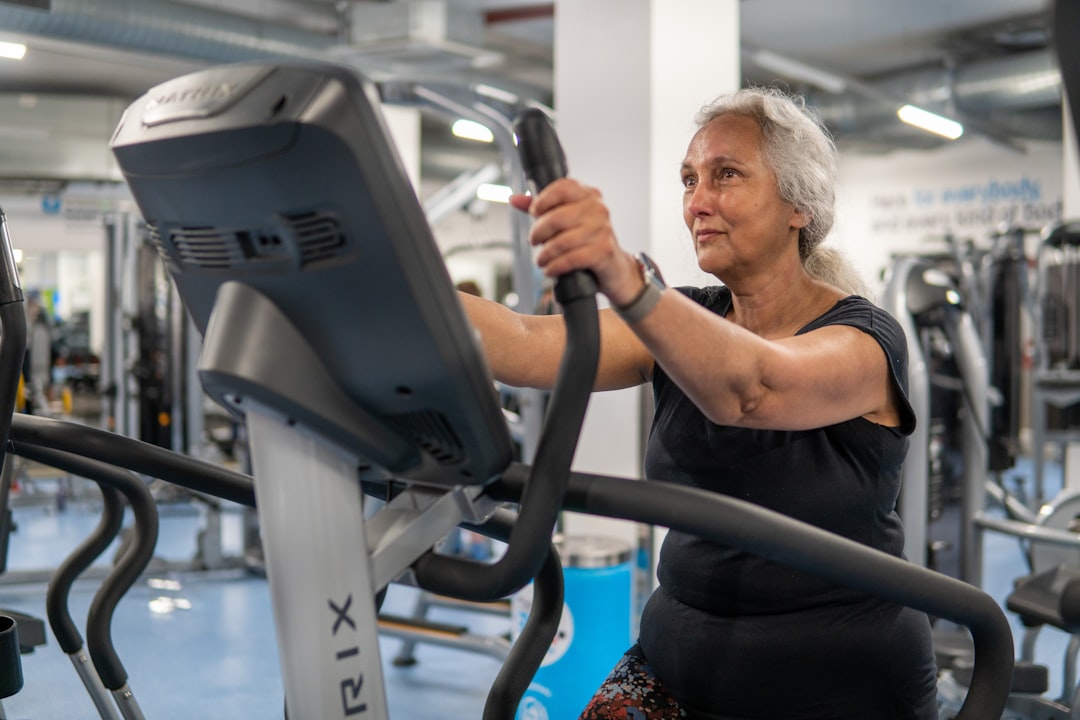
Pain management plays a crucial role in healthy aging and maintaining quality of life. Chronic pain affects approximately 50% of adults over 65 and can significantly limit mobility, independence, and daily functioning. When pain is inadequately managed, it often leads to decreased physical activity, which can result in muscle weakness, joint stiffness, and further functional decline.
Research demonstrates that untreated pain creates a cycle of reduced activity and worsening symptoms. This pattern can contribute to depression, social isolation, and cognitive decline in older adults. Studies show that individuals with chronic pain are three times more likely to develop depression and experience a 40% greater risk of functional disability.
Effective pain management enables older adults to maintain their independence and continue participating in meaningful activities. Regular physical activity, social engagement, and recreational pursuits are associated with better cognitive function, improved mood, and reduced risk of chronic diseases. Pain relief strategies that allow continued participation in these activities support both physical and mental health outcomes.
Evidence indicates that comprehensive pain management approaches, including both pharmacological and non-pharmacological interventions, can help older adults maintain their functional capacity and social connections. This preservation of activity and engagement is essential for successful aging and maintaining autonomy in later life.
Key Takeaways
- Pain relief is essential for maintaining an active and healthy lifestyle during aging.
- Low-impact exercises, stretching, and strength training help reduce joint pain and improve stability.
- Aquatic exercises and mind-body practices effectively manage pain and reduce stress.
- Nutrition, heat/cold therapy, massage, and acupuncture contribute significantly to pain relief.
- Proper posture, body mechanics, and professional guidance are crucial for effective pain management.
Incorporating Low-Impact Exercises for Joint Pain Relief
When it comes to alleviating joint pain, low-impact exercises can be your best ally. These activities are gentle on your joints while still providing the necessary movement to keep them healthy.
By incorporating these exercises into your routine, you can improve circulation, strengthen muscles, and enhance flexibility—all of which contribute to pain relief. Additionally, low-impact exercises can be easily tailored to fit your individual needs and fitness level. You might start with short sessions and gradually increase the duration as your body adapts.
This gradual approach not only helps in managing pain but also builds confidence in your physical abilities. As you become more comfortable with these exercises, you may find that they not only relieve pain but also boost your mood and energy levels, making it easier to engage in other aspects of life.
Utilizing Stretching and Flexibility Exercises for Pain Management
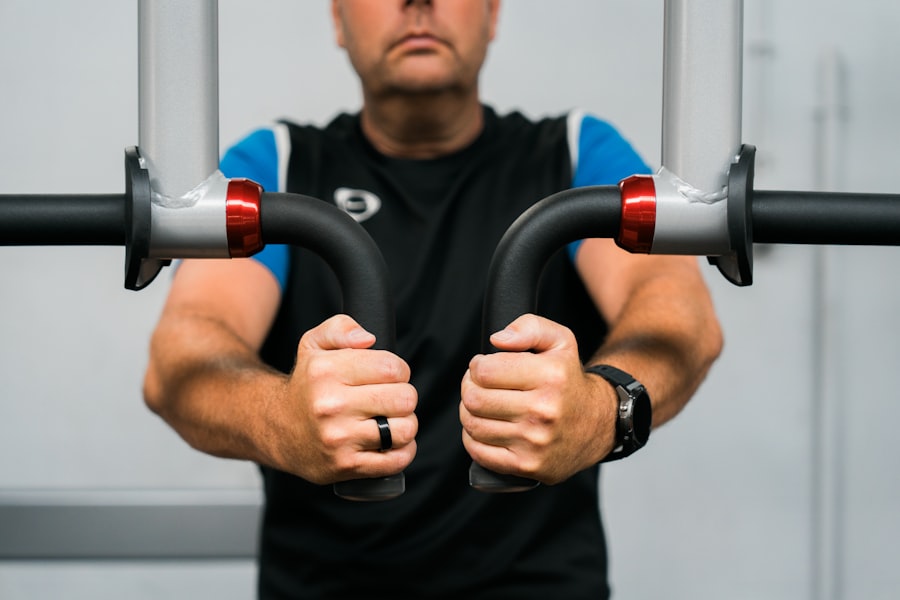
Incorporating stretching and flexibility exercises into your daily routine can significantly aid in pain management. These exercises help maintain and improve your range of motion, which is crucial for preventing stiffness and discomfort. Simple stretches targeting major muscle groups can be performed at home or even during breaks throughout your day.
By dedicating just a few minutes to stretching, you can alleviate tension and promote relaxation in both your muscles and joints. Moreover, flexibility exercises can enhance your overall physical performance. As you become more limber, you’ll find it easier to engage in daily activities without experiencing pain or discomfort.
This newfound freedom can encourage you to explore new hobbies or revisit old ones that you may have set aside due to pain. By prioritizing stretching and flexibility, you empower yourself to lead a more active and fulfilling life.
Implementing Strength Training for Improved Joint Stability and Pain Reduction
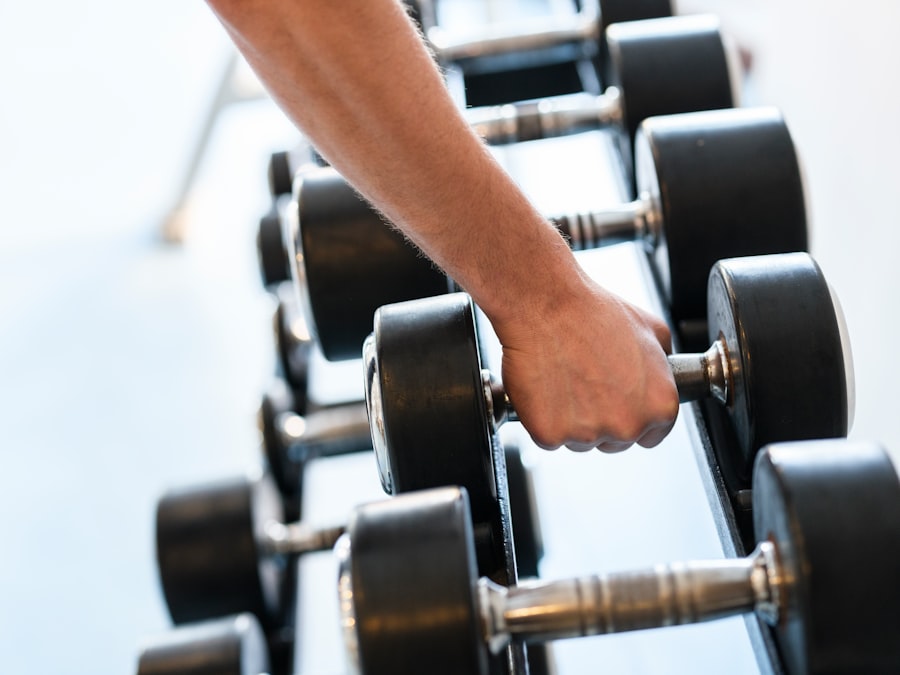
Strength training is often overlooked in discussions about pain relief, yet it plays a crucial role in enhancing joint stability and reducing discomfort. By building muscle strength around your joints, you provide them with better support, which can alleviate pressure and minimize pain. You don’t need to lift heavy weights; even bodyweight exercises or resistance bands can be effective in strengthening your muscles.
Incorporating strength training into your routine can also improve your balance and coordination, reducing the risk of falls—a common concern as you age. As you gain strength, you’ll likely notice an increase in your overall energy levels and a decrease in fatigue. This positive feedback loop encourages you to stay active, further contributing to pain relief and improved quality of life.
Exploring the Benefits of Aquatic Exercise for Pain Relief
| Metric | Description | Typical Range/Value | Notes |
|---|---|---|---|
| Average Pain Reduction (%) | Percentage decrease in reported pain levels after fitness program | 30% – 60% | Measured using standardized pain scales like VAS or NPRS |
| Improvement in Mobility (Range of Motion) | Increase in joint flexibility and movement range | 10° – 25° increase | Depends on targeted joints and exercise type |
| Balance Improvement (%) | Percentage improvement in balance tests (e.g., Timed Up and Go) | 15% – 40% | Reduces fall risk in seniors |
| Muscle Strength Gain (%) | Increase in muscle strength measured by resistance tests | 20% – 50% | Varies by exercise intensity and duration |
| Frequency of Exercise Sessions | Number of fitness sessions per week | 2 – 5 sessions | Consistency is key for pain relief |
| Duration of Each Session | Length of each fitness session | 30 – 60 minutes | Includes warm-up and cool-down periods |
| Reported Quality of Life Improvement | Self-reported improvement in daily living and well-being | Moderate to significant | Assessed via questionnaires like SF-36 |
Aquatic exercise offers a unique environment for pain relief that is particularly beneficial for those with joint issues. The buoyancy of water reduces the impact on your joints while providing resistance that helps build strength. Activities such as water aerobics or swimming allow you to engage in a full-body workout without the strain associated with traditional exercises on land.
Additionally, the soothing properties of water can enhance relaxation and reduce muscle tension. Many people find that exercising in water not only alleviates pain but also provides a sense of freedom and weightlessness that is hard to replicate elsewhere. By incorporating aquatic exercise into your routine, you can enjoy a refreshing way to stay active while effectively managing pain.
Incorporating Mind-Body Practices for Stress Reduction and Pain Management
Mind-body practices such as yoga, tai chi, and meditation can play a significant role in managing pain and reducing stress. These practices encourage mindfulness and promote relaxation, which can help alleviate both physical discomfort and emotional distress. By focusing on your breath and being present in the moment, you can cultivate a sense of calm that may reduce the perception of pain.
Moreover, engaging in mind-body practices fosters a deeper connection between your body and mind. This awareness allows you to recognize tension or discomfort early on, enabling you to address it before it escalates into more significant issues. As you incorporate these practices into your routine, you may find that they not only help with pain management but also enhance your overall well-being.
Exploring the Role of Nutrition in Pain Relief for Seniors
Nutrition plays a vital role in managing pain as you age. A well-balanced diet rich in anti-inflammatory foods can help reduce inflammation and alleviate discomfort. Incorporating fruits, vegetables, whole grains, lean proteins, and healthy fats into your meals can provide essential nutrients that support joint health and overall wellness.
Additionally, staying hydrated is crucial for maintaining joint lubrication and preventing stiffness. You might consider keeping a water bottle handy throughout the day to ensure you’re drinking enough fluids. By making conscious dietary choices, you empower yourself to take control of your health and potentially reduce reliance on medications for pain relief.
Utilizing Heat and Cold Therapy for Pain Management
Heat and cold therapy are simple yet effective methods for managing pain at home. Applying heat can help relax tight muscles and improve blood flow to the affected area, providing relief from stiffness or soreness. You might use a heating pad or take a warm bath to experience these benefits firsthand.
Conversely, cold therapy can be beneficial for reducing inflammation and numbing sharp pain.
By alternating between heat and cold therapy as needed, you can create a personalized approach to managing pain that fits seamlessly into your daily routine.
Exploring the Benefits of Massage and Acupuncture for Pain Relief
Massage therapy and acupuncture are two complementary approaches that can provide significant relief from chronic pain. Massage helps release tension in muscles and promotes relaxation, which can alleviate discomfort associated with tightness or stress. Regular sessions with a qualified massage therapist can enhance circulation and improve overall mobility.
Acupuncture, on the other hand, involves inserting thin needles into specific points on the body to stimulate healing processes. Many individuals report experiencing reduced pain levels after acupuncture treatments due to its ability to release endorphins—your body’s natural painkillers. Exploring these therapies may offer you new avenues for pain relief that complement other strategies in your wellness toolkit.
Understanding the Role of Proper Posture and Body Mechanics in Pain Management
Maintaining proper posture and body mechanics is essential for preventing pain as you age. Poor posture can lead to muscle imbalances and strain on joints, resulting in discomfort over time. Being mindful of how you sit, stand, and move throughout the day can significantly impact your overall well-being.
You might consider incorporating ergonomic adjustments into your workspace or daily activities to promote better posture. Simple changes like using supportive chairs or adjusting the height of your computer screen can make a world of difference in how your body feels throughout the day. By prioritizing proper body mechanics, you empower yourself to reduce the risk of pain while enhancing your overall comfort.
Seeking Professional Guidance and Support for Effective Pain Relief Strategies
Finally, seeking professional guidance is crucial for developing effective pain relief strategies tailored to your unique needs. Healthcare providers such as physical therapists or occupational therapists can assess your condition and recommend personalized exercise programs or interventions that address specific issues. Additionally, engaging with support groups or community resources can provide valuable insights from others who share similar experiences.
By connecting with professionals and peers alike, you create a network of support that empowers you on your journey toward effective pain management and active aging. In conclusion, navigating the challenges of aging requires a multifaceted approach to pain relief that encompasses physical activity, nutrition, mind-body practices, and professional support. By prioritizing these strategies, you can enhance your quality of life and embrace the joys of active aging with confidence.
For seniors looking to manage pain while staying active, exploring effective fitness routines can be beneficial. A related article that provides valuable insights on this topic is available at Explore Senior Health. This resource offers tips and strategies specifically designed to help seniors alleviate pain through appropriate exercise and wellness practices, ensuring they can maintain their mobility and overall health.
WATCH THIS WARNING: 💊 NSAID Kidney Damage: The Hidden Danger Seniors Don’t Know About
FAQs
What are common causes of pain in seniors during fitness activities?
Common causes include arthritis, muscle stiffness, joint degeneration, previous injuries, and overuse. Age-related changes in muscles and joints can also contribute to discomfort during exercise.
How can seniors safely manage pain while staying active?
Seniors should start with low-impact exercises, use proper warm-up and cool-down routines, maintain good posture, and listen to their bodies to avoid overexertion. Consulting a healthcare professional before starting a fitness program is recommended.
What types of exercises are best for pain relief in seniors?
Low-impact activities such as walking, swimming, yoga, tai chi, and gentle stretching are effective for pain relief. Strength training with light weights or resistance bands can also help improve muscle support around joints.
Can regular exercise reduce chronic pain in seniors?
Yes, regular physical activity can improve flexibility, strength, and circulation, which may reduce chronic pain symptoms and improve overall mobility and quality of life.
When should a senior consult a doctor about fitness-related pain?
If pain is severe, persistent, worsens with activity, or is accompanied by swelling, numbness, or weakness, seniors should seek medical advice to rule out serious conditions.
Are there specific fitness programs designed for seniors with pain?
Yes, many community centers and healthcare providers offer senior fitness programs tailored to accommodate pain and mobility limitations, focusing on safe and effective exercises.
How does proper nutrition support pain relief in senior fitness?
A balanced diet rich in anti-inflammatory foods, vitamins, and minerals supports joint health and muscle function, which can help reduce pain and improve recovery.
Is it normal to experience some discomfort during senior fitness exercises?
Mild discomfort or muscle soreness can be normal when starting a new exercise routine, but sharp or intense pain should not be ignored and may indicate the need to modify activities.