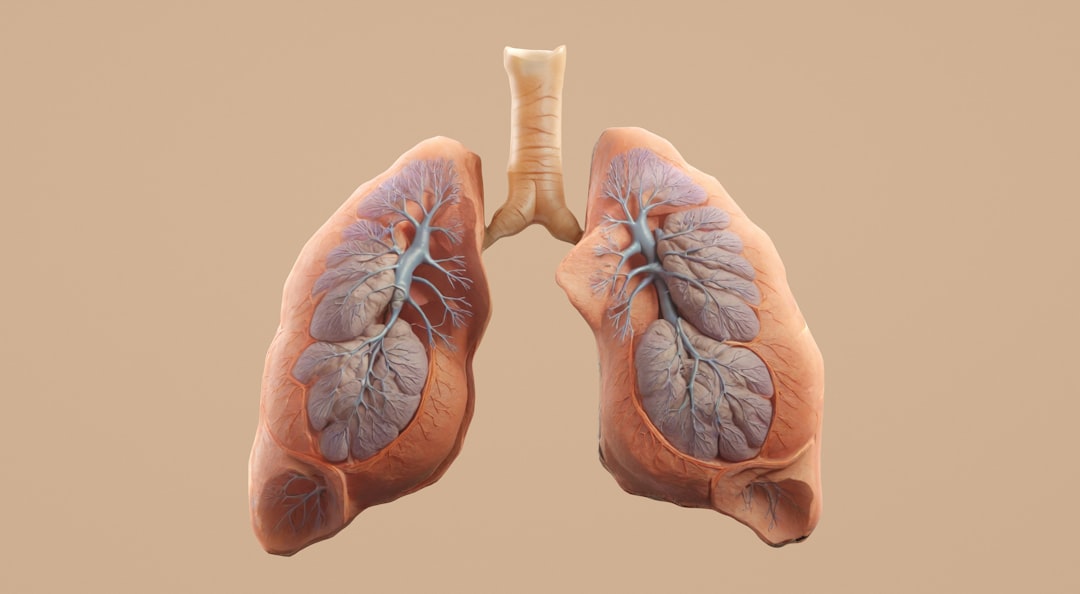
Kidney disease is a medical condition affecting millions of people globally. The kidneys function to filter waste products and excess fluids from the blood, and kidney disease occurs when these organs become damaged or lose their filtering capacity. This impairment leads to the accumulation of toxins in the body, causing various health complications.
Kidney disease frequently develops asymptomatically, progressing silently until reaching advanced stages. Primary risk factors include diabetes mellitus, hypertension, and genetic predisposition, making awareness of these factors essential for early detection and prevention. Lifestyle factors significantly influence kidney disease development and progression.
Dietary habits, adequate hydration, and regular physical activity can either increase or decrease the risk of kidney dysfunction. Maintaining kidney health requires understanding these modifiable risk factors and implementing appropriate preventive measures. Regular medical examinations and health monitoring are critical for early identification of kidney problems before they progress to more severe stages, enabling timely intervention and improved patient outcomes.
Key Takeaways
- Early detection and regular monitoring are crucial for managing kidney disease effectively.
- A balanced diet, proper hydration, and limiting salt intake support kidney health.
- Regular exercise and controlling blood pressure and blood sugar help prevent kidney damage.
- Avoiding smoking, limiting alcohol, managing stress, and cautious use of pain medication protect kidney function.
- Prompt treatment of urinary tract infections and routine medical check-ups aid in preventing complications.
Maintaining a Healthy Diet
A healthy diet is fundamental in supporting kidney function and preventing disease progression. You should focus on incorporating a variety of fruits, vegetables, whole grains, and lean proteins into your meals. These foods are rich in essential nutrients that your body needs while being lower in sodium and unhealthy fats.
For instance, leafy greens like spinach and kale are excellent choices as they provide vital vitamins and minerals without putting undue stress on your kidneys. Moreover, it’s essential to be mindful of portion sizes and the overall balance of your meals. You might consider working with a nutritionist who specializes in kidney health to create a personalized meal plan that meets your specific needs.
This tailored approach can help you manage your weight and blood sugar levels while ensuring you receive adequate nutrition. Remember, the goal is not just to eat healthily but to make sustainable changes that you can maintain over the long term.
Staying Hydrated
Hydration is another critical aspect of maintaining kidney health. Your kidneys require an adequate amount of water to function optimally, as it helps them filter waste from the blood effectively. You should aim to drink enough fluids throughout the day, especially if you are physically active or live in a hot climate.
However, if you have existing kidney issues or are at risk for kidney disease, it’s essential to consult with your healthcare provider about your fluid intake. In some cases, fluid restrictions may be necessary to prevent further complications.
Listening to your body’s signals is vital; if you feel thirsty or notice darker urine, these could be signs that you need to increase your water intake. Staying hydrated not only supports kidney function but also promotes overall health and vitality.
Regular Exercise
Incorporating regular exercise into your routine is another effective way to support kidney health. Physical activity helps maintain a healthy weight, lowers blood pressure, and improves blood sugar control—all crucial factors in preventing kidney disease. You don’t need to engage in intense workouts; even moderate activities like walking, swimming, or cycling can yield significant benefits.
Aim for at least 150 minutes of moderate aerobic activity each week.
You might find it helpful to set achievable fitness goals that motivate you to stay active.
Whether it’s joining a local sports team or simply taking daily walks in your neighborhood, finding enjoyable activities will make it easier for you to stick with an exercise routine. Remember that consistency is key; making exercise a regular part of your life will contribute positively to your kidney health and overall well-being.
Monitoring Blood Pressure and Blood Sugar Levels
| Prevention Tip | Description | Recommended Frequency | Impact on Kidney Health |
|---|---|---|---|
| Stay Hydrated | Drink adequate water to help kidneys clear sodium and toxins. | 8-10 glasses daily | Reduces risk of kidney stones and infections |
| Maintain Healthy Blood Pressure | Control blood pressure through diet, exercise, and medication if needed. | Monitor regularly; daily lifestyle management | Prevents kidney damage caused by hypertension |
| Limit Salt Intake | Reduce sodium consumption to lower blood pressure and kidney strain. | Less than 2,300 mg per day | Decreases risk of kidney disease progression |
| Exercise Regularly | Engage in physical activity to maintain healthy weight and blood pressure. | At least 150 minutes per week | Improves overall kidney function and reduces disease risk |
| Avoid Smoking | Quit smoking to improve blood flow and reduce kidney damage. | Continuous avoidance | Slows progression of kidney disease |
| Monitor Blood Sugar | Keep blood sugar levels in check to prevent diabetic kidney damage. | Regular testing as advised by healthcare provider | Prevents diabetic nephropathy |
| Limit Overuse of Painkillers | Avoid excessive use of NSAIDs and other nephrotoxic drugs. | Use only as prescribed | Reduces risk of acute kidney injury |
| Regular Kidney Function Tests | Get screened especially if at risk due to family history or conditions. | Annually or as recommended | Early detection and management of kidney issues |
Monitoring your blood pressure and blood sugar levels is crucial for maintaining kidney health, especially if you have risk factors such as diabetes or hypertension. High blood pressure can damage blood vessels in the kidneys over time, leading to decreased function and potential kidney failure. You should regularly check your blood pressure at home or during doctor visits to ensure it remains within a healthy range.
Similarly, if you have diabetes, keeping your blood sugar levels stable is essential for protecting your kidneys. Elevated glucose levels can cause damage to the delicate structures within the kidneys, leading to complications over time. You might consider keeping a log of your readings to track any fluctuations and discuss them with your healthcare provider during check-ups.
By being proactive about monitoring these vital signs, you can take steps to manage them effectively and reduce your risk of kidney disease.
Avoiding Smoking and Limiting Alcohol Consumption
Your lifestyle choices significantly impact your kidney health, particularly when it comes to smoking and alcohol consumption. Smoking is known to constrict blood vessels and reduce blood flow to the kidneys, which can exacerbate existing conditions and increase the risk of developing kidney disease. If you smoke, seeking support to quit can be one of the best decisions you make for your health.
On the other hand, while moderate alcohol consumption may not pose significant risks for everyone, excessive drinking can lead to dehydration and increased blood pressure—both detrimental to kidney function. You should aim to limit alcohol intake according to recommended guidelines or consider abstaining altogether if you have existing health concerns. By making these lifestyle adjustments, you not only protect your kidneys but also enhance your overall health and longevity.
Managing Stress
Stress management is often overlooked when discussing kidney health, yet it plays a vital role in overall well-being. Chronic stress can lead to elevated blood pressure and unhealthy coping mechanisms such as poor eating habits or lack of physical activity—all of which can negatively impact kidney function. You should prioritize finding effective ways to manage stress in your life.
Consider incorporating relaxation techniques such as meditation, yoga, or deep-breathing exercises into your daily routine. These practices can help lower stress levels and promote a sense of calmness. Additionally, engaging in hobbies or spending time with loved ones can provide emotional support and serve as a healthy distraction from daily stressors.
By actively managing stress, you create a more balanced lifestyle that supports not only your kidneys but also your mental and emotional health.
Getting Regular Check-ups
Regular check-ups with your healthcare provider are essential for maintaining kidney health and catching potential issues early on. During these visits, your doctor can perform tests to assess kidney function and monitor any risk factors you may have. It’s important not to skip these appointments; they provide an opportunity for early intervention if any problems arise.
You should also take this time to discuss any concerns or symptoms you may be experiencing with your doctor. Being open about your health allows for better communication and tailored care plans that suit your individual needs. Remember that prevention is always better than treatment; by staying proactive about your health through regular check-ups, you significantly reduce the risk of developing serious kidney complications down the line.
Avoiding Overuse of Pain Medication
While pain medications can be effective for managing discomfort, overusing them—especially nonsteroidal anti-inflammatory drugs (NSAIDs)—can harm your kidneys over time. These medications can reduce blood flow to the kidneys and lead to acute kidney injury if taken excessively or without proper medical guidance. You should always follow dosage recommendations and consult with your healthcare provider before starting any new medication.
If you find yourself relying on pain medication frequently, it may be worth exploring alternative pain management strategies such as physical therapy or natural remedies. Discussing these options with your doctor can help you find safer ways to manage pain without compromising your kidney health. Being mindful of medication use is an important step toward protecting your kidneys and ensuring long-term wellness.
Limiting Salt Intake
Limiting salt intake is crucial for maintaining healthy blood pressure levels and supporting kidney function. High sodium consumption can lead to fluid retention and increased blood pressure—two factors that put additional strain on the kidneys. You should aim to reduce processed foods high in salt and opt for fresh ingredients whenever possible.
When cooking at home, consider using herbs and spices as flavorful alternatives to salt. Experimenting with different seasonings can enhance the taste of your meals without compromising your health. Reading food labels is also essential; many packaged foods contain hidden sodium that can quickly add up throughout the day.
By being conscious of your salt intake, you take an important step toward protecting your kidneys and promoting overall cardiovascular health.
Seeking Early Treatment for Urinary Tract Infections
Urinary tract infections (UTIs) are common but can lead to more severe complications if left untreated—especially concerning kidney health. If you experience symptoms such as frequent urination, burning sensations while urinating, or lower abdominal pain, it’s crucial to seek medical attention promptly. Early treatment can prevent the infection from spreading to the kidneys and causing more significant issues.
You should also take preventive measures to reduce the risk of UTIs by staying hydrated and practicing good hygiene habits. Drinking plenty of water helps flush out bacteria from the urinary tract, while wiping from front to back after using the restroom minimizes the risk of introducing bacteria into the urethra. By being vigilant about urinary tract health and seeking timely treatment when necessary, you protect not only your urinary system but also your kidneys from potential harm.
In conclusion, taking proactive steps toward maintaining kidney health is essential for overall well-being. By understanding kidney disease, adopting a healthy diet, staying hydrated, exercising regularly, monitoring vital signs, avoiding harmful substances, managing stress effectively, attending regular check-ups, being cautious with medications, limiting salt intake, and seeking early treatment for infections, you empower yourself to lead a healthier life while safeguarding one of your most vital organs—your kidneys.
For those looking to enhance their understanding of kidney disease prevention, a valuable resource can be found in the article on senior health tips at Explore Senior Health. This article provides comprehensive insights into maintaining kidney health through lifestyle choices, dietary adjustments, and regular health screenings, making it an essential read for anyone interested in proactive health management.
WATCH THIS WARNING: 💊 NSAID Kidney Damage: The Hidden Danger Seniors Don’t Know About
FAQs
What are the common risk factors for kidney disease?
Common risk factors include diabetes, high blood pressure, family history of kidney disease, obesity, smoking, and older age.
How can I prevent kidney disease through diet?
Eating a balanced diet low in salt, processed foods, and excessive protein can help protect your kidneys. Focus on fruits, vegetables, whole grains, and adequate hydration.
Why is controlling blood pressure important for kidney health?
High blood pressure can damage the blood vessels in the kidneys, reducing their ability to function properly. Maintaining healthy blood pressure helps prevent kidney damage.
How does managing diabetes help in preventing kidney disease?
High blood sugar levels can harm the kidneys over time. Proper diabetes management through medication, diet, and exercise reduces the risk of kidney complications.
Can lifestyle changes reduce the risk of kidney disease?
Yes, regular exercise, maintaining a healthy weight, avoiding smoking, and limiting alcohol intake can significantly lower the risk of developing kidney disease.
How often should I get my kidney function tested?
If you have risk factors like diabetes or high blood pressure, it is recommended to have kidney function tests annually or as advised by your healthcare provider.
Is staying hydrated important for kidney health?
Yes, drinking adequate water helps the kidneys remove waste from the blood and maintain overall kidney function.
Can overuse of painkillers affect kidney health?
Yes, frequent or excessive use of nonsteroidal anti-inflammatory drugs (NSAIDs) can harm the kidneys and should be used cautiously.
Are there any symptoms to watch for that indicate kidney problems?
Early kidney disease often has no symptoms, but signs like swelling, fatigue, changes in urination, or high blood pressure may indicate kidney issues and warrant medical evaluation.
What role does regular medical check-up play in kidney disease prevention?
Regular check-ups help detect early signs of kidney damage, allowing timely intervention to prevent progression of kidney disease.