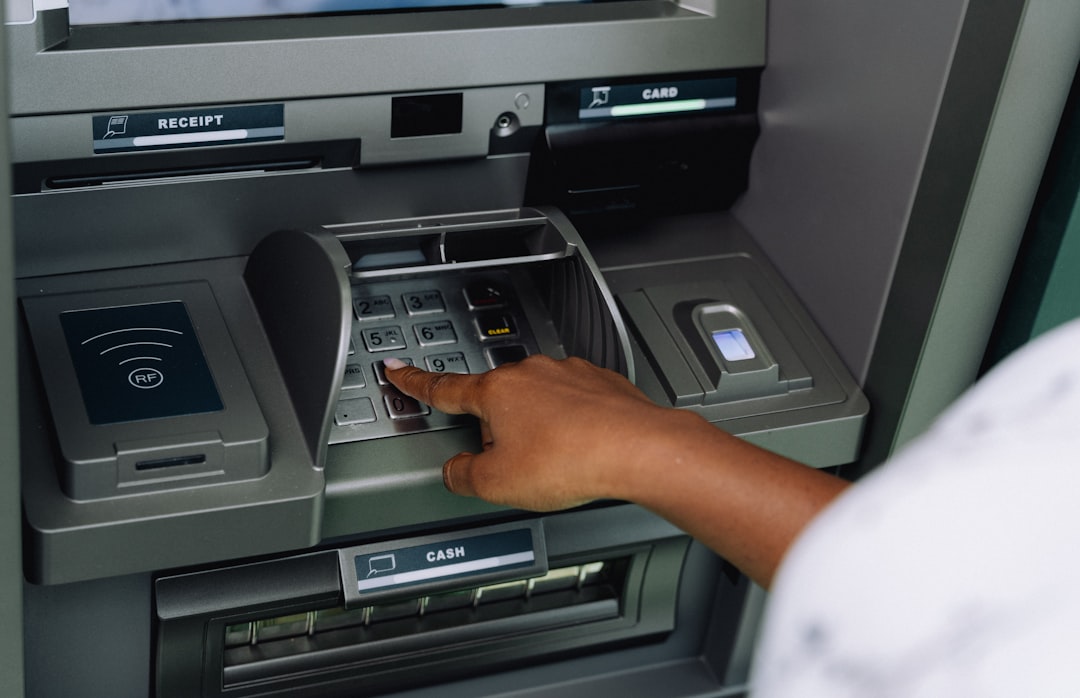
Online banking presents several security risks that users should understand before conducting financial transactions digitally. Cybercriminals employ sophisticated methods to target online banking customers, including identity theft schemes and unauthorized account access attempts. These activities can result in financial losses and compromised personal information.
Common cyber threats affecting online banking include malware infections, phishing attacks, and data breaches. Malware can capture login credentials and banking information from infected devices. Phishing scams use fraudulent emails or websites that mimic legitimate banking platforms to steal user credentials.
Data breaches occur when cybercriminals gain unauthorized access to financial institutions’ databases, potentially exposing customer information. Additional risks include man-in-the-middle attacks, where criminals intercept communications between users and their banks, and social engineering tactics that manipulate individuals into revealing sensitive information. Weak passwords, unsecured internet connections, and outdated software can increase vulnerability to these threats.
Understanding these security risks enables users to implement appropriate protective measures when accessing online banking services.
Key Takeaways
- Online banking and Medicaid information require strong security measures to prevent fraud and identity theft.
- Use strong, unique passwords and enable two-factor authentication for enhanced account protection.
- Be vigilant against phishing attempts and avoid clicking on suspicious links or sharing personal information.
- Keep all software and devices updated and use secure, trusted networks to reduce vulnerability.
- Regularly monitor account activity, set up alerts for suspicious behavior, and seek professional help when needed.
Importance of Securing Medicaid Information
When it comes to managing your Medicaid information, security should be a top priority. The sensitive nature of this data makes it a prime target for cybercriminals. Your Medicaid information contains personal details that, if compromised, could lead to identity theft or fraud.
Therefore, it is essential for you to take steps to protect this information diligently. Securing your Medicaid information not only protects your identity but also ensures that you receive the benefits you are entitled to without interference. Unauthorized access to your Medicaid account can result in fraudulent claims being made in your name, which can complicate your healthcare access and lead to significant financial repercussions.
By prioritizing the security of your Medicaid information, you are taking an important step in safeguarding your health and financial well-being.
Choosing a Strong and Unique Password
One of the simplest yet most effective ways to enhance your online security is by choosing a strong and unique password. You might be tempted to use easily memorable passwords or reuse them across multiple accounts, but this practice can significantly increase your vulnerability. A strong password typically includes a mix of uppercase and lowercase letters, numbers, and special characters, making it harder for cybercriminals to crack.
Moreover, consider using a unique password for each of your online accounts. This way, if one account is compromised, your other accounts remain secure. You may find it helpful to use a password manager to generate and store complex passwords securely.
By investing time in creating strong and unique passwords, you are laying a solid foundation for your online security.
Implementing Two-Factor Authentication
In addition to a strong password, implementing two-factor authentication (2FA) adds an extra layer of security to your online banking experience. This process requires you to provide two forms of identification before accessing your account, typically something you know (your password) and something you have (a code sent to your phone). By enabling 2FA, you significantly reduce the risk of unauthorized access.
You might find that many financial institutions offer 2FA as an option during the login process. Taking advantage of this feature is a wise decision that can help protect your sensitive information from potential threats. Even if a cybercriminal manages to obtain your password, they would still need access to your second form of identification to gain entry into your account.
This added layer of security can provide you with peace of mind as you manage your finances online.
Recognizing Phishing Attempts
| Metric | Description | Value/Status | Notes |
|---|---|---|---|
| Encryption Standard | Type of encryption used to secure online banking data | AES-256 | Advanced Encryption Standard with 256-bit keys |
| Multi-Factor Authentication (MFA) | Requirement for additional verification beyond password | Enabled | Includes SMS codes and authenticator apps |
| Session Timeout | Duration of inactivity before automatic logout | 15 minutes | Helps prevent unauthorized access |
| Fraud Detection Rate | Percentage of fraudulent activities detected | 98% | Based on recent security audits |
| Data Breach Incidents | Number of reported data breaches in the last year | 0 | Indicates strong security measures |
| Regular Security Audits | Frequency of security assessments | Quarterly | Ensures compliance and vulnerability management |
| User Education Programs | Training provided to users on security best practices | Ongoing | Includes phishing awareness and password management |
Phishing attempts are one of the most common tactics used by cybercriminals to steal sensitive information. These scams often come in the form of emails or messages that appear legitimate but are designed to trick you into providing personal details or clicking on malicious links. Being able to recognize these attempts is crucial for protecting yourself from fraud.
When you receive an unexpected email or message requesting sensitive information, take a moment to scrutinize it carefully. Look for signs such as poor grammar, generic greetings, or suspicious links. Legitimate organizations will never ask for sensitive information via email.
By staying vigilant and questioning the authenticity of such communications, you can avoid falling victim to phishing scams and keep your personal information secure.
Keeping Software and Devices Updated
Keeping your software and devices updated is another essential practice for maintaining online security. Software developers frequently release updates that address vulnerabilities and enhance security features. By neglecting these updates, you leave yourself open to potential threats that could exploit outdated software.
Make it a habit to regularly check for updates on all your devices, including smartphones, tablets, and computers. This includes not only operating systems but also applications related to banking and finance. Enabling automatic updates can simplify this process and ensure that you are always protected with the latest security enhancements.
By staying current with software updates, you are taking proactive steps toward safeguarding your online banking experience.
Using Secure and Trusted Networks
When accessing your online banking accounts, it’s vital to use secure and trusted networks.
Whenever possible, use a secure private network or a virtual private network (VPN) when accessing your financial accounts.
If you must use public Wi-Fi, avoid conducting any sensitive transactions such as online banking or shopping. Instead, wait until you are on a secure network before accessing these services. By being mindful of the networks you connect to, you can significantly reduce the risk of unauthorized access to your financial information.
Monitoring Account Activity Regularly
Regularly monitoring your account activity is a crucial practice for maintaining financial security. By keeping a close eye on your transactions, you can quickly identify any unauthorized activity or discrepancies that may arise. This proactive approach allows you to address potential issues before they escalate into more significant problems.
Set aside time each week or month to review your account statements and transaction history thoroughly. Look for unfamiliar charges or transactions that you did not authorize. If you notice anything suspicious, report it immediately to your financial institution.
By staying vigilant and monitoring your account activity regularly, you can protect yourself from fraud and ensure that your finances remain secure.
Setting Up Alerts for Suspicious Activity
In addition to monitoring your account activity manually, consider setting up alerts for suspicious activity through your bank’s online platform. Many financial institutions offer customizable alerts that notify you of specific transactions or changes in account status. These alerts can serve as an early warning system, allowing you to respond quickly if something seems amiss.
You might choose to receive alerts for large transactions, changes in account balances, or login attempts from unfamiliar devices or locations. By taking advantage of these alert features, you can enhance your ability to detect potential fraud and take immediate action if necessary. This proactive approach can provide an additional layer of security for your online banking experience.
Safely Storing and Disposing of Personal Information
How you store and dispose of personal information plays a significant role in maintaining your overall security. It’s essential to keep sensitive documents in a secure location, whether physical or digital. For physical documents containing personal information, consider using a locked filing cabinet or safe.
When it comes time to dispose of documents containing sensitive information, do so securely by shredding them rather than simply throwing them away. For digital files, ensure that they are deleted permanently rather than just moved to the recycle bin. By taking these precautions in storing and disposing of personal information, you minimize the risk of unauthorized access and protect yourself from potential identity theft.
Seeking Help from Financial Institutions or IT Professionals
If you ever feel overwhelmed by the complexities of online banking security or suspect that your accounts may have been compromised, don’t hesitate to seek help from professionals. Your financial institution often has resources available to assist customers with security concerns and can provide guidance on best practices for protecting your accounts. Additionally, consider consulting with IT professionals who specialize in cybersecurity if you have specific concerns about your devices or networks.
They can offer tailored advice and solutions based on your unique situation. Remember that seeking help is not a sign of weakness; rather, it demonstrates a commitment to safeguarding your financial well-being in an increasingly digital world. By following these guidelines and remaining vigilant about online banking security, you can significantly reduce the risks associated with managing your finances online.
Taking proactive steps will empower you to enjoy the convenience of online banking while keeping your personal information safe from potential threats.
In today’s digital age, ensuring the security of online banking for Medicaid recipients is crucial. A related article that discusses various aspects of online banking security and its implications for seniors can be found at this link. It provides valuable insights into protecting sensitive information and navigating the complexities of online financial transactions safely.
📌🏥 WATCH THIS! The ONE Bank Account Mistake That Disqualifies 99% of Seniors from Medicaid
FAQs
What is Medicaid online banking security?
Medicaid online banking security refers to the measures and protocols implemented to protect users’ financial information and transactions when accessing Medicaid-related banking services through online platforms.
Why is online banking security important for Medicaid users?
Online banking security is crucial for Medicaid users to safeguard sensitive personal and financial information from unauthorized access, fraud, and identity theft, ensuring that their Medicaid benefits and funds are protected.
What are common security features used in Medicaid online banking?
Common security features include multi-factor authentication (MFA), encryption, secure login credentials, automatic logout after inactivity, and real-time transaction monitoring to detect suspicious activities.
How can Medicaid users protect their online banking accounts?
Users should create strong, unique passwords, enable multi-factor authentication, avoid using public Wi-Fi for transactions, regularly monitor account activity, and be cautious of phishing scams and suspicious emails.
Is Medicaid online banking regulated for security standards?
Yes, Medicaid online banking services must comply with federal and state regulations, including the Health Insurance Portability and Accountability Act (HIPAA) and financial industry standards, to ensure data privacy and security.
What should I do if I suspect unauthorized access to my Medicaid online banking account?
Immediately contact your bank or Medicaid service provider to report the suspicious activity, change your passwords, and monitor your account for any unauthorized transactions.
Are there any risks associated with using Medicaid online banking?
While online banking offers convenience, risks include potential cyberattacks, phishing scams, and data breaches. However, following security best practices can significantly reduce these risks.
Can I access Medicaid online banking services on my mobile device safely?
Yes, accessing Medicaid online banking on mobile devices is safe if you use official apps or secure websites, keep your device’s software updated, and avoid unsecured public Wi-Fi networks.
How often should I update my Medicaid online banking password?
It is recommended to update your password every 60 to 90 days or immediately if you suspect your account has been compromised.
Where can I find more information about Medicaid online banking security?
You can find more information on official Medicaid websites, your financial institution’s security pages, and government resources dedicated to cybersecurity and online banking safety.