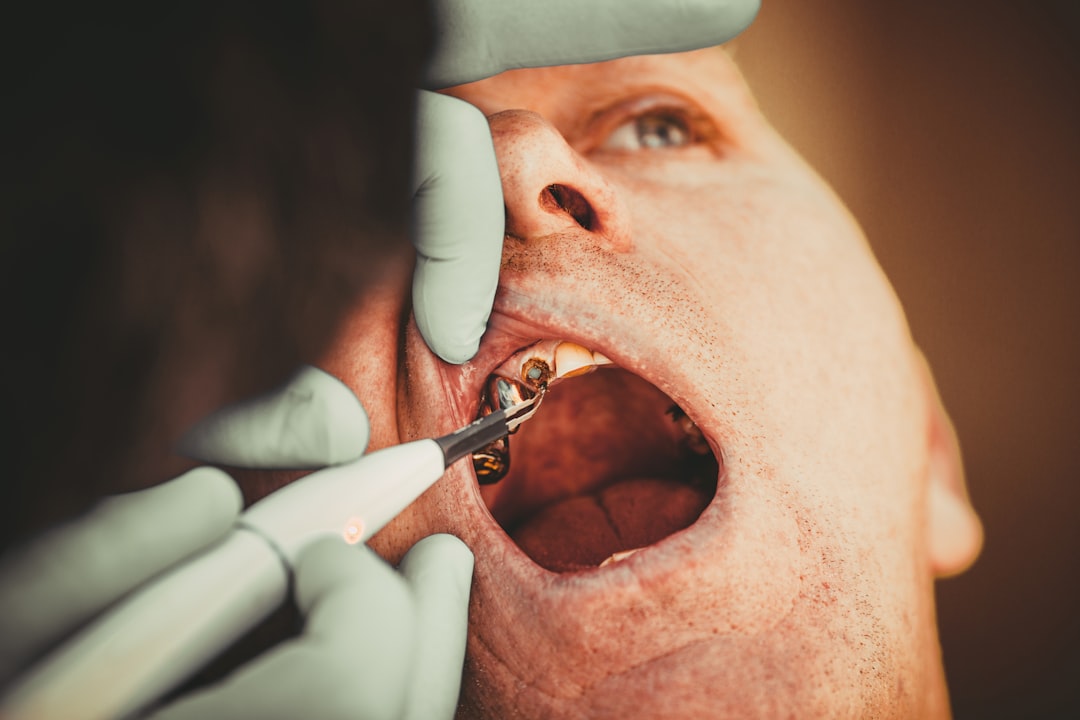
Medicaid coverage varies significantly across states, particularly regarding dental services. While medical coverage under Medicaid generally includes hospital visits, outpatient care, and preventive services nationwide, dental benefits differ substantially between states. Some states provide comprehensive dental coverage, while others offer only limited services or emergency care.
Medicaid recipients should review their state’s specific benefit structure to understand available services. Emergency dental treatments are typically covered across most state programs, but routine dental care such as regular check-ups, cleanings, and preventive treatments may not be included in all state Medicaid plans. To determine exact coverage details, beneficiaries can consult their state’s Medicaid guidelines or contact their local Medicaid office directly.
Understanding these coverage parameters helps recipients plan their healthcare needs and avoid unexpected out-of-pocket expenses for services not covered under their specific state program.
Key Takeaways
- Understanding Medicaid coverage helps optimize access to dental and medical services.
- Preventive care and telehealth are key strategies to reduce overall Medicaid costs.
- Coordinated care between dental and medical providers improves patient outcomes and cost efficiency.
- Data analytics can identify opportunities for cost savings and better resource allocation.
- Policy advocacy and alternative payment models are essential for enhancing Medicaid benefits.
Strategies for Cost-Effective Dental and Medical Care
When it comes to managing your healthcare expenses under Medicaid, adopting cost-effective strategies can make a significant difference. One effective approach is to prioritize preventive care. Regular check-ups and screenings can help catch potential health issues early, reducing the need for more expensive treatments down the line.
By scheduling routine visits with your healthcare providers, you can stay on top of your health and potentially avoid costly interventions later. Another strategy involves being proactive about understanding your benefits and utilizing them fully. Familiarize yourself with the services covered under your Medicaid plan, including any co-pays or limitations.
This knowledge allows you to make informed choices about where and when to seek care. Additionally, consider seeking out community health clinics or dental schools that often provide services at reduced rates or even for free. These resources can be invaluable in managing your healthcare costs while still receiving quality care.
Utilizing Preventive Care to Reduce Medicaid Costs
Preventive care is a cornerstone of effective healthcare management, particularly for Medicaid recipients. By focusing on preventive measures, you can significantly reduce long-term healthcare costs. Regular check-ups, vaccinations, and screenings are essential components of preventive care that can help identify health issues before they escalate into more serious conditions.
For example, routine dental cleanings can prevent cavities and gum disease, which are not only painful but also costly to treat if left unchecked. Moreover, engaging in preventive care can lead to better overall health outcomes. When you prioritize regular visits to your healthcare providers, you are more likely to maintain a healthy lifestyle and manage chronic conditions effectively.
This proactive approach not only benefits your health but also helps reduce the financial burden on the Medicaid system by minimizing the need for emergency interventions and hospitalizations.
Maximizing the Use of Medicaid Benefits for Dental and Medical Services
To truly benefit from your Medicaid coverage, it’s essential to maximize the services available to you. Start by keeping an organized record of your appointments, treatments, and any referrals made by your healthcare providers. This documentation will help you track your care and ensure that you are utilizing all available benefits.
Additionally, don’t hesitate to ask your providers about any services that may be covered under your plan that you might not be aware of. Another way to maximize your benefits is by building a strong relationship with your healthcare providers. Open communication is key; don’t be afraid to discuss your needs and concerns with them.
They can help guide you through the complexities of your coverage and recommend services that align with your health goals. By actively participating in your healthcare journey, you can ensure that you are making the most of what Medicaid has to offer.
Implementing Telehealth and Remote Monitoring for Cost Savings
| Year | Medicaid Medical Expenses (in billions) | Medicaid Dental Expenses (in billions) | % of Total Medicaid Spending on Dental | Average Cost per Enrollee – Medical | Average Cost per Enrollee – Dental |
|---|---|---|---|---|---|
| 2020 | 450 | 15 | 3.2% | 7,200 | 240 |
| 2021 | 480 | 16 | 3.3% | 7,500 | 250 |
| 2022 | 510 | 17 | 3.3% | 7,800 | 260 |
| 2023 | 540 | 18 | 3.3% | 8,100 | 270 |
The rise of telehealth has revolutionized the way healthcare is delivered, particularly for Medicaid recipients seeking cost-effective solutions. Telehealth services allow you to consult with healthcare providers from the comfort of your home, saving both time and money associated with travel and in-person visits. This convenience is especially beneficial for those with mobility issues or those living in rural areas where access to medical facilities may be limited.
Remote monitoring technologies also play a crucial role in managing chronic conditions while reducing costs. By using devices that track vital signs or other health metrics, you can provide your healthcare team with real-time data without needing frequent office visits. This proactive approach not only enhances your care but also helps prevent complications that could lead to costly hospitalizations.
Embracing telehealth and remote monitoring can significantly improve your healthcare experience while keeping expenses in check.
Addressing Oral Health and Chronic Disease Management in Medicaid Patients
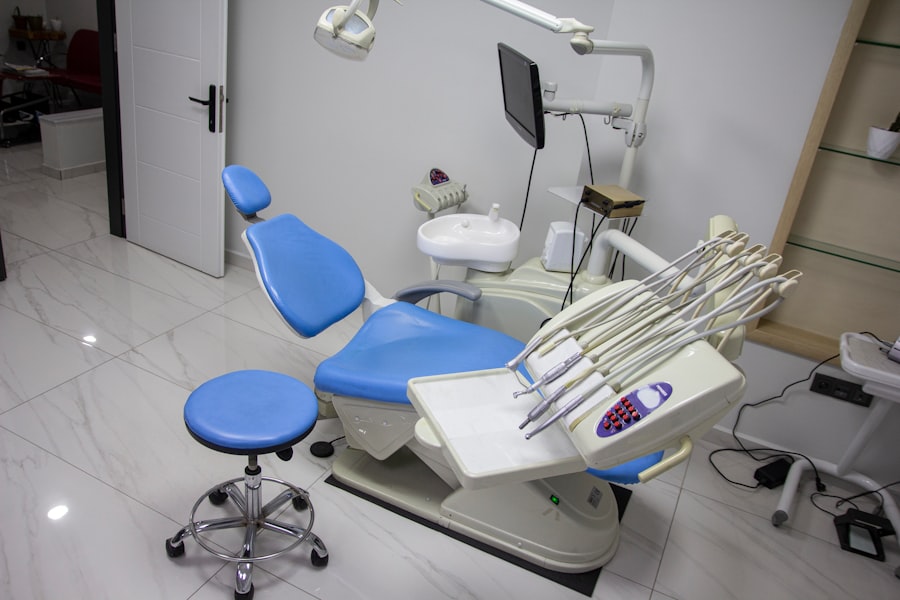
Oral health is often overlooked in discussions about overall health management, yet it plays a critical role in chronic disease management for Medicaid patients. Conditions such as diabetes and heart disease are closely linked to oral health; therefore, addressing dental issues can have a profound impact on managing these chronic conditions. As a Medicaid recipient, it’s essential to recognize the importance of maintaining good oral hygiene and seeking regular dental care.
Integrating oral health into chronic disease management plans can lead to better health outcomes and reduced costs over time. For instance, managing gum disease can improve blood sugar control in diabetic patients, ultimately lowering the risk of complications that require expensive treatments. By prioritizing both oral health and chronic disease management, you can take a holistic approach to your well-being that benefits both your physical health and your financial situation.
Collaborating with Dental and Medical Providers to Coordinate Care
Effective collaboration between dental and medical providers is vital for ensuring comprehensive care for Medicaid patients. When these providers work together, they can create a coordinated care plan that addresses all aspects of your health. This collaboration is particularly important for individuals with complex medical needs or those managing multiple chronic conditions.
Sharing information about medications, treatments, and health history can help create a more cohesive care plan tailored to your needs.
Leveraging Data and Analytics to Identify Cost-Saving Opportunities
In today’s data-driven world, leveraging analytics can uncover significant cost-saving opportunities within the Medicaid system. By analyzing patterns in healthcare utilization, providers can identify areas where resources may be wasted or where patients may not be receiving necessary care. As a Medicaid recipient, being aware of these insights can empower you to make informed decisions about your healthcare.
For example, data analytics can reveal trends in emergency room visits among certain populations or highlight gaps in preventive care services. By understanding these trends, you can advocate for changes in how care is delivered or seek out alternative options that may be more cost-effective for you. Engaging with data-driven initiatives not only benefits you as an individual but also contributes to broader efforts aimed at improving the efficiency of the Medicaid program.
Engaging Medicaid Patients in Health and Dental Education
Education plays a pivotal role in empowering Medicaid patients to take charge of their health and dental care. By providing accessible information about available services, preventive measures, and healthy lifestyle choices, you can make informed decisions that positively impact your well-being. Engaging in educational programs offered by community organizations or healthcare providers can enhance your understanding of how to navigate the complexities of the Medicaid system.
Moreover, being informed about oral health practices is crucial for maintaining good dental hygiene. Understanding the importance of regular check-ups, proper brushing techniques, and dietary choices can help prevent dental issues before they arise. By actively participating in educational opportunities, you not only improve your own health outcomes but also contribute to a culture of wellness within the Medicaid community.
Exploring Alternative Payment Models for Dental and Medical Services
As the healthcare landscape continues to evolve, exploring alternative payment models can offer innovative solutions for delivering dental and medical services under Medicaid. Traditional fee-for-service models often incentivize quantity over quality; however, alternative models focus on value-based care that prioritizes patient outcomes. These models encourage providers to deliver high-quality care while managing costs effectively.
For instance, bundled payment models allow providers to receive a single payment for all services related to a specific treatment or condition rather than billing separately for each service rendered. This approach encourages collaboration among providers and promotes efficient care delivery. As a Medicaid recipient, advocating for the adoption of alternative payment models can lead to improved access to quality care while potentially reducing overall costs.
Advocating for Policy Changes to Improve Medicaid Dental and Medical Coverage
Advocacy plays a crucial role in shaping policies that affect Medicaid dental and medical coverage. As a recipient of these services, you have a unique perspective on the challenges faced within the system. Engaging with local advocacy groups or participating in community forums can amplify your voice and influence policy changes that benefit all Medicaid patients.
By sharing your experiences and advocating for improvements—such as expanded dental coverage or increased funding for preventive services—you contribute to a collective effort aimed at enhancing the quality of care within the Medicaid program. Your involvement not only helps address immediate concerns but also paves the way for long-term improvements that will benefit future generations of Medicaid recipients. In conclusion, understanding and maximizing Medicaid dental and medical coverage requires proactive engagement from recipients like yourself.
By employing cost-effective strategies, prioritizing preventive care, collaborating with providers, leveraging data analytics, engaging in education, exploring alternative payment models, and advocating for policy changes, you can navigate the complexities of the system while ensuring access to quality healthcare services. Your active participation is essential in shaping a more efficient and effective Medicaid program that meets the needs of all its beneficiaries.
For those interested in understanding the intricacies of Medicaid coverage for dental and medical expenses, a valuable resource can be found in the article on senior health services. This article provides insights into how Medicaid can assist with various healthcare costs, including dental care, which is often overlooked. You can read more about it in this informative piece: Medicaid Dental and Medical Expenses.
📌🏥 WATCH THIS! The ONE Bank Account Mistake That Disqualifies 99% of Seniors from Medicaid
FAQs
What types of dental services are covered by Medicaid?
Medicaid coverage for dental services varies by state but generally includes preventive care such as cleanings and exams, diagnostic services like X-rays, and treatment services including fillings, extractions, and sometimes dentures. Some states also cover orthodontic services for children.
Are medical expenses covered under Medicaid?
Yes, Medicaid covers a wide range of medical expenses including hospital stays, doctor visits, prescription medications, preventive care, and emergency services. Coverage specifics can vary by state and individual eligibility.
Who is eligible for Medicaid dental and medical benefits?
Eligibility for Medicaid dental and medical benefits depends on income, age, disability status, and other factors. Generally, low-income individuals, children, pregnant women, elderly adults, and people with disabilities may qualify.
Does Medicaid cover dental services for adults?
Coverage of dental services for adults under Medicaid varies by state. While most states provide comprehensive dental benefits for children, adult dental coverage is optional and may be limited or excluded in some states.
How can I find out what dental and medical services are covered by Medicaid in my state?
You can visit your state’s Medicaid website or contact your state Medicaid office directly to get detailed information about covered dental and medical services, eligibility requirements, and provider networks.
Are there any out-of-pocket costs for Medicaid dental and medical services?
Medicaid typically has low or no out-of-pocket costs for covered services, but some states may require small copayments for certain services. These costs vary by state and service type.
Can I choose any dentist or doctor with Medicaid?
Medicaid requires beneficiaries to use providers who accept Medicaid. You can find a list of participating dentists and doctors through your state Medicaid program. Some states may require you to select a primary care provider.
Does Medicaid cover emergency dental and medical care?
Yes, Medicaid generally covers emergency dental and medical care to address urgent health issues, regardless of whether the provider is in-network.
How do I apply for Medicaid dental and medical coverage?
You can apply for Medicaid through your state’s Medicaid agency, online portals, or local social services offices. The application process includes providing income and residency information to determine eligibility.
Can Medicaid dental and medical benefits be used simultaneously?
Yes, Medicaid beneficiaries can use both dental and medical benefits as needed, provided the services are covered under their state’s Medicaid program.