In an age where technology is rapidly evolving, smart medication dispensers have emerged as a beacon of hope for improving health outcomes, particularly among the elderly. These devices are designed to simplify the complex process of medication management, ensuring that individuals take their medications as prescribed. As you navigate the world of healthcare, understanding the role of these dispensers can be crucial for both patients and caregivers alike.
With features that range from automated reminders to real-time monitoring, smart medication dispensers are revolutionizing how medications are administered and managed. The integration of technology into healthcare is not merely a trend; it represents a significant shift towards more personalized and efficient care. For elderly individuals who often juggle multiple prescriptions, the risk of medication errors increases dramatically.
Smart medication dispensers aim to mitigate these risks by providing a user-friendly interface that promotes adherence and enhances overall health. As you delve deeper into this topic, you will discover how these devices can transform the landscape of elderly care, making it more manageable and effective.
Key Takeaways
- Smart medication dispensers enhance medication adherence, crucial for elderly health management.
- These devices automate medication schedules, providing timely reminders and accurate dosing.
- Key benefits include improved health outcomes, reduced hospital visits, and increased independence for seniors.
- Features to consider are ease of use, alert systems, connectivity, and compatibility with various medications.
- Smart dispensers also support caregivers by simplifying monitoring and reducing medication errors.
The Importance of Medication Adherence for Elderly Health
Medication adherence is a critical component of effective healthcare, especially for the elderly population. As you may know, older adults frequently deal with chronic conditions that require ongoing treatment, making it essential for them to take their medications consistently and correctly. Non-adherence can lead to severe health complications, increased hospitalizations, and even premature death.
Understanding the importance of sticking to prescribed regimens is vital for anyone involved in the care of elderly individuals. Moreover, the consequences of poor medication adherence extend beyond individual health; they also place a significant burden on healthcare systems. When elderly patients fail to take their medications as directed, it can lead to escalated health issues that require more intensive and costly interventions.
As you consider the implications of medication adherence, it becomes clear that fostering a culture of compliance is not just beneficial for patients but also essential for the sustainability of healthcare resources.
How Smart Medication Dispensers Work
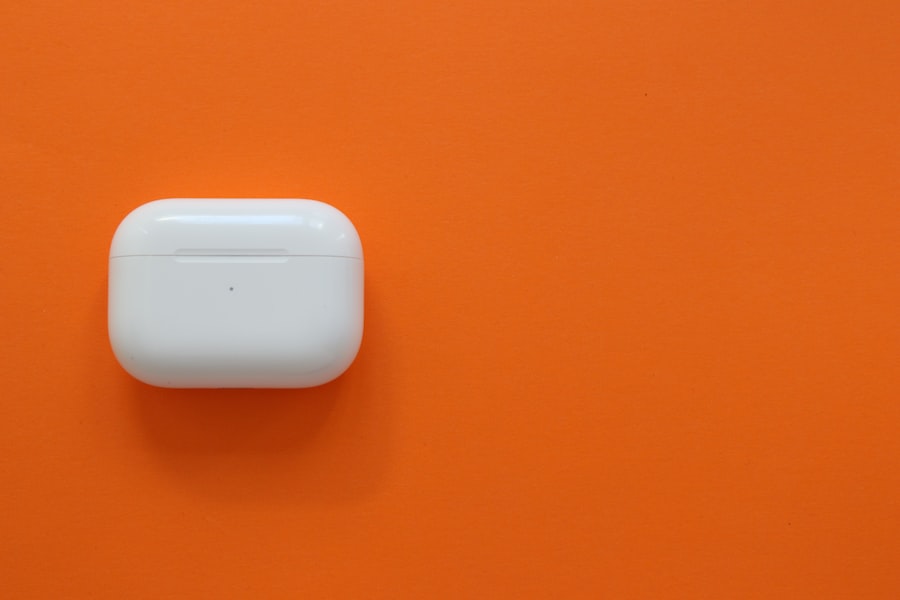
Smart medication dispensers operate on a straightforward yet effective principle: they automate the process of medication management. These devices are typically equipped with compartments that hold various medications, which are dispensed at scheduled times throughout the day. When it’s time for a dose, the dispenser alerts the user through visual or auditory signals, ensuring that they do not miss their medication.
This feature is particularly beneficial for elderly individuals who may struggle with memory issues or cognitive decline. In addition to dispensing medications, many smart dispensers come with advanced features such as connectivity to smartphones or tablets. This connectivity allows caregivers and family members to monitor adherence remotely, providing peace of mind and facilitating better communication about health management.
By leveraging technology in this way, smart medication dispensers not only simplify the medication-taking process but also foster a collaborative approach to healthcare that involves both patients and their support networks.
Benefits of Smart Medication Dispensers for Elderly Health
The benefits of smart medication dispensers extend far beyond mere convenience; they play a pivotal role in enhancing the overall health and well-being of elderly individuals. One of the most significant advantages is the reduction in medication errors. By automating the dispensing process and providing timely reminders, these devices help ensure that medications are taken as prescribed, thereby minimizing the risk of adverse drug interactions or missed doses.
Additionally, smart medication dispensers can significantly improve the quality of life for elderly users. With features designed to promote independence, such as easy-to-read displays and voice prompts, these devices empower individuals to manage their own health more effectively. This sense of autonomy can lead to increased confidence and satisfaction in daily living, which is crucial for mental and emotional well-being.
As you explore the various benefits, it becomes evident that smart medication dispensers are not just tools; they are transformative solutions that enhance both physical health and quality of life.
Features to Look for in a Smart Medication Dispenser
| Metric | Description | Typical Value / Range | Importance for Elderly |
|---|---|---|---|
| Medication Adherence Rate | Percentage of doses taken on time | 85% – 95% | High – Ensures proper treatment and reduces hospitalizations |
| Dispensing Accuracy | Correct medication and dosage dispensed | 99%+ | Critical – Prevents medication errors and adverse effects |
| Alert Response Time | Time taken to respond to missed dose alerts | Within 30 minutes | Important – Helps timely intervention and reminders |
| Battery Life | Duration device operates before recharge | 1 – 2 weeks | Moderate – Reduces maintenance and ensures continuous use |
| Capacity | Number of medication compartments or doses stored | 7 – 28 doses | High – Supports complex medication schedules |
| Connectivity | Ability to connect with caregivers or healthcare providers | Wi-Fi / Bluetooth / Cellular | High – Enables remote monitoring and support |
| User Interface Simplicity | Ease of use for elderly users | Simple buttons, voice prompts | Critical – Encourages consistent use and reduces confusion |
| Size and Portability | Physical dimensions and ease of transport | Compact, lightweight | Moderate – Facilitates use at home or travel |
When considering a smart medication dispenser, it’s essential to evaluate its features carefully to ensure it meets your specific needs or those of your loved ones. One key feature to look for is customizable dosing schedules. The ability to set multiple alarms for different medications can be invaluable for individuals taking various prescriptions throughout the day.
This flexibility allows users to tailor their medication management according to their unique routines. Another important aspect is connectivity options. Many modern dispensers offer Bluetooth or Wi-Fi capabilities that enable real-time monitoring by caregivers or family members.
This feature can provide an added layer of support, allowing loved ones to receive alerts if a dose is missed or if there are any issues with the device itself. Additionally, consider dispensers with user-friendly interfaces that cater specifically to elderly users, such as large buttons and clear displays. By focusing on these features, you can select a smart medication dispenser that not only meets practical needs but also enhances the overall user experience.
Cost and Accessibility of Smart Medication Dispensers
As with any healthcare technology, cost and accessibility are significant factors when considering smart medication dispensers. Prices can vary widely based on features and brand reputation, so it’s essential to conduct thorough research before making a purchase. While some dispensers may come with a higher price tag due to advanced functionalities, others may offer more basic options at a lower cost.
It’s crucial to weigh these costs against the potential benefits in terms of improved health outcomes and reduced hospital visits. Accessibility is another critical consideration. Many insurance plans may cover some costs associated with smart medication dispensers, but this varies by provider and policy.
Additionally, some organizations offer financial assistance or grants specifically aimed at helping elderly individuals access necessary healthcare technologies. As you explore your options, be sure to inquire about potential financial support and consider reaching out to local community resources that may provide assistance in obtaining these devices.
How Smart Medication Dispensers Improve Caregiver Support
Caregivers play an indispensable role in managing the health of elderly individuals, often juggling multiple responsibilities while ensuring their loved ones receive proper care. Smart medication dispensers can significantly alleviate some of this burden by providing tools that enhance caregiver support. With real-time monitoring capabilities, caregivers can stay informed about their loved ones’ medication adherence without needing to be physically present at all times.
Moreover, these devices can facilitate better communication between caregivers and healthcare providers. Many smart dispensers come equipped with features that allow caregivers to track medication usage over time, providing valuable data that can be shared during medical appointments. This information can help healthcare professionals make more informed decisions regarding treatment plans and adjustments based on adherence patterns.
By streamlining communication and offering insights into medication management, smart medication dispensers empower caregivers to provide more effective support.
Addressing Concerns and Misconceptions about Smart Medication Dispensers
Despite their numerous benefits, smart medication dispensers are not without concerns and misconceptions that may deter potential users from embracing this technology. One common concern is related to privacy and data security; many individuals worry about how their personal health information is being used or shared. It’s important to understand that reputable manufacturers prioritize user privacy and implement robust security measures to protect sensitive data.
Another misconception revolves around the complexity of using these devices. Some may believe that smart medication dispensers are too complicated for elderly users or those with limited technological experience. However, many models are designed specifically with simplicity in mind, featuring intuitive interfaces and straightforward instructions.
By addressing these concerns head-on and providing education about how these devices work, you can help alleviate fears and encourage wider adoption among those who could benefit from them.
Case Studies and Success Stories of Smart Medication Dispensers
Real-world examples often illustrate the profound impact that smart medication dispensers can have on elderly health management.
This improvement led to fewer hospital visits and enhanced overall well-being among participants.
Another success story comes from a family caregiver who struggled with managing her mother’s complex medication regimen. After introducing a smart medication dispenser into their routine, she noticed a marked decrease in missed doses and an increase in her mother’s confidence regarding her health management. These case studies highlight not only the effectiveness of smart medication dispensers but also their potential to transform lives by fostering independence and improving health outcomes.
The Future of Smart Medication Dispensers in Elderly Health Care
As technology continues to advance at an unprecedented pace, the future of smart medication dispensers looks promising. Innovations such as artificial intelligence and machine learning could further enhance these devices’ capabilities by providing personalized recommendations based on individual health data and adherence patterns.
Moreover, as awareness grows about the importance of medication adherence among healthcare providers and policymakers, we may see increased investment in research and development for smart medication technologies. This could lead to more affordable options becoming available on the market, making these life-changing devices accessible to an even broader audience. As you consider the future landscape of elderly healthcare, it’s clear that smart medication dispensers will play an integral role in shaping how we approach medication management.
The Impact of Smart Medication Dispensers on Elderly Health
In conclusion, smart medication dispensers represent a significant advancement in managing elderly health care effectively and efficiently. By promoting adherence through automation and real-time monitoring, these devices not only enhance individual health outcomes but also provide invaluable support for caregivers navigating complex care routines. As you reflect on the information presented throughout this article, it becomes evident that embracing this technology can lead to improved quality of life for elderly individuals while alleviating some burdens faced by their caregivers.
The journey toward better health management for seniors is ongoing, but with innovations like smart medication dispensers at our disposal, we are better equipped than ever before to tackle the challenges associated with aging populations. By prioritizing education about these devices and addressing concerns surrounding their use, we can foster greater acceptance and integration into everyday life—ultimately paving the way for healthier futures for our elderly loved ones.
Smart medication dispensers are becoming increasingly essential for elderly care, helping to ensure that seniors take their medications on time and in the correct dosages. For more insights on how technology is enhancing the health and well-being of older adults, you can read a related article on senior health at