Nightshades are a family of plants known scientifically as Solanaceae, which includes a variety of fruits and vegetables that many people consume regularly. Common examples include tomatoes, potatoes, eggplants, and peppers. While these foods are staples in many diets around the world, they have garnered a reputation for being controversial, particularly among those who experience certain health issues.
The controversy primarily stems from the presence of alkaloids, which are natural compounds found in nightshades that can cause adverse reactions in some individuals. These reactions can range from mild digestive discomfort to more severe inflammatory responses. The debate surrounding nightshades often centers on their potential to exacerbate conditions such as arthritis, autoimmune diseases, and digestive disorders.
Some health enthusiasts and practitioners advocate for the elimination of nightshades from the diet, claiming that doing so can lead to significant improvements in health and well-being. However, this perspective is not universally accepted, and many nutritionists argue that nightshades can be part of a healthy diet for most people. This dichotomy creates confusion for those trying to navigate their dietary choices, especially when it comes to understanding which foods are beneficial and which may pose risks.
Key Takeaways
- Nightshades are a group of plants that contain certain compounds that some people believe can cause health issues.
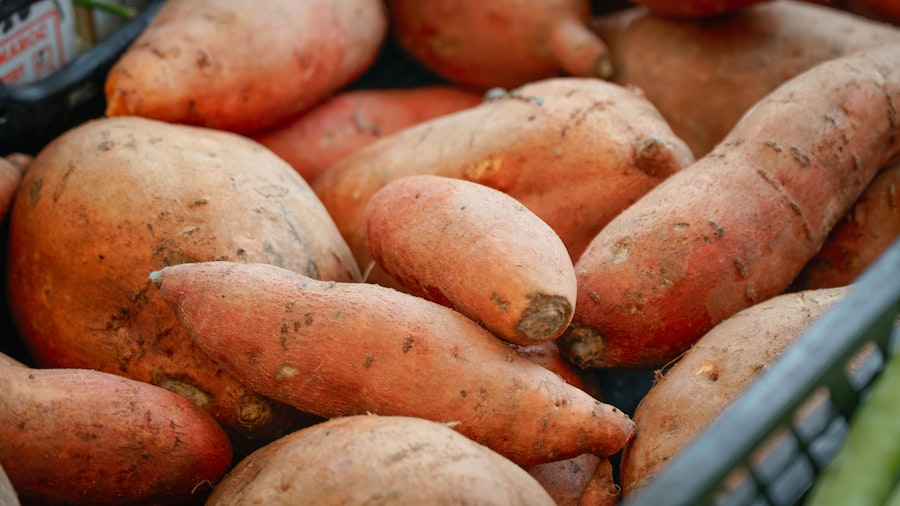
- Sweet potatoes are a highly nutritious root vegetable that is not part of the nightshade family.
- The nightshade family includes popular vegetables like tomatoes, peppers, and eggplants.
- Sweet potatoes are not considered nightshades, making them a safe option for those with nightshade sensitivity.
- It is important to consult a healthcare professional before making any significant changes to your diet, especially if you have concerns about nightshades.
The Nutritional Benefits of Sweet Potatoes
Sweet potatoes are often celebrated for their impressive nutritional profile. Rich in vitamins and minerals, they are an excellent source of beta-carotene, which the body converts into vitamin This nutrient is essential for maintaining healthy vision, supporting immune function, and promoting skin health. Additionally, sweet potatoes are high in fiber, which aids digestion and helps maintain a healthy gut microbiome.
The combination of these nutrients makes sweet potatoes a valuable addition to your diet, providing both energy and essential nutrients. Moreover, sweet potatoes are low in calories and have a low glycemic index, making them a smart choice for those looking to manage their weight or blood sugar levels. They also contain antioxidants that help combat oxidative stress in the body, potentially reducing the risk of chronic diseases such as heart disease and cancer.
With their naturally sweet flavor and versatility in cooking, sweet potatoes can be enjoyed in various dishes, from savory to sweet, making them a delightful and nutritious option for any meal.
Understanding the Nightshade Family
The nightshade family encompasses a diverse range of plants, many of which are integral to global cuisines. In addition to the commonly known vegetables like tomatoes and potatoes, the nightshade family includes fruits such as goji berries and bell peppers. Each of these plants contains unique compounds that contribute to their flavor profiles and nutritional benefits.
However, they also share certain characteristics that can lead to health concerns for some individuals. One of the defining features of nightshades is their production of alkaloids, which serve as natural defense mechanisms against pests and diseases. While these compounds can be beneficial in small amounts, they may cause adverse reactions in sensitive individuals.
For example, solanine is an alkaloid found in potatoes that can lead to toxicity if consumed in large quantities. Understanding the complexities of the nightshade family is crucial for making informed dietary choices, especially if you have specific health concerns or sensitivities.
Are Sweet Potatoes Considered Nightshades?
| Question | Answer |
|---|---|
| Are Sweet Potatoes Nightshades? | No, sweet potatoes are not considered nightshades. |
| Reason | Sweet potatoes belong to the Convolvulaceae family, while nightshades belong to the Solanaceae family. |
Despite their name and some similarities in culinary use, sweet potatoes are not classified as nightshades. Instead, they belong to the Convolvulaceae family, which is distinct from the Solanaceae family that encompasses true nightshades. This distinction is important because it means that sweet potatoes do not contain the same alkaloids that can trigger sensitivities or adverse reactions in some individuals who are affected by nightshades.
This classification can provide relief for those who are concerned about their sensitivity to nightshades but still want to enjoy the nutritional benefits of sweet potatoes. By understanding that sweet potatoes are not part of the nightshade family, you can confidently incorporate them into your diet without fear of triggering any negative health effects associated with nightshade consumption.
The Debate Surrounding Sweet Potatoes and Nightshades
The debate surrounding sweet potatoes often arises from misconceptions about their classification and potential health effects. Some individuals who follow strict elimination diets may mistakenly categorize sweet potatoes alongside other nightshades due to their similar culinary uses or because they share certain characteristics with other starchy vegetables. This misunderstanding can lead to unnecessary restrictions in one’s diet, depriving you of the numerous health benefits that sweet potatoes offer.
On the other hand, proponents of a nightshade-free diet may argue that all members of the plant kingdom should be approached with caution, regardless of their classification. This perspective emphasizes individual responses to foods rather than strict categorizations. As a result, some people may choose to avoid sweet potatoes altogether due to their association with nightshades, despite lacking any direct evidence linking them to adverse effects.
This ongoing debate highlights the importance of personal experience and individual dietary needs when making food choices.
Potential Health Concerns Associated with Nightshades
While many people consume nightshades without issue, there are potential health concerns associated with these foods that warrant consideration. For individuals with certain autoimmune conditions or inflammatory disorders, nightshades may exacerbate symptoms due to their alkaloid content. Some studies suggest that these compounds can interfere with nerve function and contribute to inflammation in susceptible individuals.
As a result, those with conditions like rheumatoid arthritis or irritable bowel syndrome may find relief by eliminating nightshades from their diets. Additionally, some people may experience digestive issues when consuming nightshades due to their solanine content or other compounds that can irritate the gut lining. Symptoms may include bloating, gas, or discomfort after meals containing these foods.
It’s essential to listen to your body and pay attention to how you feel after consuming nightshades; if you notice adverse reactions consistently, it may be worth exploring an elimination diet under the guidance of a healthcare professional.
Are Sweet Potatoes Safe for Nightshade Sensitivity?
Given that sweet potatoes are not classified as nightshades, they are generally considered safe for individuals who have sensitivities or allergies to nightshade vegetables. This distinction allows you to enjoy sweet potatoes without worrying about triggering any negative health effects associated with nightshade consumption. In fact, sweet potatoes can serve as an excellent alternative for those looking to diversify their diet while avoiding potential irritants.
However, it’s important to remember that individual responses to foods can vary widely. While most people with nightshade sensitivities can safely consume sweet potatoes, some may still experience discomfort due to other factors such as food intolerances or sensitivities unrelated to nightshades. If you have concerns about incorporating sweet potatoes into your diet, consider consulting with a healthcare professional or registered dietitian who can help you navigate your dietary choices based on your unique health needs.
Exploring the Differences Between Sweet Potatoes and Other Nightshades
When comparing sweet potatoes to other members of the nightshade family, several key differences emerge that highlight why sweet potatoes can be a safer choice for those with sensitivities. First and foremost is their classification; as mentioned earlier, sweet potatoes belong to a different botanical family than tomatoes or eggplants.
Nutritionally speaking, sweet potatoes also stand out from traditional nightshades like white potatoes or peppers. Sweet potatoes are rich in beta-carotene and fiber while being lower in calories compared to many starchy nightshade options. This makes them an excellent choice for those seeking nutrient-dense foods that support overall health without the potential drawbacks associated with other nightshade vegetables.
Tips for Incorporating Sweet Potatoes into a Nightshade-Free Diet
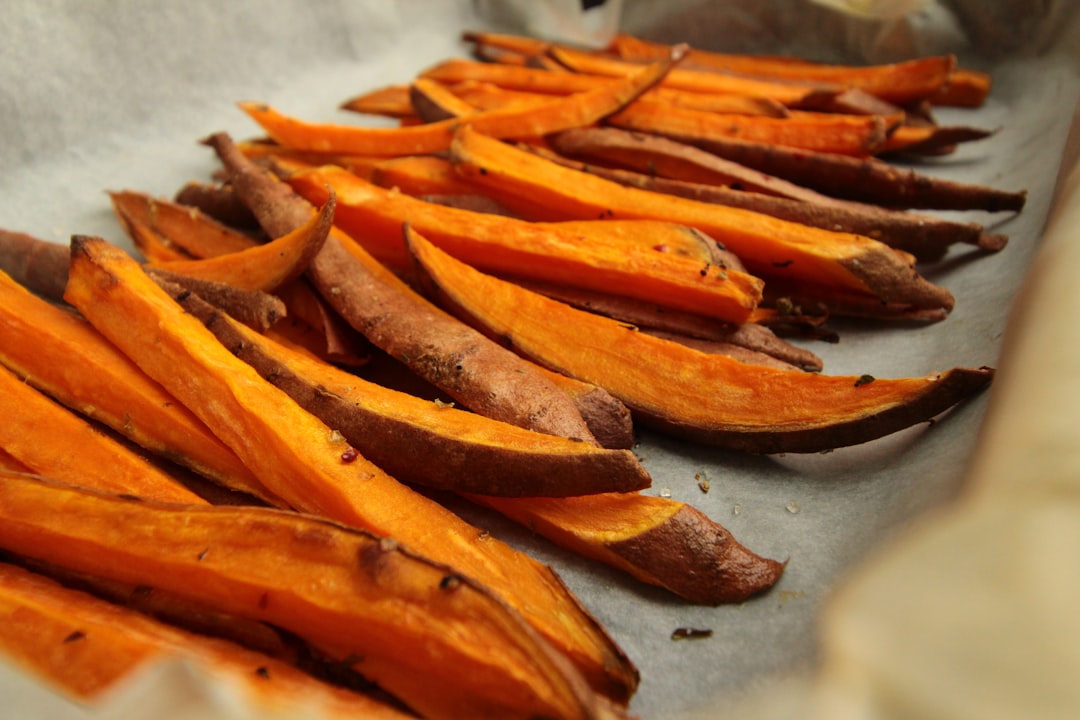
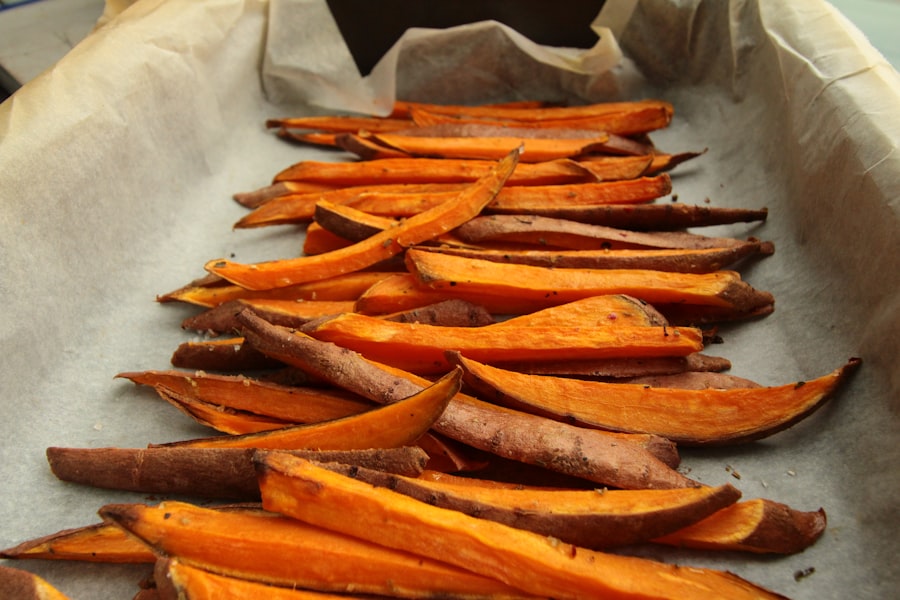
If you’re looking to incorporate sweet potatoes into your diet while avoiding nightshades altogether, there are plenty of delicious ways to do so. One simple method is to roast or bake them as a side dish seasoned with herbs and spices that align with your dietary preferences. You can also mash them with garlic and olive oil for a creamy alternative to mashed potatoes or blend them into smoothies for added sweetness and nutrition.
Another creative way to enjoy sweet potatoes is by using them as a base for various dishes. For instance, you can spiralize them into noodles for a healthy pasta alternative or slice them thinly to create baked sweet potato chips as a satisfying snack. The versatility of sweet potatoes allows you to experiment with different cooking methods and flavors while maintaining a nightshade-free diet.
The Importance of Consulting a Healthcare Professional
As you navigate your dietary choices regarding sweet potatoes and nightshades, it’s crucial to consult with a healthcare professional or registered dietitian if you have specific health concerns or dietary restrictions. They can provide personalized guidance based on your individual needs and help you create a balanced meal plan that aligns with your health goals. A healthcare professional can also assist you in identifying any potential food sensitivities or allergies through testing or elimination diets.
This process ensures that you make informed decisions about what foods work best for your body while minimizing any risks associated with dietary restrictions.
Making Informed Choices About Sweet Potatoes and Nightshades
In conclusion, understanding the relationship between sweet potatoes and nightshades is essential for making informed dietary choices. While sweet potatoes are not classified as nightshades and are generally safe for those with sensitivities, individual responses can vary widely. By exploring the nutritional benefits of sweet potatoes and recognizing their differences from traditional nightshade vegetables, you can confidently incorporate them into your diet.
Ultimately, it’s important to listen to your body and consult with healthcare professionals when necessary. By doing so, you empower yourself to make choices that support your health while enjoying the delicious flavors and nutritional benefits that sweet potatoes have to offer.
Sweet potatoes are often confused with nightshades, but they actually belong to a different plant family. While nightshades include vegetables like tomatoes, potatoes, and eggplants, sweet potatoes are part of the Convolvulaceae family. For those interested in learning more about the nutritional benefits and differences between these plant families, you might find this related article insightful. It delves into the health implications of consuming various vegetables and offers guidance on making informed dietary choices.
Over 60? Ditch THIS Sneaky Veggie Wrecking Digestion, Bloating, and Microbiome Balance.
FAQs
What are nightshades?
Nightshades are a family of plants that includes potatoes, tomatoes, eggplants, and peppers. They contain alkaloids, which are natural compounds that some people may be sensitive to.
Are sweet potatoes nightshades?
No, sweet potatoes are not part of the nightshade family. They belong to the Convolvulaceae family, which is different from the nightshade family.
Can people with nightshade sensitivity eat sweet potatoes?
Yes, people with nightshade sensitivity can typically eat sweet potatoes without any issues, as they do not contain the alkaloids found in nightshade plants.
What are the health benefits of sweet potatoes?
Sweet potatoes are a good source of fiber, vitamins, and minerals. They are high in vitamin A, vitamin C, and potassium, and are also a good source of antioxidants.
Can sweet potatoes be a part of a healthy diet?
Yes, sweet potatoes can be a part of a healthy diet. They are a nutritious and versatile vegetable that can be included in a variety of dishes.