When you think about maintaining a healthy gut, your mind might immediately jump to probiotics or fermented foods. However, one of the unsung heroes of digestive health is cellulose, a type of dietary fiber found abundantly in vegetables. Cellulose is a complex carbohydrate that your body cannot digest, but it plays a crucial role in keeping your digestive system functioning smoothly.
By incorporating cellulose-rich veggies into your diet, you can significantly enhance your gut health and overall well-being. Cellulose acts as a bulking agent in your intestines, helping to regulate bowel movements and prevent constipation. It also serves as food for the beneficial bacteria residing in your gut, promoting a balanced microbiome.
This balance is essential for not only digestion but also for your immune system and mental health. By understanding the importance of cellulose-rich vegetables, you can make informed choices that will benefit your gut and, by extension, your entire body.
Key Takeaways
- Cellulose-rich veggies are important for gut health as they provide essential dietary fiber for digestive function and overall well-being.
- The benefits of cellulose for digestive health include promoting regularity, preventing constipation, and supporting a healthy gut microbiome.
- Cellulose-rich veggies support a healthy gut microbiome by serving as a food source for beneficial gut bacteria, which can improve digestion and nutrient absorption.
- Top cellulose-rich veggies to include in your diet are broccoli, cauliflower, Brussels sprouts, kale, and spinach, as they are packed with cellulose and other essential nutrients.
- Cellulose plays a crucial role in promoting regularity and preventing constipation by adding bulk to the stool and aiding in the movement of waste through the digestive system.
The Benefits of Cellulose for Digestive Health
The benefits of cellulose for digestive health are manifold. First and foremost, cellulose helps to add bulk to your stool, making it easier to pass through your intestines. This can be particularly beneficial if you struggle with irregular bowel movements or constipation.
When you consume adequate amounts of cellulose, you may find that your digestive system operates more efficiently, leading to less discomfort and bloating. Moreover, cellulose can help regulate the speed at which food moves through your digestive tract. This regulation is vital for nutrient absorption; when food moves too quickly, your body may not have enough time to extract essential vitamins and minerals.
Conversely, if food lingers too long in the intestines, it can lead to fermentation and gas production. By including cellulose-rich veggies in your meals, you can strike a balance that promotes optimal digestion and nutrient uptake.
How Cellulose-Rich Veggies Support a Healthy Gut Microbiome
Your gut microbiome is a complex ecosystem of bacteria that plays a pivotal role in your overall health. Cellulose-rich vegetables serve as prebiotics, which are substances that feed the good bacteria in your gut. When you consume these veggies, the cellulose they contain ferments in the large intestine, providing nourishment for beneficial bacteria like Bifidobacteria and Lactobacilli.
This fermentation process not only supports the growth of these good bacteria but also helps to inhibit the growth of harmful bacteria. A healthy gut microbiome is linked to numerous health benefits, including improved digestion, enhanced immune function, and even better mental health. By regularly consuming cellulose-rich vegetables, you can foster a thriving microbiome that contributes to your overall well-being.
Top Cellulose-Rich Veggies to Include in Your Diet
| Veggie | Cellulose Content (per 100g) | Benefits |
|---|---|---|
| Broccoli | 2.6g | High in vitamins and minerals, supports digestion |
| Brussels Sprouts | 3.8g | Rich in antioxidants, supports heart health |
| Spinach | 2.2g | High in iron and vitamins, supports bone health |
| Kale | 3.6g | Rich in nutrients, supports eye health |
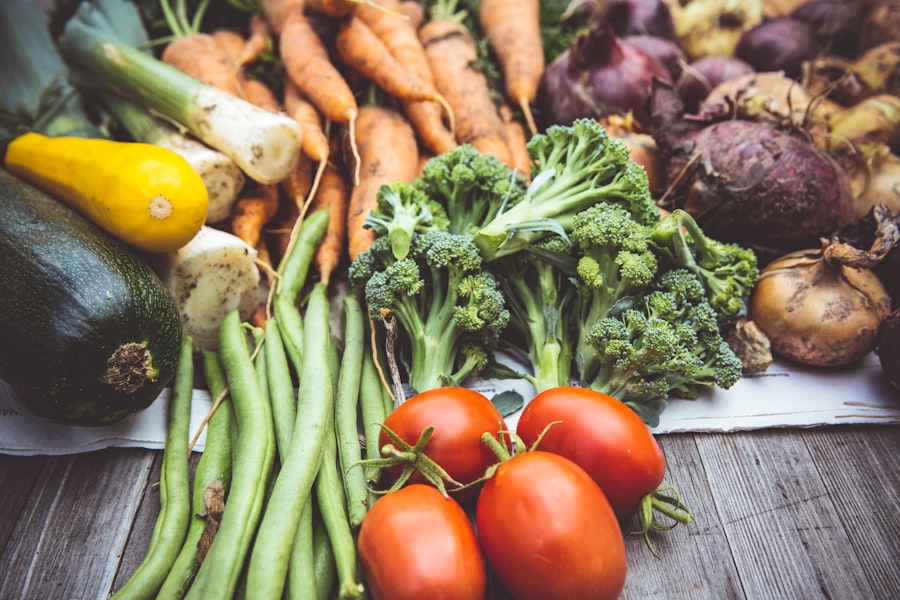
If you’re looking to boost your intake of cellulose-rich vegetables, there are plenty of delicious options to choose from. Leafy greens like kale and spinach are excellent sources of cellulose and can easily be added to salads or smoothies. Cruciferous vegetables such as broccoli and Brussels sprouts are not only rich in cellulose but also packed with vitamins and minerals that support overall health.
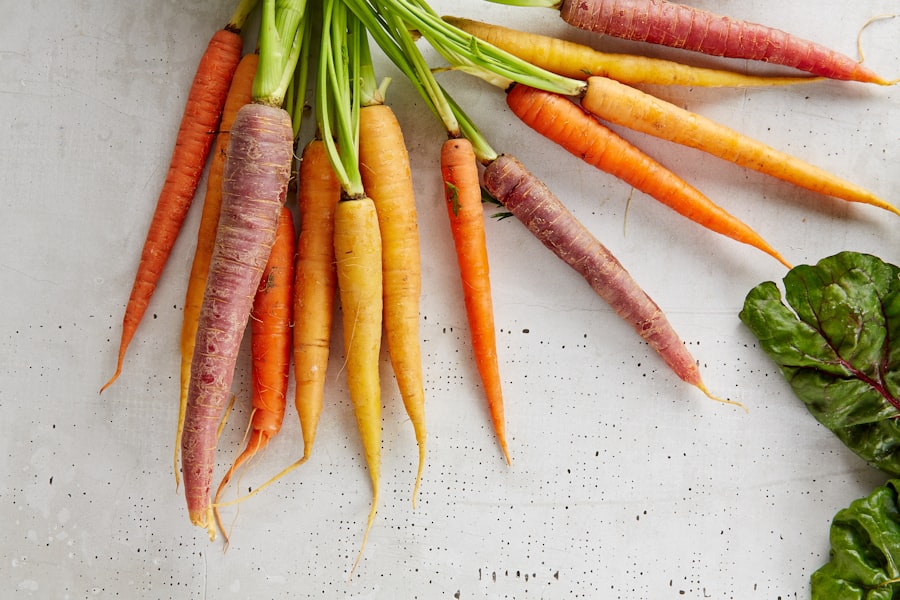
Other great options include carrots, celery, and artichokes. These vegetables can be enjoyed raw as snacks or cooked in various dishes. Incorporating a variety of cellulose-rich veggies into your meals ensures that you receive a broad spectrum of nutrients while also reaping the digestive benefits that cellulose provides.
The key is to experiment with different vegetables and find what you enjoy most.
The Role of Cellulose in Promoting Regularity and Preventing Constipation
One of the most significant roles that cellulose plays in digestive health is promoting regularity and preventing constipation. When you consume foods high in cellulose, they absorb water in your intestines, which helps to soften your stool. This softening effect makes it easier for your body to eliminate waste efficiently.
If you’ve ever experienced the discomfort of constipation, you know how important it is to maintain regular bowel movements. In addition to softening stool, cellulose also stimulates the muscles in your intestines, promoting peristalsis—the wave-like contractions that move food through your digestive tract. This stimulation is crucial for maintaining regularity and preventing sluggish digestion.
By making cellulose-rich veggies a staple in your diet, you can support your body’s natural processes and enjoy a more comfortable digestive experience.
Cooking and Preparation Tips for Cellulose-Rich Veggies
While raw vegetables are an excellent source of cellulose, cooking can also enhance their digestibility without significantly reducing their fiber content. Steaming or lightly sautéing cellulose-rich veggies can make them easier to chew and digest while still preserving their nutritional value. For instance, steaming broccoli or Brussels sprouts can soften their tough fibers while retaining their vibrant color and flavor.
Another effective way to prepare cellulose-rich vegetables is by incorporating them into soups or stews. Cooking them in liquid allows the cellulose to absorb moisture, making them tender while still providing the benefits of dietary fiber. You can also experiment with different seasonings and herbs to enhance the flavor profile of these veggies, making them more enjoyable to eat.
How to Incorporate Cellulose-Rich Veggies into Your Daily Meals
Incorporating cellulose-rich vegetables into your daily meals doesn’t have to be complicated or time-consuming. Start by adding a handful of leafy greens to your morning smoothie or omelet for an easy nutrient boost. You can also toss some shredded carrots or chopped celery into salads or sandwiches for added crunch and fiber.
For lunch or dinner, consider making stir-fries or vegetable-based soups that feature a variety of cellulose-rich veggies. Roasting vegetables like Brussels sprouts or cauliflower can bring out their natural sweetness while providing a satisfying side dish. The key is to be creative and find ways to include these nutritious vegetables in every meal, ensuring that you’re reaping the benefits of cellulose throughout the day.
Potential Side Effects of Consuming Too Much Cellulose
While cellulose is generally beneficial for digestive health, it’s essential to consume it in moderation. Overloading on cellulose-rich foods can lead to gastrointestinal discomfort such as bloating, gas, or cramping. This is particularly true if you’re not used to consuming high-fiber foods regularly; suddenly increasing your intake can overwhelm your digestive system.
To avoid these potential side effects, it’s advisable to gradually increase your consumption of cellulose-rich veggies while also ensuring you’re drinking plenty of water. Staying hydrated helps fiber do its job effectively by softening stool and promoting regularity. By listening to your body and adjusting your intake accordingly, you can enjoy the benefits of cellulose without experiencing discomfort.
The Link Between Cellulose-Rich Veggies and Weight Management
If you’re looking to manage your weight effectively, incorporating cellulose-rich vegetables into your diet can be a game-changer. Foods high in cellulose are typically low in calories but high in volume, meaning they can fill you up without adding excessive calories to your meals. This satiety factor makes it easier to control portion sizes and resist unhealthy snacking.
Moreover, the fiber content in cellulose-rich veggies slows down digestion, which helps regulate blood sugar levels and keeps you feeling full longer after eating. This combination of factors makes these vegetables an excellent choice for anyone looking to maintain or lose weight healthily. By prioritizing cellulose-rich foods in your diet, you can support your weight management goals while also promoting overall health.
Cellulose-Rich Veggies as a Source of Dietary Fiber for Overall Health
Cellulose is just one type of dietary fiber, but it plays an essential role in promoting overall health beyond just digestive benefits. A diet rich in various types of fiber—including soluble and insoluble fibers—can help lower cholesterol levels, regulate blood sugar levels, and even reduce the risk of chronic diseases such as heart disease and diabetes. By including cellulose-rich vegetables as part of a balanced diet, you’re not only supporting your gut health but also contributing to long-term wellness.
The diverse range of nutrients found in these veggies—such as vitamins A, C, K, and various antioxidants—further enhances their health benefits. Embracing a variety of fiber sources will ensure that you’re giving your body what it needs for optimal functioning.
Embracing Cellulose-Rich Veggies for a Happy Gut
In conclusion, embracing cellulose-rich vegetables is a simple yet effective way to support your gut health and overall well-being. From promoting regularity and preventing constipation to nourishing your gut microbiome and aiding in weight management, the benefits are clear. By incorporating a variety of these nutritious veggies into your daily meals and experimenting with different cooking methods, you can enjoy both their flavor and health advantages.
As you embark on this journey toward better gut health, remember that balance is key. Gradually increase your intake of cellulose-rich foods while staying hydrated to maximize their benefits without discomfort. By making these dietary choices a priority, you’re taking significant steps toward achieving a happy gut and enhancing your quality of life.
If you’re interested in learning more about the benefits of vegetables high in cellulose, you might find this related article on the importance of dietary fiber for seniors particularly insightful. It delves into how fiber-rich foods, such as those high in cellulose, can aid in digestion and promote overall health. For more detailed information, you can read the full article by visiting Explore Senior Health.
Over 60? Ditch THIS Sneaky Veggie Wrecking Digestion, Bloating, and Microbiome Balance.
FAQs
What are vegetables high in cellulose?
Vegetables high in cellulose are those that contain a significant amount of this insoluble fiber, such as broccoli, cauliflower, kale, spinach, and carrots.
Why is cellulose important in vegetables?
Cellulose is important in vegetables because it provides structure and support to plant cell walls, and it also acts as a dietary fiber that aids in digestion and promotes overall gut health.
How does cellulose benefit the body?
Cellulose benefits the body by promoting regular bowel movements, preventing constipation, and helping to maintain a healthy digestive system. It also contributes to a feeling of fullness and can aid in weight management.
Are there any health concerns associated with consuming vegetables high in cellulose?
While cellulose is generally beneficial for health, consuming large amounts of it without adequate hydration can potentially lead to digestive issues such as bloating or discomfort. It’s important to drink plenty of water when consuming high-cellulose vegetables.
How can I incorporate vegetables high in cellulose into my diet?
You can incorporate vegetables high in cellulose into your diet by adding them to salads, stir-fries, soups, or smoothies. They can also be roasted, steamed, or eaten raw as a snack with hummus or other dips.