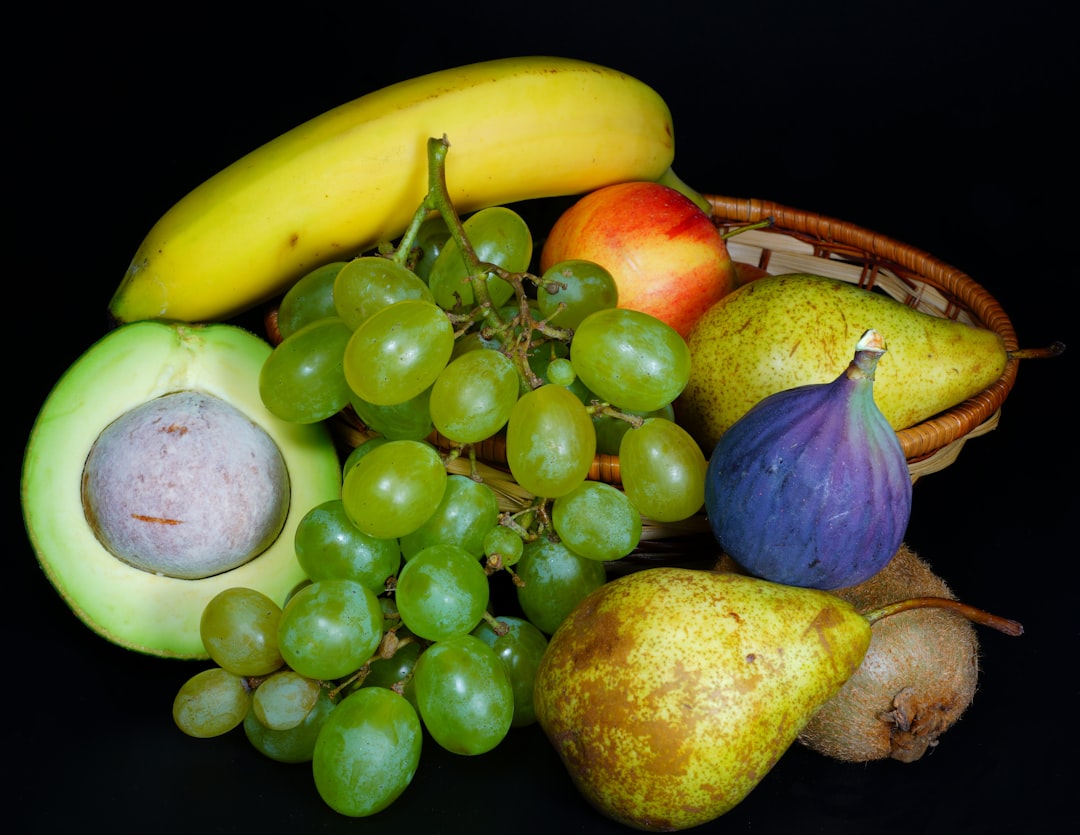
As you journey through life, the concept of aging becomes increasingly significant. Healthy aging is not merely about adding years to your life; it’s about enhancing the quality of those years. You may find that maintaining vitality, mental clarity, and physical well-being becomes a priority as you age.
The choices you make today can have a profound impact on how you feel tomorrow. Embracing a lifestyle that promotes healthy aging involves understanding the importance of nutrition, physical activity, and mental health. In this article, you will explore various strategies to enhance your diet, focusing on food swaps that can lead to healthier choices.
By making small yet impactful changes in your eating habits, you can support your body and mind as you age. The journey toward healthy aging is not a sprint but a marathon, and every step you take can lead to a more vibrant and fulfilling life.
Key Takeaways
- Healthy aging is important for maintaining overall well-being and quality of life.
- Nutrition plays a crucial role in the aging process, impacting physical and cognitive health.
- Understanding food swaps can help individuals make healthier choices and improve their diet.
- Swapping processed foods for whole foods can provide more nutrients and reduce the intake of unhealthy additives.
- Substituting sugary snacks with fresh fruits can help reduce the consumption of added sugars and increase the intake of vitamins and minerals.
The Importance of Nutrition in Aging
Nutrition plays a pivotal role in the aging process. As you age, your body undergoes various changes that can affect how it processes nutrients. You may notice that your metabolism slows down, or you might require different vitamins and minerals to maintain optimal health.
A well-balanced diet rich in essential nutrients can help combat age-related issues such as osteoporosis, heart disease, and cognitive decline. By prioritizing nutrition, you empower yourself to age gracefully and maintain your independence. Moreover, the right nutrition can enhance your energy levels and improve your mood.
Incorporating a variety of fruits, vegetables, whole grains, and lean proteins into your diet can provide the necessary fuel for your body and mind. As you become more aware of the impact of nutrition on your overall health, you can make informed choices that support your journey toward healthy aging.
Understanding Food Swaps

Food swaps are an effective way to improve your diet without feeling deprived. Instead of completely overhauling your eating habits, consider making gradual changes by substituting less healthy options with more nutritious alternatives. This approach allows you to enjoy the foods you love while still prioritizing your health.
Understanding the concept of food swaps can empower you to make better choices that align with your goals for healthy aging. When you think about food swaps, consider what you typically eat and how those choices can be modified for better health outcomes. For instance, if you often reach for processed snacks or sugary treats, think about what healthier options could satisfy your cravings without compromising your well-being.
By being mindful of your food choices and exploring alternatives, you can create a balanced diet that supports your body as it ages.
Swapping Processed Foods for Whole Foods
| Metrics | Processed Foods | Whole Foods |
|---|---|---|
| Calories | Higher | Lower |
| Nutrients | Lower | Higher |
| Added Sugar | Higher | Lower |
| Fiber | Lower | Higher |
| Processing | Highly Processed | Minimally Processed |
One of the most impactful changes you can make in your diet is swapping processed foods for whole foods. Processed foods often contain high levels of sugar, unhealthy fats, and preservatives that can negatively affect your health over time. By choosing whole foods—such as fresh fruits, vegetables, nuts, seeds, and whole grains—you provide your body with essential nutrients that promote overall well-being.
Whole foods are typically more nutrient-dense than their processed counterparts. For example, instead of reaching for a bag of chips, consider snacking on raw almonds or carrot sticks with hummus. These alternatives not only offer better nutritional value but also keep you feeling fuller for longer.
As you incorporate more whole foods into your diet, you may notice improvements in your energy levels, digestion, and even mood.
Substituting Sugary Snacks with Fresh Fruits
If you have a sweet tooth, it’s easy to reach for sugary snacks when cravings hit. However, these snacks often lead to energy crashes and can contribute to weight gain over time. Instead of indulging in candy bars or cookies, consider substituting them with fresh fruits.
Fruits are naturally sweet and packed with vitamins, minerals, and fiber that are beneficial for your health. For instance, if you’re craving something sweet after dinner, try enjoying a bowl of mixed berries or a sliced apple with a sprinkle of cinnamon. Not only will these options satisfy your sweet cravings, but they also provide antioxidants that help combat oxidative stress in the body.
By making this simple swap, you can enjoy the sweetness of fruit while nourishing your body at the same time.
Choosing Lean Proteins over Fatty Meats
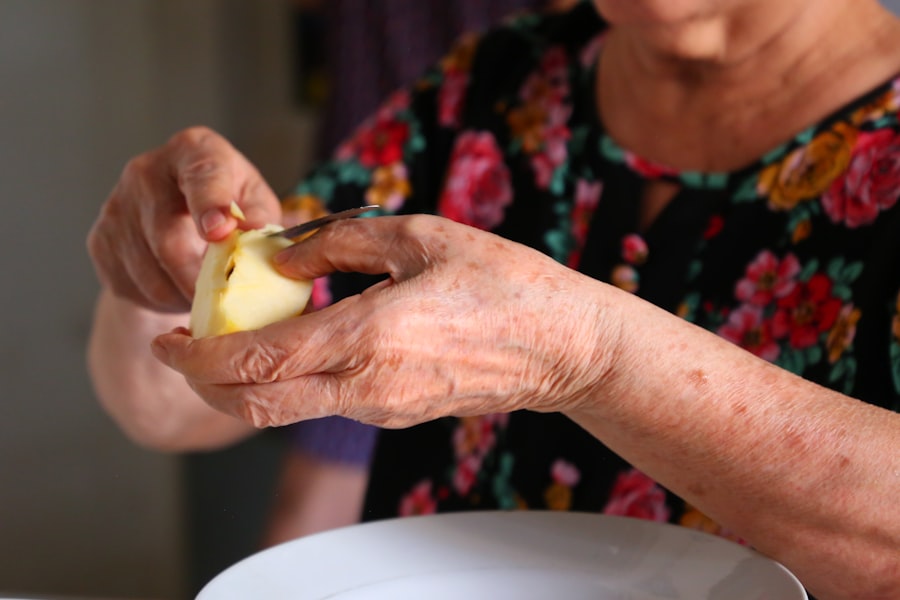
When it comes to protein sources in your diet, opting for lean proteins over fatty meats can significantly impact your health as you age. Fatty cuts of meat often contain higher levels of saturated fats that can contribute to heart disease and other health issues. Instead, consider incorporating lean proteins such as chicken breast, turkey, fish, beans, and legumes into your meals.
Lean proteins not only support muscle maintenance but also help keep you feeling satisfied without excess calories. For example, instead of frying a fatty steak for dinner, try grilling or baking a piece of salmon paired with steamed vegetables. This swap not only enhances the nutritional profile of your meal but also introduces healthy omega-3 fatty acids that are beneficial for heart health and cognitive function.
Incorporating Whole Grains in Place of Refined Carbohydrates
Refined carbohydrates are often stripped of their nutrients during processing and can lead to spikes in blood sugar levels. By swapping refined grains like white bread and pasta for whole grains such as brown rice, quinoa, or whole wheat bread, you can improve your overall health significantly. Whole grains are rich in fiber, which aids digestion and helps maintain steady energy levels throughout the day.
Incorporating whole grains into your meals doesn’t have to be complicated. You might start by replacing white rice with quinoa in your favorite stir-fry or choosing whole grain bread for sandwiches instead of white bread. These small changes can lead to better digestion and sustained energy levels while also providing essential nutrients that support healthy aging.
Opting for Healthy Fats Instead of Trans Fats
Fats are an essential part of a balanced diet; however, not all fats are created equal. Trans fats—often found in processed foods—can increase bad cholesterol levels and raise the risk of heart disease. Instead of reaching for snacks containing trans fats, consider opting for healthy fats found in avocados, nuts, seeds, and olive oil.
Healthy fats play a crucial role in brain health and hormone regulation as you age. For instance, using olive oil as a dressing for salads or drizzling it over roasted vegetables can enhance flavor while providing beneficial monounsaturated fats. By making this swap in your cooking and snacking habits, you can support heart health and overall well-being.
Swapping High-Sodium Foods for Low-Sodium Options
High sodium intake is linked to various health issues such as hypertension and heart disease. As you age, it becomes increasingly important to monitor your sodium consumption. Instead of reaching for processed foods that are often high in sodium—like canned soups or frozen meals—consider preparing fresh meals using herbs and spices for flavor.
You might find that cooking at home allows you to control the amount of salt in your meals while also experimenting with different flavors. For example, instead of seasoning your dishes with salt-heavy sauces or condiments, try using garlic powder, lemon juice, or fresh herbs to enhance taste without adding excess sodium. This simple swap can lead to better heart health and improved overall wellness.
Replacing Sugary Beverages with Water or Herbal Teas
Sugary beverages are often loaded with empty calories that provide little nutritional value while contributing to weight gain and other health issues. Instead of reaching for soda or sweetened coffee drinks, consider replacing them with water or herbal teas. Staying hydrated is essential for maintaining energy levels and supporting bodily functions as you age.
Herbal teas offer a variety of flavors without added sugars and can provide additional health benefits depending on the type you choose. For instance, chamomile tea may promote relaxation while green tea is known for its antioxidant properties. By making this swap in your daily routine, you not only reduce sugar intake but also encourage healthier hydration habits.
Conclusion and Tips for Successful Food Swaps
As you embark on the journey toward healthier eating habits for aging gracefully, remember that small changes can lead to significant improvements over time. Food swaps are an effective strategy to enhance your diet without feeling overwhelmed by drastic changes. Start by identifying one or two swaps that resonate with you and gradually incorporate them into your daily routine.
Additionally, keep an open mind about trying new foods and recipes that align with your goals for healthy aging. Experimenting with different flavors and cooking methods can make the process enjoyable rather than restrictive. Surround yourself with supportive friends or family members who share similar health goals; this camaraderie can motivate you to stay on track.
Ultimately, healthy aging is about making informed choices that benefit both your body and mind. By prioritizing nutrition through thoughtful food swaps, you empower yourself to live a vibrant life filled with energy and vitality as you age gracefully.
Incorporating healthy food swaps into your diet can significantly contribute to better aging and overall well-being. For instance, replacing refined grains with whole grains, opting for lean proteins instead of red meats, and choosing healthy fats like avocados and nuts over saturated fats can make a substantial difference. For more insights on how to make these beneficial changes, you can read a related article on healthy aging food swaps at com/’>Explore Senior Health.
This resource provides valuable tips and strategies to help seniors maintain a nutritious diet that supports longevity and vitality.
Over 60? Ditch THIS Sneaky Veggie Wrecking Digestion, Bloating, and Microbiome Balance.
FAQs
What are some healthy food swaps for aging adults?
Some healthy food swaps for aging adults include replacing white bread with whole grain bread, swapping sugary snacks for fresh fruit, and choosing lean protein sources like fish and poultry instead of red meat.
Why are healthy food swaps important for aging adults?
Healthy food swaps are important for aging adults because they can help maintain a healthy weight, reduce the risk of chronic diseases, and provide essential nutrients for overall health and well-being.
What are some examples of healthy fats that can be used as food swaps for aging adults?
Healthy fats that can be used as food swaps for aging adults include avocado as a substitute for butter or mayonnaise, olive oil instead of vegetable oil for cooking, and nuts and seeds as a snack instead of chips or crackers.
How can aging adults incorporate more vegetables into their diet through food swaps?
Aging adults can incorporate more vegetables into their diet through food swaps by replacing pasta with spiralized vegetables, using lettuce wraps instead of bread for sandwiches, and adding extra vegetables to soups, stews, and stir-fries.
What are some healthy beverage swaps for aging adults?
Healthy beverage swaps for aging adults include choosing water or herbal tea instead of sugary sodas or fruit juices, opting for unsweetened almond or coconut milk instead of cow’s milk, and enjoying sparkling water with a splash of fruit juice instead of sugary cocktails or mixed drinks.