As you age, your body undergoes various changes, and one of the conditions that can arise is Irritable Bowel Syndrome (IBS). This gastrointestinal disorder affects the large intestine and can lead to symptoms such as abdominal pain, bloating, gas, diarrhea, and constipation. For seniors, the impact of IBS can be particularly challenging, as it may exacerbate existing health issues or complicate daily activities.
Understanding IBS is crucial for managing its symptoms effectively and maintaining a good quality of life. IBS is often characterized by its unpredictable nature, which can make it difficult for you to plan your day. The symptoms can vary widely from person to person, and they may fluctuate in intensity.
This variability can lead to frustration and anxiety, especially when you are unsure of what might trigger an episode. Factors such as stress, dietary choices, and even hormonal changes can play a significant role in the onset of IBS symptoms. Recognizing these triggers is essential for developing a personalized management plan that suits your lifestyle.
Key Takeaways
- Understanding IBS in seniors: IBS is a common digestive disorder that can cause discomfort and distress in seniors.
- Role of diet in managing IBS: Diet plays a crucial role in managing IBS symptoms and can greatly impact a senior’s quality of life.
- Nutritional benefits of green peppers: Green peppers are rich in essential nutrients and can be beneficial for seniors with IBS.
- Alleviating digestive discomfort: Green peppers can help alleviate digestive discomfort and provide relief for seniors with IBS.
- Incorporating green peppers into a senior’s diet: There are various ways to incorporate green peppers into a senior’s diet to help manage IBS symptoms and improve overall health.
The Role of Diet in Managing IBS Symptoms
Diet plays a pivotal role in managing IBS symptoms, particularly for seniors who may have specific dietary needs or restrictions. What you eat can significantly influence how your digestive system functions. Certain foods may exacerbate symptoms, while others can help alleviate discomfort.
By understanding the relationship between diet and IBS, you can make informed choices that promote better digestive health. For many seniors, adopting a diet that is low in FODMAPs (fermentable oligosaccharides, disaccharides, monosaccharides, and polyols) can be beneficial. This approach involves reducing the intake of certain carbohydrates that are poorly absorbed in the small intestine, leading to gas production and bloating.
Foods high in FODMAPs include certain fruits, vegetables, dairy products, and grains. By identifying and eliminating these triggers from your diet, you may experience a significant reduction in IBS symptoms.
Nutritional Benefits of Green Peppers for Seniors with IBS
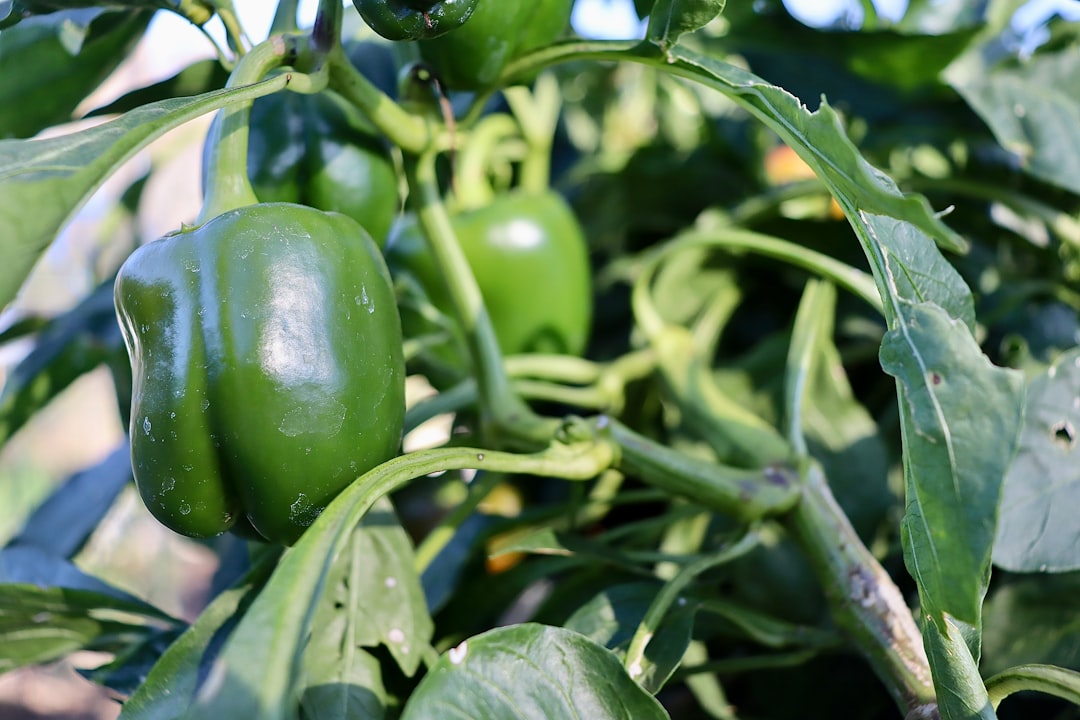
Green peppers are a versatile vegetable that can offer numerous nutritional benefits for seniors dealing with IBS. They are low in calories and high in essential vitamins and minerals, making them an excellent addition to your diet. Rich in vitamin C, green peppers can help boost your immune system while also providing antioxidants that combat oxidative stress.
This is particularly important for seniors, as a strong immune system is vital for overall health. In addition to vitamin C, green peppers contain a variety of other nutrients that contribute to digestive health. They are a good source of dietary fiber, which is essential for maintaining regular bowel movements and preventing constipation.
For seniors with IBS, incorporating fiber-rich foods like green peppers can help regulate digestion and alleviate some of the discomfort associated with the condition. Furthermore, their high water content can aid in hydration, which is crucial for maintaining optimal digestive function.
How Green Peppers Can Help Alleviate Digestive Discomfort
| Benefit | Explanation |
|---|---|
| High Fiber Content | Helps promote healthy digestion and prevent constipation. |
| Rich in Vitamins A and C | Supports the immune system and aids in the repair of digestive tissues. |
| Antioxidant Properties | May reduce inflammation in the digestive tract and protect against digestive disorders. |
| Low in FODMAPs | Suitable for individuals with irritable bowel syndrome (IBS) and other digestive sensitivities. |
The unique composition of green peppers makes them particularly beneficial for alleviating digestive discomfort associated with IBS. Their fiber content helps promote healthy bowel movements by adding bulk to your stool and facilitating its passage through the intestines. This can be especially helpful if you experience constipation as part of your IBS symptoms.
By including green peppers in your meals, you may find that your digestive system functions more smoothly. Moreover, green peppers are low in FODMAPs, making them a safe choice for many individuals with IBS. Unlike some other vegetables that may trigger symptoms, green peppers are less likely to cause gas or bloating.
This makes them an ideal option for seniors who want to enjoy flavorful meals without the fear of exacerbating their digestive issues. By incorporating green peppers into your diet, you can enjoy their taste while also supporting your digestive health.
Incorporating Green Peppers into a Senior’s Diet
Incorporating green peppers into your diet can be both enjoyable and straightforward. They can be eaten raw in salads or as snacks with dips like hummus or yogurt-based dressings. Their crisp texture adds a refreshing crunch to various dishes, making them an appealing choice for seniors looking to enhance their meals without compromising their digestive health.
You might also consider adding green peppers to stir-fries, omelets, or casseroles. Their vibrant color and mild flavor complement a wide range of ingredients, allowing you to experiment with different recipes while reaping the nutritional benefits they offer.
Cooking and Preparing Green Peppers for Seniors with IBS
When preparing green peppers for seniors with IBS, it’s essential to consider cooking methods that maximize their nutritional benefits while minimizing any potential digestive discomfort. Steaming or sautéing green peppers can soften their texture and make them easier to digest compared to eating them raw. This is particularly important for seniors who may have difficulty chewing or swallowing.
You might also want to experiment with different seasonings and herbs to enhance the flavor of green peppers without adding excessive salt or fat. Using olive oil, garlic powder, or fresh herbs can elevate the taste while keeping the dish healthy. Remember to listen to your body and adjust cooking methods based on how you respond to different preparations of green peppers.
Other Ways to Manage IBS Symptoms in Seniors
While dietary changes are crucial for managing IBS symptoms, there are additional strategies you can employ to enhance your overall well-being. Stress management techniques such as mindfulness meditation or gentle yoga can help reduce anxiety and improve gut health. Engaging in regular physical activity is also beneficial; even light exercises like walking can promote digestion and alleviate symptoms.
Staying hydrated is another essential aspect of managing IBS. Drinking plenty of water throughout the day helps maintain proper digestion and prevents constipation. You might also consider keeping a food diary to track what you eat and how it affects your symptoms.
This can provide valuable insights into your triggers and help you make informed dietary choices moving forward.
The Importance of Fiber in a Senior’s Diet for IBS Management
Fiber is a critical component of any senior’s diet, especially for those managing IBS. It plays a vital role in promoting regular bowel movements and preventing constipation—a common issue among older adults. By incorporating fiber-rich foods like green peppers into your meals, you can support your digestive health while also enjoying a variety of flavors.
There are two types of fiber: soluble and insoluble. Soluble fiber helps absorb water and forms a gel-like substance in the intestines, which can aid in regulating bowel movements. Insoluble fiber adds bulk to your stool and helps it pass more easily through the digestive tract.
A balanced intake of both types of fiber is essential for optimal gut health, making it important to include a diverse range of fiber-rich foods in your diet.
Green Peppers as a Source of Vitamin C and Other Essential Nutrients for Seniors
Green peppers are not only low in calories but also packed with essential nutrients that contribute to overall health. One of their standout features is their high vitamin C content, which plays a crucial role in supporting the immune system and promoting skin health. For seniors, maintaining a robust immune system is vital for preventing illness and ensuring longevity.
In addition to vitamin C, green peppers contain other important nutrients such as vitamin A, vitamin K, and various B vitamins. These vitamins contribute to various bodily functions, including vision health, blood clotting, and energy metabolism. By incorporating green peppers into your diet regularly, you can ensure that you’re getting a well-rounded intake of essential nutrients that support your overall well-being.
Potential Risks and Considerations When Introducing Green Peppers to a Senior’s Diet
While green peppers offer numerous health benefits, it’s essential to approach their introduction into your diet with caution—especially if you have IBS or other digestive issues. Some individuals may experience sensitivity to certain vegetables, including bell peppers, which could lead to discomfort or exacerbation of symptoms. It’s advisable to start with small portions and monitor how your body reacts before increasing your intake.
Additionally, if you have any existing allergies or intolerances to nightshade vegetables (a family that includes bell peppers), it’s crucial to avoid them altogether. Always consult with a healthcare professional if you’re unsure about how specific foods may affect your condition or if you’re considering significant dietary changes.
Consulting with a Healthcare Professional for Individualized IBS Management in Seniors
Managing IBS effectively requires a personalized approach tailored to your unique needs and circumstances. Consulting with a healthcare professional—such as a registered dietitian or gastroenterologist—can provide valuable insights into managing your symptoms more effectively. They can help you develop an individualized dietary plan that considers your preferences while addressing any specific triggers related to your IBS.
Regular check-ins with healthcare professionals can also help you stay informed about new research or treatment options available for managing IBS in seniors. By working collaboratively with experts in the field, you can empower yourself to take control of your digestive health and improve your overall quality of life as you age. In conclusion, understanding IBS and its management is crucial for seniors seeking relief from digestive discomfort.
By focusing on dietary choices—such as incorporating green peppers—you can take proactive steps toward improving your gut health while enjoying delicious meals tailored to your needs. Remember that every individual is different; therefore, consulting with healthcare professionals will ensure that you receive personalized guidance on managing IBS effectively.
Green peppers, while nutritious, can sometimes be a concern for seniors dealing with Irritable Bowel Syndrome (IBS) due to their potential to cause digestive discomfort. It’s important for seniors to understand how different foods can impact their IBS symptoms. An insightful article discussing dietary considerations for seniors with IBS, including the effects of consuming green peppers, can be found on Explore Senior Health. For more detailed information, you can read the article by visiting this link. This resource provides valuable guidance on managing IBS through diet, helping seniors make informed choices about their food intake.
Over 60? Ditch THIS Sneaky Veggie Wrecking Digestion, Bloating, and Microbiome Balance.
FAQs
What is IBS?
IBS stands for Irritable Bowel Syndrome, which is a common disorder that affects the large intestine. It can cause symptoms such as abdominal pain, bloating, gas, diarrhea, and constipation.
What are green peppers?
Green peppers, also known as bell peppers, are a type of vegetable that belongs to the nightshade family. They are low in calories and rich in vitamins and antioxidants.
Can green peppers trigger IBS symptoms in seniors?
Some seniors with IBS may find that certain foods, including green peppers, can trigger their symptoms. This can vary from person to person, so it’s important for seniors to pay attention to their own reactions to different foods.
Are green peppers considered a high FODMAP food?
Yes, green peppers are considered a high FODMAP food. FODMAPs are a group of carbohydrates that can trigger IBS symptoms in some people, and green peppers contain certain types of FODMAPs.
What are some alternative vegetables for seniors with IBS?
Seniors with IBS may find relief by choosing low FODMAP vegetables such as carrots, cucumbers, lettuce, and zucchini. These vegetables are less likely to trigger IBS symptoms.