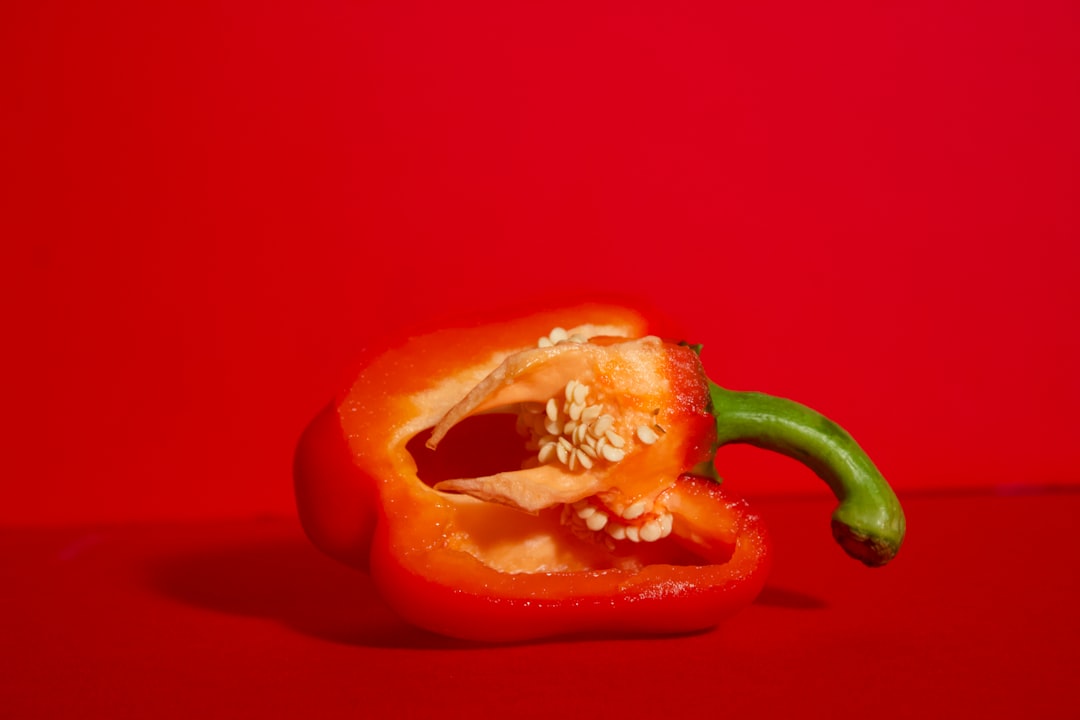
Solanine is a naturally occurring glycoalkaloid that can be found in various members of the nightshade family, which includes potatoes, tomatoes, and peppers. This compound serves as a defense mechanism for the plant, protecting it from pests and diseases. While solanine is present in many foods, it is particularly notable for its potential toxicity when consumed in high amounts.
You may be surprised to learn that solanine is not just a single compound but rather a group of related compounds that can vary in structure and potency. In the context of human consumption, solanine can lead to a range of health issues if ingested in excessive quantities. Symptoms of solanine poisoning can include nausea, vomiting, diarrhea, and even neurological disturbances in severe cases.
Understanding solanine is crucial for anyone who enjoys cooking with or consuming nightshade vegetables, as it can help you make informed choices about your diet and health.
Key Takeaways
- Solanine is a toxic compound found in nightshade plants, including peppers, and can cause symptoms of poisoning when consumed in high amounts.
- Solanine content in peppers varies depending on the type, with green and unripe peppers containing higher levels compared to ripe, red peppers.
- Consuming high levels of solanine in peppers can lead to potential health risks such as gastrointestinal issues, headaches, and even paralysis in severe cases.
- Safe consumption levels of solanine in peppers are generally considered to be below 20 mg per 100 grams of pepper.
- Cooking methods such as boiling, baking, and frying can help reduce solanine content in peppers, while signs of solanine poisoning include nausea, vomiting, and diarrhea.
The Role of Solanine in Peppers
In peppers, solanine plays a similar protective role as it does in other nightshades. The compound helps deter herbivores and pathogens, ensuring the plant’s survival and reproductive success. When you bite into a pepper, you may not think about the chemical defenses that have evolved over time to protect it from being eaten by insects or animals.
This natural defense mechanism is what makes solanine an interesting topic for both botanists and food enthusiasts alike. However, while solanine serves a purpose for the plant, it can pose risks for you as a consumer. The levels of solanine in peppers can vary significantly depending on several factors, including the type of pepper and its growing conditions.
As you explore different varieties of peppers, it’s essential to be aware of how solanine content can impact your health and culinary experience.
How Solanine Content Varies in Different Types of Peppers
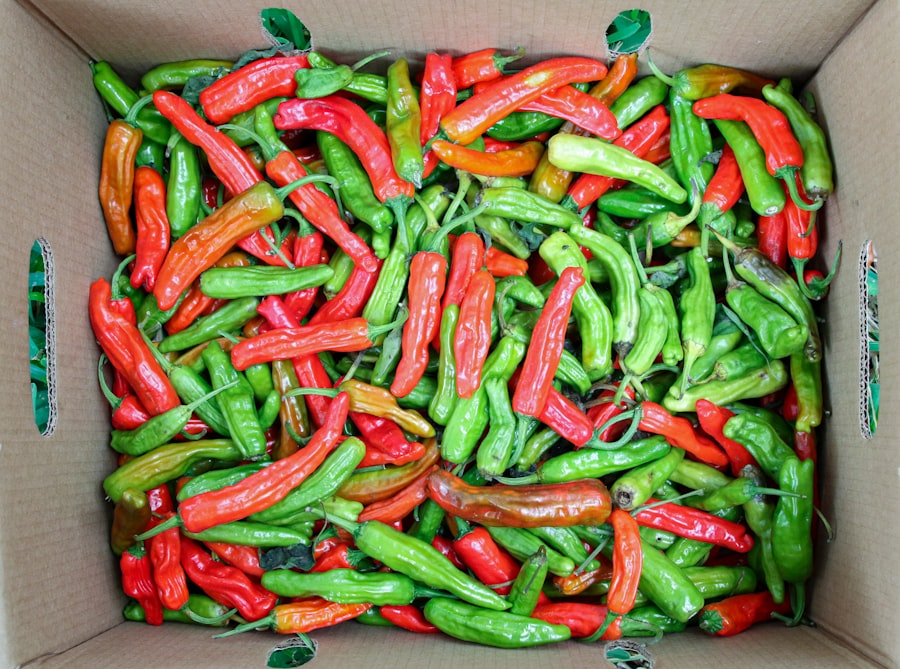
The solanine content in peppers is not uniform; it varies widely among different types. For instance, bell peppers generally contain lower levels of solanine compared to hotter varieties like jalapeños or habaneros. This variation can be attributed to the genetic makeup of each pepper type and how they have been cultivated over generations.
If you enjoy experimenting with different pepper varieties in your cooking, understanding these differences can help you choose the right ones for your dishes. Moreover, the ripeness of the pepper also plays a significant role in solanine levels. Unripe peppers tend to have higher concentrations of solanine compared to their fully ripened counterparts.
This means that if you are harvesting your own peppers or purchasing them from a market, opting for fully ripe options can help minimize your exposure to this compound. By being mindful of the types and ripeness of peppers you choose, you can enjoy their flavors while keeping solanine levels in check.
Potential Health Risks of Consuming High Levels of Solanine
| Health Risk | Potential Effect |
|---|---|
| Stomach Issues | Can cause nausea, vomiting, and diarrhea |
| Neurological Effects | May lead to headaches, dizziness, and confusion |
| Heart Problems | Can affect heart rate and blood pressure |
| Respiratory Issues | May cause difficulty breathing and chest pain |
While solanine is present in many foods we consume daily, excessive intake can lead to serious health risks. Symptoms of solanine poisoning can manifest within hours after consumption and may include gastrointestinal distress such as nausea and vomiting. In more severe cases, neurological symptoms like confusion or hallucinations may occur.
If you find yourself experiencing any adverse effects after consuming peppers or other nightshades, it’s crucial to seek medical attention promptly. The risk of solanine poisoning is particularly concerning for vulnerable populations such as children or individuals with compromised immune systems. For these groups, even small amounts of solanine can lead to more pronounced symptoms.
Therefore, being aware of the potential health risks associated with high levels of solanine is essential for everyone but especially important for those who may be more susceptible to its effects.
How to Determine Solanine Content in Peppers
Determining the exact solanine content in peppers can be challenging without specialized equipment and laboratory testing. However, there are some practical methods you can use to gauge whether a pepper might have higher levels of this compound. For instance, if you notice any green patches on a pepper, it may indicate higher solanine levels since greening often occurs when the fruit is exposed to light during growth.
Additionally, if you are growing your own peppers, keeping track of their ripeness is vital. As mentioned earlier, unripe peppers typically contain more solanine than ripe ones. By monitoring the color and firmness of your peppers, you can make educated guesses about their solanine content.
While these methods may not provide precise measurements, they can help you make safer choices when selecting peppers for your meals.
Factors That Affect Solanine Levels in Peppers
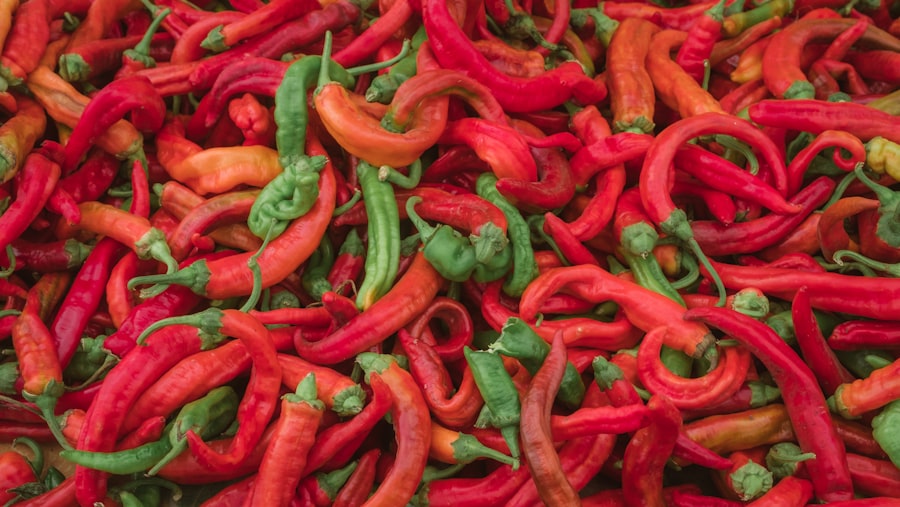
Several factors influence the solanine levels found in peppers, including environmental conditions and agricultural practices. For example, stress factors such as drought or pest infestations can lead to increased solanine production as the plant ramps up its defenses.
Additionally, the soil quality and nutrient availability play a significant role in determining how much solanine a pepper plant produces. Well-nourished plants are generally healthier and may produce lower levels of harmful compounds like solanine. If you’re interested in growing your own peppers, investing time in soil preparation and maintenance can lead to healthier plants with potentially lower levels of this glycoalkaloid.
Safe Consumption Levels of Solanine in Peppers
Understanding safe consumption levels of solanine is crucial for enjoying peppers without adverse effects. While there isn’t a universally accepted threshold for solanine intake from peppers specifically, general guidelines suggest that consuming small amounts is typically safe for most people. The key is moderation; enjoying a variety of peppers as part of a balanced diet will likely keep your overall exposure to solanine within safe limits.
If you’re particularly concerned about solanine levels due to personal health conditions or dietary restrictions, consulting with a healthcare professional or nutritionist can provide tailored advice. They can help you determine what constitutes safe consumption levels based on your individual circumstances and dietary needs.
How to Reduce Solanine Content in Peppers
If you’re worried about solanine levels but still want to enjoy the unique flavors that peppers offer, there are several strategies you can employ to reduce their content. One effective method is to peel the skin off certain types of peppers before cooking or consuming them. The skin often contains higher concentrations of glycoalkaloids like solanine, so removing it can help lower your overall intake.
Another approach is to cook your peppers thoroughly before eating them. Cooking methods such as boiling or frying can help break down some of the glycoalkaloids present in the fruit. While this won’t eliminate solanine entirely, it may reduce its concentration enough to make consumption safer and more enjoyable.
Cooking Methods to Minimize Solanine Levels in Peppers
When it comes to cooking methods that minimize solanine levels in peppers, certain techniques stand out as particularly effective. Boiling is one such method; by immersing peppers in boiling water for several minutes, you can help leach out some of the glycoalkaloids into the water. Just be sure to discard the water afterward to avoid reintroducing any solanine back into your dish.
Another cooking technique that may help reduce solanine levels is roasting or grilling at high temperatures. These methods not only enhance the flavor profile of the peppers but also contribute to breaking down harmful compounds like solanine. If you’re looking for ways to enjoy peppers while minimizing potential risks, incorporating these cooking techniques into your culinary repertoire can be beneficial.
Identifying Signs of Solanine Poisoning
Recognizing the signs of solanine poisoning is essential for anyone who consumes nightshade vegetables like peppers regularly. Symptoms typically manifest within hours after ingestion and may include gastrointestinal issues such as nausea, vomiting, and diarrhea. In more severe cases, neurological symptoms like dizziness or confusion may occur.
Early intervention can help mitigate the effects of poisoning and ensure that you receive appropriate care.
Understanding the Importance of Monitoring Solanine Content in Peppers
In conclusion, understanding solanine and its implications for health is vital for anyone who enjoys consuming peppers and other nightshade vegetables. By being aware of how solanine content varies among different types of peppers and recognizing potential health risks associated with high levels, you can make informed choices about your diet. Monitoring solanine content doesn’t mean you have to eliminate peppers from your meals entirely; rather, it encourages mindful consumption practices that prioritize safety without sacrificing flavor.
By employing cooking techniques that reduce glycoalkaloid levels and being vigilant about selecting ripe varieties, you can continue to enjoy the vibrant flavors that peppers bring to your culinary creations while minimizing any associated risks.
While exploring the solanine content in various vegetables, it’s important to note that peppers, unlike some other members of the nightshade family, contain negligible amounts of solanine. This makes them a safer choice for those concerned about solanine intake. For more detailed information on the nutritional aspects of peppers and their health implications, you might find this related article interesting: Explore Senior Health – Nutritional Insights on Peppers. This article delves into the health benefits and potential risks associated with consuming peppers, providing a comprehensive overview for those looking to make informed dietary choices.
Over 60? Ditch THIS Sneaky Veggie Wrecking Digestion, Bloating, and Microbiome Balance.
FAQs
What is solanine?
Solanine is a toxic compound that is naturally found in certain plants, including members of the nightshade family such as potatoes, tomatoes, and peppers.
What is the solanine content in peppers?
The solanine content in peppers can vary depending on the type of pepper and its ripeness. Generally, the solanine content in peppers is relatively low compared to other nightshade plants like potatoes.
Is solanine harmful to humans?
Yes, solanine can be harmful to humans if consumed in large quantities. It can cause symptoms such as nausea, vomiting, diarrhea, and in severe cases, it can lead to more serious health issues.
How can I reduce solanine content in peppers?
To reduce solanine content in peppers, it is recommended to cook them thoroughly as heat can help break down the compound. Additionally, removing the seeds and skin of the peppers can also help reduce solanine levels.
Are there any health benefits to consuming peppers despite the solanine content?
Yes, despite the presence of solanine, peppers are still a nutritious and healthy food choice. They are rich in vitamins, minerals, and antioxidants, and can be a valuable addition to a balanced diet when consumed in moderation.