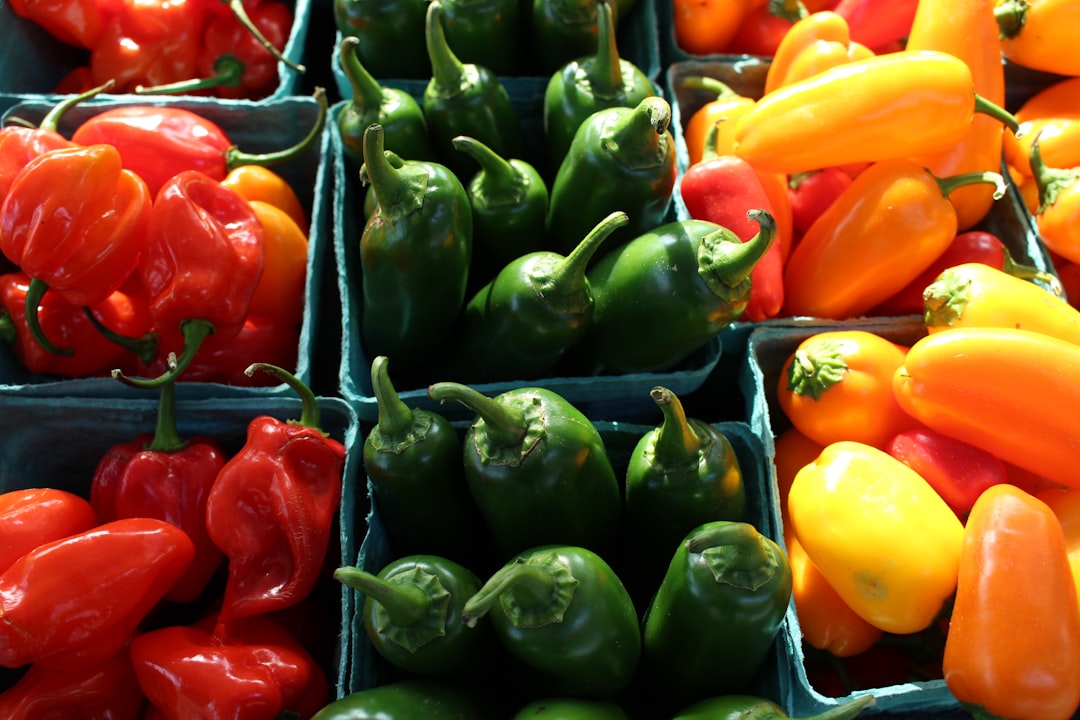
In the culinary world, pepper has long been hailed as a staple seasoning, often regarded as the go-to spice for adding heat and depth to a variety of dishes. However, there is a vast universe of flavors waiting to be explored beyond the familiar bite of black pepper. As you embark on your culinary journey, consider the myriad of pepper-free seasonings that can elevate your cooking to new heights.
By embracing alternative flavor profiles, you can create dishes that are not only delicious but also unique and memorable. The beauty of pepper-free seasoning lies in its versatility. Whether you are looking to accommodate dietary restrictions, reduce spice levels for sensitive palates, or simply experiment with new flavors, there are countless options available.
From vibrant herbs to zesty citrus, each ingredient offers its own distinct character, allowing you to craft dishes that are rich in flavor without relying on the heat of pepper. In this article, you will discover a range of alternatives that can transform your cooking and inspire your creativity in the kitchen.
Key Takeaways
- Herbs provide a flavorful alternative to pepper, adding depth and complexity to dishes.
- Citrus zest adds brightness and a refreshing twist to your meals without the need for pepper.
- Aromatics like garlic, onions, and shallots can build depth of flavor in dishes without relying on pepper.
- Seeds and nuts add texture and nuttiness to dishes, creating a satisfying and flavorful experience.
- Umami-boosting ingredients like mushrooms and soy sauce can enhance savory flavors without the use of pepper.
Herbs: A Flavorful Alternative
Herbs are perhaps the most accessible and versatile alternatives to pepper. Fresh herbs like basil, cilantro, and parsley can add a burst of flavor and freshness to your dishes. When you incorporate these vibrant greens into your cooking, you not only enhance the taste but also introduce a visual appeal that can make your meals more inviting.
Imagine a bright basil pesto drizzled over grilled vegetables or a refreshing cilantro-lime dressing that brings life to a simple salad. The possibilities are endless when you allow herbs to take center stage. Dried herbs also have their place in the kitchen.
Oregano, thyme, and rosemary can infuse your dishes with depth and complexity. These dried varieties are particularly useful in slow-cooked meals, where their flavors can meld beautifully over time. You might find that a sprinkle of dried oregano in your marinara sauce or a dash of thyme in your roasted potatoes can create layers of flavor that rival any peppery dish.
By experimenting with different combinations of herbs, you can discover new flavor profiles that resonate with your palate.
Citrus Zest: Adding Brightness to Your Dishes
Citrus zest is another fantastic way to enhance your dishes without the use of pepper. The bright, aromatic oils found in the peels of lemons, limes, oranges, and grapefruits can add a refreshing zing that elevates even the simplest of recipes. When you zest citrus fruits, you release their essential oils, which can invigorate your dishes with a burst of flavor that is both uplifting and invigorating.
Consider adding lemon zest to your marinades or lime zest to your guacamole for an extra layer of brightness. In addition to zesting, you can also incorporate citrus juice into your cooking for added acidity and flavor. A splash of fresh lemon juice can brighten up a rich pasta dish or balance the sweetness of roasted vegetables.
The acidity from citrus not only enhances flavors but also helps to tenderize proteins when used in marinades. By harnessing the power of citrus, you can create dishes that are vibrant and full of life, all while steering clear of pepper.
Aromatics: Building Depth of Flavor
| Flavor Component | Contribution |
|---|---|
| Vanilla | Rich, sweet, and creamy |
| Cinnamon | Warm and spicy |
| Clove | Strong and pungent |
| Nutmeg | Earthy and slightly sweet |
Aromatics are the backbone of many flavorful dishes and can serve as an excellent substitute for pepper’s heat. Ingredients like onions, garlic, ginger, and shallots provide a foundation upon which you can build complex flavors. When sautéed or roasted, these aromatics release their natural sugars and develop rich flavors that can enhance any meal.
You might also explore the world of alliums beyond just onions and garlic. Leeks and scallions offer unique flavors that can add nuance to your cooking.
A simple leek and potato soup becomes a comforting dish when you allow the sweet notes of leeks to shine through. Similarly, caramelizing onions until they are golden brown can create a sweet and savory topping for burgers or pizzas that rivals any peppery seasoning. By focusing on aromatics, you can create layers of flavor that make your dishes truly memorable.
Seeds and Nuts: Adding Texture and Nuttiness
Seeds and nuts are not only nutritious but also provide an excellent way to add texture and nuttiness to your meals without relying on pepper. Toasted sesame seeds can bring a delightful crunch to salads or grain bowls, while chopped nuts like almonds or walnuts can add richness to baked goods or savory dishes alike. The earthy flavors of these ingredients can complement a wide range of cuisines, from Mediterranean to Asian.
Consider incorporating nut-based sauces into your cooking as well. A creamy tahini dressing made from ground sesame seeds can elevate roasted vegetables or grain salads with its rich flavor profile.
By experimenting with different seeds and nuts, you can discover new textures and flavors that enhance your culinary creations.
Spices: Beyond Pepper
While pepper is often considered the king of spices, there is an entire world of spices waiting to be explored that can add warmth and complexity without the heat associated with black pepper. Spices like cumin, coriander, paprika, and turmeric offer unique flavor profiles that can transform your dishes in unexpected ways. For example, cumin adds an earthy depth to chili or stews, while paprika can provide a sweet smokiness to roasted meats or vegetables.
You might also consider experimenting with spice blends that incorporate various flavors without relying on pepper as a base. Garam masala, za’atar, or herbes de Provence are just a few examples of blends that can introduce new dimensions to your cooking. By using these spices creatively, you can craft dishes that are rich in flavor while remaining entirely pepper-free.
Umami-Boosting Ingredients: Enhancing Savory Flavors
Umami is often referred to as the fifth taste and is characterized by its savory richness. Incorporating umami-boosting ingredients into your cooking can enhance flavors without the need for pepper’s heat. Ingredients like mushrooms, tomatoes, soy sauce, miso paste, and nutritional yeast are all excellent sources of umami that can elevate your dishes significantly.
For instance, adding sautéed mushrooms to a risotto or pasta dish can impart a deep savory flavor that complements other ingredients beautifully. Similarly, using sun-dried tomatoes in salads or sauces can provide a concentrated burst of umami that enhances overall taste without relying on spice. By focusing on umami-rich ingredients, you can create satisfying meals that are full-bodied and flavorful.
Fermented Foods: Adding Complexity to Your Dishes
Fermented foods are another exciting avenue for enhancing flavor without using pepper. Ingredients like kimchi, sauerkraut, miso, and yogurt introduce tanginess and complexity that can elevate your dishes in unexpected ways. The fermentation process not only develops unique flavors but also adds beneficial probiotics that contribute to gut health.
Consider incorporating kimchi into stir-fries or using miso paste in dressings for an umami-rich punch. A dollop of yogurt on top of spicy curries or roasted vegetables adds creaminess while balancing out flavors beautifully. By embracing fermented foods in your cooking, you open up a world of taste possibilities that go beyond traditional seasoning methods.
Sweeteners: Balancing Flavors Without Heat
Sweeteners may not be the first thing that comes to mind when considering alternatives to pepper; however, they play an essential role in balancing flavors within your dishes. Ingredients like honey, maple syrup, agave nectar, or even fruit purees can add sweetness that counteracts bitterness or acidity in certain recipes. For example, adding a touch of honey to a vinaigrette can create a harmonious balance between sweet and tangy flavors that enhances salads or roasted vegetables.
Similarly, incorporating fruit purees into sauces or marinades can provide natural sweetness while complementing savory elements beautifully. By using sweeteners thoughtfully, you can create well-rounded dishes that satisfy various taste preferences without relying on heat.
Infused Oils and Vinegars: Elevating Your Dishes
Infused oils and vinegars offer another layer of flavor enhancement without the need for pepper’s heat. By infusing oils with herbs or spices such as garlic-infused olive oil or chili-infused sesame oil, you can add depth and complexity to your cooking effortlessly. Drizzling these oils over finished dishes or using them as a base for dressings allows you to impart unique flavors with minimal effort.
Similarly, flavored vinegars such as balsamic reduction or herb-infused vinegar can elevate salads and marinades alike. A splash of rosemary-infused vinegar in roasted vegetables adds an aromatic touch that enhances their natural sweetness while providing an interesting twist on traditional seasoning methods. By incorporating infused oils and vinegars into your culinary repertoire, you can create dishes that are both flavorful and sophisticated.
Experimenting with Pepper-Free Seasonings
As you explore the world of pepper-free seasonings, you’ll discover an abundance of flavors waiting to be unlocked in your kitchen. From vibrant herbs and zesty citrus to umami-rich ingredients and fermented foods, each alternative offers its own unique character that can transform your cooking experience. Embracing these diverse options allows you not only to accommodate various dietary preferences but also to expand your culinary horizons.
So why not take the plunge? Experiment with different combinations of these ingredients in your next meal—allow yourself the freedom to play with flavors without the constraints of traditional seasoning methods. You may find yourself creating dishes that are not only delicious but also entirely new experiences for your palate.
In doing so, you’ll not only enhance your cooking skills but also cultivate a deeper appreciation for the rich tapestry of flavors available beyond pepper’s familiar bite.
If you’re looking for alternatives to peppers in your diet, you might find it helpful to explore other nutritious options that can add flavor and variety to your meals. For instance, vegetables like zucchini, carrots, or squash can be excellent substitutes, offering a different texture and taste while still providing essential nutrients. For more insights on maintaining a healthy diet, especially for seniors, you can check out this related article on Explore Senior Health. This resource offers a wealth of information on nutrition and wellness tailored to the needs of older adults.
Over 60? Ditch THIS Sneaky Veggie Wrecking Digestion, Bloating, and Microbiome Balance.
FAQs
What are some alternatives to peppers in recipes?
Some alternatives to peppers in recipes include zucchini, squash, carrots, celery, and green beans. These vegetables can provide similar texture and flavor profiles in dishes.
What are some non-spicy alternatives to peppers?
Non-spicy alternatives to peppers include bell peppers, sweet mini peppers, and pimentos. These options can add a mild, sweet flavor to dishes without the heat of spicy peppers.
Are there any health benefits to eating peppers?
Peppers are rich in vitamins A and C, as well as antioxidants. They are also low in calories and can contribute to a healthy diet when consumed in moderation.
What are some dishes that can be made without using peppers?
Dishes that can be made without using peppers include stir-fries, salads, soups, and pasta dishes. By using alternative vegetables and seasonings, it is possible to create flavorful meals without the use of peppers.
Can I use other spices to replace the flavor of peppers?
Yes, other spices such as paprika, cumin, and coriander can be used to add depth and flavor to dishes in place of peppers. Experimenting with different spices can help create unique and delicious flavor profiles.