
As aging progresses, maintaining brain health becomes increasingly crucial.
It’s important to understand that cognitive well-being requires deliberate care, similar to physical health.
Knowledge about factors affecting brain health enables proactive measures to preserve mental sharpness throughout the aging process. Recent scientific research has illuminated the nuanced nature of brain aging. Although some cognitive changes naturally occur with age, significant decline is not inevitable.
Individuals can positively influence their brain health through specific lifestyle choices, proper nutrition, and regular social interaction.
Key Takeaways
- Maintaining cognitive function in seniors is crucial for quality of life and independence.
- Nutrition, physical exercise, and mental stimulation play key roles in supporting brain health.
- Adequate sleep and effective stress management significantly influence cognitive function.
- Social connections and mindfulness practices contribute positively to senior brain health.
- Herbal supplements may offer additional support but should complement a holistic approach.
Importance of Maintaining Cognitive Function in Seniors
Maintaining cognitive function is crucial for seniors, as it directly impacts daily living and overall quality of life. Cognitive decline can lead to difficulties in performing everyday tasks, managing finances, and maintaining social relationships. When you experience a decline in cognitive abilities, it can also affect your emotional well-being, leading to feelings of frustration or isolation.
Therefore, prioritizing cognitive health is not just about preserving memory; it’s about ensuring a fulfilling and active lifestyle. Moreover, research indicates that cognitive decline can be linked to various health issues, including dementia and Alzheimer’s disease. By focusing on maintaining your cognitive function, you can potentially reduce the risk of developing these conditions.
Engaging in activities that stimulate your brain and adopting healthy lifestyle habits can create a protective effect against cognitive decline. This proactive approach allows you to take charge of your brain health and enjoy a more vibrant life.
The Role of Nutrition in Supporting Brain Health
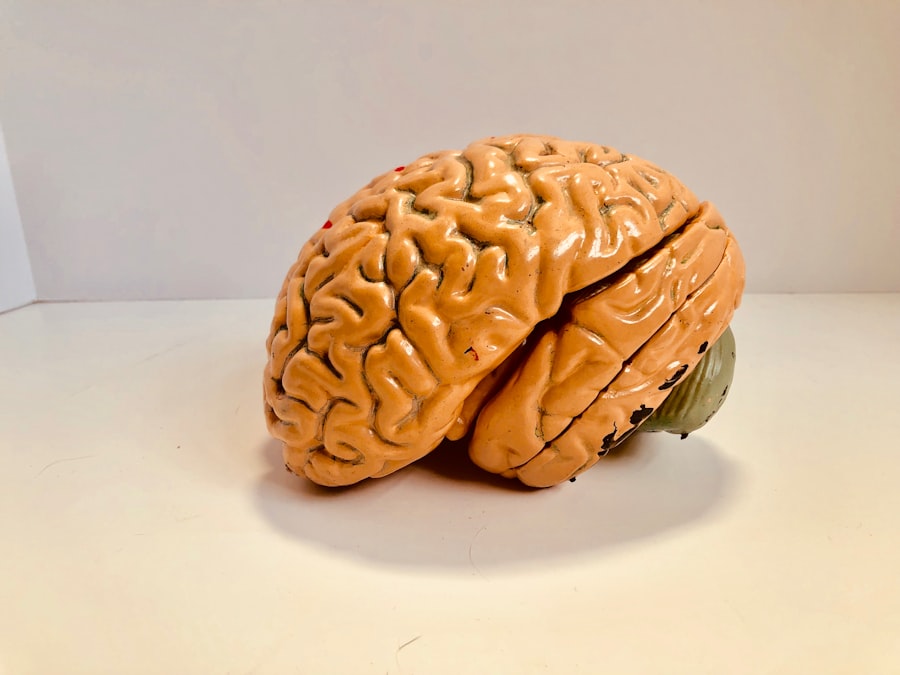
Nutrition plays a pivotal role in supporting brain health as you age. The foods you consume provide the essential nutrients that your brain needs to function optimally. A diet rich in antioxidants, healthy fats, vitamins, and minerals can help protect your brain from oxidative stress and inflammation, both of which are linked to cognitive decline.
Incorporating foods such as fatty fish, leafy greens, berries, and nuts into your diet can provide the necessary building blocks for maintaining cognitive function. Additionally, staying hydrated is equally important for brain health. Dehydration can lead to confusion and impaired cognitive abilities.
As you age, your sense of thirst may diminish, making it crucial to consciously drink enough water throughout the day. By prioritizing a balanced diet and proper hydration, you can create a strong foundation for your brain health and enhance your overall well-being.
Physical Exercise and Its Impact on Senior Brain Health
Physical exercise is another vital component of maintaining brain health in seniors. Engaging in regular physical activity has been shown to improve blood flow to the brain, which can enhance cognitive function and promote the growth of new neurons. Whether it’s walking, swimming, or participating in group exercise classes, finding an activity that you enjoy can make it easier to stay active.
Moreover, exercise has been linked to improved mood and reduced symptoms of anxiety and depression. As you engage in physical activity, your body releases endorphins that promote feelings of happiness and well-being. This positive impact on mental health can further support cognitive function by reducing stress levels and enhancing overall emotional resilience.
By incorporating regular exercise into your routine, you not only benefit your physical health but also nurture your brain’s vitality.
The Benefits of Mental Stimulation and Cognitive Activities
| Metric | Description | Typical Range / Value | Notes |
|---|---|---|---|
| Cognitive Function Score | Assessment of memory, attention, and problem-solving abilities | 70-90 (out of 100) | Varies with age and lifestyle; higher scores indicate better function |
| Physical Activity Level | Average minutes of moderate exercise per week | 150+ minutes | Regular exercise supports brain health and neuroplasticity |
| Sleep Quality | Average hours of restful sleep per night | 7-8 hours | Good sleep is critical for memory consolidation and brain repair |
| Social Engagement | Frequency of social interactions per week | 3-5 times | Social activity helps reduce cognitive decline risk |
| Mental Stimulation | Hours per week spent on mentally challenging activities | 5-10 hours | Includes reading, puzzles, learning new skills |
| Blood Pressure | Average systolic/diastolic pressure (mm Hg) | 120/80 mm Hg | Maintaining normal BP supports vascular brain health |
| Diet Quality | Adherence to brain-healthy diet (e.g., Mediterranean) | Moderate to high adherence | Focus on fruits, vegetables, whole grains, and healthy fats |
Engaging in mental stimulation is essential for keeping your brain sharp as you age. Activities that challenge your cognitive abilities—such as puzzles, reading, or learning a new skill—can help strengthen neural connections and improve memory retention. You might consider joining a book club or taking up a new hobby that requires critical thinking or creativity.
These activities not only stimulate your mind but also provide opportunities for social interaction. Furthermore, research suggests that lifelong learning can have protective effects against cognitive decline. By continuously challenging yourself intellectually, you create a buffer against age-related memory loss.
Embracing new experiences and seeking out opportunities for mental engagement can foster a sense of purpose and fulfillment in your life. The more you invest in mental stimulation, the more resilient your brain will become.
The Influence of Sleep on Cognitive Function in Seniors
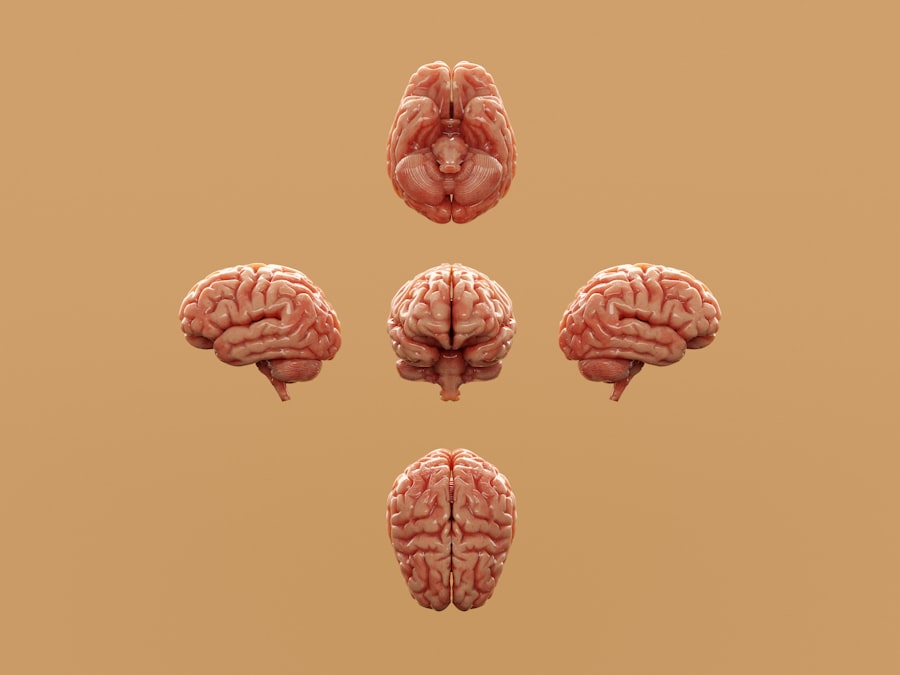
Sleep is often overlooked when discussing brain health, yet it plays a crucial role in cognitive function. Quality sleep allows your brain to consolidate memories and process information from the day. As you age, sleep patterns may change, leading to difficulties in falling asleep or staying asleep.
This disruption can negatively impact your cognitive abilities, making it essential to prioritize good sleep hygiene. To improve your sleep quality, consider establishing a consistent bedtime routine that promotes relaxation. Limiting screen time before bed and creating a comfortable sleep environment can also contribute to better rest.
By ensuring that you get adequate sleep each night, you support your brain’s ability to function optimally during waking hours. Prioritizing sleep is not just about rest; it’s about enhancing your cognitive resilience as you age.
Stress Management and its Effect on Senior Brain Health
Stress management is another critical aspect of maintaining brain health in seniors. Chronic stress can lead to increased levels of cortisol, a hormone that negatively affects memory and cognitive function over time. Learning effective stress management techniques can help mitigate these effects and promote overall well-being.
You might explore practices such as deep breathing exercises, yoga, or tai chi to help reduce stress levels. Additionally, finding healthy outlets for stress—such as engaging in hobbies or spending time with loved ones—can provide emotional relief and enhance your mental resilience. By actively managing stress in your life, you create a more conducive environment for optimal brain function.
Remember that taking care of your mental health is just as important as caring for your physical health.
Social Connections and their Impact on Cognitive Health
Social connections play a significant role in supporting cognitive health as you age. Engaging with friends and family provides emotional support and stimulates mental engagement through conversation and shared activities. Loneliness and social isolation can have detrimental effects on cognitive function, leading to an increased risk of memory decline and mental health issues.
To foster social connections, consider participating in community events or joining clubs that align with your interests. Volunteering can also be a fulfilling way to meet new people while contributing positively to society. By nurturing relationships and staying socially active, you create a network of support that enhances both your emotional well-being and cognitive resilience.
The Role of Herbal Supplements in Supporting Senior Brain Health
Herbal supplements have gained popularity as potential aids for supporting brain health in seniors. Certain herbs—such as ginkgo biloba, turmeric, and rosemary—are believed to have properties that promote cognitive function and protect against age-related decline. While some studies suggest potential benefits from these supplements, it’s essential to approach them with caution.
Before incorporating any herbal supplements into your routine, consult with a healthcare professional to ensure they are safe for you and won’t interact with any medications you may be taking. While supplements may offer additional support for brain health, they should not replace a balanced diet or healthy lifestyle choices. Combining herbal supplements with other strategies for maintaining cognitive function can create a holistic approach to brain health.
Mindfulness and Meditation for Senior Brain Health
Mindfulness and meditation practices have gained recognition for their positive effects on mental clarity and emotional well-being. Engaging in mindfulness exercises can help reduce stress levels while enhancing focus and attention span. As you practice mindfulness or meditation regularly, you may find improvements in memory retention and overall cognitive function.
Incorporating mindfulness into your daily routine doesn’t have to be time-consuming; even short sessions of focused breathing or guided meditation can yield significant benefits. By cultivating mindfulness, you create space for reflection and self-awareness that supports both mental clarity and emotional balance. This practice not only nurtures your brain but also enriches your overall quality of life.
Conclusion and Recommendations for Supporting Senior Brain Health
In conclusion, supporting senior brain health requires a multifaceted approach that encompasses nutrition, physical activity, mental stimulation, sleep hygiene, stress management, social connections, herbal supplements, mindfulness practices, and more. By prioritizing these aspects of your life, you empower yourself to maintain cognitive function and enhance your overall well-being as you age. To begin this journey toward better brain health, consider setting small goals that align with the recommendations outlined above.
Whether it’s committing to regular exercise or exploring new hobbies that challenge your mind, every step counts toward preserving your cognitive vitality. Remember that taking care of your brain is an ongoing process; by making conscious choices today, you pave the way for a healthier tomorrow filled with clarity and joy.
Maintaining brain health in seniors is crucial for overall well-being, and there are various lifestyle changes that can support cognitive function without the need for supplements. For more insights on this topic, you can read the article on senior brain health available at Explore Senior Health. This resource provides valuable information on activities and habits that can enhance mental acuity and promote a healthy brain as we age.
FAQs
What are some natural ways to maintain senior brain health without supplements?
Maintaining senior brain health naturally involves a combination of regular physical exercise, a balanced diet rich in fruits, vegetables, whole grains, and healthy fats, mental stimulation through activities like reading or puzzles, adequate sleep, stress management, and social engagement.
Can diet alone support brain health in seniors?
Yes, a nutritious diet can significantly support brain health. Diets such as the Mediterranean or DASH diet, which emphasize fruits, vegetables, nuts, whole grains, and lean proteins, have been linked to better cognitive function and reduced risk of neurodegenerative diseases.
How does physical exercise impact brain health in older adults?
Physical exercise increases blood flow to the brain, promotes the growth of new brain cells, and improves memory and cognitive function. Activities like walking, swimming, or yoga can help maintain brain health and reduce the risk of cognitive decline.
Is mental stimulation important for senior brain health?
Yes, engaging in mentally stimulating activities such as puzzles, reading, learning new skills, or playing musical instruments can help maintain cognitive function and delay the onset of dementia-related symptoms.
How does social interaction affect brain health in seniors?
Social engagement helps reduce feelings of loneliness and depression, which are risk factors for cognitive decline. Regular interaction with family, friends, or community groups supports emotional well-being and cognitive resilience.
Can adequate sleep improve brain health in older adults?
Adequate and quality sleep is essential for memory consolidation and clearing brain toxins. Poor sleep patterns are associated with increased risk of cognitive impairment, so maintaining good sleep hygiene is important for brain health.
Are there any risks associated with relying solely on supplements for brain health?
Relying solely on supplements without lifestyle changes may not provide significant benefits and could pose risks such as interactions with medications or side effects. It is generally recommended to focus on holistic lifestyle approaches for brain health.
When should seniors consult a healthcare professional about brain health?
Seniors should consult a healthcare professional if they experience noticeable memory loss, confusion, difficulty concentrating, or other cognitive changes. Early evaluation can help identify treatable conditions and guide appropriate interventions.