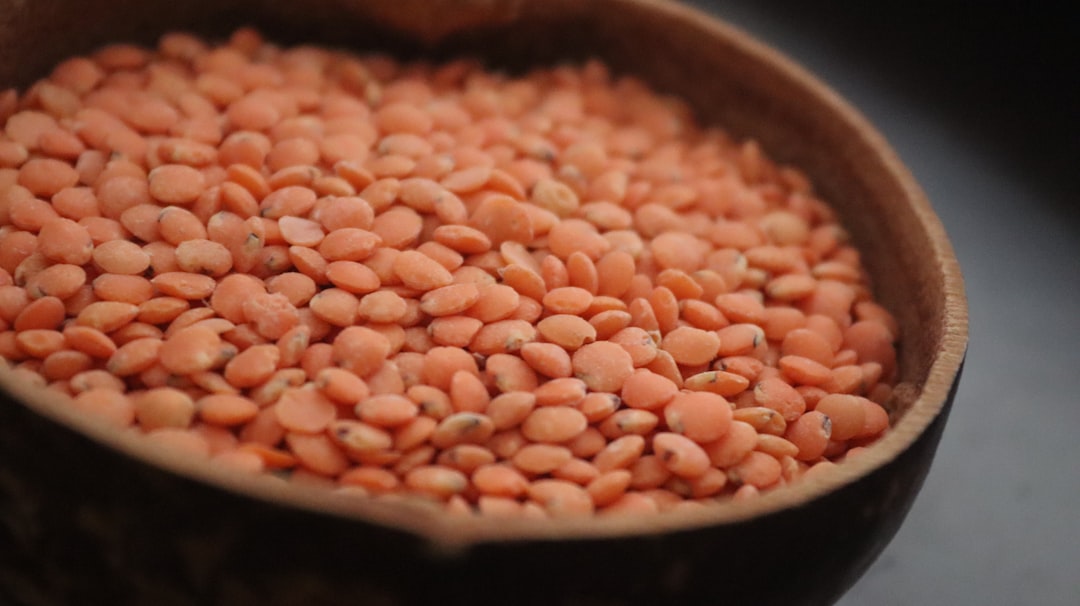
When preparing a batch of beans for dishes like chili, salad, or soup, the cooling process is a critical step that affects nutritional quality and health benefits. Proper cooling techniques can enhance flavor, texture, and digestibility while preserving essential nutrients. This seemingly simple step can significantly impact the overall culinary outcome.
Beans are nutritional powerhouses consumed worldwide, containing substantial amounts of protein, fiber, vitamins, and minerals—making them valuable components of a balanced diet. However, post-cooking handling and storage methods directly affect their nutritional profile. Understanding proper cooling procedures ensures maximum health benefits while maintaining flavor quality.
Key Takeaways
- Cooling cooked beans helps retain essential nutrients like protein, fiber, micronutrients, and antioxidants.
- Proper cooling improves the digestibility of beans, reducing digestive discomfort.
- Cooling preserves the nutritional quality better than consuming beans immediately after cooking.
- Following correct cooling methods ensures food safety and maintains bean quality.
- Incorporating cooled beans into meals can enhance both health benefits and culinary variety.
Nutrient Retention in Cooked Beans
One of the most significant aspects of cooling cooked beans is nutrient retention. When beans are cooked, they undergo various changes that can affect their nutrient content. For instance, heat can cause the breakdown of certain vitamins and minerals, leading to a loss of nutritional value.
However, by cooling them properly, you can help preserve these essential nutrients. The cooling process slows down enzymatic reactions that can lead to nutrient degradation, allowing you to enjoy beans that are not only tasty but also packed with health benefits. Moreover, the method you choose for cooling can also play a role in nutrient retention.
Rapid cooling techniques, such as spreading beans out on a baking sheet or placing them in an ice bath, can help lock in nutrients more effectively than simply letting them sit at room temperature.
Benefits of Cooling Cooked Beans
Cooling cooked beans offers several benefits beyond just nutrient retention. One of the most notable advantages is improved flavor and texture. When beans are allowed to cool slowly at room temperature, they can become mushy and lose their appealing bite.
In contrast, rapid cooling helps maintain their firmness and enhances their overall taste. This is particularly important if you plan to use them in salads or as a side dish where texture plays a crucial role. Additionally, cooling cooked beans can help reduce the risk of foodborne illnesses.
When beans are left at room temperature for extended periods, they can become breeding grounds for harmful bacteria. By cooling them quickly and storing them properly, you minimize this risk and ensure that your meals remain safe to eat. This practice not only protects your health but also allows you to enjoy your culinary creations with peace of mind.
Protein Preservation in Cooked Beans
Beans are renowned for their high protein content, making them an essential food source for vegetarians and meat-eaters alike. However, the cooking process can alter the structure of proteins in beans, potentially affecting their digestibility and bioavailability. Cooling cooked beans plays a vital role in preserving these proteins.
When beans are cooled rapidly, it helps maintain their protein structure, ensuring that your body can effectively utilize these essential building blocks. Moreover, the preservation of protein during the cooling process contributes to the overall nutritional profile of your meals. By incorporating properly cooled beans into your diet, you can enjoy a rich source of plant-based protein that supports muscle growth and repair while keeping you satiated for longer periods.
This makes cooled beans an excellent addition to salads, grain bowls, and various other dishes.
Fiber Preservation in Cooked Beans
| Nutrient | Cooked Beans (per 100g) | After Cooling (per 100g) | Benefit of Cooling |
|---|---|---|---|
| Resistant Starch | 1-2g | 4-5g | Increases, improves gut health and aids digestion |
| Protein | 7-9g | 7-9g | Remains stable, supports muscle repair and growth |
| Dietary Fiber | 6-8g | 6-8g | Remains stable, promotes satiety and digestive health |
| Glycemic Index (GI) | 40-50 | 30-40 | Decreases, helps in better blood sugar control |
| Calories | 120-130 kcal | 120-130 kcal | Remains stable, provides sustained energy |
Fiber is another critical component found in beans that contributes to digestive health and overall well-being. The cooking process softens the fibers in beans, making them easier to digest. However, if not cooled properly, some of these beneficial fibers may break down further or become less effective in promoting gut health.
By cooling cooked beans quickly and efficiently, you help preserve their fiber content, ensuring that they continue to provide the digestive benefits you seek. Incorporating fiber-rich foods like cooled beans into your diet can help regulate blood sugar levels, lower cholesterol, and promote regular bowel movements. As you explore different ways to enjoy beans in your meals, remember that maintaining their fiber content through proper cooling techniques will enhance their health benefits and contribute to your overall dietary goals.
Micronutrient Preservation in Cooked Beans
Beans are not just a source of macronutrients; they are also packed with essential micronutrients such as iron, magnesium, potassium, and various B vitamins. These nutrients play vital roles in numerous bodily functions, from energy production to immune support. However, cooking can lead to the loss of some micronutrients due to heat exposure and prolonged cooking times.
Cooling cooked beans effectively helps mitigate this loss by slowing down enzymatic reactions that can degrade these valuable nutrients. By ensuring that your cooked beans are cooled properly, you can maximize their micronutrient content and enjoy the full spectrum of health benefits they offer. This is particularly important for individuals who rely on plant-based sources for their micronutrient intake.
Incorporating cooled beans into your meals not only enhances flavor but also boosts your overall nutrient profile.
Antioxidant Preservation in Cooked Beans
Antioxidants are compounds that help protect your body from oxidative stress and inflammation, contributing to overall health and well-being. Beans are rich in various antioxidants, including flavonoids and phenolic acids. However, cooking can diminish the levels of these beneficial compounds if not handled correctly.
The cooling process plays a crucial role in preserving antioxidants in cooked beans by preventing further degradation after cooking. By cooling your cooked beans quickly and efficiently, you can retain more of these powerful antioxidants in your meals. This means that when you incorporate cooled beans into your diet, you’re not only enjoying their delicious taste but also reaping the benefits of enhanced antioxidant activity.
This is particularly important for those looking to boost their immune system or reduce the risk of chronic diseases.
Cooling Cooked Beans for Improved Digestibility
Digestibility is a key factor when it comes to enjoying the health benefits of any food, including beans. While cooking makes beans more digestible by breaking down complex carbohydrates and proteins, improper cooling can lead to further changes that may hinder digestion. Rapidly cooling cooked beans helps maintain their structure and prevents the formation of resistant starches that can be difficult for some individuals to digest.
By focusing on proper cooling techniques, you can improve the digestibility of your cooked beans and make them more enjoyable for everyone at the table. This is especially beneficial for those who may experience discomfort after consuming legumes or have specific dietary restrictions. With improved digestibility, you can confidently incorporate beans into your meals without worrying about potential digestive issues.
How to Properly Cool Cooked Beans
To maximize the benefits of cooling cooked beans, it’s essential to follow proper techniques. One effective method is to spread the cooked beans out on a baking sheet in a single layer. This allows for even cooling and prevents them from clumping together.
Alternatively, you can place the beans in an ice bath by filling a large bowl with ice water and submerging the container holding the beans. This rapid cooling method helps lock in nutrients while ensuring food safety. Once cooled, it’s important to store your beans correctly to maintain their quality.
Transfer them to airtight containers and refrigerate or freeze them based on your intended use. Proper storage will help preserve their flavor and nutritional value while making it easy for you to incorporate them into future meals.
Incorporating Cooling Cooked Beans into Your Diet
Now that you understand the importance of cooling cooked beans and how to do it properly, it’s time to explore ways to incorporate them into your diet. Cooled beans can be added to salads for an extra protein boost or blended into smoothies for added creaminess without compromising flavor. You might also consider using them as a base for grain bowls or as a filling for wraps and tacos.
Experimenting with different bean varieties—such as black beans, chickpeas, or kidney beans—can add variety to your meals while providing unique flavors and textures. The versatility of cooled beans allows you to create countless dishes that cater to your taste preferences while reaping the nutritional benefits they offer.
Conclusion and Final Thoughts on Cooling Cooked Beans
In conclusion, understanding the significance of cooling cooked beans is essential for anyone looking to maximize their nutritional benefits while enjoying delicious meals. From preserving vital nutrients like protein and fiber to enhancing digestibility and flavor, proper cooling techniques play a crucial role in maintaining the quality of this versatile food source. By incorporating cooled beans into your diet thoughtfully and creatively, you can enjoy all the health benefits they offer while savoring their delightful taste.
As you continue your culinary journey with beans, remember that small changes—like how you cool and store them—can lead to significant improvements in both nutrition and enjoyment. Embrace the art of cooking and cooling beans as part of your healthy lifestyle; you’ll be rewarded with flavorful dishes that nourish both body and soul.
For more insights on the health benefits of various foods, you can check out this related article on senior health at Explore Senior Health.
FAQs
Does cooling cooked beans affect their nutrient content?
Cooling cooked beans can slightly alter their nutrient profile, but it generally does not significantly reduce their overall nutritional value. Some nutrients, like certain vitamins, may decrease slightly, while others, such as resistant starch, can increase.
What are the benefits of cooling cooked beans before eating?
Cooling cooked beans increases the amount of resistant starch, a type of dietary fiber that supports gut health, improves digestion, and helps regulate blood sugar levels. This process can make beans more beneficial for metabolic health.
Does reheating cooled beans reduce their nutrients?
Reheating cooled beans may cause minor nutrient loss, particularly of heat-sensitive vitamins, but the impact is minimal. The resistant starch formed during cooling remains largely intact even after reheating.
How does resistant starch in cooled beans benefit health?
Resistant starch acts as a prebiotic, feeding beneficial gut bacteria, improving bowel regularity, and enhancing mineral absorption. It also helps in controlling blood sugar and may aid in weight management by promoting satiety.
Is it safe to eat beans that have been cooled and stored?
Yes, it is safe to eat beans that have been properly cooled and stored in the refrigerator within 2-3 days. Proper cooling and storage help prevent bacterial growth and maintain food safety.
Can cooling cooked beans help with blood sugar control?
Yes, the increase in resistant starch from cooling cooked beans can slow carbohydrate digestion and absorption, leading to better blood sugar control and reduced insulin spikes.
Do all types of beans benefit from cooling in terms of nutrient content?
Most common beans, such as black beans, kidney beans, and chickpeas, develop increased resistant starch when cooled. However, the extent of nutrient changes can vary slightly depending on the bean type.
How should cooked beans be cooled to maximize nutrient benefits?
Cooked beans should be cooled quickly to room temperature and then refrigerated promptly to encourage resistant starch formation and maintain food safety. Avoid leaving beans at room temperature for extended periods.