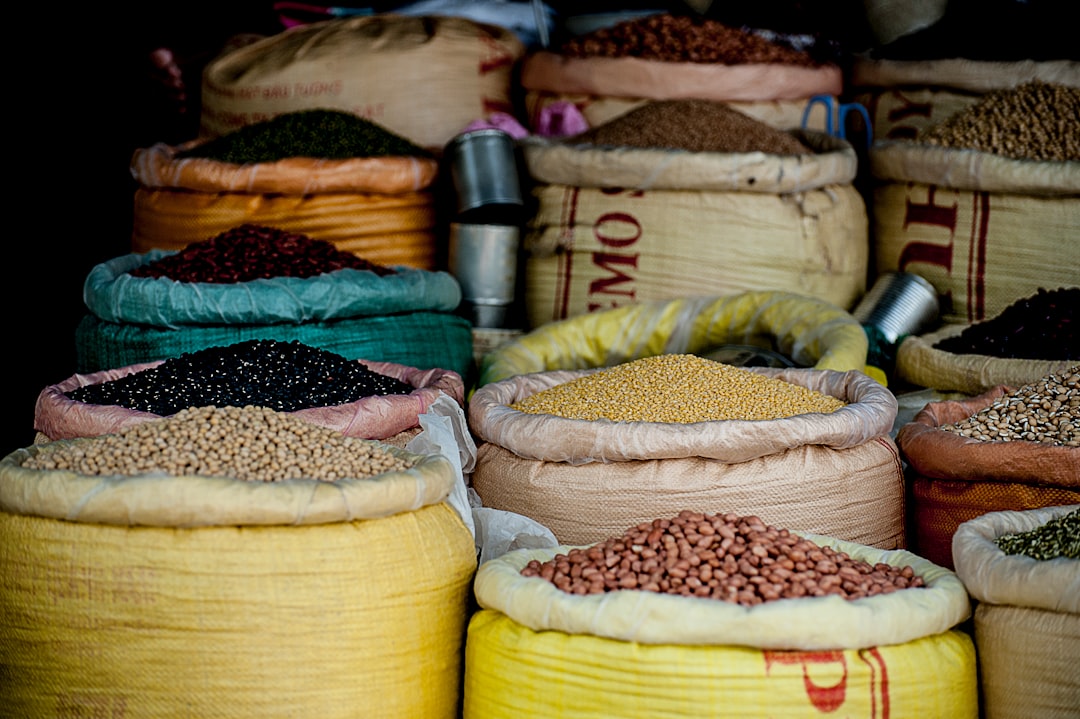
The human gut microbiome contains trillions of microorganisms that influence digestive function, immune response, and neurological processes. Research indicates that microbiome composition affects overall health outcomes, with imbalances linked to digestive disorders, metabolic conditions, and autoimmune diseases. Dietary choices significantly impact gut microbiome diversity and function.
Beans provide substantial amounts of plant-based protein, essential nutrients, and dietary fiber. These legumes are economically accessible and adaptable to various culinary preparations. Different bean varieties offer distinct nutritional profiles that can support gut microbiome health.
This analysis examines specific bean types and their documented effects on digestive health and gut microbiome composition.
Key Takeaways
- Beans are rich in fiber and nutrients that support gut health.
- Different types of beans, like black beans and kidney beans, offer unique gut benefits.
- Lentils and chickpeas provide high fiber content that promotes digestion.
- Mung beans and navy beans are gentle on the digestive system and low in fat.
- Including a variety of beans in your diet can enhance overall gut health.
The Benefits of Beans for Gut Health
Beans are rich in dietary fiber, which is essential for maintaining a healthy digestive system. Fiber helps to regulate bowel movements, preventing constipation and promoting regularity. When you consume beans, the soluble fiber they contain ferments in your gut, producing short-chain fatty acids that nourish the cells lining your intestines.
This process not only supports gut health but also contributes to a stronger immune system. Moreover, beans are low in fat and high in protein, making them an excellent choice for those looking to maintain a healthy weight. The combination of fiber and protein helps you feel full longer, reducing the likelihood of overeating.
Additionally, beans are packed with vitamins and minerals such as folate, iron, and magnesium, which are vital for overall health. By incorporating beans into your diet, you can enjoy a multitude of benefits that extend beyond just gut health.
Black Beans: A Gut-Healthy Superfood
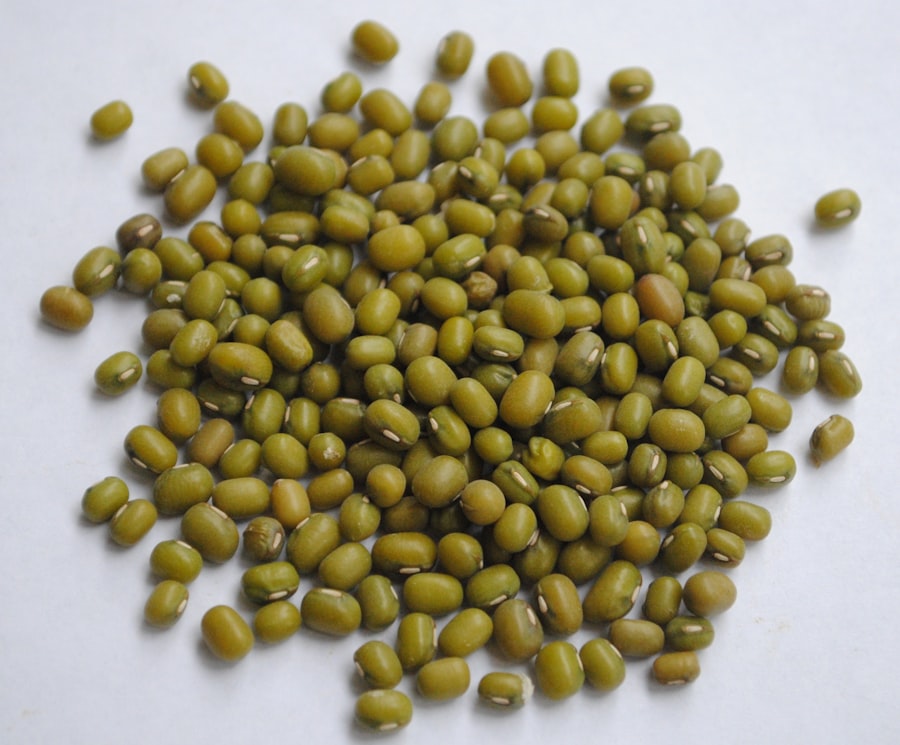
Black beans are often hailed as a superfood due to their impressive nutritional profile. They are particularly high in soluble fiber, which is known to promote healthy digestion and support the growth of beneficial gut bacteria. When you include black beans in your meals, you’re not just adding flavor; you’re also providing your gut with the nutrients it needs to thrive.
In addition to their fiber content, black beans are rich in antioxidants, which help combat oxidative stress in the body. This is important for maintaining a healthy gut environment, as oxidative stress can lead to inflammation and other digestive issues. By incorporating black beans into your diet—whether in salads, soups, or as a side dish—you can enjoy their numerous health benefits while supporting your gut microbiome.
Kidney Beans: A Nutrient-Packed Option for Gut Health
Kidney beans are another excellent choice for promoting gut health. They are loaded with both soluble and insoluble fiber, which work together to improve digestion and prevent constipation. The soluble fiber in kidney beans helps to slow down digestion, allowing for better nutrient absorption, while the insoluble fiber adds bulk to your stool, making it easier to pass.
Moreover, kidney beans are a great source of protein and essential minerals like potassium and iron. These nutrients play a vital role in maintaining overall health and supporting bodily functions. By adding kidney beans to your meals—perhaps in chili or mixed into grain bowls—you can enjoy their rich flavor while reaping the benefits for your gut health.
Chickpeas: A Versatile Bean for Gut Health
| Bean Type | Key Prebiotic Fiber (g per 100g) | Protein (g per 100g) | Resistant Starch (g per 100g) | Notable Gut Health Benefit |
|---|---|---|---|---|
| Chickpeas | 7.6 | 19 | 2.5 | Supports growth of beneficial Bifidobacteria |
| Lentils | 8.0 | 26 | 1.8 | Enhances short-chain fatty acid production |
| Black Beans | 8.7 | 21 | 2.0 | Promotes microbial diversity |
| Navy Beans | 10.5 | 22 | 3.0 | High in resistant starch aiding colon health |
| Kidney Beans | 6.4 | 24 | 1.5 | Supports gut barrier function |
Chickpeas, also known as garbanzo beans, are incredibly versatile and can be used in a variety of dishes. They are an excellent source of fiber, which is essential for maintaining a healthy digestive system. The high fiber content in chickpeas helps promote regular bowel movements and supports the growth of beneficial gut bacteria.
In addition to their fiber content, chickpeas are rich in protein and various vitamins and minerals. They contain significant amounts of folate, manganese, and iron, all of which contribute to overall health. You can enjoy chickpeas in salads, soups, or even blended into hummus for a delicious dip.
By incorporating chickpeas into your diet, you can enjoy their numerous health benefits while supporting your gut health.
Lentils: A Fiber-Rich Choice for Gut Health
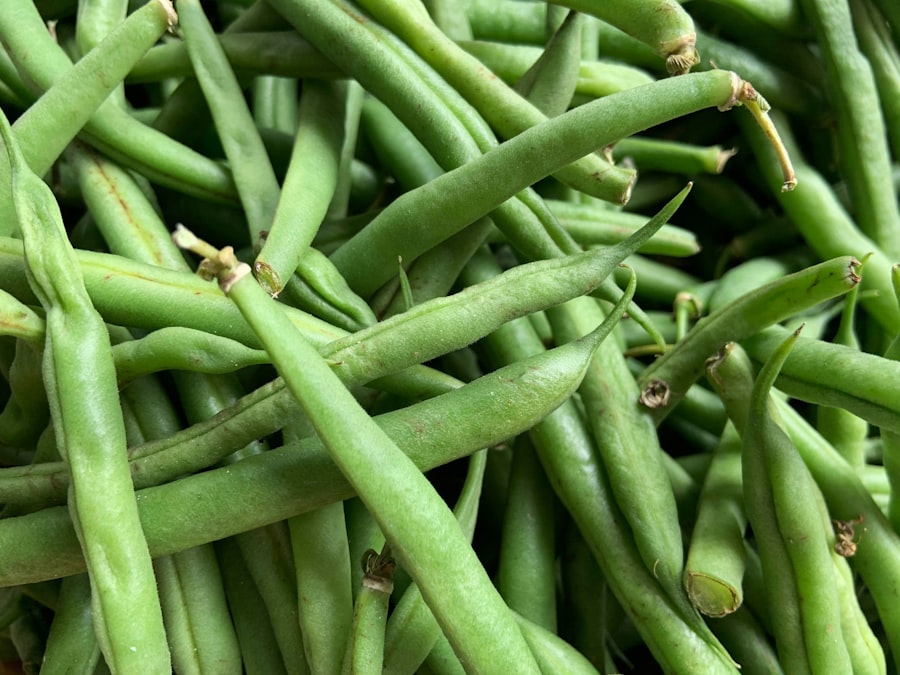
Lentils are another fantastic option when it comes to promoting gut health. They are packed with dietary fiber, which aids in digestion and helps maintain regular bowel movements. The soluble fiber found in lentils ferments in the gut, producing short-chain fatty acids that nourish the cells lining your intestines.
In addition to their fiber content, lentils are an excellent source of plant-based protein and essential nutrients such as folate and iron. They are low in fat and can be easily incorporated into various dishes like soups, stews, or salads. By adding lentils to your meals, you can enjoy their rich flavor while reaping the benefits for your gut health.
Pinto Beans: A Nutritious Option for Gut Health
Pinto beans are not only delicious but also highly nutritious. They are an excellent source of dietary fiber, which is essential for maintaining a healthy digestive system. The fiber in pinto beans helps regulate bowel movements and supports the growth of beneficial gut bacteria.
These nutrients play a vital role in supporting overall health and well-being. You can enjoy pinto beans in a variety of dishes—from burritos to chili—making them a versatile addition to your diet that promotes gut health.
Navy Beans: A Low-Fat Bean for Gut Health
Navy beans are another great option for those looking to improve their gut health. They are low in fat and high in dietary fiber, making them an excellent choice for promoting healthy digestion. The soluble fiber found in navy beans helps slow down digestion and supports the growth of beneficial gut bacteria.
In addition to their fiber content, navy beans are rich in protein and essential nutrients such as folate and potassium. These nutrients contribute to overall health and well-being. You can enjoy navy beans in soups or stews or even mashed as a spread on whole-grain bread.
By incorporating navy beans into your diet, you can support your gut health while enjoying their delicious flavor.
Mung Beans: A Digestive-Friendly Bean for Gut Health
Mung beans are often overlooked but offer numerous benefits for gut health. They are rich in dietary fiber, which aids in digestion and promotes regular bowel movements. The soluble fiber found in mung beans ferments in the gut, producing short-chain fatty acids that nourish the cells lining your intestines.
In addition to their fiber content, mung beans are an excellent source of protein and various vitamins and minerals such as folate and magnesium.
By incorporating mung beans into your diet, you can support your gut health while enjoying their unique flavor.
Adzuki Beans: A Protein-Packed Bean for Gut Health
Adzuki beans may be small but pack a powerful punch when it comes to nutrition. They are rich in dietary fiber, which is essential for maintaining a healthy digestive system. The high fiber content in adzuki beans helps promote regular bowel movements and supports the growth of beneficial gut bacteria.
In addition to their fiber content, adzuki beans are an excellent source of plant-based protein and essential nutrients such as iron and potassium. They can be enjoyed in various dishes—from soups to desserts—making them a versatile addition to your diet that promotes gut health.
Incorporating Beans into a Gut-Healthy Diet
Incorporating beans into your diet is one of the simplest yet most effective ways to support your gut health. With their high fiber content, low fat levels, and rich nutrient profiles, beans offer numerous benefits that extend beyond just digestion. Whether you choose black beans, kidney beans, chickpeas, lentils, or any other variety, each type brings its unique set of advantages that contribute to a healthier gut microbiome.
To reap the full benefits of these nutritious legumes, consider adding them to salads, soups, stews, or grain bowls. You can also experiment with different recipes that highlight their flavors while ensuring you get the necessary nutrients for optimal gut health. By making beans a staple in your diet, you’ll not only enhance your digestive well-being but also enjoy a delicious array of meals that nourish both body and mind.
For those interested in enhancing their gut microbiome health, a related article can provide valuable insights into the best beans to incorporate into your diet. You can read more about this topic in the article found at this link. Beans are not only a great source of protein but also rich in fiber, which is essential for maintaining a healthy gut flora.
FAQs
What are the best beans for gut microbiome health?
The best beans for gut microbiome health include chickpeas, black beans, lentils, kidney beans, and navy beans. These beans are rich in dietary fiber and prebiotics, which help nourish beneficial gut bacteria.
How do beans benefit the gut microbiome?
Beans provide dietary fiber and resistant starch that serve as food for beneficial gut bacteria. This promotes the growth of healthy microbes, improves digestion, and supports overall gut health.
Are all beans equally good for gut health?
While most beans are beneficial due to their fiber content, some varieties may be better tolerated or more effective depending on individual gut microbiome composition. It is best to include a variety of beans in your diet.
Can eating beans cause digestive discomfort?
Beans can cause gas or bloating in some people due to their oligosaccharides content. Soaking beans before cooking and gradually increasing intake can help reduce discomfort.
How much beans should I eat for gut health?
Consuming about 1/2 to 1 cup of cooked beans several times a week is generally recommended to support gut microbiome health. However, individual tolerance may vary.
Do canned beans have the same benefits as dried beans?
Yes, canned beans retain most of their fiber and prebiotic benefits. Rinsing canned beans can reduce sodium content without significantly affecting their nutritional value.
Can beans help with specific gut conditions?
Beans may help improve gut health in conditions like irritable bowel syndrome (IBS) and inflammatory bowel disease (IBD) by promoting a balanced microbiome, but individual responses vary. Consult a healthcare provider for personalized advice.
Are there any beans to avoid for gut health?
No specific beans need to be avoided for gut health, but individuals with certain digestive disorders or allergies should consult a healthcare professional before increasing bean intake.