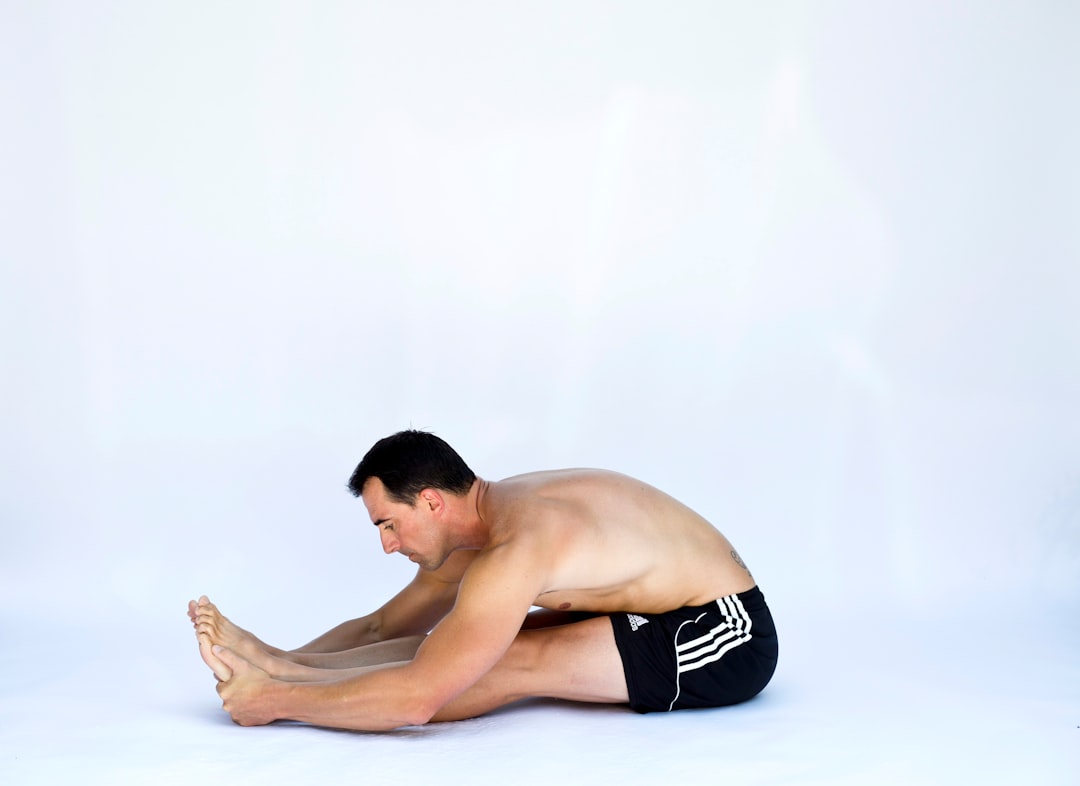
The pelvic floor is a complex network of muscles, ligaments, and tissues that form a supportive hammock at the base of your pelvis. This intricate structure plays a crucial role in various bodily functions, including bladder and bowel control, sexual function, and even core stability. You may not often think about these muscles, but they are essential for maintaining your overall health and well-being.
When these muscles are strong and functioning well, you can enjoy a better quality of life. However, many people are unaware of the importance of the pelvic floor until issues arise.
Weakness in this area can lead to a range of problems, including incontinence, pelvic pain, and decreased sexual satisfaction. Understanding the anatomy and function of your pelvic floor is the first step toward recognizing its significance in your daily life. By becoming more aware of this often-overlooked area, you can take proactive steps to strengthen it and improve your overall health.
Key Takeaways
- The pelvic floor is crucial for bladder control and overall health.
- Pelvic floor weakness can result from factors like childbirth, aging, and obesity.
- Kegel exercises are effective when done correctly to strengthen pelvic muscles.
- Lifestyle and dietary changes support pelvic floor health and prevent weakness.
- Professional guidance can help address pelvic floor issues and maintain long-term strength.
Common Causes of Pelvic Floor Weakness
Pelvic floor weakness can stem from various factors, and recognizing these causes is vital for effective management. One of the most common contributors is childbirth. The physical stress and hormonal changes associated with pregnancy and delivery can stretch and weaken the pelvic floor muscles.
If you have given birth, you may have experienced changes in bladder control or pelvic discomfort that can be traced back to this life event. Additionally, aging plays a significant role; as you get older, the muscles in your pelvic floor may naturally lose strength and elasticity. Other factors that can lead to pelvic floor weakness include obesity, chronic coughing, heavy lifting, and certain medical conditions such as diabetes or neurological disorders.
If you have a sedentary lifestyle or engage in high-impact activities without proper conditioning, you may also be at risk for weakening these essential muscles. Understanding these common causes can empower you to take preventive measures and seek appropriate interventions if needed.
Importance of Pelvic Floor Strength for Bladder Control
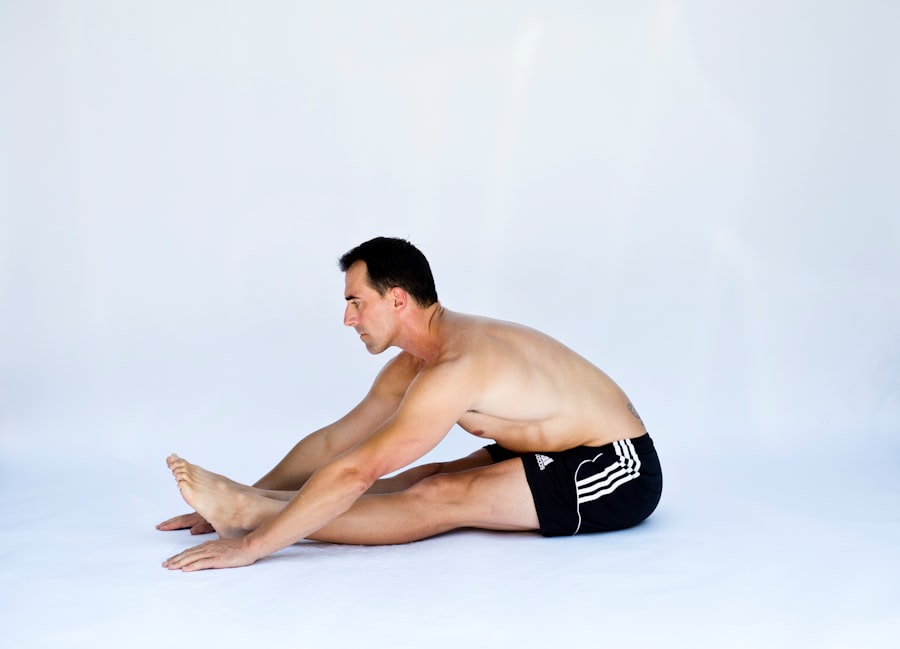
The strength of your pelvic floor is directly linked to your ability to control your bladder. When these muscles are weak, you may experience urinary incontinence or urgency, which can significantly impact your daily life. You might find yourself rushing to the bathroom or experiencing leaks during physical activities like laughing, sneezing, or exercising.
This not only affects your physical comfort but can also lead to emotional distress and social withdrawal. Conversely, a strong pelvic floor contributes to better bladder control and overall urinary health. By maintaining the integrity of these muscles, you can enhance your ability to hold urine and reduce the risk of incontinence.
This is particularly important as you age or if you have experienced childbirth. Strengthening your pelvic floor can lead to improved confidence and quality of life, allowing you to engage in activities without fear of embarrassing accidents.
Exercises to Strengthen the Pelvic Floor
Incorporating specific exercises into your routine can significantly enhance the strength of your pelvic floor muscles. These exercises are designed to target the muscles that support your bladder and other pelvic organs. One of the most effective ways to strengthen this area is through targeted muscle contractions that mimic the natural actions of the pelvic floor.
Regularly practicing these exercises can lead to noticeable improvements in muscle tone and function. You might consider starting with simple exercises like bridges or squats that engage the core and pelvic region. These movements not only strengthen the pelvic floor but also improve overall stability and posture.
As you become more comfortable with these exercises, you can gradually increase their intensity or incorporate more advanced movements that challenge your pelvic floor further. Consistency is key; dedicating just a few minutes each day to these exercises can yield significant benefits over time.
Kegel Exercises: How to Do Them Correctly
| Metric | Description | Typical Range/Value | Notes |
|---|---|---|---|
| Exercise Frequency | Number of pelvic floor exercise sessions per day | 3-4 times daily | Consistent daily practice improves bladder control |
| Repetitions per Session | Number of pelvic floor muscle contractions per session | 8-12 repetitions | Each contraction held for 5-10 seconds |
| Duration of Each Contraction | Time the pelvic floor muscle is held contracted | 5-10 seconds | Gradually increase as muscle strength improves |
| Improvement in Urgency Episodes | Reduction in sudden urge to urinate episodes per day | Up to 50% reduction after 6 weeks | Varies based on adherence and severity |
| Improvement in Leakage Episodes | Reduction in involuntary urine leakage episodes per week | 30-60% reduction after 8-12 weeks | More effective when combined with bladder training |
| Muscle Strength Increase | Improvement in pelvic floor muscle strength (measured by perineometer) | Increase of 2-3 cm H2O pressure | Measured after 8-12 weeks of training |
| Adherence Rate | Percentage of patients regularly performing exercises | 50-70% | Higher adherence linked to better outcomes |
Kegel exercises are perhaps the most well-known method for strengthening the pelvic floor. Named after Dr. Arnold Kegel, who developed them in the 1940s, these exercises involve contracting and relaxing the pelvic floor muscles to improve their strength and endurance.
To perform Kegels correctly, start by identifying the right muscles—these are the ones you would use to stop urination midstream. Once you’ve located them, you can practice contracting these muscles for a count of three to five seconds before relaxing them for an equal duration. It’s essential to focus on isolating the pelvic floor muscles during Kegels; avoid engaging your abdominal or thigh muscles during this exercise.
You might find it helpful to visualize lifting the pelvic floor upward as you contract. Aim for three sets of ten repetitions each day, gradually increasing the duration of each contraction as your strength improves. Remember that consistency is crucial; incorporating Kegels into your daily routine can lead to significant improvements in pelvic floor strength over time.
Other Exercises for Pelvic Floor Strength
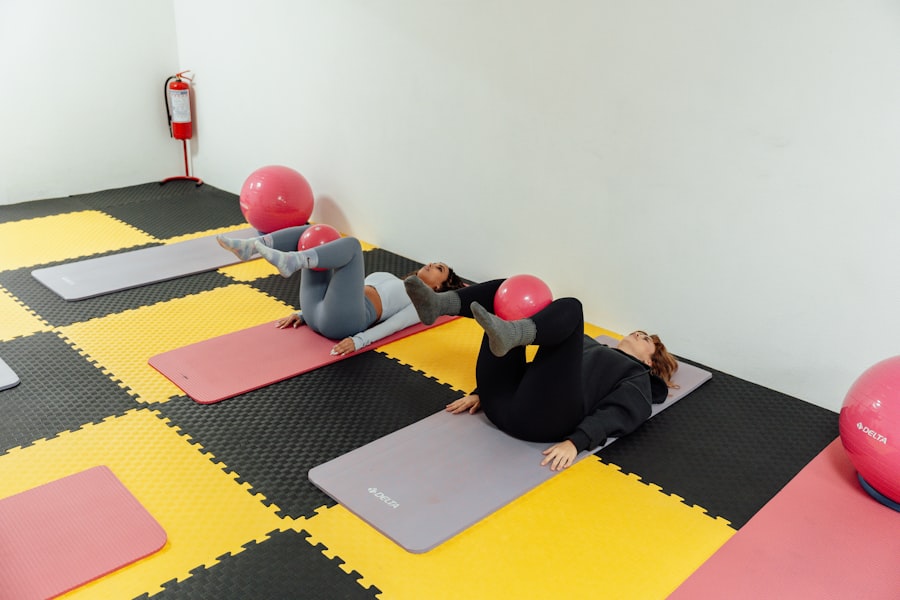
While Kegel exercises are highly effective, they are not the only way to strengthen your pelvic floor. A variety of other exercises can complement your Kegel routine and provide additional benefits. For instance, yoga poses such as the bridge pose or child’s pose can help engage and strengthen the pelvic region while promoting relaxation and flexibility.
These poses encourage awareness of your body and breath, which can enhance your connection to your pelvic floor. Pilates is another excellent option for strengthening the pelvic floor. Many Pilates exercises focus on core stability and alignment while engaging the pelvic muscles.
Movements like leg lifts or pelvic tilts can effectively target this area while also improving overall body strength and coordination. By incorporating a mix of Kegels, yoga, and Pilates into your fitness routine, you can create a well-rounded approach to strengthening your pelvic floor.
Lifestyle Changes to Support Pelvic Floor Health
In addition to targeted exercises, making certain lifestyle changes can significantly support your pelvic floor health. Maintaining a healthy weight is crucial; excess weight puts additional pressure on your pelvic floor muscles, leading to potential weakness over time. If you’re overweight, consider adopting a balanced diet and regular exercise routine to help manage your weight effectively.
Moreover, avoiding habits that contribute to chronic coughing—such as smoking—can also protect your pelvic floor health. Chronic coughs place undue stress on these muscles, leading to potential weakening over time. Additionally, practicing good posture while sitting or standing can help maintain proper alignment and support for your pelvic region.
By being mindful of these lifestyle factors, you can create an environment that fosters optimal pelvic floor health.
Dietary Considerations for Pelvic Floor Health
Your diet plays a significant role in supporting overall health, including the health of your pelvic floor. Consuming a balanced diet rich in fiber can help prevent constipation—a common issue that places strain on the pelvic floor during bowel movements. Incorporating plenty of fruits, vegetables, whole grains, and legumes into your meals can promote regularity and reduce pressure on these muscles.
Staying hydrated is equally important; drinking enough water helps maintain healthy bladder function and prevents urinary tract infections that could weaken the pelvic floor over time. Additionally, limiting caffeine and alcohol intake may benefit those experiencing bladder sensitivity or urgency issues. By making conscious dietary choices that support digestive health and hydration, you can contribute positively to your pelvic floor’s strength and function.
Seeking Professional Help for Pelvic Floor Weakness
If you’re experiencing symptoms related to pelvic floor weakness—such as incontinence or discomfort—consider seeking professional help from a healthcare provider specializing in pelvic health. A physical therapist trained in this area can assess your specific needs and develop a personalized treatment plan tailored to strengthen your pelvic floor effectively. In some cases, medical intervention may be necessary if conservative measures do not yield results.
Your healthcare provider may recommend options such as biofeedback therapy or electrical stimulation to enhance muscle function further. Remember that seeking help is a proactive step toward improving your quality of life; there is no need to suffer in silence when effective solutions are available.
The Role of Pelvic Floor Strength in Overall Health
The strength of your pelvic floor extends beyond just bladder control; it plays a vital role in overall health and well-being. A strong pelvic floor contributes to better core stability, which is essential for maintaining proper posture and preventing back pain. Additionally, it supports sexual function by enhancing sensation and arousal during intimate activities.
Moreover, strong pelvic floor muscles can improve athletic performance by providing better control during physical activities such as running or jumping. Whether you’re an athlete or simply enjoy staying active, prioritizing pelvic floor strength can enhance your performance across various activities while reducing the risk of injury.
Maintaining Pelvic Floor Strength for Long-Term Bladder Control
To ensure long-term bladder control and overall pelvic health, it’s essential to maintain a consistent routine focused on strengthening these muscles throughout your life. As you age or experience changes such as pregnancy or hormonal fluctuations, revisiting your exercise regimen becomes increasingly important. Incorporating regular check-ins with healthcare professionals specializing in pelvic health can also help monitor any changes or concerns that arise over time.
By staying proactive about your pelvic floor health through exercise, lifestyle adjustments, and professional guidance when needed, you can enjoy lasting benefits that enhance both bladder control and overall well-being for years to come. In conclusion, understanding the importance of your pelvic floor is crucial for maintaining optimal health throughout life. By recognizing common causes of weakness, engaging in targeted exercises like Kegels, making lifestyle changes, and seeking professional help when necessary, you empower yourself to take charge of this vital aspect of your well-being.
Prioritizing pelvic floor strength not only enhances bladder control but also contributes positively to various facets of health—allowing you to live life fully and confidently.
Pelvic floor exercises can be an effective way to improve bladder control, especially for those experiencing incontinence. For more information on this topic, you can read the article on senior health that discusses various strategies and exercises to strengthen the pelvic floor muscles. Check it out here: Explore Senior Health.
FAQs
What are pelvic floor exercises?
Pelvic floor exercises, also known as Kegel exercises, involve repeatedly contracting and relaxing the muscles that form the pelvic floor. These muscles support the bladder, uterus, and bowel.
How do pelvic floor exercises help with bladder control?
Pelvic floor exercises strengthen the muscles that control the bladder and urethra, which can reduce urinary incontinence and improve bladder control by preventing leaks and urgency.
Who can benefit from pelvic floor exercises?
People experiencing urinary incontinence, postpartum women, older adults, and those recovering from pelvic surgery can benefit from pelvic floor exercises. They are also useful for anyone looking to maintain pelvic health.
How often should pelvic floor exercises be done?
It is generally recommended to perform pelvic floor exercises daily, with sets of 8-12 contractions held for about 5-10 seconds each, repeated three times a day. Consistency is key for effectiveness.
Can pelvic floor exercises be done by men?
Yes, men can also perform pelvic floor exercises to improve bladder control, reduce urinary leakage, and support prostate health.
Are there any risks or side effects of pelvic floor exercises?
Pelvic floor exercises are safe for most people. However, overexertion or incorrect technique can cause muscle strain or discomfort. It is advisable to learn proper technique, possibly with guidance from a healthcare professional.
How long does it take to see results from pelvic floor exercises?
Most people notice improvements in bladder control within 4 to 6 weeks of regular practice, with continued improvement over several months.
Can pelvic floor exercises replace other treatments for bladder control issues?
Pelvic floor exercises are often a first-line treatment for mild to moderate bladder control problems. However, severe cases may require additional medical interventions, so consulting a healthcare provider is important.
How do I know if I am doing pelvic floor exercises correctly?
Correct technique involves tightening the muscles that stop urine flow without tightening the abdomen, buttocks, or thigh muscles. A healthcare professional can provide guidance, or biofeedback devices may be used to ensure proper muscle engagement.
Are there any tools or devices that can help with pelvic floor exercises?
Yes, devices such as pelvic floor trainers, biofeedback machines, and weighted vaginal cones can assist in performing exercises correctly and tracking progress. However, many people successfully perform exercises without any equipment.