
Blood pressure is a critical indicator of cardiovascular health, reflecting the force of blood against arterial walls during heart pumping. Measured in millimeters of mercury (mmHg), it is expressed as two numbers: systolic pressure (when the heart beats) and diastolic pressure (when the heart rests between beats). Understanding these measurements is essential, particularly with aging, as they provide insights into overall health and inform lifestyle and medical decisions.
Maintaining blood pressure within a healthy range is vital for preventing various health issues. Normal blood pressure is generally considered to be around 120/80 mmHg. However, aging typically causes blood vessels to stiffen and the heart to work harder to pump blood, resulting in increased blood pressure.
This natural aging process makes maintaining optimal levels more challenging, highlighting the importance of regular monitoring and proactive management.
Key Takeaways
- High blood pressure poses significant health risks for seniors, including heart disease and stroke.
- Maintaining optimal blood pressure can improve quality of life and reduce complications in older adults.
- Blood pressure targets for seniors are debated, requiring personalized approaches based on individual health factors.
- Lifestyle changes and medications are key strategies to manage blood pressure effectively in seniors.
- Regular monitoring and consultation with healthcare providers are essential for safe and effective blood pressure control.
Risks of High Blood Pressure in Seniors
High blood pressure, or hypertension, poses significant risks, particularly for seniors like yourself. It can lead to serious health complications such as heart disease, stroke, kidney damage, and even cognitive decline. The silent nature of hypertension often means that you may not experience noticeable symptoms until significant damage has occurred.
This makes regular check-ups and monitoring all the more crucial for you as you age. Moreover, the risks associated with high blood pressure can be compounded by other age-related health issues. For instance, if you have diabetes or high cholesterol, the likelihood of experiencing cardiovascular problems increases significantly.
The interplay between these conditions can create a perfect storm for your health, making it essential to keep your blood pressure in check to mitigate these risks and maintain a better quality of life.
Benefits of Maintaining Optimal Blood Pressure
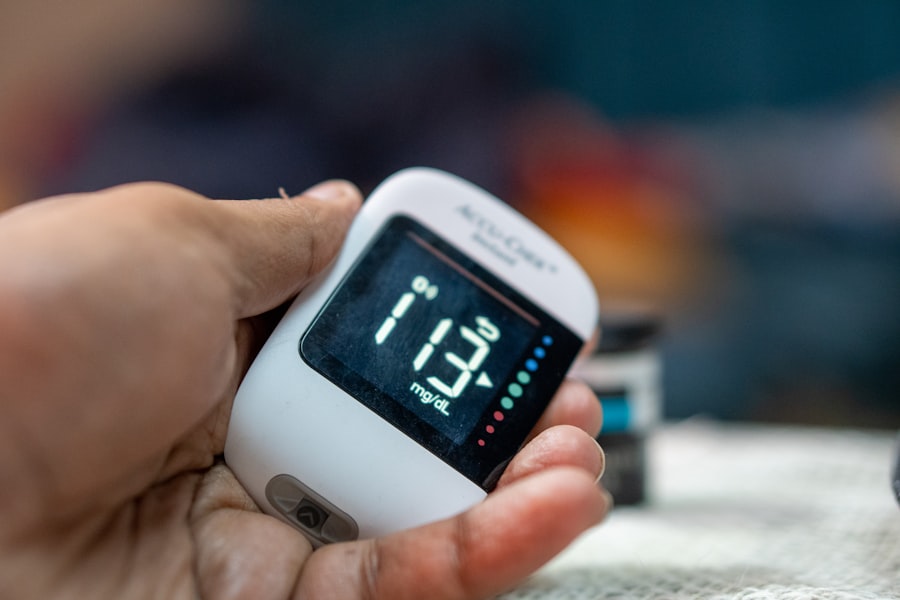
Maintaining optimal blood pressure offers numerous benefits that can enhance your overall well-being. When your blood pressure is within a healthy range, you reduce your risk of developing serious health conditions such as heart disease and stroke. This not only prolongs your life but also improves the quality of those years by allowing you to remain active and engaged in the activities you love.
Additionally, optimal blood pressure can lead to better cognitive function. Research has shown that individuals with well-managed blood pressure are less likely to experience cognitive decline or dementia as they age. By keeping your blood pressure in check, you are not only safeguarding your physical health but also protecting your mental acuity, enabling you to enjoy life to its fullest.
Current Blood Pressure Guidelines for Seniors
Current guidelines suggest that seniors should aim for a blood pressure reading below 130/80 mmHg. This target reflects a growing understanding that lower blood pressure can significantly reduce the risk of cardiovascular events in older adults. However, these guidelines are not one-size-fits-all; individual circumstances such as existing health conditions and overall health status must be taken into account.
It’s important for you to be aware that these guidelines may evolve as new research emerges. Staying informed about the latest recommendations can empower you to take charge of your health. Regular consultations with healthcare providers can help ensure that you are following the most current guidelines tailored to your specific needs.
Controversy Surrounding Blood Pressure Targets for Seniors
| Age Group | Blood Pressure Target (mm Hg) | Notes | Source |
|---|---|---|---|
| 60-79 years | <140/90 | General target for most seniors to reduce cardiovascular risk | American Heart Association (AHA) |
| 60-79 years with high cardiovascular risk | <130/80 | More intensive control recommended for those with diabetes or chronic kidney disease | American College of Cardiology (ACC) / AHA 2017 Guidelines |
| 80 years and older | <150/90 | Less aggressive target to avoid side effects like dizziness and falls | European Society of Hypertension (ESH) |
| 80 years and older, fit and healthy | <140/90 | May consider lower targets if tolerated | ESH / European Society of Cardiology (ESC) |
The debate surrounding optimal blood pressure targets for seniors is ongoing and complex. Some experts argue that lower targets may not always be beneficial for older adults, particularly those with multiple health issues or frailty. They contend that overly aggressive treatment could lead to adverse effects, such as dizziness or falls, which are particularly concerning for seniors.
On the other hand, many healthcare professionals advocate for stricter control of blood pressure in this age group, citing evidence that suggests lower readings can lead to better long-term outcomes. This controversy highlights the need for personalized approaches to blood pressure management, emphasizing that what works for one individual may not be suitable for another.
Factors to Consider When Setting Blood Pressure Targets for Seniors

When determining appropriate blood pressure targets for seniors like yourself, several factors come into play. Your overall health status is paramount; if you have chronic conditions such as diabetes or heart disease, more stringent targets may be necessary. Conversely, if you are generally healthy but experiencing mild hypertension, a more moderate approach might be advisable.
Additionally, your lifestyle and personal preferences should be considered. For instance, if you lead an active lifestyle and are committed to making dietary changes or exercising regularly, you may be able to manage your blood pressure effectively without aggressive medication. Engaging in open discussions with your healthcare provider about these factors can help establish realistic and achievable targets tailored specifically for you.
Potential Risks of Lowering Blood Pressure Too Much in Seniors
While lowering blood pressure is often beneficial, there are potential risks associated with reducing it too much in seniors. Excessively low blood pressure can lead to symptoms such as dizziness, fainting, and fatigue, which can significantly impact your quality of life and increase the risk of falls and injuries. These risks are particularly concerning for older adults who may already be dealing with balance issues or frailty.
Moreover, overly aggressive treatment can sometimes mask underlying health problems or lead to complications from medications. It’s crucial for you to work closely with your healthcare provider to find a balance that allows you to maintain healthy blood pressure levels without compromising your overall well-being.
Lifestyle Changes to Help Maintain Optimal Blood Pressure
Making lifestyle changes can play a pivotal role in maintaining optimal blood pressure levels as you age. One of the most effective strategies is adopting a heart-healthy diet rich in fruits, vegetables, whole grains, and lean proteins while limiting sodium intake. The DASH (Dietary Approaches to Stop Hypertension) diet is particularly beneficial and emphasizes foods that are low in saturated fat and cholesterol.
Aim for at least 150 minutes of moderate aerobic exercise each week, along with strength training exercises on two or more days per week.
These lifestyle modifications not only help regulate blood pressure but also contribute to overall physical and mental well-being.
Medication Options for Seniors to Control Blood Pressure
For some seniors, lifestyle changes alone may not be sufficient to control blood pressure effectively. In such cases, medication may be necessary. There are several classes of antihypertensive medications available, including diuretics, ACE inhibitors, calcium channel blockers, and beta-blockers.
Each class works differently and may have varying side effects; therefore, it’s essential for you to discuss options with your healthcare provider. Your doctor will consider factors such as your overall health status, existing medical conditions, and potential drug interactions when prescribing medication. It’s important to adhere to the prescribed regimen and communicate any side effects or concerns with your healthcare provider promptly.
Monitoring and Managing Blood Pressure in Seniors
Regular monitoring of blood pressure is crucial for effective management as you age. Home monitoring devices are widely available and can empower you to track your readings consistently. Keeping a log of your measurements can provide valuable information for both you and your healthcare provider during appointments.
In addition to home monitoring, regular check-ups with your healthcare provider are essential for assessing your overall cardiovascular health and making necessary adjustments to your treatment plan. These visits allow for open discussions about any concerns or changes in your health status and ensure that you remain on track toward achieving optimal blood pressure levels.
Consultation with Healthcare Providers for Personalized Blood Pressure Targets
Consulting with healthcare providers is vital when it comes to setting personalized blood pressure targets tailored specifically for you. Your doctor can assess your individual health profile and recommend appropriate goals based on factors such as age, existing medical conditions, and lifestyle choices. This collaborative approach ensures that you receive care that aligns with your unique needs.
Moreover, regular consultations allow for ongoing adjustments to your treatment plan as needed. As new research emerges or as your health status changes over time, staying connected with healthcare professionals will help you navigate the complexities of managing blood pressure effectively throughout your senior years. By taking an active role in these discussions, you empower yourself to make informed decisions about your health and well-being.
Managing blood pressure is crucial for seniors over sixty, as it can significantly impact overall health and well-being. A related article that discusses the importance of setting appropriate blood pressure targets for this age group can be found at Explore Senior Health. This resource provides valuable insights into how tailored blood pressure management can help reduce the risk of cardiovascular diseases and improve quality of life for older adults.
FAQs
What is considered a normal blood pressure range for seniors over sixty?
Normal blood pressure for seniors over sixty is generally considered to be around 120/80 mm Hg. However, individual targets may vary based on overall health and medical conditions.
Why are blood pressure targets different for seniors compared to younger adults?
Blood pressure targets for seniors are often adjusted because aging can affect blood vessel elasticity and overall cardiovascular health. Additionally, overly aggressive lowering of blood pressure in seniors may increase the risk of falls and other complications.
What are the recommended blood pressure targets for seniors over sixty?
Many guidelines recommend a target blood pressure of less than 130/80 mm Hg for seniors, but some suggest a slightly higher target, such as less than 140/90 mm Hg, depending on individual health status and risk factors.
How does high blood pressure affect seniors?
High blood pressure in seniors increases the risk of heart disease, stroke, kidney problems, and cognitive decline. Managing blood pressure helps reduce these risks and improve quality of life.
Are there any risks associated with lowering blood pressure too much in seniors?
Yes, excessively low blood pressure can cause dizziness, fainting, falls, and reduced blood flow to vital organs. It is important to balance blood pressure control with safety considerations.
What lifestyle changes can help seniors manage their blood pressure?
Seniors can manage blood pressure through a healthy diet low in sodium, regular physical activity, maintaining a healthy weight, limiting alcohol intake, quitting smoking, and managing stress.
Should seniors take medication to control blood pressure?
Medication may be necessary if lifestyle changes are insufficient to reach blood pressure targets. The choice and dosage of medication should be personalized and regularly reviewed by a healthcare provider.
How often should seniors monitor their blood pressure?
Seniors should monitor their blood pressure regularly, as advised by their healthcare provider, which may range from daily to weekly checks depending on their condition and treatment plan.
Can blood pressure targets change over time for seniors?
Yes, blood pressure targets may be adjusted based on changes in health status, the presence of other medical conditions, and response to treatment.
Where can seniors get reliable information about blood pressure management?
Reliable information can be obtained from healthcare providers, reputable health organizations such as the American Heart Association, and government health websites.