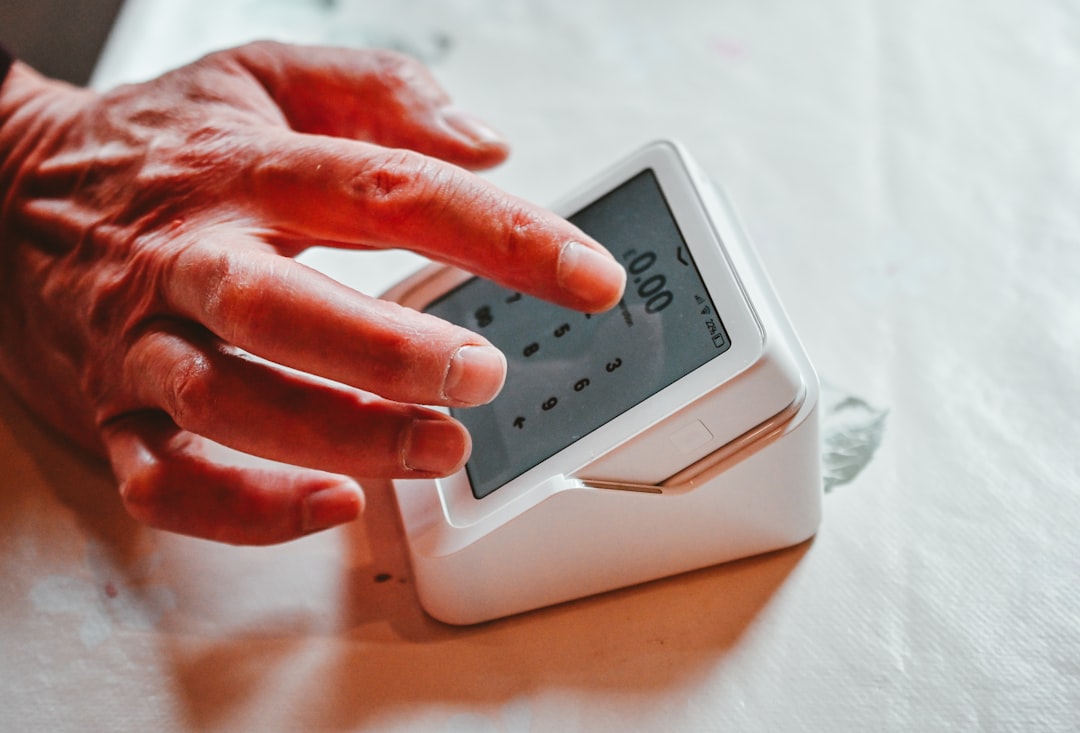
Blood pressure management becomes increasingly important as individuals age beyond sixty years. Blood pressure represents the force exerted by circulating blood against arterial walls, measured in millimeters of mercury (mmHg) and expressed as two numbers: systolic pressure (during heartbeats) over diastolic pressure (between heartbeats). Maintaining blood pressure within recommended ranges helps prevent cardiovascular complications, including coronary artery disease, cerebrovascular accidents, and chronic kidney disease.
Age-related physiological changes affect cardiovascular function in several ways. Arterial walls naturally stiffen with age, reducing vessel elasticity and potentially increasing systolic blood pressure. The heart muscle may thicken, and the cardiovascular system’s ability to respond to stress diminishes.
These changes contribute to the increased prevalence of hypertension in older adults, affecting approximately 65% of individuals over age 60. Current clinical guidelines establish specific blood pressure targets for older adults that differ from those for younger populations. The American College of Cardiology and American Heart Association recommend a target of less than 130/80 mmHg for most adults over 65, while considering individual health status, life expectancy, and treatment tolerance.
However, for adults over 80 or those with multiple comorbidities, slightly higher targets may be appropriate to balance benefits and risks. Both elevated and reduced blood pressure present health risks for seniors. Hypertension increases the risk of myocardial infarction, stroke, heart failure, and cognitive decline.
Conversely, excessive blood pressure reduction can cause hypotension, leading to falls, dizziness, and inadequate organ perfusion. This narrow therapeutic window requires careful monitoring and individualized treatment approaches for optimal outcomes in older adults.
Key Takeaways
- Managing blood pressure is crucial for seniors over sixty to reduce health risks.
- Both high and low blood pressure pose significant dangers for older adults.
- Current guidelines recommend individualized blood pressure targets based on each senior’s health status.
- Lifestyle changes and proper medication management are essential for effective blood pressure control.
- Regular monitoring and collaboration with healthcare providers improve blood pressure management outcomes.
Understanding the Importance of Blood Pressure Management in Seniors
Managing blood pressure is not just about numbers; it’s about enhancing your quality of life and reducing the risk of serious health issues. As you age, your arteries may become stiffer, and your heart may work harder to pump blood, leading to an increased risk of hypertension. By keeping your blood pressure within a healthy range, you can significantly lower the chances of developing cardiovascular diseases and other related conditions.
This proactive approach allows you to maintain your independence and enjoy a more active lifestyle. Moreover, effective blood pressure management can also improve your overall well-being. High blood pressure often goes unnoticed because it typically does not present any symptoms.
This silent condition can lead to severe complications if left unchecked. By regularly monitoring your blood pressure and adhering to recommended targets, you can take control of your health and prevent potential crises. Understanding the importance of this management is the first step toward a healthier future.
The Risks of High Blood Pressure in Seniors
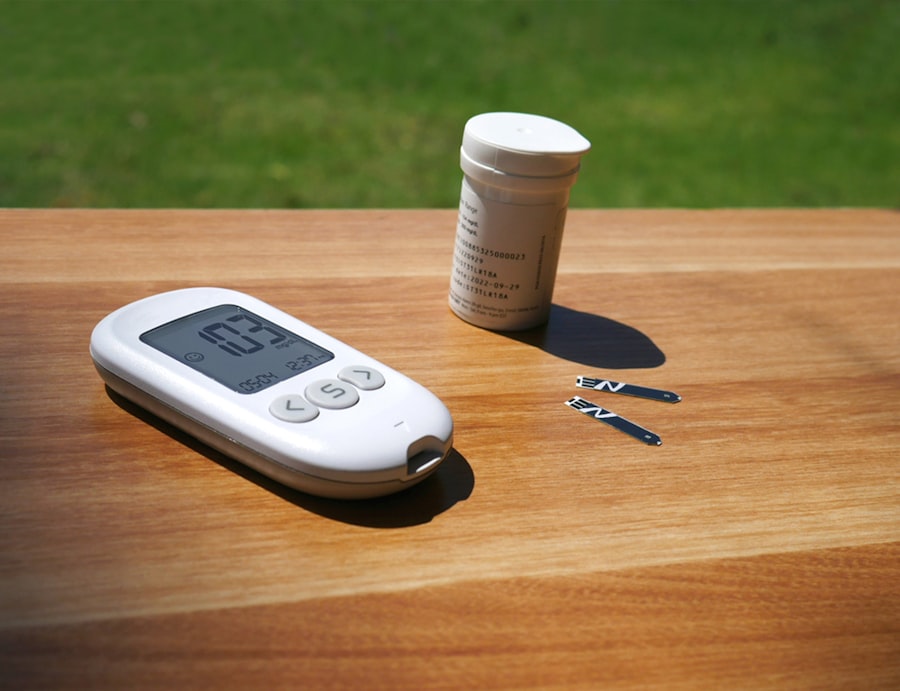
High blood pressure, or hypertension, poses significant risks for seniors like yourself. It can lead to a range of serious health complications, including heart attacks, strokes, and kidney failure. The increased pressure on your arterial walls can cause damage over time, leading to atherosclerosis—a condition where arteries become narrowed and hardened due to plaque buildup.
This can severely restrict blood flow and oxygen delivery to vital organs. Additionally, high blood pressure can exacerbate existing health conditions such as diabetes or heart disease. If you have other chronic illnesses, managing your blood pressure becomes even more critical.
The interplay between these conditions can create a vicious cycle that complicates treatment and increases the risk of hospitalization. By recognizing the dangers associated with high blood pressure, you can take proactive measures to mitigate these risks and safeguard your health.
The Risks of Low Blood Pressure in Seniors
While high blood pressure is often highlighted as a significant concern, low blood pressure—known as hypotension—can also pose serious risks for seniors. If your blood pressure drops too low, it can lead to dizziness, fainting, and falls, which are particularly dangerous for older adults. These falls can result in severe injuries such as fractures or head trauma, leading to a decline in mobility and independence.
Moreover, low blood pressure can indicate underlying health issues such as dehydration, heart problems, or endocrine disorders. It’s essential to be aware of the symptoms associated with hypotension and seek medical advice if you experience them. By understanding the potential dangers of both high and low blood pressure, you can better appreciate the importance of maintaining a balanced and healthy blood pressure level.
Current Blood Pressure Guidelines for Seniors Over Sixty
| Age Group | Blood Pressure Target (mm Hg) | Notes |
|---|---|---|
| 60-69 years | <140/90 | General target for most seniors; individualized based on health status |
| 70-79 years | <150/90 | Less strict target to avoid side effects from aggressive treatment |
| 80 years and older | 140-150/90 | Focus on quality of life; avoid hypotension and falls |
| All seniors with diabetes or chronic kidney disease | <130/80 | More stringent targets recommended by some guidelines |
| General recommendation | Individualized | Consider comorbidities, frailty, and patient preferences |
Current guidelines recommend that seniors over sixty aim for a systolic blood pressure (the top number) of less than 130 mmHg and a diastolic blood pressure (the bottom number) of less than 80 mmHg. These targets are designed to reduce the risk of cardiovascular events while considering the unique physiological changes that occur with aging. However, it’s important to note that individual circumstances may warrant different targets based on your overall health status and any existing medical conditions.
Healthcare professionals often emphasize the need for regular monitoring and adjustments to these targets as necessary. Your healthcare provider will consider factors such as your medical history, lifestyle, and any medications you may be taking when determining the most appropriate blood pressure goals for you. Staying informed about these guidelines will empower you to engage in meaningful discussions with your healthcare team about your health management.
Individualized Blood Pressure Targets for Seniors
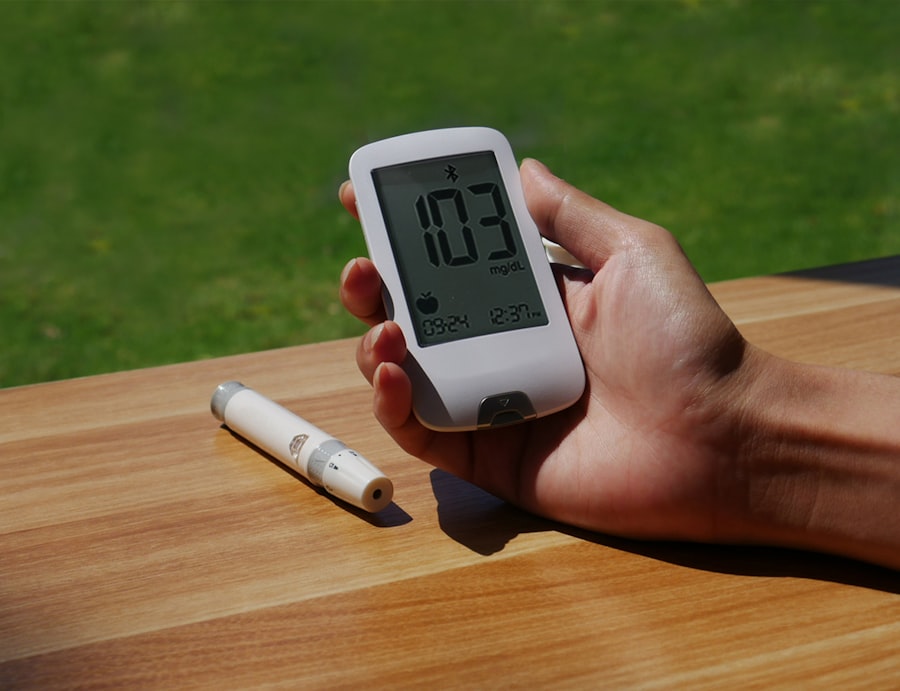
One size does not fit all when it comes to blood pressure targets for seniors. Individualized targets take into account various factors such as age, overall health status, and personal preferences.
Conversely, if you are generally healthy but experience occasional fluctuations in blood pressure, a more lenient target may be appropriate. Engaging in open communication with your healthcare provider is essential in establishing these individualized targets. You should feel comfortable discussing any concerns or preferences regarding your treatment plan.
By collaborating with your healthcare team, you can develop a personalized approach that aligns with your health goals and lifestyle.
Lifestyle Modifications for Managing Blood Pressure in Seniors
Making lifestyle modifications is one of the most effective ways to manage your blood pressure naturally. Simple changes in diet can have a profound impact on your overall health.
The DASH (Dietary Approaches to Stop Hypertension) diet is often recommended for seniors looking to improve their heart health. In addition to dietary changes, regular physical activity is crucial for maintaining healthy blood pressure levels. Engaging in moderate exercise such as walking, swimming, or cycling for at least 150 minutes per week can strengthen your heart and improve circulation.
Furthermore, managing stress through relaxation techniques like yoga or meditation can also contribute positively to your blood pressure management efforts.
Medication Management for Seniors with High Blood Pressure
For some seniors, lifestyle modifications alone may not be sufficient to control high blood pressure effectively. In such cases, medication may be necessary to achieve optimal results. There are various classes of antihypertensive medications available that work in different ways to lower blood pressure.
Your healthcare provider will assess your specific situation and prescribe medications that best suit your needs. It’s essential to adhere strictly to your prescribed medication regimen and communicate any side effects or concerns with your healthcare provider promptly. Regular follow-ups will allow for adjustments in dosage or medication type if needed.
Remember that managing high blood pressure is often a long-term commitment that requires ongoing monitoring and collaboration with your healthcare team.
Monitoring and Tracking Blood Pressure in Seniors
Regular monitoring of your blood pressure is vital for effective management. You may consider investing in a home blood pressure monitor for convenience and ease of use. By tracking your readings daily or weekly, you can identify patterns or fluctuations that may require attention from your healthcare provider.
Keeping a log of these readings will also facilitate discussions during medical appointments. In addition to home monitoring, attending regular check-ups with your healthcare provider is crucial for comprehensive management of your blood pressure. These visits allow for professional assessments and adjustments to your treatment plan as necessary.
By actively participating in monitoring your blood pressure, you empower yourself to take charge of your health.
The Role of Healthcare Providers in Managing Blood Pressure in Seniors
Healthcare providers play an integral role in managing blood pressure among seniors like yourself. They offer guidance on appropriate targets based on individual health needs and provide education on lifestyle modifications that can support better outcomes. Regular consultations with your healthcare team ensure that any changes in your condition are addressed promptly.
Moreover, healthcare providers are essential in coordinating care among specialists if you have multiple health conditions that require attention. They can help streamline communication between different providers to ensure that all aspects of your health are considered when developing a comprehensive management plan.
Conclusion and Key Takeaways for Seniors Managing Blood Pressure
In conclusion, managing blood pressure is a critical aspect of maintaining overall health as you age. Understanding the importance of individualized targets and recognizing the risks associated with both high and low blood pressure empowers you to take proactive steps toward better health outcomes. By making lifestyle modifications, adhering to prescribed medications when necessary, and actively monitoring your blood pressure, you can significantly reduce the risk of complications.
Remember that collaboration with healthcare providers is key in this journey. Regular check-ups and open communication will help ensure that you receive personalized care tailored to your unique needs. By taking charge of your blood pressure management today, you are investing in a healthier tomorrow filled with vitality and independence.
Recent discussions around blood pressure targets for seniors over sixty have highlighted the importance of individualized care and the need for tailored treatment plans. For a comprehensive overview of this topic, you can refer to the article on senior health at Explore Senior Health, which provides valuable insights into managing blood pressure effectively in older adults.
FAQs
What is considered a normal blood pressure range for seniors over sixty?
Normal blood pressure for seniors over sixty is generally considered to be around 120/80 mm Hg. However, individual targets may vary based on overall health and medical conditions.
Why are blood pressure targets different for seniors compared to younger adults?
Blood pressure targets for seniors are often adjusted because aging can affect blood vessel elasticity and overall cardiovascular health. Additionally, overly aggressive lowering of blood pressure in seniors may increase the risk of falls and other complications.
What are the recommended blood pressure targets for seniors over sixty?
Many guidelines recommend a target blood pressure of less than 130/80 mm Hg for seniors, but some suggest a slightly higher target, such as less than 140/90 mm Hg, depending on individual health status and risk factors.
How does high blood pressure affect seniors?
High blood pressure in seniors increases the risk of heart disease, stroke, kidney problems, and cognitive decline. Managing blood pressure helps reduce these risks and improve quality of life.
Are there any risks associated with lowering blood pressure too much in seniors?
Yes, excessively low blood pressure can cause dizziness, fainting, falls, and reduced blood flow to vital organs. It is important to balance blood pressure control with safety considerations.
What lifestyle changes can help seniors manage their blood pressure?
Seniors can manage blood pressure through a healthy diet low in sodium, regular physical activity, maintaining a healthy weight, limiting alcohol intake, quitting smoking, and managing stress.
Should seniors take medication to control blood pressure?
Medication may be necessary if lifestyle changes are insufficient to reach blood pressure targets. The choice of medication and dosage should be personalized and regularly reviewed by a healthcare provider.
How often should seniors monitor their blood pressure?
Seniors should monitor their blood pressure regularly, as advised by their healthcare provider, which may range from daily to weekly checks depending on their condition and treatment plan.
Can blood pressure targets change over time for seniors?
Yes, blood pressure targets may be adjusted based on changes in health status, the presence of other medical conditions, and response to treatment.
Where can seniors get reliable information about blood pressure management?
Reliable information can be obtained from healthcare providers, reputable health organizations such as the American Heart Association, and government health websites.