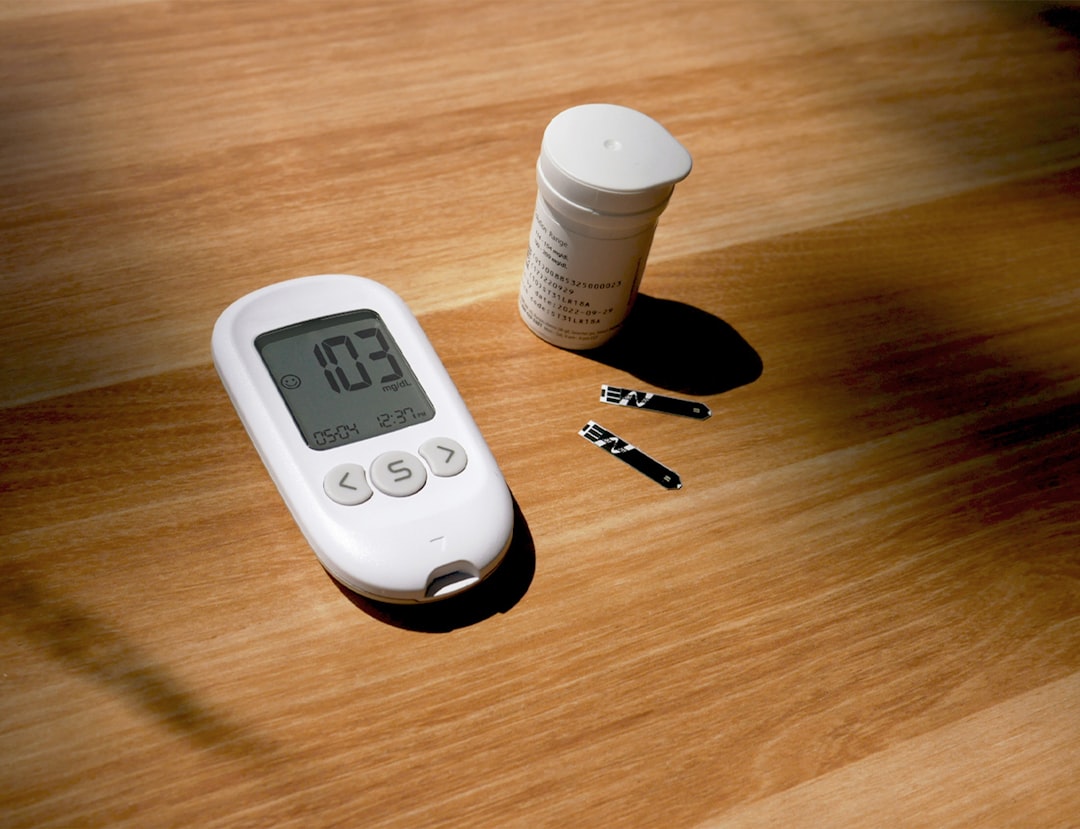
Blood pressure measures the force exerted by circulating blood against arterial walls as the heart pumps blood throughout the body. This measurement is recorded in millimeters of mercury (mmHg) and consists of two values: systolic pressure, representing arterial pressure during heart contractions, and diastolic pressure, indicating arterial pressure during the heart’s resting phase between beats. Normal blood pressure readings are generally below 120/80 mmHg.
These measurements serve as important indicators of cardiovascular health and overall physiological function. Blood pressure functions as a vital sign that can reveal underlying health conditions. Hypertension, characterized by consistently elevated blood pressure readings, increases the risk of cardiovascular disease, cerebrovascular accidents, and renal dysfunction.
Hypotension, or abnormally low blood pressure, can result in inadequate tissue perfusion, leading to symptoms such as dizziness, lightheadedness, and syncope. These conditions pose particular risks for older adults due to age-related physiological changes and increased vulnerability to complications. Regular blood pressure monitoring enables early detection of abnormalities and facilitates timely medical intervention when indicated.
Key Takeaways
- Regular blood pressure monitoring is crucial for seniors to prevent complications associated with abnormal levels.
- Both high and low blood pressure pose significant health risks for individuals aged 65 and older.
- Lifestyle changes, including diet, physical activity, and stress management, play a key role in maintaining healthy blood pressure.
- Medication management should be carefully tailored for seniors to effectively control high blood pressure without adverse effects.
- Adhering to current guidelines and recommended activities helps seniors maintain optimal blood pressure and overall cardiovascular health.
Importance of Blood Pressure Monitoring for Seniors
Monitoring your blood pressure regularly is essential, especially as you enter your senior years. With age, the risk of developing hypertension increases significantly due to various factors such as changes in blood vessel elasticity and overall cardiovascular health. By keeping track of your blood pressure readings, you can identify any concerning trends early on and take proactive steps to address them.
Regular monitoring empowers you to engage in discussions with your healthcare provider about your cardiovascular health and any necessary lifestyle adjustments or treatments. Moreover, consistent blood pressure monitoring can help you understand how different factors affect your readings. For instance, stress levels, dietary choices, and physical activity can all play a role in your blood pressure fluctuations.
By being aware of these influences, you can make informed decisions that promote better health outcomes. This proactive approach not only enhances your quality of life but also fosters a sense of control over your health as you age.
Current Blood Pressure Guidelines for Seniors 65+
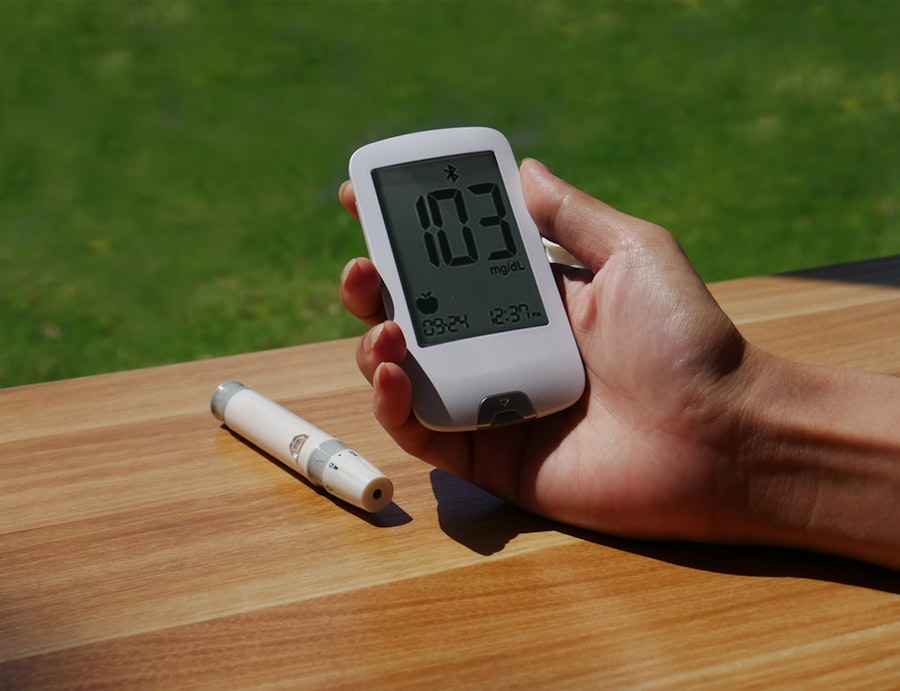
The current guidelines for blood pressure management in seniors aged 65 and older have evolved to reflect a better understanding of cardiovascular health in this demographic. According to the American College of Cardiology and the American Heart Association, a target blood pressure of less than 130/80 mmHg is recommended for older adults. This guideline aims to reduce the risk of heart disease and stroke while considering the unique physiological changes that occur with aging.
It is essential for you to be aware of these guidelines so that you can work with your healthcare provider to achieve and maintain optimal blood pressure levels. However, it’s important to note that individual circumstances may vary. Factors such as existing health conditions, medications, and overall health status can influence what is considered an appropriate target for you.
Therefore, engaging in open conversations with your healthcare provider about these guidelines will help tailor a plan that suits your specific needs. By understanding these recommendations, you can take an active role in managing your blood pressure effectively.
Factors Affecting Blood Pressure in Seniors
Several factors can influence your blood pressure as you age, making it crucial for you to be aware of them. One significant factor is lifestyle choices, including diet, physical activity, and weight management. A diet high in sodium and saturated fats can contribute to elevated blood pressure levels, while regular exercise can help lower them.
Additionally, maintaining a healthy weight is vital; obesity is a well-known risk factor for hypertension. Another important consideration is the impact of chronic conditions on your blood pressure. Conditions such as diabetes, kidney disease, and sleep apnea can complicate blood pressure management.
Medications used to treat these conditions may also have side effects that affect your blood pressure readings. Therefore, it’s essential to have regular check-ups with your healthcare provider to monitor these factors and adjust your treatment plan as necessary.
Risks of High Blood Pressure in Seniors
| Age Group | Blood Pressure Category | Systolic (mm Hg) | Diastolic (mm Hg) | Guideline Notes |
|---|---|---|---|---|
| 65 and older | Normal | < 130 | < 80 | Target BP for most seniors to reduce cardiovascular risk |
| 65 and older | Elevated | 130-139 | 80-89 | Monitor closely; lifestyle changes recommended |
| 65 and older | Hypertension Stage 1 | 140-159 | 90-99 | Consider medication and lifestyle modifications |
| 65 and older | Hypertension Stage 2 | ≥ 160 | ≥ 100 | Requires medical treatment and close monitoring |
| 65 and older | Isolated Systolic Hypertension | ≥ 140 | < 90 | Common in seniors; treatment important to prevent stroke |
High blood pressure poses significant risks for seniors that cannot be overlooked. One of the most alarming consequences is the increased likelihood of heart disease. When your blood pressure remains elevated over time, it puts extra strain on your heart and arteries, leading to conditions such as heart attacks or heart failure.
Additionally, hypertension can contribute to the development of stroke by damaging blood vessels in the brain or causing clots to form. Beyond cardiovascular issues, high blood pressure can also affect other organs in your body. For instance, it can lead to kidney damage over time, resulting in chronic kidney disease or even kidney failure.
Furthermore, uncontrolled hypertension may impair cognitive function and increase the risk of dementia. Understanding these risks emphasizes the importance of regular monitoring and management of your blood pressure as you age.
Risks of Low Blood Pressure in Seniors
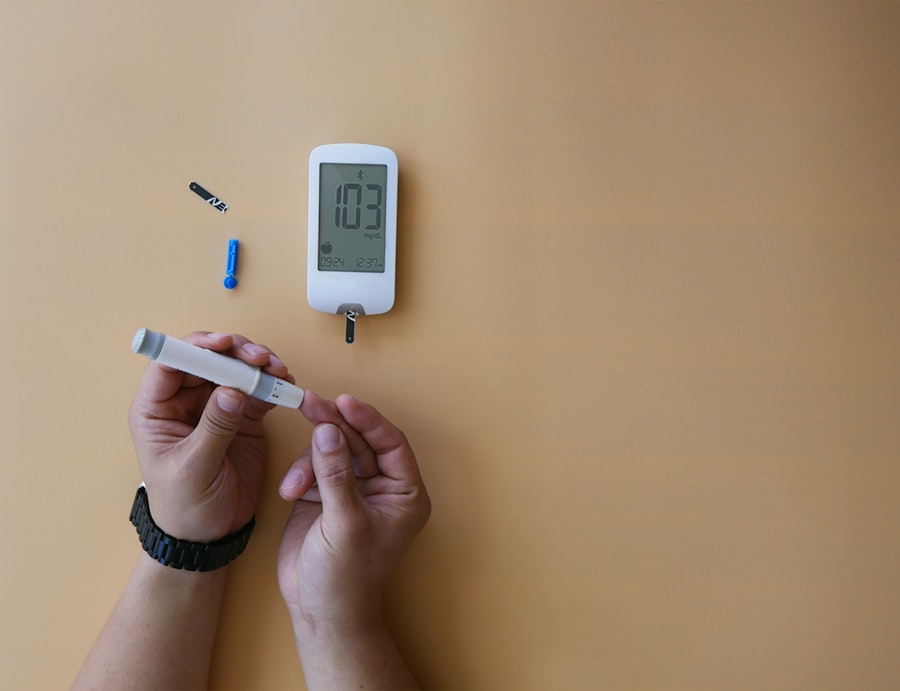
While high blood pressure often garners more attention, low blood pressure also presents risks that are particularly relevant for seniors like yourself. Hypotension can lead to symptoms such as dizziness, lightheadedness, and fainting spells, which can increase the risk of falls—a significant concern for older adults. Falls can result in serious injuries such as fractures or head trauma, making it crucial for you to be aware of how low blood pressure may affect your daily activities.
Moreover, low blood pressure can sometimes indicate underlying health issues that require attention. Conditions such as dehydration, heart problems, or endocrine disorders may contribute to hypotension. If you experience symptoms associated with low blood pressure or have concerns about your readings, it’s essential to consult with your healthcare provider for further evaluation and management strategies.
Lifestyle Changes to Manage Blood Pressure
Making lifestyle changes is one of the most effective ways for you to manage your blood pressure proactively. One key area to focus on is diet; adopting a heart-healthy eating plan can significantly impact your readings. Incorporating more fruits, vegetables, whole grains, lean proteins, and healthy fats into your meals while reducing sodium intake can help lower blood pressure levels over time.
In addition to dietary changes, regular physical activity plays a vital role in managing blood pressure. Engaging in moderate exercise such as walking, swimming, or cycling for at least 150 minutes per week can help strengthen your heart and improve circulation. Furthermore, maintaining a healthy weight through a balanced diet and exercise regimen will contribute positively to your overall cardiovascular health.
Medication Management for High Blood Pressure in Seniors
For some seniors, lifestyle changes alone may not be sufficient to manage high blood pressure effectively. In such cases, medication may be necessary to achieve optimal control. There are various classes of antihypertensive medications available that work in different ways to lower blood pressure.
Your healthcare provider will consider factors such as your overall health status, existing medical conditions, and potential side effects when prescribing medication. It’s crucial for you to adhere to the prescribed medication regimen and communicate openly with your healthcare provider about any side effects or concerns you may experience. Regular follow-ups will allow for adjustments to be made if necessary and ensure that you are on the right track toward managing your blood pressure effectively.
Recommended Physical Activity for Seniors to Maintain Healthy Blood Pressure
Physical activity is a cornerstone of maintaining healthy blood pressure levels as you age. Engaging in regular exercise not only helps lower blood pressure but also improves overall cardiovascular health and enhances mobility and strength. The American Heart Association recommends that seniors aim for at least 150 minutes of moderate-intensity aerobic activity each week.
This could include activities like brisk walking, dancing, or swimming—whatever suits your interests and abilities. In addition to aerobic exercise, incorporating strength training exercises at least twice a week can further benefit your cardiovascular health by building muscle mass and improving metabolism. Balance exercises are also essential for preventing falls and maintaining stability as you age.
Finding enjoyable activities that keep you active will make it easier for you to stick with a routine that supports healthy blood pressure management.
Dietary Guidelines for Seniors to Control Blood Pressure
Your diet plays a pivotal role in controlling blood pressure levels as you age. Following dietary guidelines designed specifically for seniors can help you make informed choices that promote heart health. The DASH (Dietary Approaches to Stop Hypertension) diet is often recommended for individuals looking to lower their blood pressure.
This diet emphasizes fruits, vegetables, whole grains, lean proteins (such as fish and poultry), and low-fat dairy products while limiting sodium intake. In addition to following the DASH diet principles, it’s essential for you to stay hydrated by drinking plenty of water throughout the day. Limiting alcohol consumption and avoiding excessive caffeine intake are also important considerations for managing blood pressure effectively.
By being mindful of what you eat and drink, you can take significant steps toward maintaining healthy blood pressure levels.
Tips for Seniors to Reduce Stress and Manage Blood Pressure
Stress management is another critical component of maintaining healthy blood pressure levels as a senior. Chronic stress can lead to elevated blood pressure readings over time; therefore, finding effective ways to manage stress is essential for your overall well-being. Techniques such as mindfulness meditation, deep breathing exercises, or yoga can help reduce stress levels and promote relaxation.
Additionally, engaging in social activities or hobbies that bring you joy can serve as excellent stress relievers. Whether it’s spending time with family and friends or pursuing creative interests like painting or gardening, finding ways to enjoy life will contribute positively to both your mental health and blood pressure management efforts. Remember that taking time for yourself is not just beneficial; it’s necessary for maintaining a balanced lifestyle as you age.
In conclusion, understanding and managing blood pressure is vital for seniors like yourself who wish to maintain good health as they age. By monitoring your readings regularly and making informed lifestyle choices—such as adopting a heart-healthy diet and engaging in regular physical activity—you can take proactive steps toward managing both high and low blood pressure effectively. Additionally, working closely with healthcare providers regarding medication management and addressing stress will further enhance your ability to maintain optimal cardiovascular health throughout your golden years.
For seniors aged sixty-five and older, managing blood pressure is crucial for maintaining overall health.