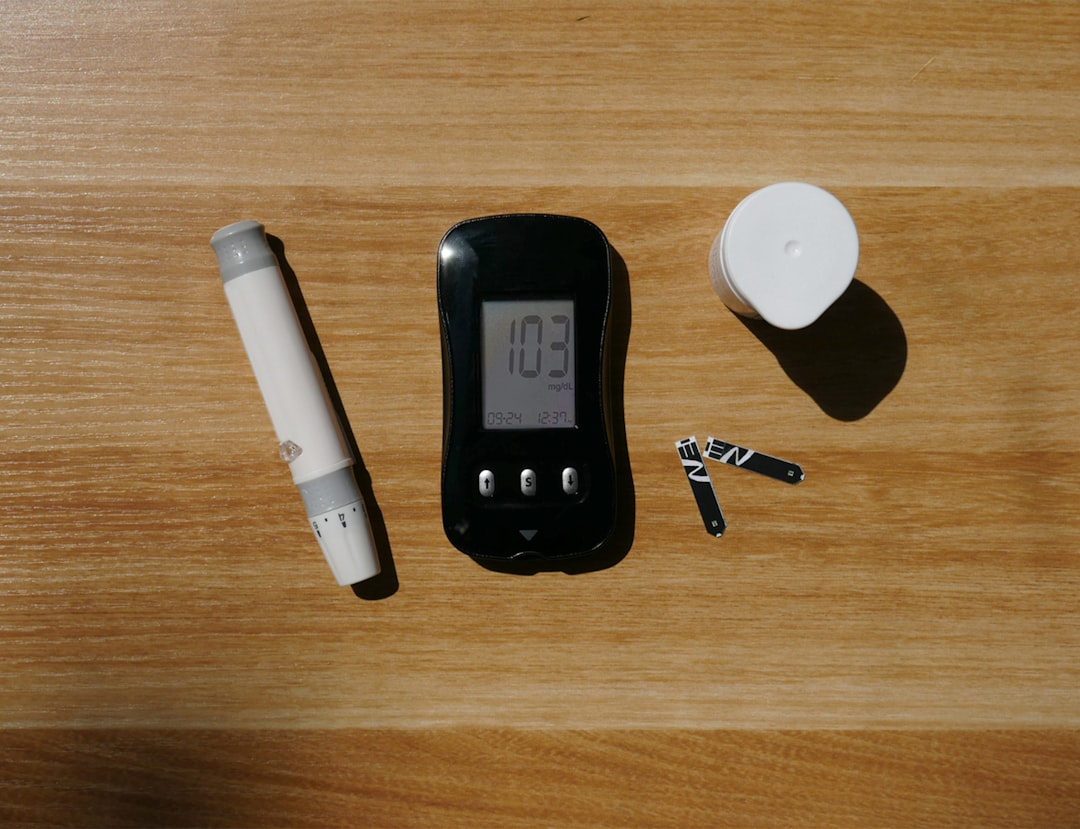
As individuals age, maintaining health becomes increasingly important, with blood pressure serving as a critical indicator of overall well-being. Home blood pressure monitoring provides a convenient method for tracking this vital health metric outside of clinical settings. Regular monitoring enables early detection of potential health issues, allowing for timely intervention and management.
This practice empowers individuals and encourages greater responsibility for personal health management, which is particularly significant during the aging process. Home blood pressure monitoring also effectively complements professional medical care by providing data between appointments. Since healthcare visits typically occur at scheduled intervals, home measurements offer valuable continuous information about daily blood pressure patterns.
This comprehensive data helps healthcare providers make more informed decisions about treatment plans and medication adjustments, potentially improving health outcomes and quality of life.
Key Takeaways
- Home blood pressure monitoring is crucial for managing hypertension and preventing complications in older adults.
- Understanding the risks of high blood pressure helps older adults and caregivers prioritize regular monitoring.
- Choosing an easy-to-use, accurate monitor tailored for older adults enhances adherence and effectiveness.
- Caregivers play a vital role in supporting and encouraging consistent home blood pressure checks.
- Integrating monitoring into daily routines empowers older adults to take control of their health and improve quality of life.
Understanding the Risks and Challenges of High Blood Pressure in Older Adults
High blood pressure, or hypertension, is often referred to as a “silent killer” because it typically presents no symptoms until significant damage has occurred. As you age, the risk of developing hypertension increases due to various factors such as lifestyle changes, hormonal shifts, and the natural aging process of your blood vessels. Understanding these risks is crucial for you to take appropriate action.
Uncontrolled high blood pressure can lead to severe complications, including heart disease, stroke, and kidney failure, making it imperative to monitor your levels regularly. In addition to the physical risks associated with high blood pressure, there are also psychological challenges that can arise. The stress of managing a chronic condition can be overwhelming, especially if you feel uncertain about how to monitor and control your blood pressure effectively.
This uncertainty can lead to anxiety and frustration, which may further exacerbate your condition. By understanding the risks and challenges associated with high blood pressure, you can better prepare yourself to face them head-on and take charge of your health.
Benefits of Empowering Older Adults with Home Blood Pressure Monitoring
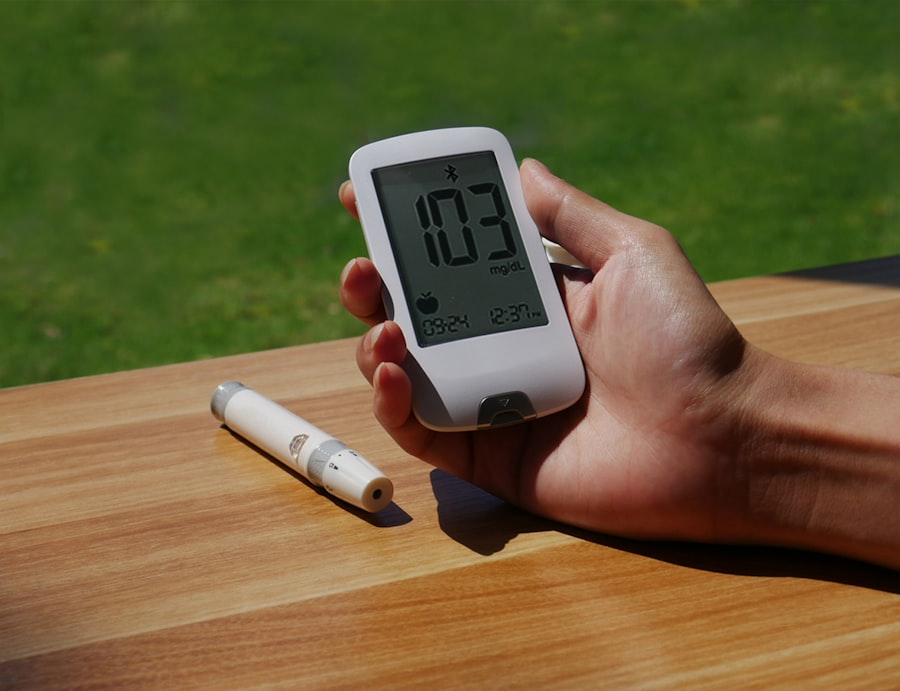
Empowering yourself with home blood pressure monitoring offers numerous benefits that extend beyond simply tracking numbers. One of the most significant advantages is the increased sense of autonomy it provides. When you take an active role in managing your health, you may feel more in control and less reliant on healthcare providers for information and guidance.
This empowerment can lead to improved mental well-being and a more positive outlook on life. Additionally, home monitoring allows for more personalized healthcare. By keeping a detailed record of your blood pressure readings, you can identify patterns and triggers that may affect your levels.
This information can be invaluable when discussing your health with your doctor, as it enables them to tailor treatment plans specifically to your needs. Furthermore, consistent monitoring can help you recognize when your blood pressure is out of the normal range, prompting timely interventions that could prevent serious health issues down the line.
How to Choose the Right Home Blood Pressure Monitor for Older Adults
Selecting the right home blood pressure monitor is crucial for ensuring accurate readings and ease of use. When choosing a device, consider factors such as accuracy, ease of operation, and display readability. Look for monitors that have been validated for accuracy by reputable organizations, as this will give you confidence in the reliability of the readings.
Additionally, opt for a device with a large display that clearly shows the numbers, making it easier for you to read without straining your eyes. Another important consideration is whether the monitor is automatic or manual. Automatic monitors are generally easier to use, as they require minimal effort on your part—simply place the cuff on your arm and press a button.
Manual monitors may require more skill and practice to operate correctly, which could be challenging if you have limited dexterity or vision issues. Ultimately, choose a monitor that fits your lifestyle and comfort level, ensuring that it will be a practical tool for regular use.
Tips for Older Adults on Using Home Blood Pressure Monitors Effectively
| Metric | Value | Notes |
|---|---|---|
| Recommended Monitoring Frequency | 2 times daily | Morning and evening readings preferred |
| Target Blood Pressure | < 130/80 mmHg | According to recent hypertension guidelines for older adults |
| Average Systolic BP Variability | 5-10 mmHg | Normal day-to-day variation in older adults |
| Device Accuracy Requirement | ±3 mmHg | Recommended accuracy for home BP monitors |
| Common Errors in Measurement | Incorrect cuff size, improper posture | Can lead to inaccurate readings |
| Percentage of Older Adults Using Home Monitoring | 40-60% | Varies by region and access to devices |
| Benefits of Home Monitoring | Improved BP control, early detection of hypertension | Supports medication adherence and lifestyle changes |
To get the most out of your home blood pressure monitor, it’s essential to follow some best practices for accurate readings.
This includes positioning the cuff properly on your arm and remaining still during the measurement process.
Additionally, it’s important to create an environment conducive to accurate measurements. Find a quiet space where you can sit comfortably with your back supported and feet flat on the floor.
Avoid caffeine, smoking, or vigorous exercise for at least 30 minutes before taking a reading, as these factors can temporarily elevate your blood pressure. By adhering to these tips, you’ll be better equipped to monitor your blood pressure effectively and make informed decisions about your health.
The Role of Caregivers in Supporting Older Adults with Home Blood Pressure Monitoring
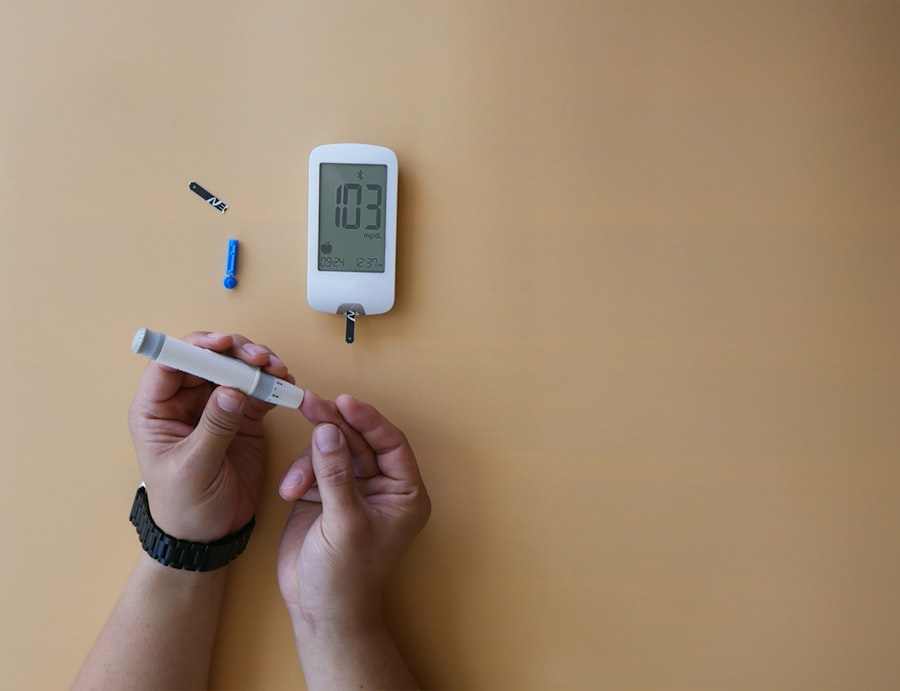
Caregivers play a vital role in supporting older adults as they navigate home blood pressure monitoring. Whether you’re a family member or a professional caregiver, your involvement can significantly impact their ability to manage their health effectively. One way you can assist is by helping them set up their monitoring routine—reminding them when it’s time to take their readings and ensuring they have all necessary supplies readily available.
Additionally, caregivers can help interpret the data collected from home monitoring. If an older adult is unsure about what their readings mean or how to respond to them, you can provide guidance or encourage them to discuss their results with their healthcare provider. Your support can empower them to take ownership of their health while alleviating some of the stress associated with managing a chronic condition.
Integrating Home Blood Pressure Monitoring into Older Adults’ Daily Routine
Incorporating home blood pressure monitoring into an older adult’s daily routine can be achieved through simple strategies that promote consistency and ease. One effective approach is to tie monitoring to an existing habit—such as taking medication or having breakfast—so it becomes a natural part of their day. By associating blood pressure checks with familiar activities, they are more likely to remember and prioritize this important task.
Creating a designated space for monitoring can also enhance adherence to this routine. Set up a comfortable area where they can easily access their blood pressure monitor and any related materials, such as a logbook for recording readings. This dedicated space will serve as a visual reminder and encourage them to make monitoring a regular part of their day-to-day life.
Empowering Older Adults to Take Control of Their Health Through Regular Blood Pressure Monitoring
Regular blood pressure monitoring empowers older adults by providing them with valuable insights into their health status. When you actively engage in tracking your blood pressure, you become more aware of how lifestyle choices—such as diet, exercise, and stress management—affect your readings. This awareness can motivate you to make healthier choices that contribute positively to your overall well-being.
Furthermore, taking control of your health through regular monitoring fosters a sense of independence and self-efficacy. You may find that being proactive about your health leads to improved communication with healthcare providers and greater confidence in managing any chronic conditions you may have. This empowerment not only enhances your quality of life but also encourages a more proactive approach to aging gracefully.
The Impact of Home Blood Pressure Monitoring on Older Adults’ Quality of Life
The impact of home blood pressure monitoring on older adults’ quality of life cannot be overstated. By actively participating in their health management, older adults often experience reduced anxiety related to their condition. Knowing that they are taking steps to monitor their blood pressure can alleviate fears about potential complications and foster a sense of security in their daily lives.
Moreover, consistent monitoring can lead to better health outcomes over time. When older adults are aware of their blood pressure trends and work collaboratively with healthcare providers based on this data, they are more likely to achieve optimal control over their hypertension. Improved health outcomes translate into enhanced mobility, increased energy levels, and an overall better quality of life—allowing older adults to engage more fully in activities they enjoy.
Overcoming Barriers to Home Blood Pressure Monitoring for Older Adults
Despite the numerous benefits of home blood pressure monitoring, several barriers may hinder older adults from fully embracing this practice. One common challenge is technological apprehension; some individuals may feel intimidated by using electronic devices or may struggle with understanding how they work. To overcome this barrier, consider providing hands-on demonstrations or written instructions that simplify the process.
Another barrier could be physical limitations that make it difficult for older adults to use certain monitors effectively. For instance, those with arthritis may find it challenging to operate manual devices or put on cuffs independently. In such cases, selecting user-friendly automatic monitors designed specifically for ease of use can make a significant difference in encouraging regular monitoring.
Resources and Support for Older Adults Interested in Home Blood Pressure Monitoring
For older adults interested in home blood pressure monitoring, numerous resources are available to provide support and guidance. Local healthcare providers often offer educational materials or workshops focused on hypertension management and home monitoring techniques. Additionally, community organizations may host events aimed at raising awareness about heart health among older adults.
Online resources also abound; reputable websites provide information on selecting monitors, interpreting readings, and understanding hypertension management strategies tailored specifically for older adults. Engaging with these resources can empower you with knowledge and skills necessary for effective home blood pressure monitoring while fostering connections with others who share similar health concerns. In conclusion, home blood pressure monitoring is an invaluable tool for older adults seeking to take charge of their health.
By understanding its importance and benefits while navigating potential challenges together with caregivers and resources available in the community, you can significantly enhance both your physical well-being and overall quality of life as you age gracefully.
Home blood pressure monitoring is becoming increasingly important for older adults, as it allows for better management of hypertension and overall cardiovascular health. For more insights on this topic, you can read the article on senior health at