
The SPRINT trial (Systolic Blood Pressure Intervention Trial) represents a landmark study in hypertension management research. Conducted by the National Institutes of Health (NIH), this large-scale clinical trial investigated the cardiovascular effects of intensive blood pressure control. The study enrolled adults aged 50 and older who had elevated cardiovascular risk but did not have diabetes, creating a specific patient population that had received limited attention in previous hypertension research.
The SPRINT trial findings have substantially impacted clinical guidelines and blood pressure management practices. The study results demonstrated that maintaining lower systolic blood pressure targets significantly reduces cardiovascular events, including heart disease and related complications. These findings have prompted revisions to treatment protocols and influenced evidence-based approaches to patient care in hypertension management.
Key Takeaways
- The SPRINT trial demonstrated that intensive blood pressure control significantly reduces cardiovascular events in high-risk patients.
- Participants targeting a systolic blood pressure below 120 mm Hg showed better outcomes compared to standard targets below 140 mm Hg.
- Intensive treatment was associated with some increased adverse effects, necessitating careful patient monitoring.
- Findings suggest revising clinical guidelines to adopt lower blood pressure targets for certain high-risk groups.
- Future research is needed to optimize treatment strategies and address patient preferences and safety concerns.
Methodology and Participants
In the SPRINT trial, researchers employed a randomized controlled design, which is considered the gold standard in clinical research. You might be intrigued to learn that over 9,300 participants were enrolled across more than 100 sites in the United States. These individuals were carefully selected based on specific criteria, including age, blood pressure levels, and existing health conditions.
The participants were divided into two groups: one receiving standard treatment aimed at achieving a systolic blood pressure of less than 140 mmHg, and the other undergoing intensive treatment targeting a systolic blood pressure of less than 120 mmHg. The methodology of the SPRINT trial was rigorous, ensuring that data collected was both reliable and valid. You may appreciate that participants were closely monitored throughout the study, with regular follow-ups to assess their blood pressure levels and overall health.
This comprehensive approach allowed researchers to gather valuable insights into the effects of different blood pressure targets on cardiovascular outcomes. By understanding the methodology and participant selection, you can better grasp the significance of the trial’s findings.
Significant Blood Pressure Reductions in the SPRINT Trial
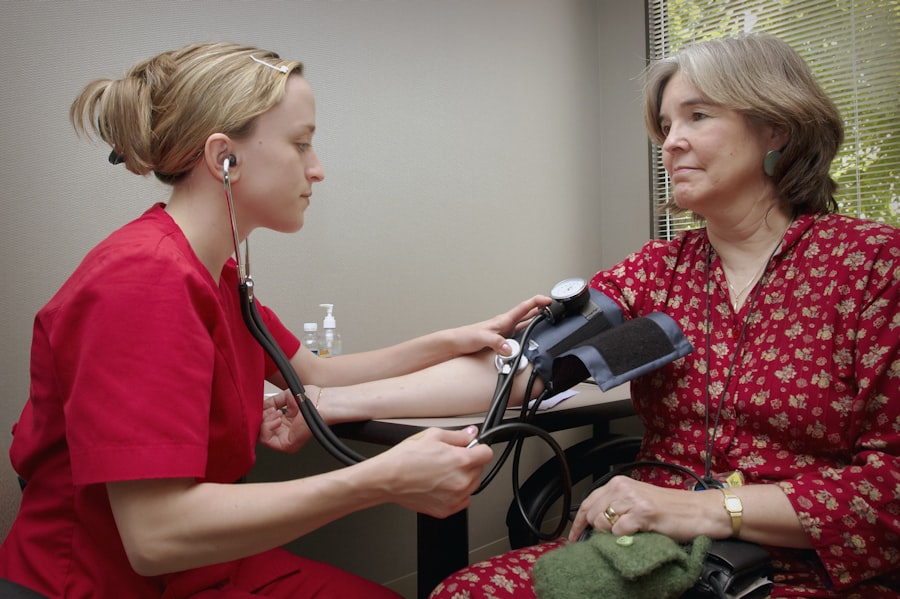
One of the most striking outcomes of the SPRINT trial was the significant reduction in blood pressure observed among participants in the intensive treatment group.
This substantial difference highlights the effectiveness of aggressive blood pressure management strategies in high-risk populations.
Moreover, these reductions in blood pressure were not only statistically significant but also clinically relevant. As you consider the implications of such findings, it becomes clear that lowering systolic blood pressure to these levels can lead to improved health outcomes. The trial demonstrated that even modest reductions in blood pressure could have profound effects on reducing cardiovascular risks, which is particularly important for individuals with pre-existing conditions or those at higher risk for heart disease.
Impact on Cardiovascular Events
The SPRINT trial’s findings regarding cardiovascular events are particularly compelling. You will likely be interested to know that participants in the intensive treatment group experienced a 25% reduction in major cardiovascular events compared to those receiving standard treatment. This included a decrease in heart attacks, strokes, and cardiovascular-related deaths, underscoring the potential life-saving benefits of more aggressive blood pressure management.
As you reflect on these results, it becomes evident that controlling blood pressure is not merely about numbers; it is about improving quality of life and longevity. The SPRINT trial provides robust evidence that achieving lower systolic blood pressure can significantly reduce the risk of serious health complications. This information is crucial for both healthcare providers and patients as they navigate treatment options and make informed decisions about managing hypertension.
Potential Benefits for High-Risk Populations
| Metric | Intensive Treatment Group | Standard Treatment Group | Difference |
|---|---|---|---|
| Target Systolic Blood Pressure (mm Hg) | <120 | <140 | 20 mm Hg |
| Achieved Mean Systolic BP (mm Hg) | 121.4 | 136.2 | 14.8 mm Hg |
| Primary Outcome Rate (cardiovascular events or death, %) | 1.65 per 100 person-years | 2.19 per 100 person-years | 0.54 per 100 person-years |
| Relative Risk Reduction | 25% | Reference | 25% |
| Serious Adverse Events (%) | 4.7% | 2.5% | 2.2% |
The implications of the SPRINT trial extend beyond just general hypertension management; they hold particular significance for high-risk populations. You may recognize that individuals with conditions such as chronic kidney disease, heart disease, or a history of stroke stand to benefit immensely from more aggressive blood pressure control. The trial’s findings suggest that these individuals may experience even greater reductions in cardiovascular events when their blood pressure is managed more intensively.
Furthermore, as you consider the broader public health implications, it becomes clear that adopting these strategies could lead to significant reductions in healthcare costs associated with treating cardiovascular diseases. By preventing major events through effective blood pressure management, you can envision a future where fewer individuals suffer from debilitating conditions related to hypertension. This potential for improved health outcomes in high-risk populations makes the findings of the SPRINT trial all the more critical.
Comparison with Standard Blood Pressure Targets
When comparing the results of the SPRINT trial with standard blood pressure targets, you may find it enlightening to note how traditional guidelines have evolved over time. Historically, many healthcare providers aimed for a systolic blood pressure below 140 mmHg as a benchmark for treatment. However, the SPRINT trial challenges this notion by demonstrating that lower targets can yield significant health benefits.
As you analyze this shift in perspective, it becomes apparent that healthcare professionals must reconsider their approach to hypertension management. The evidence from SPRINT suggests that aiming for a systolic blood pressure below 120 mmHg may be more beneficial for certain populations, particularly those at high risk for cardiovascular events. This paradigm shift encourages a more individualized approach to treatment, where patient-specific factors are taken into account when determining optimal blood pressure targets.
Adverse Effects and Safety Considerations
While the benefits of intensive blood pressure control are compelling, it is essential to consider potential adverse effects and safety concerns associated with such approaches. You may be interested to learn that participants in the intensive treatment group experienced a higher incidence of adverse events related to low blood pressure, such as fainting or falls. This highlights the importance of monitoring patients closely when implementing aggressive treatment strategies.
As you contemplate these safety considerations, it becomes clear that healthcare providers must strike a balance between achieving optimal blood pressure levels and minimizing risks associated with treatment. Individualized care plans that take into account a patient’s overall health status and potential vulnerabilities are crucial in ensuring safe and effective hypertension management. By being aware of these factors, you can better understand the complexities involved in treating high blood pressure.
Implications for Clinical Practice
The implications of the SPRINT trial for clinical practice are profound and far-reaching. As you consider how this research influences everyday patient care, it becomes evident that healthcare providers must adapt their approaches to hypertension management based on these findings. The trial encourages clinicians to engage in shared decision-making with patients regarding their treatment goals and strategies.
Moreover, you may find it essential for healthcare systems to implement protocols that support intensive blood pressure management for high-risk populations. This could involve training providers on new guidelines, enhancing patient education about lifestyle modifications, and ensuring access to necessary medications. By embracing these changes, healthcare professionals can work towards improving patient outcomes and reducing the burden of cardiovascular disease.
Future Research and Recommendations
Looking ahead, future research stemming from the SPRINT trial will be crucial in further refining our understanding of hypertension management.
For instance, exploring how different demographic factors—such as age, gender, or ethnicity—affect responses to intensive blood pressure control could provide valuable insights into personalized treatment approaches.
Additionally, long-term studies examining the sustainability of intensive blood pressure management over time will be essential in determining its feasibility in real-world settings. As you consider these future research directions, it becomes clear that ongoing investigation will help solidify the findings of the SPRINT trial and guide clinical practice moving forward.
Patient Perspectives and Considerations
As you reflect on the SPRINT trial’s findings, it’s important to consider patient perspectives and experiences regarding hypertension management. Many individuals may feel overwhelmed by the prospect of more aggressive treatment strategies or may have concerns about potential side effects. Engaging patients in discussions about their treatment options is vital for fostering adherence and ensuring they feel empowered in their healthcare decisions.
You might also recognize that lifestyle modifications play a crucial role in managing hypertension alongside medication. Encouraging patients to adopt healthier habits—such as regular exercise, a balanced diet, and stress management—can complement pharmacological interventions and enhance overall well-being. By addressing both medical and lifestyle factors, you can help patients achieve better control over their blood pressure while also improving their quality of life.
Conclusion and Key Takeaways
In conclusion, the SPRINT trial has significantly advanced our understanding of hypertension management and its impact on cardiovascular health. As you reflect on its findings, it’s clear that intensive blood pressure control can lead to substantial reductions in major cardiovascular events among high-risk populations. The trial challenges traditional treatment paradigms and encourages healthcare providers to adopt more individualized approaches based on patient needs.
Key takeaways from this research include recognizing the importance of setting lower blood pressure targets for certain populations while remaining vigilant about potential adverse effects associated with aggressive treatment strategies. As future research continues to build upon these findings, you can anticipate ongoing developments in clinical practice that prioritize patient-centered care and improved health outcomes for individuals living with hypertension.
The SPRINT trial has provided significant insights into blood pressure management, particularly in older adults. For a deeper understanding of how these findings relate to overall senior health, you can read more in this article on senior health topics at Explore Senior Health. This resource offers valuable information that complements the SPRINT trial results and their implications for hypertension treatment in the elderly population.
FAQs
What was the primary objective of the SPRINT trial?
The primary objective of the SPRINT (Systolic Blood Pressure Intervention Trial) was to determine whether intensive blood pressure control, targeting a systolic blood pressure of less than 120 mm Hg, would reduce cardiovascular events and mortality compared to standard treatment targeting less than 140 mm Hg.
Who were the participants in the SPRINT trial?
The trial included adults aged 50 years or older with increased cardiovascular risk but without diabetes or prior stroke. Participants had systolic blood pressure between 130 and 180 mm Hg and at least one additional cardiovascular risk factor.
What were the main findings of the SPRINT trial?
The SPRINT trial found that intensive blood pressure control significantly reduced the rates of major cardiovascular events, such as heart attack, heart failure, stroke, and cardiovascular death, as well as all-cause mortality compared to standard blood pressure control.
How much was blood pressure lowered in the intensive treatment group?
In the intensive treatment group, the average systolic blood pressure was lowered to approximately 121 mm Hg, compared to about 136 mm Hg in the standard treatment group.
Did the SPRINT trial report any risks or side effects associated with intensive blood pressure lowering?
Yes, the trial reported higher rates of some adverse events in the intensive treatment group, including hypotension, syncope, electrolyte abnormalities, and acute kidney injury, although these were generally manageable.
How has the SPRINT trial influenced clinical guidelines?
The results of the SPRINT trial have influenced many clinical guidelines to recommend lower systolic blood pressure targets for certain high-risk populations, emphasizing the benefits of more intensive blood pressure control.
Is intensive blood pressure control recommended for all patients based on the SPRINT trial?
No, intensive blood pressure control is not recommended for everyone. The trial’s findings apply primarily to adults at increased cardiovascular risk without diabetes or prior stroke, and treatment decisions should be individualized based on patient health and risk factors.
What methods were used to measure blood pressure in the SPRINT trial?
Blood pressure in the SPRINT trial was measured using automated devices with participants resting alone in a quiet room, which may yield lower readings than typical office measurements.
How long was the follow-up period in the SPRINT trial?
Participants were followed for a median of 3.26 years before the trial was stopped early due to clear benefits observed in the intensive treatment group.
Where can I find more detailed information about the SPRINT trial results?
Detailed information about the SPRINT trial can be found in the original publications in the New England Journal of Medicine and through resources provided by the National Heart, Lung, and Blood Institute (NHLBI).