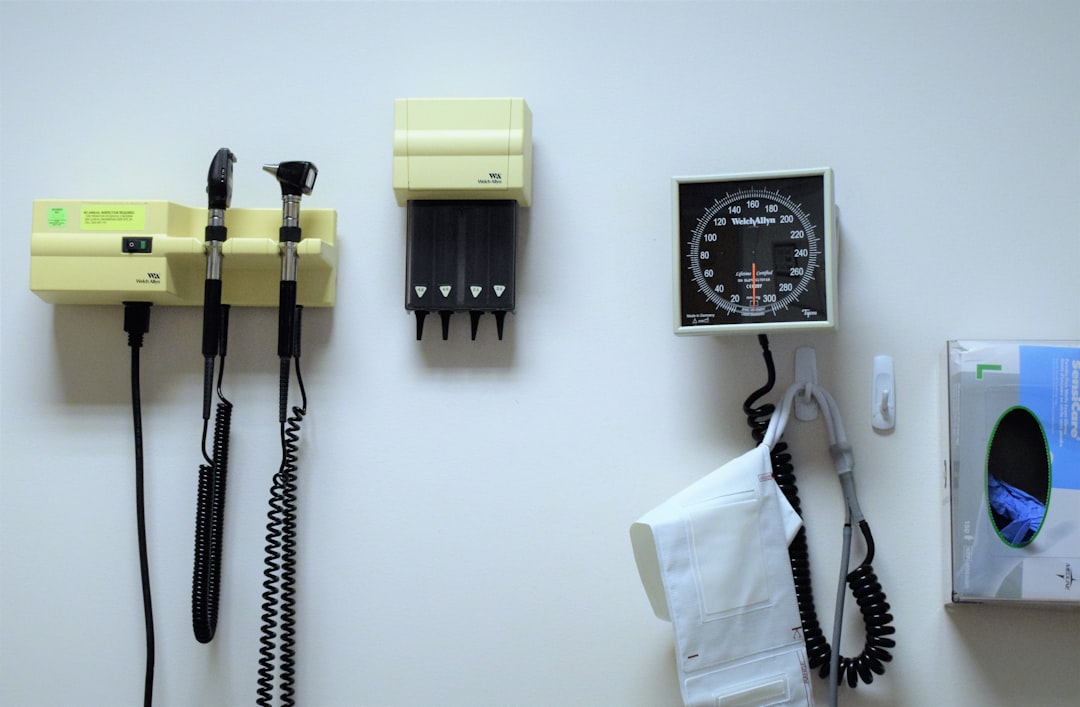
The timing of blood pressure medication administration is a critical factor in its efficacy. Research indicates that the effectiveness of antihypertensive drugs varies depending on when they are taken. For patients prescribed these medications, maintaining a consistent schedule is essential for optimal blood pressure control.
Establishing a consistent daily medication schedule also promotes adherence. Taking antihypertensive drugs at the same time each day creates a routine that improves compliance with prescribed treatment plans.
This consistency contributes to more stable blood pressure readings over time and is associated with better clinical outcomes. Medication timing represents a fundamental component of comprehensive hypertension management that significantly impacts treatment effectiveness.
Key Takeaways
- Timing of blood pressure medication significantly influences its effectiveness and overall blood pressure control.
- Absorption of blood pressure medications can be affected by factors like food intake, other medications, and individual metabolism.
- Aligning medication intake with the body’s circadian rhythm may enhance blood pressure regulation and reduce cardiovascular risks.
- Consistent medication timing helps prevent fluctuations in blood pressure and reduces the risk of adverse effects.
- Open communication with healthcare providers is essential to tailor medication timing based on lifestyle and health changes.
Factors Affecting Blood Pressure Medication Absorption
Several factors can influence how well your body absorbs blood pressure medications. One of the most significant factors is food intake. Certain medications may require you to take them on an empty stomach for optimal absorption, while others may be better absorbed with food.
If you take your medication inconsistently with respect to meals, you might not be getting the full benefit of the drug. Understanding these nuances can empower you to make informed decisions about when to take your medication. Additionally, individual differences such as age, weight, and metabolic rate can also play a role in how your body processes medication.
For instance, older adults may metabolize drugs differently than younger individuals, which could affect the timing and dosage required for effective treatment. Furthermore, other medications or supplements you are taking can interact with your blood pressure medication, altering its absorption and effectiveness. Being aware of these factors can help you optimize your medication regimen and ensure that you are receiving the intended benefits.
Best Time to Take Blood Pressure Medications

Determining the best time to take your blood pressure medications can depend on various factors, including the specific type of medication prescribed and your daily routine. Some studies suggest that taking certain antihypertensive medications in the evening may lead to better blood pressure control overnight and reduce the risk of cardiovascular events. This is particularly relevant for individuals whose blood pressure tends to spike during nighttime hours.
On the other hand, some medications may be more effective when taken in the morning. For example, diuretics are often recommended for morning use to prevent nocturia, which is the need to urinate frequently at night. Ultimately, the best time for you to take your medication should be discussed with your healthcare provider, who can tailor recommendations based on your unique health profile and lifestyle.
Understanding the Circadian Rhythm and Blood Pressure
Your body’s circadian rhythm plays a significant role in regulating various physiological processes, including blood pressure. Blood pressure naturally fluctuates throughout the day, typically peaking in the morning and dipping at night. This pattern is influenced by hormonal changes and physical activity levels.
Understanding this rhythm can help you make informed decisions about when to take your blood pressure medications. By aligning your medication schedule with your circadian rhythm, you may enhance the effectiveness of your treatment. For instance, if you experience higher blood pressure readings in the morning, taking your medication at that time could help mitigate those spikes.
Conversely, if your blood pressure tends to drop too low at night, adjusting your medication timing could provide more stability throughout the night and into the following day.
Potential Risks of Inconsistent Medication Timing
| Medication | Recommended Timing | Reason for Timing | Effect on Blood Pressure | Notes for Seniors |
|---|---|---|---|---|
| ACE Inhibitors (e.g., Lisinopril) | Evening or bedtime | Improves nighttime blood pressure control | Reduces nocturnal hypertension and morning surge | Monitor for dizziness when standing up |
| Beta Blockers (e.g., Metoprolol) | Morning or split doses | Aligns with daily activity and heart rate control | Controls daytime blood pressure and heart rate | May cause fatigue; adjust timing if needed |
| Calcium Channel Blockers (e.g., Amlodipine) | Any time, preferably morning | Long half-life allows flexible timing | Consistent blood pressure reduction throughout day | Watch for swelling in ankles |
| Diuretics (e.g., Hydrochlorothiazide) | Morning | Prevents nocturia and sleep disruption | Reduces blood volume and pressure | Ensure adequate hydration |
| ARBs (e.g., Losartan) | Evening or bedtime | Enhances nighttime blood pressure control | Reduces cardiovascular risk by controlling nocturnal BP | Monitor kidney function regularly |
Inconsistent timing of blood pressure medication can lead to a host of potential risks and complications. When you fail to take your medication as prescribed, you may experience fluctuations in your blood pressure that could increase the risk of heart attack or stroke. These events can have serious consequences for your health and well-being, making it essential to adhere to a consistent schedule.
Moreover, inconsistent timing can lead to confusion regarding whether you’ve taken your medication or not. This uncertainty may result in missed doses or accidental double dosing, both of which can have detrimental effects on your health. By establishing a reliable routine for taking your medication, you can minimize these risks and promote better overall health outcomes.
Strategies for Remembering to Take Blood Pressure Medications
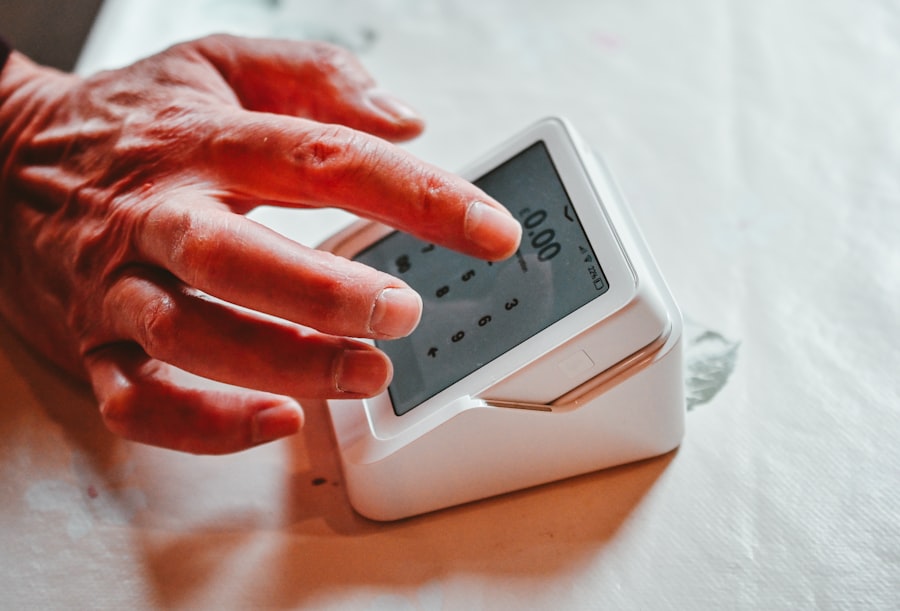
Remembering to take your blood pressure medications consistently can be challenging, especially if you have a busy lifestyle. However, there are several strategies you can employ to help ensure that you never miss a dose. One effective method is to set daily reminders on your phone or use a pill organizer that clearly labels each day’s doses.
This visual cue can serve as a helpful prompt to take your medication at the designated time. Another strategy is to incorporate taking your medication into an existing routine. For example, if you have a habit of drinking coffee every morning or brushing your teeth before bed, consider taking your medication at that same time.
Communicating with Healthcare Providers about Medication Timing
Open communication with your healthcare provider is essential when it comes to managing your blood pressure medications effectively. If you’re unsure about the best time to take your medication or if you’re experiencing side effects that may be related to timing, don’t hesitate to reach out for guidance. Your healthcare provider can offer valuable insights based on their expertise and knowledge of your medical history.
Additionally, discussing any lifestyle changes or challenges you’re facing can help your provider make informed recommendations regarding medication timing. Whether you’re adjusting to a new work schedule or dealing with stressors that affect your routine, sharing this information can lead to more personalized care and better management of your blood pressure.
Adjusting Medication Timing for Lifestyle Changes
Life is full of changes that can impact how and when you take your blood pressure medications. Whether you’re starting a new job with different hours or experiencing changes in sleep patterns due to travel or family commitments, it’s important to adjust your medication timing accordingly. Flexibility is key; by being proactive about these changes, you can maintain effective blood pressure management.
If you find yourself needing to adjust your medication schedule, consult with your healthcare provider for guidance on how best to do so without compromising the effectiveness of your treatment. They may suggest gradual adjustments or alternative strategies that align with your new lifestyle while still ensuring optimal blood pressure control.
Monitoring Blood Pressure and Medication Effects
Regularly monitoring your blood pressure is an essential part of managing hypertension effectively. By keeping track of how your blood pressure responds to different medications and their timing, you can gain valuable insights into what works best for you. This information can also be beneficial during discussions with your healthcare provider, allowing for more informed decisions regarding treatment adjustments.
Consider investing in a home blood pressure monitor so that you can easily track your readings over time. Keeping a log of these readings alongside notes about when you took your medication can help identify patterns and inform future discussions with your healthcare provider about optimizing your treatment plan.
Potential Benefits of Optimizing Blood Pressure Medication Timing
Optimizing the timing of your blood pressure medications can yield numerous benefits beyond just improved control over hypertension. By taking medications consistently at the right times, you may experience fewer side effects and enhanced overall well-being. Improved adherence to a medication schedule often leads to better health outcomes and reduced risk of complications associated with high blood pressure.
Furthermore, when you feel more in control of managing your blood pressure through proper timing, it can positively impact other areas of your life as well. You may find yourself feeling more energetic and engaged in daily activities, leading to an improved quality of life overall.
The Impact of Proper Medication Timing on Blood Pressure Management
In conclusion, the timing of blood pressure medications plays a pivotal role in effective hypertension management. By understanding the importance of consistent timing and its impact on absorption and effectiveness, you empower yourself to take charge of your health. Communicating openly with healthcare providers about any challenges or lifestyle changes ensures that you receive personalized care tailored to your needs.
As you implement strategies for remembering to take medications and monitor their effects on your blood pressure, you’ll likely notice improvements in both control and overall well-being. Ultimately, prioritizing proper medication timing is an essential step toward achieving optimal health outcomes and living a fulfilling life free from the burdens of uncontrolled hypertension.
Recent studies have suggested that the timing of blood pressure medication can significantly impact its effectiveness, particularly for seniors. For a deeper understanding of this topic, you can read more in the article available at Explore Senior Health, which discusses various health considerations for older adults, including medication management and timing strategies.
FAQs
What is the best time for seniors to take blood pressure medication?
The best time for seniors to take blood pressure medication can vary depending on the specific medication and individual health conditions. Many doctors recommend taking blood pressure medication in the morning, but some studies suggest that taking it at bedtime may better control blood pressure overnight and reduce the risk of cardiovascular events. It is important for seniors to follow their healthcare provider’s instructions.
Why does the timing of blood pressure medication matter for seniors?
Timing matters because blood pressure naturally fluctuates throughout the day. Taking medication at the optimal time can improve its effectiveness, help maintain stable blood pressure levels, and reduce side effects. For seniors, proper timing can also help minimize risks such as falls due to dizziness or low blood pressure.
Can taking blood pressure medication at night cause side effects in seniors?
Taking blood pressure medication at night may cause side effects such as dizziness or nighttime urination, which can increase the risk of falls in seniors. However, some medications are better tolerated at night. It is essential to discuss any side effects with a healthcare provider to adjust timing or dosage if needed.
Should seniors adjust their blood pressure medication timing if they experience side effects?
Yes, if seniors experience side effects like dizziness, fatigue, or frequent urination, they should consult their healthcare provider. The provider may recommend changing the timing, dosage, or type of medication to improve tolerance and effectiveness.
Is it safe for seniors to change the timing of their blood pressure medication on their own?
No, seniors should not change the timing or dosage of their blood pressure medication without consulting their healthcare provider. Improper changes can lead to uncontrolled blood pressure or adverse effects.
How does blood pressure medication timing affect blood pressure control in seniors?
Proper timing can help maintain consistent blood pressure control throughout the day and night. Some medications taken at bedtime may better control nighttime blood pressure, which is important because elevated nighttime blood pressure is linked to higher cardiovascular risk in seniors.
Are there different recommendations for different types of blood pressure medications?
Yes, different classes of blood pressure medications (such as ACE inhibitors, beta-blockers, diuretics) may have different optimal timing based on their pharmacokinetics and side effect profiles. Healthcare providers tailor timing recommendations to the specific medication and patient needs.
Can lifestyle factors influence the timing of blood pressure medication for seniors?
Yes, factors such as meal times, sleep patterns, and other medications can influence when blood pressure medication should be taken. For example, some medications should be taken with food, while others are better absorbed on an empty stomach.
How can seniors remember to take their blood pressure medication at the right time?
Seniors can use pill organizers, set alarms or reminders on their phones, or link medication times to daily routines like meals or bedtime to help remember to take their medication consistently at the prescribed time.
Should seniors monitor their blood pressure at home when adjusting medication timing?
Yes, home blood pressure monitoring can help seniors and their healthcare providers assess how well the medication timing is controlling blood pressure and make informed adjustments if necessary.