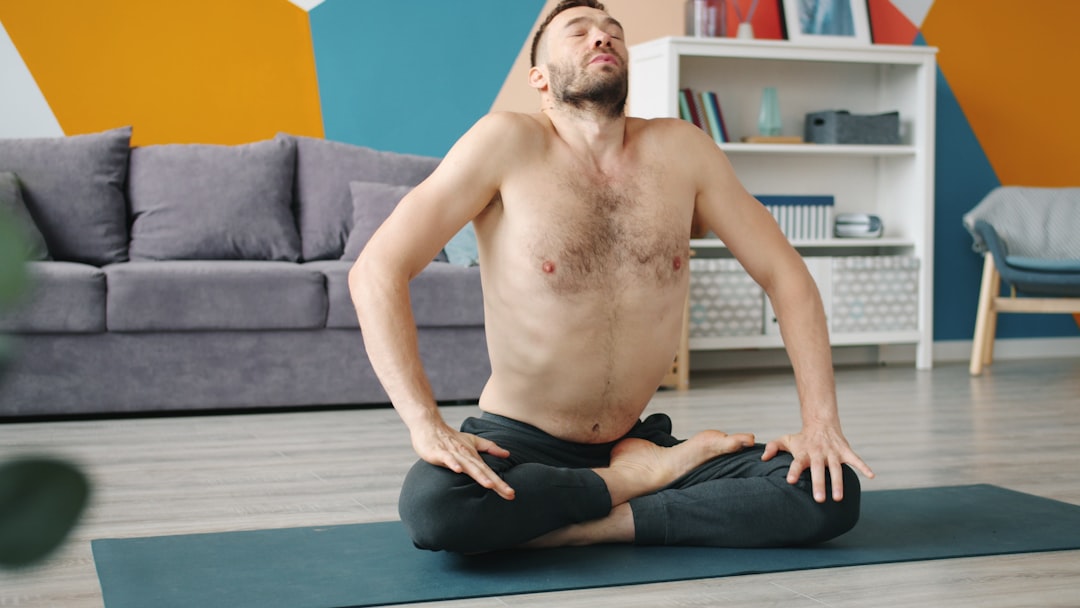
In contemporary society, stress and anxiety are prevalent conditions that frequently contribute to increased blood pressure. Breathing exercises represent an evidence-based approach to health management, demonstrating measurable effects on cardiovascular regulation. These techniques work by activating the parasympathetic nervous system, which counteracts the stress response and promotes vasodilation, resulting in reduced blood pressure measurements.
Breathing exercises are practical interventions that require minimal resources and can be implemented in various settings. Clinical research indicates that consistent practice of controlled breathing techniques can lead to statistically significant reductions in both systolic and diastolic blood pressure readings. These exercises function as a non-pharmacological complement to conventional hypertension treatments, offering individuals an additional method to participate actively in their cardiovascular health management.
Key Takeaways
- Breathing exercises like deep and diaphragmatic breathing can effectively help lower blood pressure.
- Mindfulness, meditation, and progressive muscle relaxation complement breathing techniques in managing blood pressure.
- Practices such as yoga and Tai Chi combine movement and breath control to reduce blood pressure.
- Consistent daily practice and safe techniques are essential for maximizing the benefits of breathing exercises.
- Professional guidance and lifestyle changes enhance the effectiveness of breathing exercises in blood pressure management.
Understanding the Link Between Breathing and Blood Pressure
To appreciate the impact of breathing exercises on blood pressure, it is essential to understand the connection between your breath and your cardiovascular system. When you experience stress or anxiety, your body enters a state of heightened alertness, often referred to as the “fight or flight” response. This reaction triggers the release of stress hormones like adrenaline, which can cause your heart rate to increase and blood vessels to constrict, leading to elevated blood pressure.
Conversely, when you engage in deep, controlled breathing, you activate the parasympathetic nervous system, which promotes relaxation and counteracts the stress response. This shift allows your heart rate to slow down and blood vessels to dilate, resulting in lower blood pressure. By consciously focusing on your breath, you can influence your body’s physiological state, creating a more balanced environment that supports cardiovascular health.
Deep Breathing Techniques for Lowering Blood Pressure
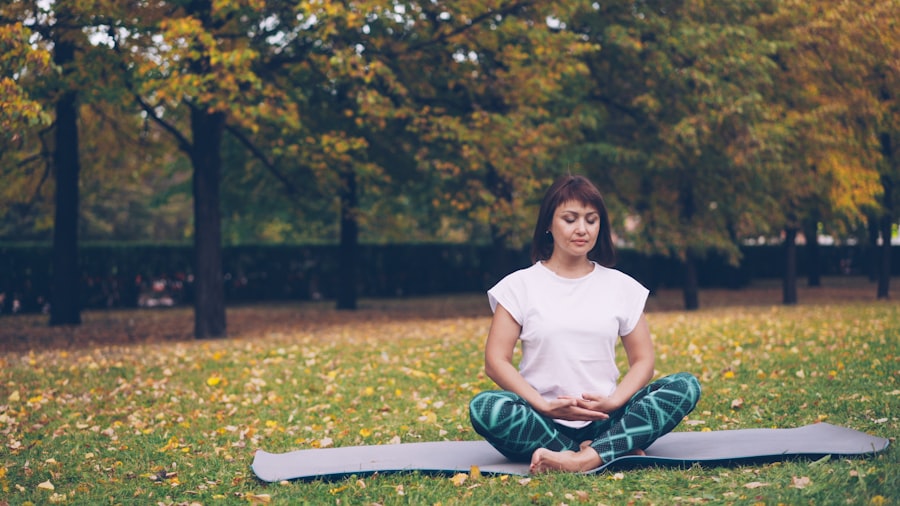
Deep breathing techniques are among the most effective methods for lowering blood pressure. One popular technique is known as “4-7-8 breathing.” To practice this method, you begin by inhaling deeply through your nose for a count of four. You then hold your breath for a count of seven before exhaling slowly through your mouth for a count of eight.
This rhythmic pattern not only calms the mind but also encourages oxygen exchange in the lungs, promoting relaxation throughout the body. Another effective deep breathing technique is “box breathing,” which involves inhaling, holding, exhaling, and holding again for equal counts—typically four seconds each. This method helps to stabilize your breath and create a sense of calmness.
As you practice these techniques regularly, you may notice a significant reduction in your blood pressure levels, along with an overall improvement in your mental clarity and emotional resilience.
Diaphragmatic Breathing for Blood Pressure Regulation
Diaphragmatic breathing, also known as abdominal or belly breathing, is another powerful technique that can help regulate blood pressure. This method involves engaging the diaphragm fully while inhaling and exhaling, allowing for deeper breaths that promote relaxation. To practice diaphragmatic breathing, find a comfortable position—either sitting or lying down—and place one hand on your chest and the other on your abdomen.
As you breathe in deeply through your nose, focus on expanding your abdomen rather than your chest. You should feel your hand on your abdomen rise while the hand on your chest remains relatively still. As you exhale slowly through pursed lips, allow your abdomen to fall naturally.
This technique not only enhances oxygen intake but also stimulates the vagus nerve, which plays a crucial role in regulating heart rate and blood pressure. By incorporating diaphragmatic breathing into your daily routine, you can cultivate a greater sense of calm and stability in your cardiovascular system.
The Role of Mindfulness and Meditation in Lowering Blood Pressure
| Breathing Exercise | Duration | Frequency | Effect on Blood Pressure | Notes |
|---|---|---|---|---|
| Slow Deep Breathing | 10 minutes | Twice daily | Reduces systolic BP by 5-10 mmHg | Focus on inhaling deeply through the nose and exhaling slowly through the mouth |
| 4-7-8 Breathing | 4 cycles (about 1 minute) | 3 times daily | Moderate reduction in BP, especially systolic | Inhale for 4 seconds, hold for 7 seconds, exhale for 8 seconds |
| Resonance Frequency Breathing | 15 minutes | Daily | Reduces systolic BP by up to 8 mmHg | Breathing at 5-6 breaths per minute to maximize heart rate variability |
| Diaphragmatic Breathing | 10-15 minutes | Once or twice daily | Improves relaxation, lowers BP by 4-7 mmHg | Focus on expanding the abdomen during inhalation |
| Alternate Nostril Breathing | 5-10 minutes | Daily | May reduce BP and stress levels | Inhale and exhale through alternate nostrils using fingers to close nostrils |
Mindfulness and meditation are complementary practices that can significantly enhance the benefits of breathing exercises for lowering blood pressure.
Mindfulness encourages you to observe your thoughts and feelings without judgment, fostering a sense of acceptance that can lead to reduced emotional reactivity.
Incorporating mindfulness into your breathing exercises can amplify their effectiveness. For instance, as you practice deep or diaphragmatic breathing, take a moment to notice any sensations in your body or thoughts that arise. Acknowledge them without attachment and gently guide your focus back to your breath.
This practice not only helps lower blood pressure but also enhances emotional regulation and overall mental well-being.
Progressive Muscle Relaxation for Blood Pressure Management
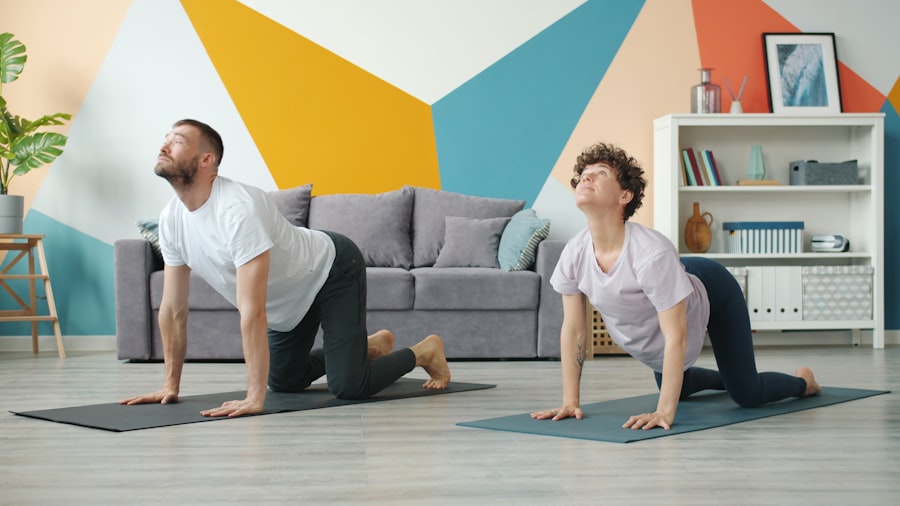
Progressive muscle relaxation (PMR) is another effective technique that can aid in managing blood pressure. This method involves systematically tensing and relaxing different muscle groups throughout the body, promoting physical relaxation and reducing tension. To practice PMR, find a quiet space where you can sit or lie down comfortably.
Begin by taking a few deep breaths to center yourself. Start with your feet; tense the muscles for about five seconds before releasing them completely. Move up through your body—calves, thighs, abdomen, arms, shoulders, and face—tensing each muscle group before relaxing it.
As you progress through each area, pay attention to the contrast between tension and relaxation. This practice not only helps alleviate physical stress but also encourages mental clarity and emotional calmness, contributing to lower blood pressure levels.
Yoga and Tai Chi for Blood Pressure Reduction
Yoga and Tai Chi are ancient practices that combine movement with breath control and mindfulness, making them excellent choices for lowering blood pressure. Both disciplines emphasize slow, deliberate movements paired with deep breathing techniques that promote relaxation and reduce stress levels. In yoga, various postures (asanas) are designed to enhance flexibility and strength while encouraging deep breathing.
Tai Chi, often described as “meditation in motion,” involves fluid movements that promote balance and harmony within the body. Engaging in either practice regularly can lead to significant improvements in cardiovascular health by reducing stress hormones and promoting relaxation responses in the body. As you explore these practices, you may find that they not only help lower blood pressure but also enhance your overall quality of life.
Incorporating Breathing Exercises into Daily Routine for Blood Pressure Control
To reap the benefits of breathing exercises for blood pressure control, it is essential to incorporate them into your daily routine consistently. Start by setting aside dedicated time each day—perhaps in the morning or before bed—to practice deep breathing or mindfulness techniques. You might also consider integrating short sessions throughout your day whenever you feel stressed or overwhelmed.
For instance, take a few moments during breaks at work or while waiting in line to engage in deep breathing exercises. By making these practices a regular part of your life, you will cultivate a greater sense of awareness around your breath and its impact on your overall well-being. Over time, this commitment can lead to lasting changes in both your mental state and physical health.
Tips for Practicing Breathing Exercises Safely and Effectively
While breathing exercises are generally safe for most individuals, there are some tips to ensure that you practice them effectively. First, find a quiet space where you can focus without distractions. This will help create an environment conducive to relaxation and mindfulness.
It’s also beneficial to start slowly—especially if you are new to these practices. Gradually increase the duration and intensity of your sessions as you become more comfortable with the techniques.
Finally, consider keeping a journal to track your progress; noting how you feel before and after each session can provide valuable insights into how these exercises impact your blood pressure and overall well-being.
Additional Lifestyle Changes to Support Lowering Blood Pressure
In addition to practicing breathing exercises, adopting other lifestyle changes can further support lowering blood pressure. A balanced diet rich in fruits, vegetables, whole grains, lean proteins, and healthy fats is essential for maintaining cardiovascular health. Reducing sodium intake can also have a significant impact on blood pressure levels.
Regular physical activity is another crucial component; aim for at least 150 minutes of moderate aerobic exercise each week. Additionally, prioritizing sleep hygiene by establishing a consistent sleep schedule can help regulate stress hormones that contribute to elevated blood pressure. By combining these lifestyle changes with breathing exercises, you create a holistic approach to managing your health.
Seeking Professional Guidance for Breathing Exercises and Blood Pressure Management
While self-guided practices can be beneficial, seeking professional guidance may enhance your experience with breathing exercises and blood pressure management. Consider consulting with a healthcare provider or a certified instructor who specializes in mindfulness or relaxation techniques. They can provide personalized recommendations based on your unique needs and health status.
Additionally, if you have existing health conditions or concerns about high blood pressure, it’s essential to work closely with a healthcare professional who can monitor your progress and adjust treatment plans as necessary. By taking this proactive approach to managing your health through breathing exercises and lifestyle changes, you empower yourself to achieve better overall well-being while effectively lowering blood pressure levels.
Breathing exercises can be an effective way to lower blood pressure and promote relaxation. For more insights on this topic, you can read a related article that discusses various techniques and their benefits. Check it out here: Breathing Exercises for Blood Pressure Management.
FAQs
What are breathing exercises to lower blood pressure?
Breathing exercises to lower blood pressure are specific techniques that involve controlled, slow, and deep breathing patterns designed to help relax the body and reduce stress, which can contribute to lowering blood pressure levels.
How do breathing exercises help reduce blood pressure?
Breathing exercises help reduce blood pressure by activating the parasympathetic nervous system, which promotes relaxation, decreases heart rate, and dilates blood vessels, leading to lower blood pressure.
What types of breathing exercises are effective for lowering blood pressure?
Common effective breathing exercises include diaphragmatic breathing, paced breathing (such as inhaling for 4 seconds and exhaling for 6 seconds), and alternate nostril breathing. These techniques focus on slow, deep breaths to promote relaxation.
How often should I practice breathing exercises to see a reduction in blood pressure?
Practicing breathing exercises for about 10 to 20 minutes daily can help lower blood pressure over time. Consistency is key to achieving and maintaining benefits.
Can breathing exercises replace medication for high blood pressure?
Breathing exercises can complement but should not replace prescribed medication. They are a supportive lifestyle practice that can help manage blood pressure alongside medication and other treatments recommended by a healthcare provider.
Are breathing exercises safe for everyone with high blood pressure?
Generally, breathing exercises are safe for most people with high blood pressure. However, individuals with certain respiratory or cardiovascular conditions should consult their healthcare provider before starting any new exercise routine.
How quickly can breathing exercises lower blood pressure?
Some people may experience immediate, short-term reductions in blood pressure during or shortly after breathing exercises. Long-term, consistent practice is needed for sustained blood pressure improvements.
Can stress affect blood pressure, and do breathing exercises help with stress?
Yes, stress can raise blood pressure by triggering the body’s fight-or-flight response. Breathing exercises help reduce stress by calming the nervous system, which can contribute to lowering blood pressure.
Do I need any special equipment to perform breathing exercises?
No special equipment is needed. Breathing exercises can be done anywhere, anytime, using just your breath and a comfortable sitting or lying position.
Where can I learn proper breathing techniques for lowering blood pressure?
Proper breathing techniques can be learned through healthcare providers, certified yoga or meditation instructors, reputable online resources, or guided apps focused on relaxation and breathing exercises.