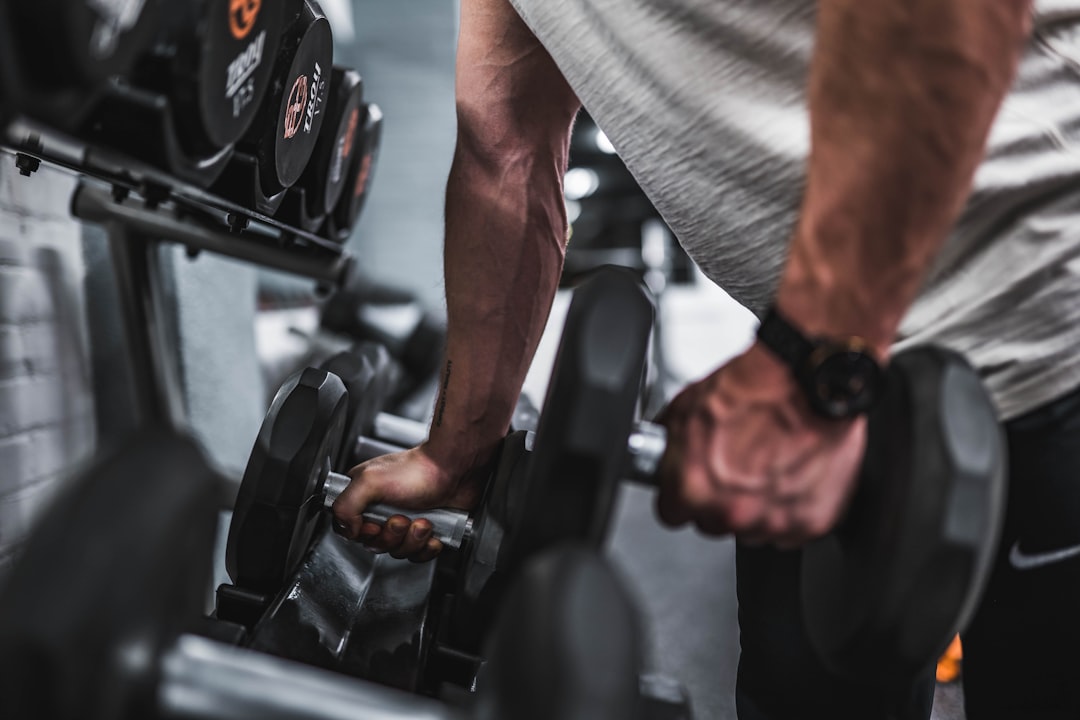
Hypertension, or high blood pressure, affects a significant portion of the aging population and represents a major cardiovascular risk factor. This condition develops when blood exerts excessive force against arterial walls consistently, potentially leading to cardiovascular disease, cerebrovascular events, and renal dysfunction in older adults. The condition typically progresses asymptomatically, making routine blood pressure monitoring critical for early detection and management in seniors.
Multiple factors contribute to hypertension development, including genetic predisposition, dietary patterns, physical activity levels, sodium intake, obesity, and comorbid conditions such as diabetes and kidney disease. While hypertension prevalence increases with age due to arterial stiffening and other physiological changes, it does not constitute a normal aspect of aging. Evidence-based management strategies, including pharmacological interventions, dietary modifications, regular exercise, weight management, and sodium restriction, have demonstrated effectiveness in controlling blood pressure levels and reducing cardiovascular morbidity and mortality in older adults.
Key Takeaways
- Gentle exercise can effectively help manage hypertension in seniors by improving cardiovascular health.
- Walking, Tai Chi, yoga, and chair exercises are safe and beneficial options for hypertensive seniors.
- Precautions such as monitoring blood pressure and avoiding overexertion are essential during exercise.
- Incorporating breathing, relaxation techniques, and stretching enhances overall well-being and flexibility.
- A tailored, consistent exercise routine supports blood pressure control and promotes healthy aging.
Benefits of Gentle Exercise for Hypertensive Seniors
Engaging in gentle exercise can be a game-changer for seniors dealing with hypertension. Regular physical activity has been shown to lower blood pressure, improve heart health, and enhance overall quality of life. When you incorporate gentle exercises into your routine, you not only work towards managing your blood pressure but also boost your mood and energy levels.
The endorphins released during physical activity can help combat feelings of anxiety and depression, which are not uncommon among seniors. Moreover, gentle exercise can improve your mobility and flexibility, making daily activities easier and more enjoyable. As you engage in low-impact activities, you may notice an increase in your strength and endurance over time.
This can lead to greater independence and confidence in your ability to perform everyday tasks. Additionally, gentle exercise can foster social connections if you choose to participate in group classes or community activities, further enhancing your emotional well-being.
Precautions and Considerations for Seniors with Hypertension
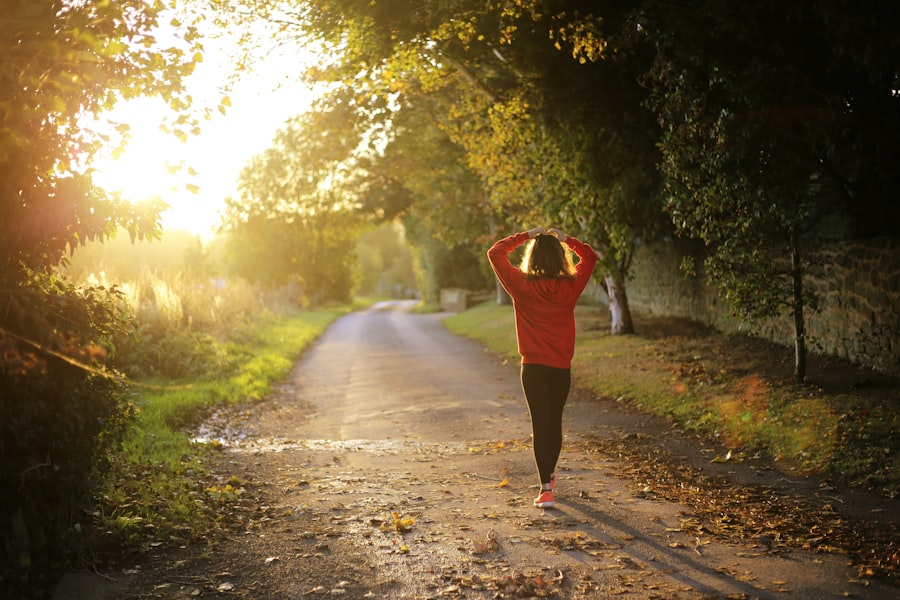
While exercise is beneficial for managing hypertension, it’s essential to approach it with caution. Before starting any new exercise regimen, you should consult with your healthcare provider to ensure that the activities you choose are safe and appropriate for your specific health condition. Your doctor may recommend certain types of exercises or suggest modifications based on your individual needs.
You should also be mindful of how your body responds to physical activity. Pay attention to any signs of discomfort or unusual symptoms during exercise, such as dizziness, shortness of breath, or chest pain. If you experience any of these symptoms, it’s crucial to stop exercising immediately and seek medical advice.
Additionally, consider starting slowly and gradually increasing the intensity and duration of your workouts to avoid overexertion.
Walking as a Gentle Exercise for Hypertensive Seniors
Walking is one of the simplest yet most effective forms of gentle exercise for seniors with hypertension. It requires no special equipment and can be done almost anywhere, making it an accessible option for many individuals. As you walk regularly, you may find that it helps lower your blood pressure while also improving cardiovascular health.
Aim for at least 30 minutes of brisk walking most days of the week to reap the maximum benefits. Incorporating walking into your daily routine can also be a great way to enjoy nature and connect with your surroundings. Whether you choose to stroll through a local park or walk around your neighborhood, the fresh air and change of scenery can enhance your mood and overall sense of well-being.
You might even consider inviting a friend or family member to join you on your walks; this social aspect can make the experience more enjoyable and motivate you to stick with it.
Tai Chi and Yoga for Hypertensive Seniors
| Exercise Type | Duration (minutes) | Frequency (days/week) | Estimated Heart Rate (bpm) | Benefits for Seniors with Hypertension | Precautions |
|---|---|---|---|---|---|
| Walking (slow to moderate pace) | 30-45 | 5 | 90-110 | Improves cardiovascular health, lowers blood pressure, enhances endurance | Use supportive shoes, avoid uneven terrain |
| Chair Yoga | 20-30 | 3-4 | 70-90 | Increases flexibility, reduces stress, promotes relaxation | Avoid poses causing dizziness or strain |
| Water Aerobics | 30-40 | 3 | 90-110 | Reduces joint stress, improves circulation, lowers blood pressure | Ensure pool safety, avoid overexertion |
| Tai Chi | 20-30 | 4-5 | 80-100 | Enhances balance, reduces stress, improves heart rate variability | Practice slow movements, avoid sudden changes in posture |
| Light Resistance Training | 20-30 | 2-3 | 90-110 | Builds muscle strength, supports vascular health | Use light weights, avoid breath-holding during lifts |
Tai Chi and yoga are two gentle exercise modalities that have gained popularity among seniors for their numerous health benefits, particularly in managing hypertension. Both practices emphasize slow, controlled movements combined with deep breathing techniques, which can help reduce stress and promote relaxation. As you engage in Tai Chi or yoga, you may find that these activities not only improve your physical health but also enhance your mental clarity and emotional stability.
Incorporating Tai Chi into your routine can be particularly beneficial for balance and coordination, which are essential as you age. The flowing movements help strengthen muscles while promoting flexibility without putting undue stress on your joints. Similarly, yoga offers a variety of poses that can be adapted to suit your individual abilities and limitations.
Many local community centers or fitness studios offer classes specifically designed for seniors, providing a supportive environment where you can learn at your own pace.
Chair Exercises for Hypertensive Seniors
If mobility is a concern for you or if you have difficulty standing for extended periods, chair exercises can be an excellent alternative for managing hypertension. These exercises allow you to engage in physical activity while seated, reducing the risk of falls or injury. You can perform a variety of movements targeting different muscle groups while seated comfortably in a sturdy chair.
Chair exercises can include simple movements such as leg lifts, arm raises, and seated marches. These activities help improve circulation, strengthen muscles, and enhance flexibility without putting excessive strain on your body. You might also consider incorporating resistance bands into your chair exercises for added strength training benefits.
As always, listen to your body and modify movements as needed to ensure a safe and effective workout.
Stretching and Flexibility Exercises for Hypertensive Seniors
Incorporating stretching and flexibility exercises into your routine is vital for maintaining mobility and preventing stiffness as you age. These exercises can help improve your range of motion while promoting relaxation—both of which are beneficial for managing hypertension. You may find that dedicating just a few minutes each day to stretching can significantly enhance your overall comfort and well-being.
Focus on gentle stretches that target major muscle groups such as the neck, shoulders, back, hips, and legs. Hold each stretch for 15-30 seconds while breathing deeply to maximize relaxation. You might also consider joining a stretching class specifically designed for seniors; this can provide guidance on proper techniques while fostering a sense of community among participants.
Breathing and Relaxation Techniques for Hypertensive Seniors
Breathing exercises and relaxation techniques play a crucial role in managing hypertension by reducing stress levels and promoting a sense of calm. As you practice deep breathing exercises, you may notice a decrease in heart rate and blood pressure, contributing to overall cardiovascular health. Techniques such as diaphragmatic breathing or progressive muscle relaxation can be easily integrated into your daily routine.
To practice deep breathing, find a comfortable seated position and take slow, deep breaths through your nose while allowing your abdomen to expand fully. Exhale slowly through your mouth, focusing on releasing tension with each breath out. You might also explore guided meditation or mindfulness practices that emphasize relaxation; these techniques can help cultivate a greater sense of peace in your daily life.
Water Aerobics for Hypertensive Seniors
Water aerobics is another excellent option for seniors with hypertension due to its low-impact nature and buoyancy benefits. Exercising in water reduces the strain on joints while providing resistance that helps build strength and endurance. Many community pools offer water aerobics classes specifically designed for older adults; these classes often incorporate fun music and social interaction into the workout.
As you participate in water aerobics, you may find that the cool water helps regulate body temperature while allowing you to move more freely than on land.
Plus, the social aspect of group classes can enhance motivation and enjoyment.
Resistance Training for Hypertensive Seniors
Incorporating resistance training into your exercise routine is essential for building muscle strength and maintaining bone density as you age. For seniors with hypertension, resistance training can be particularly beneficial when performed safely and correctly. Using light weights or resistance bands allows you to strengthen muscles without putting excessive strain on your cardiovascular system.
Aim to include resistance training exercises at least two days per week, focusing on major muscle groups such as the legs, arms, back, and core. You might consider working with a certified trainer who has experience with seniors; they can help design a program tailored to your specific needs while ensuring proper form and technique are maintained throughout each exercise.
Creating a Gentle Exercise Routine for Hypertensive Seniors
Creating a gentle exercise routine tailored to your needs is key to successfully managing hypertension as a senior. Start by assessing your current fitness level and identifying activities that you enjoy or are interested in trying. A well-rounded routine should include cardiovascular exercises like walking or swimming, strength training through resistance exercises, flexibility work through stretching or yoga, and relaxation techniques such as deep breathing.
Consider setting realistic goals that focus on gradual progress rather than perfection; this approach will help keep you motivated without overwhelming yourself. You might also want to schedule specific times during the week dedicated solely to exercise; consistency is crucial for reaping the long-term benefits of physical activity on blood pressure management. Remember that every small step counts toward improving your health—embrace the journey toward a healthier lifestyle!
For seniors managing hypertension, engaging in low-impact exercises can be a beneficial way to maintain cardiovascular health without putting excessive strain on the body. A related article that provides valuable insights on this topic can be found at Explore Senior Health. This resource offers a variety of tips and exercise recommendations tailored specifically for older adults, helping them to stay active while effectively managing their blood pressure.
FAQs
What is low impact exercise?
Low impact exercise refers to physical activities that are gentle on the joints and involve minimal risk of injury. These exercises typically include movements where at least one foot remains in contact with the ground, reducing stress on the body.
Why is low impact exercise recommended for seniors with hypertension?
Low impact exercise is recommended for seniors with hypertension because it helps improve cardiovascular health without putting excessive strain on the heart and joints. It can help lower blood pressure, improve circulation, and enhance overall fitness safely.
What are some examples of low impact exercises suitable for seniors with hypertension?
Examples include walking, swimming, cycling on a stationary bike, chair exercises, yoga, tai chi, and water aerobics. These activities promote cardiovascular health while minimizing joint stress.
How often should seniors with hypertension engage in low impact exercise?
It is generally recommended that seniors aim for at least 150 minutes of moderate-intensity aerobic exercise per week, spread over most days. However, individuals should consult their healthcare provider to tailor an exercise plan based on their health status.
Are there any precautions seniors with hypertension should take before starting low impact exercise?
Yes, seniors should consult their healthcare provider before beginning any new exercise program. It is important to monitor blood pressure regularly, start slowly, and avoid overexertion. Wearing appropriate footwear and staying hydrated are also important.
Can low impact exercise help control high blood pressure?
Yes, regular low impact exercise can help lower and control high blood pressure by improving heart efficiency, reducing arterial stiffness, and promoting weight management.
Is it safe for seniors with severe hypertension to perform low impact exercises?
Safety depends on individual health conditions. Seniors with severe or uncontrolled hypertension should seek medical advice before exercising. A healthcare provider may recommend specific exercises or modifications to ensure safety.
How can seniors monitor their response to low impact exercise?
Seniors can monitor their heart rate, blood pressure, and how they feel during and after exercise. Using a blood pressure monitor and keeping a log can help track progress and identify any issues.
Can low impact exercise improve other health aspects besides blood pressure?
Yes, low impact exercise can improve balance, flexibility, muscle strength, mental health, and overall quality of life, which are important for seniors’ well-being.
What should seniors do if they experience symptoms like dizziness or chest pain during exercise?
If symptoms such as dizziness, chest pain, shortness of breath, or severe fatigue occur, seniors should stop exercising immediately and seek medical attention. These could be signs of a serious health issue.