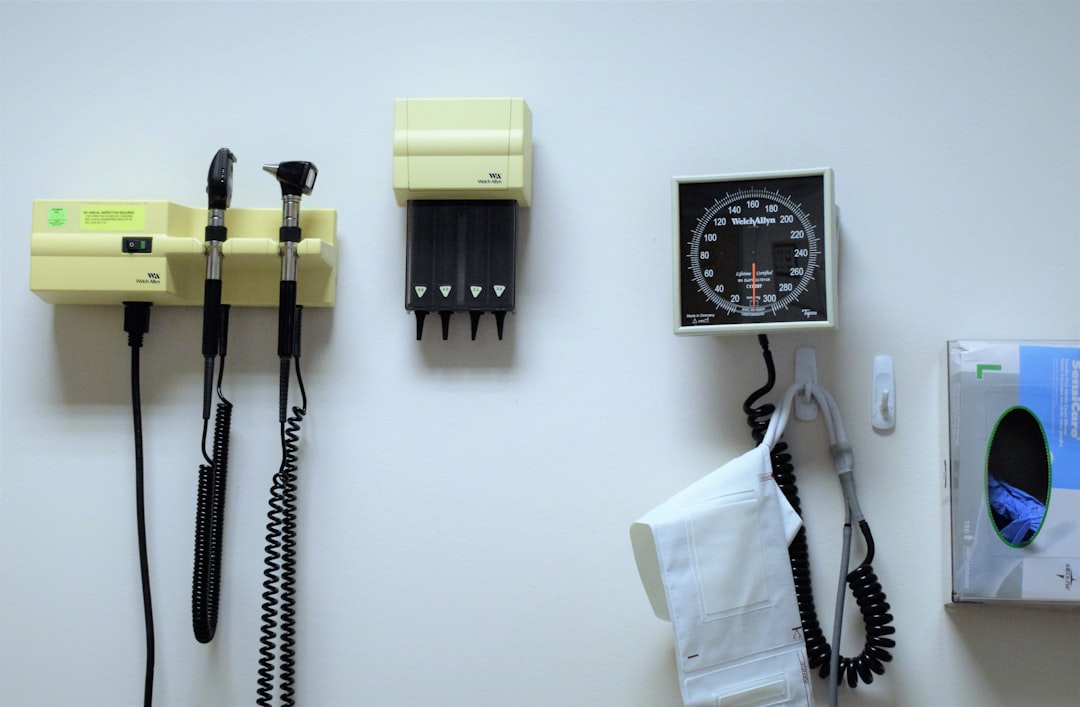
Blood pressure is measured in millimeters of mercury (mmHg) and consists of two values: systolic pressure (upper number) and diastolic pressure (lower number). Systolic pressure represents the force exerted by blood against arterial walls during heart contractions, while diastolic pressure measures this force during the heart’s resting phase between beats. The standard normal blood pressure reading for most adults is approximately 120/80 mmHg.
However, optimal blood pressure targets may vary with age and individual health conditions. Medical professionals use these measurements to assess cardiovascular health and determine appropriate treatment strategies. Hypertension is defined as consistently elevated blood pressure readings above normal ranges, while hypotension refers to abnormally low blood pressure levels.
Both conditions can significantly impact health outcomes, particularly in older adults. Regular blood pressure monitoring enables early detection of these conditions and facilitates timely medical intervention when necessary. Understanding blood pressure classifications and age-appropriate targets is essential for effective cardiovascular health management and disease prevention.
Key Takeaways
- Blood pressure control is crucial for adults over 60 to reduce risks of heart disease and stroke.
- Recommended blood pressure targets for older adults may differ from younger populations and require personalized goals.
- Lifestyle changes such as diet, exercise, and stress management play a key role in lowering blood pressure.
- Medications are often necessary to manage blood pressure effectively in older adults, alongside regular monitoring.
- Consulting healthcare professionals ensures safe management and helps avoid complications from both high and low blood pressure.
Importance of Blood Pressure Control for Over 60s
For individuals over 60, controlling blood pressure becomes increasingly important. As you age, your blood vessels naturally lose elasticity, which can lead to higher blood pressure readings. This makes it essential to monitor your levels regularly and take action if they begin to rise.
High blood pressure can lead to serious health complications, including heart disease, stroke, and kidney problems. By keeping your blood pressure within a healthy range, you can significantly reduce the risk of these life-threatening conditions. Moreover, maintaining optimal blood pressure levels can enhance your overall quality of life.
When your blood pressure is well-managed, you may experience increased energy levels, improved cognitive function, and a greater sense of well-being. You might find that you can engage in activities you love without the fatigue or discomfort that often accompanies high blood pressure. Therefore, prioritizing blood pressure control is not just about avoiding illness; it’s about enriching your life as you age.
Factors Affecting Blood Pressure in Older Adults
Several factors can influence your blood pressure as you grow older. One of the most significant is lifestyle choices. Diet plays a crucial role; consuming a diet high in sodium can lead to elevated blood pressure levels.
Conversely, a diet rich in fruits, vegetables, whole grains, and lean proteins can help maintain healthy levels. Additionally, physical activity is vital; regular exercise strengthens your heart and improves circulation, which can help keep your blood pressure in check. Another factor to consider is the impact of stress on your blood pressure.
As you navigate the challenges of aging—whether it’s dealing with health issues or changes in family dynamics—stress can take a toll on your cardiovascular health.
Furthermore, certain medical conditions and medications can also affect your blood pressure.
It’s essential to have open discussions with your healthcare provider about any medications you’re taking and how they may influence your blood pressure.
Recommended Blood Pressure Targets for Over 60s
For adults over 60, the recommended blood pressure target may differ slightly from younger individuals.
This adjustment acknowledges the natural changes that occur in the cardiovascular system with age and aims to balance the benefits of treatment against potential risks.
It’s important to remember that individual circumstances vary widely; what works for one person may not be suitable for another. Factors such as existing health conditions, overall fitness level, and personal preferences should all be taken into account when determining your ideal blood pressure target. Engaging in a dialogue with your healthcare provider will help ensure that you have a personalized plan that aligns with your specific needs.
Risks of High Blood Pressure in Older Adults
| Age Group | Recommended Systolic BP Target (mm Hg) | Recommended Diastolic BP Target (mm Hg) | Notes |
|---|---|---|---|
| 60-69 years | Less than 140 | Less than 90 | General target for most adults |
| 70-79 years | Less than 150 | Less than 90 | Some guidelines suggest relaxed targets to avoid side effects |
| 80 years and older | 140-150 | Less than 90 | Individualized treatment recommended based on health status |
| All ages above 60 | 130-139 | 80-89 | Intensive control may be considered for some patients |
High blood pressure poses several risks that become increasingly pronounced as you age. One of the most alarming consequences is the increased likelihood of heart disease. When your blood pressure is consistently high, it forces your heart to work harder than normal, which can lead to heart failure over time.
Additionally, high blood pressure can damage your arteries, making them less flexible and more prone to blockages. Another significant risk associated with high blood pressure is stroke. Elevated levels can lead to the formation of clots or the rupture of weakened blood vessels in the brain, resulting in a stroke.
Furthermore, high blood pressure can also affect kidney function, leading to chronic kidney disease or even kidney failure if left unchecked. Understanding these risks underscores the importance of regular monitoring and proactive management of your blood pressure.
Benefits of Achieving Target Blood Pressure Levels
Achieving target blood pressure levels comes with a multitude of benefits that can greatly enhance your quality of life. First and foremost, maintaining healthy blood pressure reduces the risk of serious health complications such as heart disease and stroke. This not only contributes to longevity but also allows you to enjoy a more active lifestyle without the limitations imposed by health issues.
In addition to physical health benefits, achieving target blood pressure levels can also improve mental well-being. When you know that your cardiovascular health is under control, it can alleviate anxiety and stress related to potential health problems. You may find yourself feeling more energetic and capable of engaging in social activities or hobbies that bring you joy.
Ultimately, managing your blood pressure effectively allows you to live life to the fullest.
Lifestyle Changes to Lower Blood Pressure
Making lifestyle changes is one of the most effective ways to lower your blood pressure naturally. One key area to focus on is diet; adopting a heart-healthy eating plan such as the DASH (Dietary Approaches to Stop Hypertension) diet can be particularly beneficial. This diet emphasizes fruits, vegetables, whole grains, and low-fat dairy while reducing sodium intake.
By making these dietary adjustments, you may notice significant improvements in your blood pressure levels. In addition to dietary changes, incorporating regular physical activity into your routine is essential. Aim for at least 150 minutes of moderate aerobic exercise each week—activities like walking, swimming, or cycling can be excellent choices.
Furthermore, managing stress through techniques such as deep breathing exercises or yoga can also contribute positively to lowering your blood pressure. These lifestyle changes not only help regulate your blood pressure but also promote overall well-being.
Medications for Controlling Blood Pressure in Older Adults
In some cases, lifestyle changes alone may not be sufficient to control high blood pressure effectively. If this is true for you, your healthcare provider may recommend medications tailored to your specific needs. There are various classes of antihypertensive medications available, including diuretics, ACE inhibitors, beta-blockers, and calcium channel blockers.
Each class works differently to lower blood pressure and may be prescribed based on individual health profiles. It’s important to have an open dialogue with your healthcare provider about any medications prescribed to you. Discuss potential side effects and how they may interact with other medications you are taking.
Regular follow-ups will allow for adjustments as needed and ensure that you are on the most effective regimen for managing your blood pressure.
Monitoring and Managing Blood Pressure Levels
Monitoring your blood pressure regularly is vital for effective management. You might consider investing in a home blood pressure monitor for convenience and ease of use. This allows you to track your readings over time and share them with your healthcare provider during appointments.
Keeping a log of your readings can help identify patterns or triggers that may affect your blood pressure. In addition to self-monitoring, regular check-ups with your healthcare provider are essential for ongoing management. These visits provide an opportunity for professional assessment and guidance on any necessary adjustments to your treatment plan.
By staying proactive about monitoring and managing your blood pressure levels, you empower yourself to take control of your health.
Potential Complications of Low Blood Pressure in Older Adults
While high blood pressure often garners more attention, low blood pressure—known as hypotension—can also pose risks for older adults. Symptoms such as dizziness, fainting, or fatigue may indicate that your blood pressure is too low. These symptoms can significantly impact daily activities and increase the risk of falls or injuries.
In some cases, low blood pressure may be caused by dehydration or certain medications that lower blood pressure too much. It’s crucial to discuss any symptoms or concerns with your healthcare provider so they can evaluate whether adjustments are needed in your treatment plan or lifestyle choices.
Consultation with Healthcare Professionals for Personalized Blood Pressure Targets
Ultimately, consulting with healthcare professionals is key to establishing personalized blood pressure targets that suit your unique situation. Your doctor will consider various factors such as age, medical history, lifestyle habits, and any existing health conditions when determining what target is appropriate for you. Regular consultations allow for ongoing adjustments based on how well you are managing your blood pressure and any changes in your health status over time.
By working closely with healthcare professionals, you can develop a comprehensive plan that includes lifestyle modifications and medication management tailored specifically for you—ensuring that you remain healthy and active as you age. In conclusion, understanding and managing blood pressure is vital for maintaining good health as you grow older. By being proactive about monitoring levels and making informed lifestyle choices while collaborating with healthcare professionals, you can significantly improve both your physical health and overall quality of life.
Recent discussions around blood pressure management in older adults have highlighted the importance of setting appropriate targets, especially for those over the age of sixty. A related article that delves into this topic can be found on Explore Senior Health, which provides valuable insights into how blood pressure goals may differ for seniors compared to younger populations. For more information, you can read the article [here](https://www.exploreseniorhealth.com/).
FAQs
What is considered a normal blood pressure target for people over sixty?
For individuals over sixty, a common blood pressure target is generally below 150/90 mm Hg, though some guidelines recommend aiming for below 140/90 mm Hg depending on overall health and risk factors.
Why are blood pressure targets different for people over sixty?
Blood pressure targets may differ for those over sixty because aging can affect blood vessel elasticity and the risk of side effects from aggressive blood pressure lowering. Balancing benefits and risks is important in this age group.
What are the risks of having high blood pressure after age sixty?
High blood pressure after age sixty increases the risk of heart disease, stroke, kidney problems, and cognitive decline. Managing blood pressure helps reduce these risks.
Can blood pressure targets vary based on individual health conditions?
Yes, blood pressure targets can vary depending on individual health conditions such as diabetes, kidney disease, or history of cardiovascular events. Doctors tailor targets to each person’s needs.
Is it safe to lower blood pressure aggressively in older adults?
Aggressively lowering blood pressure in older adults may increase the risk of side effects like dizziness, falls, or kidney issues. Treatment should be carefully monitored by healthcare providers.
How often should blood pressure be monitored after age sixty?
Blood pressure should be regularly monitored, often at least once every few months, or as recommended by a healthcare provider, to ensure targets are met and treatment is effective.
What lifestyle changes can help manage blood pressure after age sixty?
Lifestyle changes such as a balanced diet low in salt, regular physical activity, maintaining a healthy weight, limiting alcohol, and avoiding smoking can help manage blood pressure effectively.
Should medication be used to reach blood pressure targets after age sixty?
Medication may be necessary if lifestyle changes are insufficient to reach blood pressure targets. The choice and dosage of medication should be personalized and regularly reviewed by a healthcare professional.