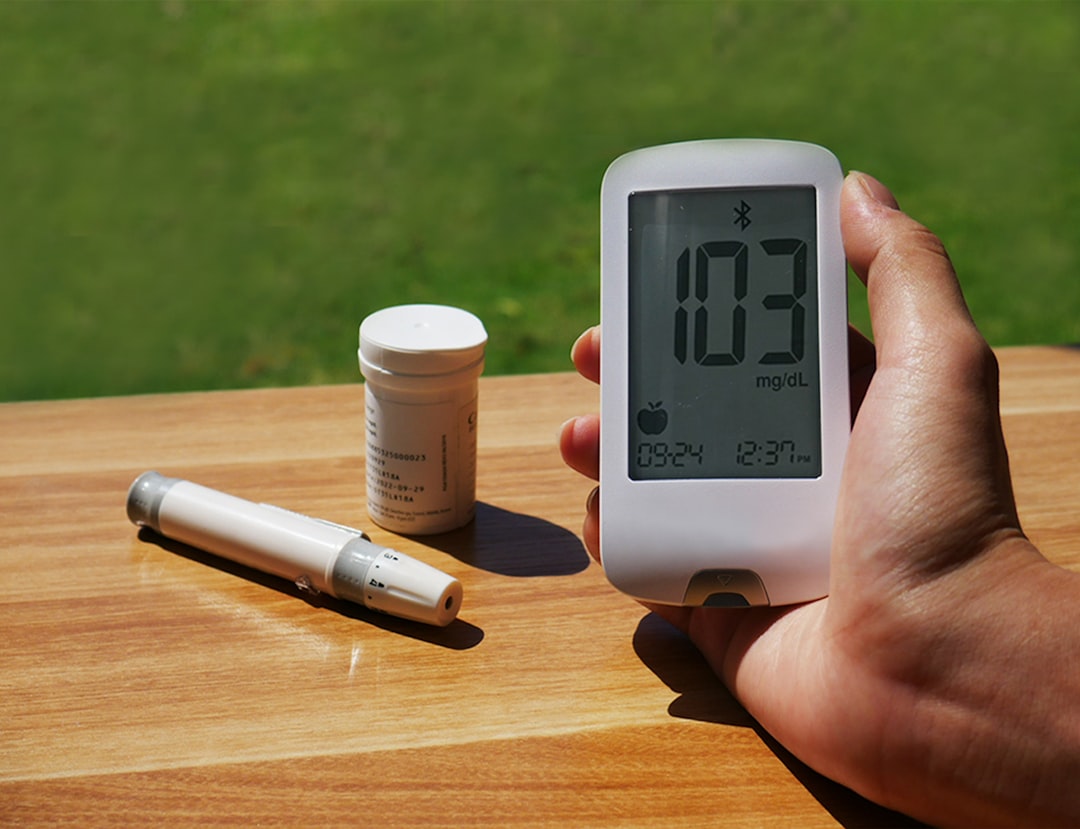
Overmedication among seniors has become a pressing concern in today’s healthcare landscape. As individuals age, the likelihood of being prescribed multiple medications increases significantly. This phenomenon, known as polypharmacy, can create a complex web of interactions and side effects that may be unnecessary and potentially harmful.
Research shows that a substantial percentage of older adults take five or more medications simultaneously, raising significant concerns about overmedication. Multiple factors contribute to this trend, including the rising prevalence of chronic conditions, healthcare providers’ tendency to prescribe medications as first-line treatments, and insufficient comprehensive medication management. Many seniors lack full awareness of the implications of taking multiple medications.
Treatment approaches often focus on addressing individual symptoms rather than evaluating overall health status. This approach can result in a cascade of prescriptions that may be unnecessary or inappropriate. The healthcare system sometimes emphasizes medication over more holistic health approaches, potentially exposing seniors to overmedication risks.
Understanding the prevalence of this issue and its potential consequences is essential when managing personal healthcare or that of family members.
Key Takeaways
- Overmedication is common among seniors, especially those with high blood pressure, increasing health risks.
- Excessive medication can cause adverse drug reactions, negatively affecting seniors’ quality of life.
- Regular medication reviews and recognizing overmedication signs are crucial for safe treatment.
- Alternatives to overmedication and prevention strategies can help manage high blood pressure effectively.
- Healthcare providers play a key role in supporting seniors to advocate for their healthcare needs and avoid overmedication.
The risks of overmedication for seniors with high blood pressure
For seniors managing high blood pressure, the risks associated with overmedication can be particularly pronounced. High blood pressure, or hypertension, is often treated with a variety of medications aimed at controlling blood pressure levels and reducing the risk of heart disease and stroke. However, when multiple medications are prescribed, the risk of adverse effects increases significantly.
You may experience dizziness, fatigue, or even more severe complications as a result of drug interactions or cumulative side effects from various medications. Moreover, overmedication can lead to a false sense of security regarding blood pressure management. You might feel that taking more medications equates to better control over your condition, but this is not always the case.
In fact, excessive medication can sometimes lead to dangerously low blood pressure levels, resulting in fainting spells or falls—especially concerning for seniors who may already be at risk for such incidents. Understanding these risks is essential for you or your loved ones as you navigate treatment options for high blood pressure.
Understanding the potential dangers of high blood pressure treatment

The treatment landscape for high blood pressure is complex and often fraught with potential dangers. While medications can be effective in managing hypertension, they are not without their risks. You may find that certain medications can cause side effects ranging from mild discomfort to severe health complications.
For instance, diuretics can lead to dehydration and electrolyte imbalances, while beta-blockers may cause fatigue and depression. These side effects can significantly impact your daily life and overall well-being. Additionally, the long-term use of certain antihypertensive medications can lead to dependency or tolerance, where higher doses are required to achieve the same effect.
This cycle can perpetuate the need for additional medications, further complicating your treatment regimen. It’s essential to have open discussions with your healthcare provider about the potential dangers associated with high blood pressure treatments and to explore all available options, including lifestyle changes that may reduce reliance on medication.
How overmedication can lead to adverse drug reactions in seniors
Adverse drug reactions (ADRs) are a significant concern for seniors who are overmedicated. As you age, your body undergoes various physiological changes that can affect how medications are metabolized and eliminated. This means that you may be more susceptible to experiencing negative reactions from drugs than younger individuals.
When multiple medications are taken simultaneously, the risk of ADRs increases exponentially due to potential drug-drug interactions and cumulative side effects. You might experience symptoms such as confusion, gastrointestinal issues, or even more severe reactions like allergic responses or organ dysfunction as a result of overmedication. These adverse effects can lead to hospitalizations or emergency room visits, further complicating your health status and potentially leading to a cycle of increased medication use.
Recognizing the signs of ADRs is crucial for you and your caregivers, as timely intervention can prevent further complications and improve your overall health outcomes.
The impact of overmedication on seniors’ quality of life
| Metric | Value | Source/Study | Notes |
|---|---|---|---|
| Percentage of seniors potentially overtreated | 20-30% | JAMA Internal Medicine, 2019 | Estimates vary by study; overtreatment defined as BP <120/70 mmHg |
| Increased risk of falls due to overtreatment | 1.5 to 2 times higher | American Geriatrics Society, 2020 | Falls linked to hypotension from excessive medication |
| Average number of antihypertensive medications in overtreated seniors | 3 or more | National Health and Nutrition Examination Survey (NHANES), 2018 | Polypharmacy increases risk of adverse effects |
| Recommended systolic BP target for seniors to avoid overtreatment | 130-140 mmHg | American College of Cardiology/American Heart Association, 2017 | Targets adjusted to balance benefits and risks |
| Hospitalizations related to hypotension in seniors on BP meds | Approx. 15% of all BP med-related admissions | CDC, 2021 | Hypotension often caused by overtreatment |
Overmedication can have a profound impact on your quality of life as a senior. The side effects associated with taking multiple medications can interfere with daily activities, social interactions, and overall enjoyment of life. You may find yourself feeling fatigued or mentally foggy, making it difficult to engage in hobbies or maintain relationships with family and friends.
This decline in quality of life can lead to feelings of isolation and depression, further exacerbating health issues. Moreover, the financial burden of managing multiple prescriptions can also weigh heavily on seniors and their families. The cost of medications can add up quickly, leading to difficult choices about which prescriptions to prioritize or whether to skip doses altogether due to financial constraints.
This situation can create a cycle where health deteriorates due to inadequate medication management, ultimately diminishing your quality of life even further.
Recognizing the signs of overmedication in seniors
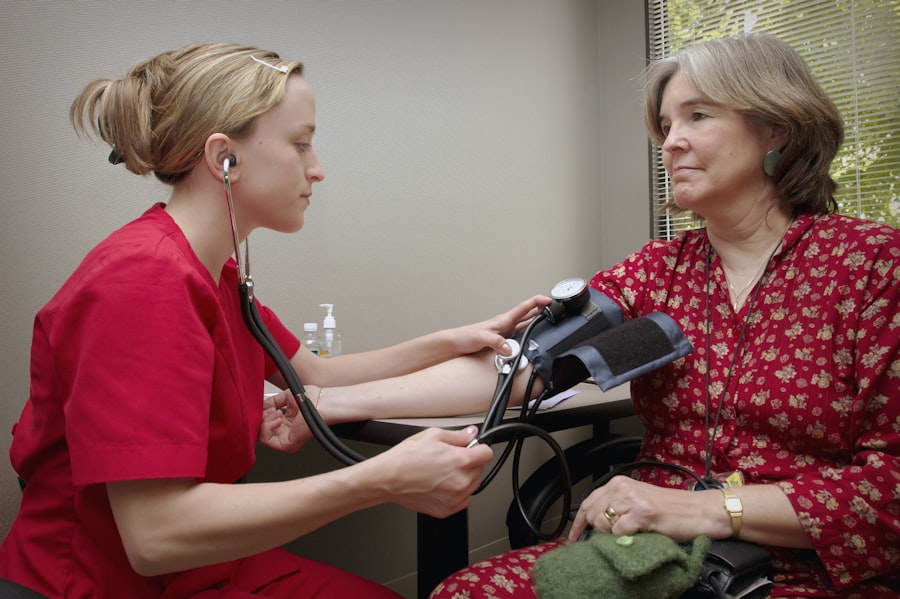
Recognizing the signs of overmedication is essential for ensuring that you or your loved ones receive appropriate care. Some common indicators include increased confusion or memory problems, unexplained fatigue, frequent falls, or changes in mood and behavior. You may also notice physical symptoms such as nausea, dizziness, or unusual bruising that could signal an adverse reaction to medication.
It’s important to maintain open lines of communication with healthcare providers about any changes in your health status. Keeping a detailed medication list and tracking any side effects you experience can help facilitate these discussions. By being proactive in recognizing the signs of overmedication, you empower yourself to take control of your health and advocate for necessary adjustments in your treatment plan.
Alternatives to overmedication for seniors with high blood pressure
Fortunately, there are several alternatives to overmedication for managing high blood pressure that you might consider exploring. Lifestyle modifications often serve as effective first-line treatments for hypertension. You may find that adopting a heart-healthy diet rich in fruits, vegetables, whole grains, and lean proteins can significantly impact your blood pressure levels.
Regular physical activity tailored to your abilities can also help lower blood pressure and improve overall cardiovascular health. In addition to dietary changes and exercise, stress management techniques such as mindfulness meditation or yoga can play a crucial role in controlling hypertension without relying solely on medication. These holistic approaches not only address the physical aspects of high blood pressure but also promote mental well-being—an essential component of overall health as you age.
The importance of regular medication reviews for seniors with high blood pressure
Regular medication reviews are vital for seniors managing high blood pressure and can help mitigate the risks associated with overmedication. These reviews provide an opportunity for you and your healthcare provider to assess the effectiveness of current medications and make necessary adjustments based on your evolving health needs. During these reviews, you can discuss any side effects you’ve experienced and explore alternative treatment options if needed.
You should aim to have these reviews conducted at least annually or more frequently if there are significant changes in your health status or medication regimen. By prioritizing regular medication reviews, you take an active role in your healthcare management and ensure that your treatment plan remains aligned with your goals and lifestyle.
Strategies for preventing overmedication in seniors
Preventing overmedication requires a proactive approach from both you and your healthcare team. One effective strategy is to maintain an updated list of all medications you are taking, including over-the-counter drugs and supplements. This comprehensive list will help healthcare providers make informed decisions about your treatment plan and identify any potential interactions between medications.
Another important strategy is to engage in open communication with your healthcare providers about your concerns regarding medication use. Don’t hesitate to ask questions about why certain medications are prescribed and whether there are alternative treatments available. Additionally, involving family members or caregivers in these discussions can provide additional support and ensure that everyone is on the same page regarding your health management.
The role of healthcare providers in addressing overmedication in seniors
Healthcare providers play a crucial role in addressing the issue of overmedication among seniors. They must be vigilant in assessing each patient’s medication regimen and considering factors such as age-related physiological changes and potential drug interactions when prescribing treatments. You should feel empowered to discuss any concerns with your healthcare provider openly; they should be willing to listen and collaborate with you on finding the best approach to managing your health.
Moreover, healthcare providers should prioritize education about the risks associated with polypharmacy and encourage regular medication reviews as part of routine care for seniors. By fostering an environment where patients feel comfortable discussing their medications and advocating for their needs, healthcare providers can significantly reduce the incidence of overmedication and improve health outcomes for older adults.
Empowering seniors to advocate for their own healthcare needs
Empowering yourself as a senior to advocate for your own healthcare needs is essential in combating overmedication and ensuring optimal health outcomes. Start by educating yourself about your medical conditions and treatment options; knowledge is a powerful tool that enables you to engage meaningfully with healthcare providers. You might consider keeping a journal where you track symptoms, medication side effects, and questions that arise during your daily life.
Additionally, don’t hesitate to seek second opinions or consult specialists if you feel uncertain about your treatment plan. Building a supportive network of family members or friends who understand your health journey can also provide encouragement as you navigate complex medical decisions.
In conclusion, addressing the issue of overmedication among seniors requires a multifaceted approach involving awareness, communication, and proactive management strategies. By understanding the prevalence and risks associated with overmedication—especially concerning high blood pressure—you empower yourself to make informed decisions about your health care journey. Through regular medication reviews, lifestyle modifications, and open dialogue with healthcare providers, you can work towards achieving better health outcomes while enhancing your quality of life.
Recent discussions around the overtreatment of blood pressure in seniors have highlighted the need for a more nuanced approach to managing hypertension in older adults. An insightful article on this topic can be found on Explore Senior Health, which delves into the implications of aggressive blood pressure management and its potential risks for the elderly population. For more information, you can read the article [here](https://www.
com/).
FAQs
What is blood pressure medication overtreatment in seniors?
Blood pressure medication overtreatment in seniors occurs when older adults are prescribed doses of antihypertensive drugs that lower their blood pressure too much, potentially causing adverse effects such as dizziness, falls, or kidney problems.
Why is overtreatment of blood pressure a concern for seniors?
Overtreatment can lead to excessively low blood pressure (hypotension), increasing the risk of falls, fainting, and other complications that can significantly impact the health and quality of life of elderly patients.
How is blood pressure typically managed in older adults?
Blood pressure management in seniors involves regular monitoring, lifestyle modifications, and carefully adjusted medication regimens tailored to the individual’s overall health, comorbidities, and risk factors.
What are the risks associated with lowering blood pressure too much in seniors?
Risks include dizziness, falls, fractures, kidney impairment, fatigue, and in some cases, increased risk of cardiovascular events due to inadequate perfusion of vital organs.
How can healthcare providers prevent overtreatment of blood pressure in seniors?
Providers can prevent overtreatment by regularly reviewing medication regimens, considering the patient’s frailty and comorbidities, setting individualized blood pressure targets, and monitoring for side effects.
Are there specific guidelines for blood pressure targets in elderly patients?
Yes, many clinical guidelines recommend more conservative blood pressure targets for frail or very elderly patients, often suggesting systolic blood pressure goals around 130-150 mmHg rather than lower targets used in younger populations.
What should seniors do if they suspect their blood pressure medication is causing side effects?
Seniors should consult their healthcare provider before making any changes to their medication. Reporting symptoms like dizziness, lightheadedness, or falls is important for proper assessment and adjustment of treatment.
Can lifestyle changes help reduce the need for blood pressure medications in seniors?
Yes, lifestyle modifications such as a balanced diet, regular physical activity, weight management, and limiting salt intake can help control blood pressure and may reduce the need for higher medication doses.
Is blood pressure overtreatment more common in certain groups of seniors?
Overtreatment may be more common in frail elderly patients, those with multiple chronic conditions, or those receiving care from multiple providers without coordinated medication review.
What role do caregivers play in managing blood pressure treatment in seniors?
Caregivers can help monitor symptoms, ensure medication adherence, communicate concerns to healthcare providers, and assist with lifestyle changes to support safe and effective blood pressure management.