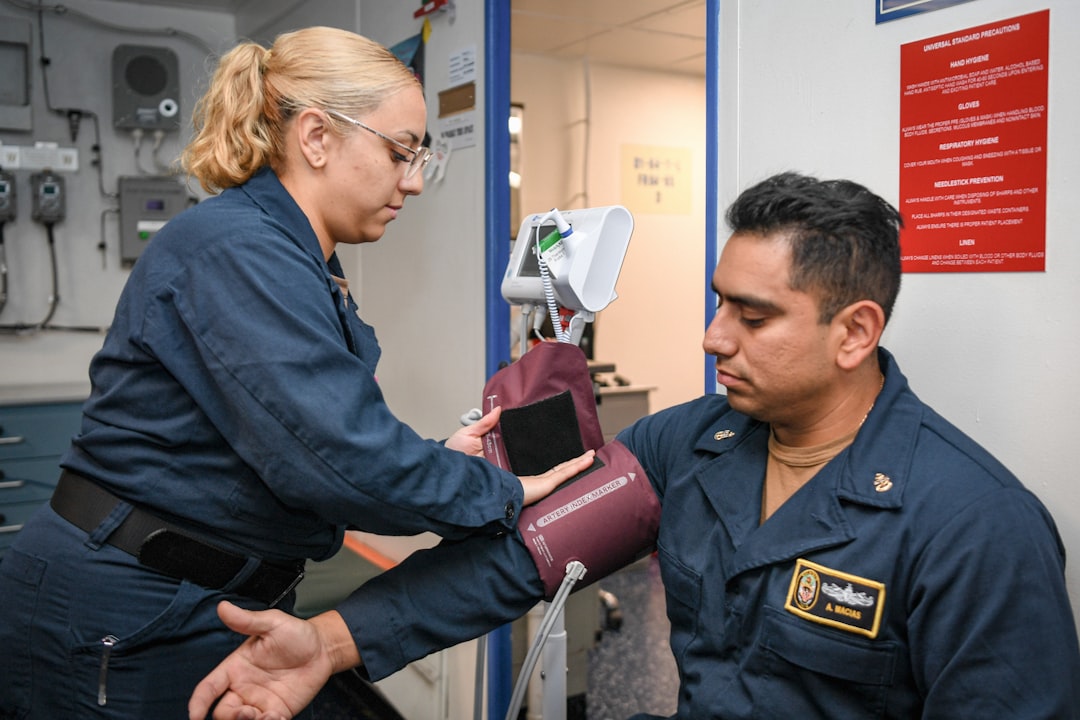
Hypertension management has undergone significant changes in recent years, with clinical guidelines increasingly advocating for intensive blood pressure reduction. This approach targets lower blood pressure thresholds than previously established standards, based on substantial clinical evidence demonstrating that reduced blood pressure levels correlate with decreased incidence of cardiovascular events, including myocardial infarction and cerebrovascular accidents. The emphasis on intensive treatment stems from robust epidemiological data establishing the relationship between elevated blood pressure and cardiovascular morbidity and mortality.
Clinical trials have consistently shown that achieving lower blood pressure targets can reduce the risk of major adverse cardiovascular events. Healthcare providers have adopted more aggressive treatment protocols to optimize patient outcomes and reduce long-term cardiovascular complications. Despite the documented benefits of blood pressure reduction, intensive treatment strategies present potential adverse effects and clinical considerations that require careful evaluation.
The implementation of aggressive antihypertensive therapy may result in treatment-related complications, drug interactions, and physiological consequences that must be weighed against the cardiovascular benefits. Understanding these risk-benefit profiles is essential for optimal clinical decision-making in hypertension management.
Key Takeaways
- Aggressive blood pressure treatment can lead to significant side effects including hypotension and electrolyte imbalances.
- There is an increased risk of kidney function impairment and cognitive decline with intensive blood pressure lowering.
- Elderly patients and other vulnerable groups face higher risks of falls, fractures, and adverse drug interactions.
- Quality of life may be negatively impacted due to medication side effects and treatment complications.
- Careful balancing of benefits and risks is essential when considering aggressive blood pressure management strategies.
Potential Side Effects of Aggressive Blood Pressure Medications
When you embark on a regimen of aggressive blood pressure medications, it is crucial to be aware of the potential side effects that may accompany these treatments. Commonly prescribed antihypertensives, such as diuretics, ACE inhibitors, and beta-blockers, can lead to a variety of adverse reactions. For instance, diuretics may cause increased urination and dehydration, while ACE inhibitors can result in a persistent cough or elevated potassium levels.
Understanding these side effects can help you manage your expectations and communicate effectively with your healthcare provider. Moreover, the side effects of aggressive blood pressure medications can vary significantly from person to person. Some individuals may experience mild discomfort, while others may face more severe reactions that necessitate a change in medication or dosage.
It is essential to monitor your body’s response closely and report any unusual symptoms to your doctor. By doing so, you can work together to find the most effective treatment plan that minimizes side effects while still achieving your blood pressure goals.
Risks of Hypotension from Aggressive Blood Pressure Treatment
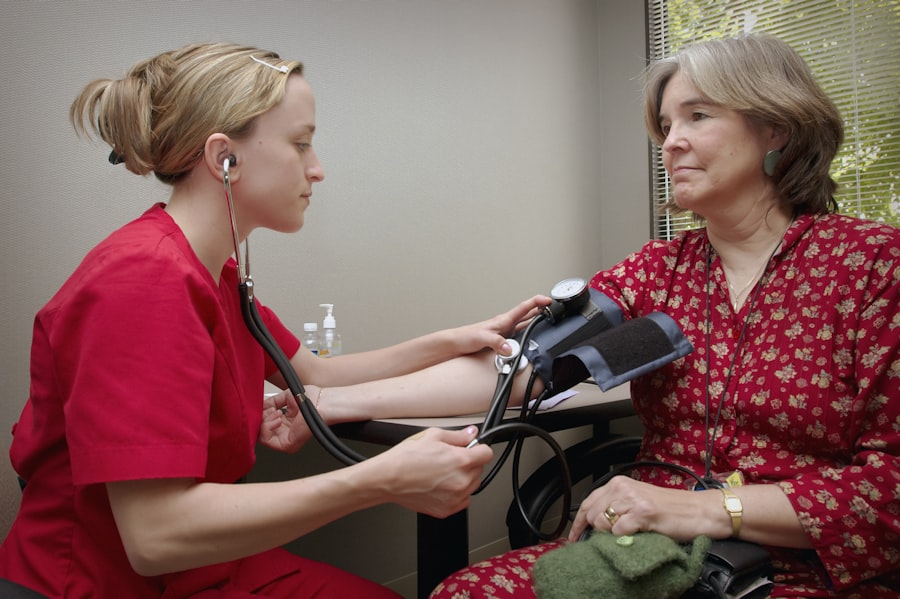
One of the most concerning risks associated with aggressive blood pressure treatment is hypotension, or abnormally low blood pressure. While the goal is to lower high blood pressure, there is a fine line between achieving optimal levels and pushing it too low. If your blood pressure drops excessively, you may experience symptoms such as dizziness, fainting, or even shock in severe cases.
This risk is particularly pronounced if you are taking multiple antihypertensive medications or if your doctor has rapidly increased your dosage. As you consider aggressive treatment options, it is vital to engage in open discussions with your healthcare provider about your individual risk factors for hypotension. Factors such as age, existing medical conditions, and concurrent medications can all influence how your body responds to treatment.
By understanding these risks, you can work collaboratively with your doctor to establish a safe and effective treatment plan that prioritizes your well-being.
Impact on Kidney Function
The kidneys play a crucial role in regulating blood pressure and maintaining overall health. However, aggressive blood pressure treatment can have unintended consequences for kidney function. Certain antihypertensive medications may affect renal perfusion, leading to decreased kidney function over time.
This is particularly concerning for individuals with pre-existing kidney issues or those at risk for renal impairment. As you undergo aggressive treatment for hypertension, it is essential to monitor your kidney function regularly through blood tests and other assessments. Your healthcare provider may recommend adjustments to your medication regimen based on these results.
By staying vigilant about your kidney health, you can help mitigate potential complications and ensure that your treatment plan remains effective without compromising your renal function.
Risk of Electrolyte Imbalance
| Risk | Description | Potential Consequences | Incidence Rate |
|---|---|---|---|
| Hypotension | Excessively low blood pressure due to aggressive treatment | Dizziness, fainting, falls, organ hypoperfusion | 5-15% |
| Acute Kidney Injury | Reduced kidney perfusion from lowered blood pressure | Temporary or permanent kidney damage | 3-10% |
| Electrolyte Imbalance | Disturbances in potassium, sodium, or magnesium levels | Arrhythmias, muscle weakness, cramps | 2-8% |
| Falls and Fractures | Increased risk due to dizziness and hypotension | Bone fractures, head injuries | 4-12% |
| Fatigue and Weakness | Reduced perfusion and medication side effects | Decreased quality of life, reduced activity | 10-20% |
| Medication Side Effects | Adverse reactions from antihypertensive drugs | Cough, swelling, rash, gastrointestinal issues | Varies by medication |
Another significant concern associated with aggressive blood pressure treatment is the risk of electrolyte imbalances. Medications such as diuretics can lead to the loss of essential electrolytes like potassium and sodium, which are vital for various bodily functions. An imbalance in these electrolytes can result in symptoms ranging from muscle cramps and weakness to more severe complications like arrhythmias or cardiac arrest.
To minimize the risk of electrolyte imbalances while undergoing aggressive blood pressure treatment, it is crucial to maintain open communication with your healthcare provider. Regular monitoring of electrolyte levels through blood tests can help identify any deficiencies early on. Additionally, your doctor may recommend dietary adjustments or supplements to help maintain a healthy balance of electrolytes as part of your overall treatment plan.
Increased Risk of Falls and Fractures
As you age or if you have certain medical conditions, the risk of falls and fractures becomes a significant concern. Aggressive blood pressure treatment can exacerbate this risk due to potential side effects such as dizziness or lightheadedness caused by lowered blood pressure. These symptoms can increase the likelihood of losing your balance or falling, leading to serious injuries.
To address this concern, it is essential to take proactive measures in your daily life. You might consider making modifications in your home environment to reduce fall hazards, such as removing tripping obstacles or installing grab bars in bathrooms. Additionally, discussing any concerns about falls with your healthcare provider can lead to adjustments in your medication regimen or recommendations for physical therapy to improve balance and strength.
Impact on Cognitive Function
The relationship between aggressive blood pressure treatment and cognitive function is an area of growing interest among researchers and healthcare providers alike. Some studies suggest that overly aggressive management of hypertension may be linked to cognitive decline or impairment in certain individuals. This connection raises important questions about how low blood pressure might affect brain health over time.
Engaging in regular discussions with your healthcare provider about any cognitive changes you experience can help ensure that your treatment plan remains balanced and effective. By prioritizing both cardiovascular health and cognitive well-being, you can work towards achieving optimal outcomes in both areas.
Potential for Drug Interactions
When managing hypertension aggressively, it is crucial to be aware of the potential for drug interactions that may arise from combining multiple medications. Many individuals with high blood pressure often take additional medications for other health conditions, which can complicate their treatment regimens. Certain combinations of antihypertensives or interactions with other drugs can lead to increased side effects or diminished effectiveness.
To minimize the risk of drug interactions while undergoing aggressive blood pressure treatment, it is vital to maintain an updated list of all medications you are taking and share this information with your healthcare provider. They can help identify any potential interactions and adjust your treatment plan accordingly. By being proactive about medication management, you can enhance the safety and efficacy of your hypertension treatment.
Adverse Effects on Quality of Life
While aggressive blood pressure treatment aims to improve health outcomes, it can also have adverse effects on your quality of life. The side effects associated with antihypertensive medications—such as fatigue, dizziness, or gastrointestinal issues—can impact daily activities and overall well-being. Additionally, frequent medical appointments for monitoring and adjustments may add stress or inconvenience to your life.
To address these challenges, it is essential to engage in open communication with your healthcare provider about how your treatment plan affects your quality of life. They may be able to suggest alternative medications or lifestyle modifications that could alleviate some of the burdens associated with aggressive treatment. By prioritizing both health outcomes and quality of life, you can work towards a more balanced approach to managing hypertension.
Certain patient populations face unique risks when it comes to aggressive blood pressure treatment. For instance, elderly individuals may be more susceptible to adverse effects such as hypotension or falls due to age-related changes in physiology and medication metabolism.
As you consider aggressive blood pressure treatment within specific populations, it is crucial to tailor approaches based on individual needs and circumstances. Engaging in thorough discussions with healthcare providers who understand these nuances can lead to more effective and safer treatment plans for vulnerable groups. By recognizing the unique challenges faced by specific populations, you can contribute to more informed decision-making regarding hypertension management.
Balancing the Benefits and Risks of Aggressive Blood Pressure Treatment
In conclusion, while aggressive blood pressure treatment offers significant benefits in reducing cardiovascular risks associated with hypertension, it is essential to weigh these advantages against potential side effects and complications. As you navigate this complex landscape, maintaining open communication with your healthcare provider will be key in finding a balance that prioritizes both health outcomes and quality of life. By understanding the various risks associated with aggressive treatment—ranging from hypotension and kidney function impacts to cognitive concerns—you empower yourself to make informed decisions about your health journey.
Ultimately, achieving optimal blood pressure control requires a collaborative approach that considers individual circumstances and preferences while striving for the best possible outcomes in managing hypertension.
Recent discussions around the risks associated with aggressive blood pressure treatment have highlighted the need for a balanced approach to managing hypertension in older adults. A related article that delves into these concerns can be found on Explore Senior Health, which emphasizes the importance of individualized treatment plans. For more insights, you can read the article [here](https://www.exploreseniorhealth.com/).
FAQs
What is aggressive blood pressure treatment?
Aggressive blood pressure treatment refers to the practice of lowering blood pressure to targets that are significantly below the standard recommended levels, often using multiple medications or higher doses.
What are the potential risks of aggressive blood pressure treatment?
Potential risks include dizziness, fainting, electrolyte imbalances, kidney damage, falls, and in some cases, an increased risk of cardiovascular events due to overly low blood pressure.
Who might be at higher risk when undergoing aggressive blood pressure treatment?
Older adults, people with existing kidney problems, those with a history of falls or fainting, and individuals with certain cardiovascular conditions may be at higher risk of adverse effects from aggressive blood pressure lowering.
Why is it important to balance blood pressure treatment intensity?
Balancing treatment intensity helps to reduce the risk of complications from high blood pressure while minimizing side effects and risks associated with overly aggressive lowering of blood pressure.
How can patients and doctors decide on the appropriate blood pressure target?
Decisions are based on individual health status, age, presence of other medical conditions, and risk factors. Doctors use clinical guidelines and patient preferences to determine safe and effective blood pressure goals.
Are there guidelines that recommend against aggressive blood pressure lowering?
Yes, some clinical guidelines suggest more conservative blood pressure targets for certain populations to avoid the risks associated with aggressive treatment.
What symptoms should patients watch for if undergoing aggressive blood pressure treatment?
Patients should monitor for symptoms such as dizziness, lightheadedness, fainting, fatigue, confusion, or unusual weakness, and report these to their healthcare provider promptly.
Can lifestyle changes reduce the need for aggressive blood pressure treatment?
Yes, lifestyle modifications such as a healthy diet, regular exercise, weight management, and reducing salt intake can help control blood pressure and may reduce the need for aggressive medication regimens.
Is aggressive blood pressure treatment beneficial for everyone?
No, aggressive treatment is not suitable for everyone and may cause harm in some individuals. Treatment plans should be personalized based on a thorough medical evaluation.
What should patients do if they are concerned about their blood pressure treatment?
Patients should discuss their concerns with their healthcare provider, who can review their treatment plan, assess risks and benefits, and make adjustments as needed.