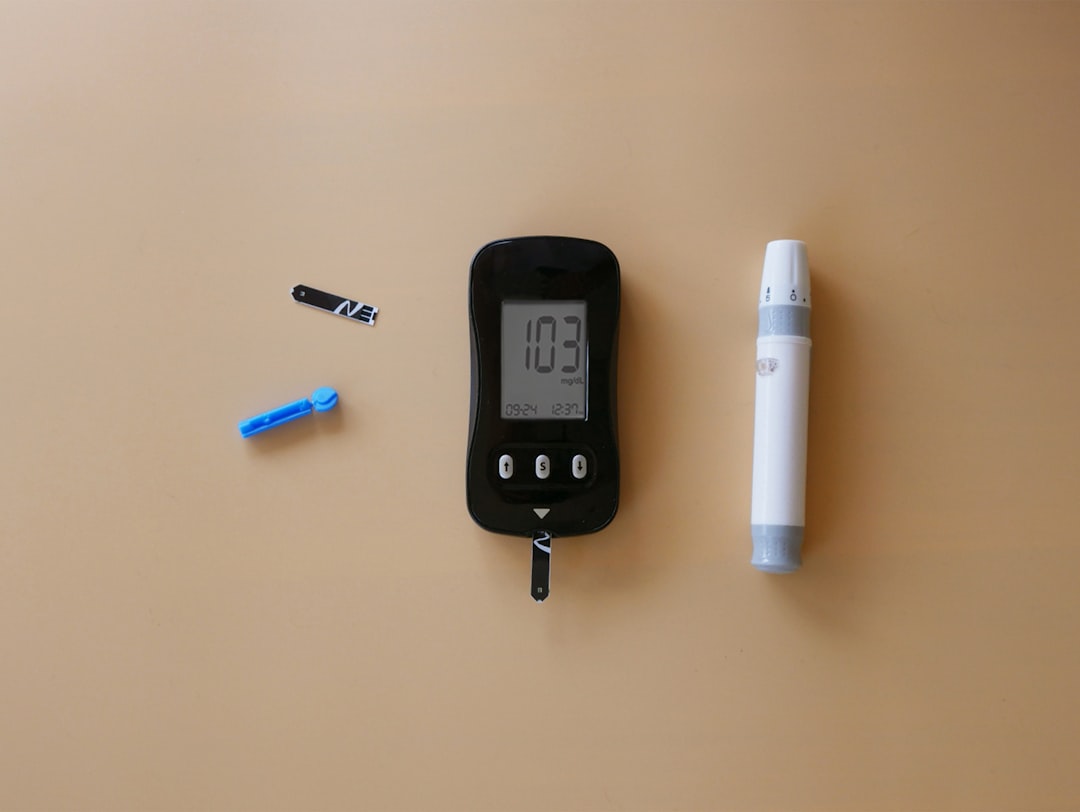
Blood pressure measures the force of blood against arterial walls and serves as an important indicator of cardiovascular health. It is recorded in millimeters of mercury (mmHg) using two values: systolic pressure (the pressure when the heart contracts) and diastolic pressure (the pressure when the heart relaxes between beats). Blood pressure readings provide valuable information about overall health status and can help identify increased risk for cardiovascular diseases, including heart disease and stroke.
Blood pressure levels naturally vary throughout the day due to multiple factors such as physical activity, stress levels, dietary intake, and circadian rhythms. Effective blood pressure management involves comprehensive lifestyle modifications rather than relying solely on pharmaceutical interventions. Evidence-based approaches to maintaining healthy blood pressure include regular physical exercise, maintaining a balanced diet low in sodium, managing stress, limiting alcohol consumption, and avoiding tobacco use.
Consistent monitoring and proactive management of blood pressure can reduce the risk of cardiovascular complications and improve long-term health outcomes.
Key Takeaways
- Managing blood pressure naturally involves lifestyle changes like diet, exercise, and stress reduction.
- Consuming a balanced diet rich in fruits, vegetables, and low sodium helps lower blood pressure.
- Regular physical activity and maintaining a healthy weight are crucial for blood pressure control.
- Techniques such as meditation, mindfulness, and adequate sleep support blood pressure regulation.
- Consulting healthcare professionals ensures safe and effective natural blood pressure management.
Importance of Managing Blood Pressure Naturally
Managing your blood pressure naturally is crucial for several reasons. First and foremost, it allows you to take control of your health without relying solely on medications that may come with side effects. By adopting natural methods, you can create a sustainable lifestyle that promotes long-term well-being.
This approach not only helps in lowering blood pressure but also enhances your overall health by encouraging better habits. Moreover, natural management techniques often focus on holistic practices that benefit multiple aspects of your life. For instance, dietary changes and regular exercise not only help regulate blood pressure but also improve your mood, boost energy levels, and enhance your immune system.
By prioritizing natural methods, you empower yourself to make choices that lead to a healthier and more fulfilling life.
Dietary Approaches to Lower Blood Pressure
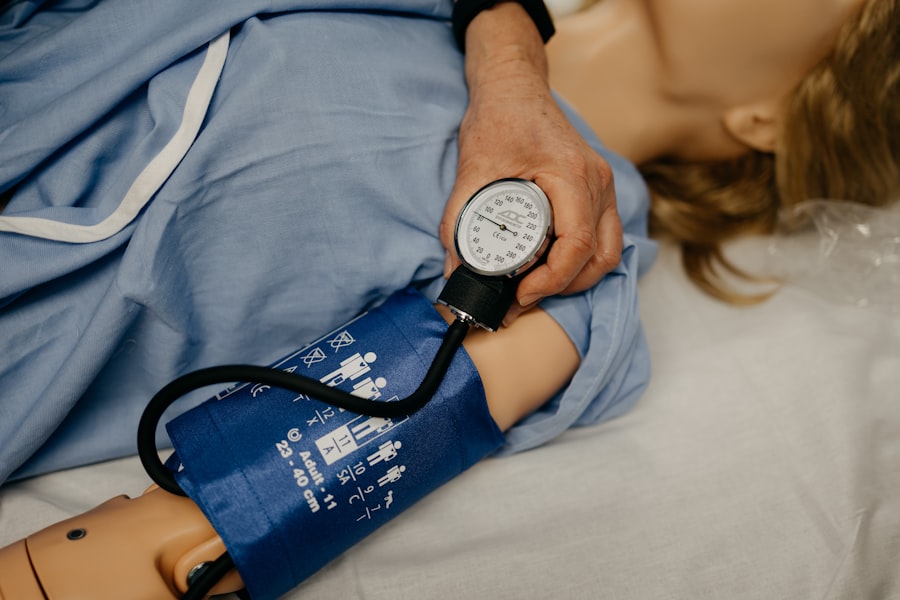
Your diet plays a pivotal role in managing blood pressure levels. Incorporating nutrient-rich foods can significantly impact your cardiovascular health. For instance, the DASH (Dietary Approaches to Stop Hypertension) diet emphasizes fruits, vegetables, whole grains, and lean proteins while reducing sodium intake.
By focusing on these food groups, you can provide your body with essential nutrients that support heart health and help lower blood pressure. In addition to the DASH diet, consider incorporating foods rich in potassium, magnesium, and fiber into your meals. Bananas, spinach, avocados, and beans are excellent sources of potassium that can help balance sodium levels in your body.
Similarly, foods high in omega-3 fatty acids, such as salmon and walnuts, have been shown to reduce inflammation and improve heart health. By making conscious dietary choices, you can create a powerful foundation for managing your blood pressure naturally.
Exercise and Physical Activity for Blood Pressure Management
Regular physical activity is another cornerstone of effective blood pressure management. Engaging in aerobic exercises such as walking, jogging, cycling, or swimming can help strengthen your heart and improve circulation. Aim for at least 150 minutes of moderate-intensity exercise each week to reap the benefits.
Not only does exercise help lower blood pressure, but it also aids in weight management and reduces stress levels. Incorporating strength training into your routine can also be beneficial. Building muscle mass increases your metabolism and helps regulate blood sugar levels, which can indirectly influence blood pressure.
Whether you prefer group classes or solo workouts, finding an activity you enjoy will make it easier to stay consistent. Remember that every little bit counts; even short bursts of activity throughout the day can contribute to better heart health.
Stress Reduction Techniques for Blood Pressure Control
| Method | Effect on Systolic BP (mm Hg) | Effect on Diastolic BP (mm Hg) | Duration to See Effect | Notes |
|---|---|---|---|---|
| Regular Aerobic Exercise | 5-8 mm Hg reduction | 3-5 mm Hg reduction | 4-12 weeks | Includes walking, jogging, cycling; 30 min/day, 5 days/week |
| Dietary Approaches (DASH Diet) | 8-14 mm Hg reduction | 4-8 mm Hg reduction | 2-4 weeks | Rich in fruits, vegetables, low-fat dairy, reduced saturated fat |
| Weight Loss (if overweight) | 1 mm Hg per 1 kg lost | Varies | Weeks to months | Even modest weight loss can significantly reduce BP |
| Reduced Sodium Intake | 2-8 mm Hg reduction | 1-4 mm Hg reduction | 1-4 weeks | Limit sodium to less than 2,300 mg/day |
| Stress Management (Meditation, Yoga) | 2-5 mm Hg reduction | 1-3 mm Hg reduction | 4-8 weeks | Regular practice recommended for sustained effect |
| Limiting Alcohol Intake | 2-4 mm Hg reduction | 1-2 mm Hg reduction | Weeks | Moderate consumption defined as up to 1 drink/day for women, 2 for men |
| Smoking Cessation | Variable | Variable | Immediate to weeks | Improves overall cardiovascular health, may reduce BP over time |
Stress is a significant contributor to elevated blood pressure levels. When you experience stress, your body releases hormones that can cause your heart rate to increase and blood vessels to constrict. Therefore, finding effective stress reduction techniques is essential for maintaining healthy blood pressure levels.
Mindfulness practices such as deep breathing exercises, yoga, or tai chi can help calm your mind and body. Additionally, engaging in hobbies or activities that bring you joy can serve as a natural stress reliever. Whether it’s painting, gardening, or spending time with loved ones, making time for enjoyable activities can help mitigate stress and promote relaxation.
By prioritizing stress management in your daily routine, you create a more balanced lifestyle that supports healthy blood pressure levels.
Herbal Remedies for Blood Pressure Regulation
Herbal remedies have been used for centuries to support various aspects of health, including blood pressure regulation. Certain herbs have shown promise in helping to lower blood pressure naturally. For example, garlic has been widely studied for its potential to improve cardiovascular health by promoting vasodilation and reducing arterial stiffness.
Incorporating garlic into your meals or taking garlic supplements may offer benefits for blood pressure management. Another herb worth considering is hibiscus tea. Research suggests that hibiscus may have antihypertensive properties due to its ability to relax blood vessels and improve circulation.
Drinking hibiscus tea regularly could be a flavorful way to support your heart health. However, it’s essential to consult with a healthcare professional before starting any herbal regimen to ensure safety and effectiveness.
Importance of Adequate Sleep for Blood Pressure Health
Sleep is often overlooked when it comes to managing blood pressure, yet it plays a vital role in overall health. Poor sleep quality or insufficient sleep can lead to increased stress levels and hormonal imbalances that may elevate blood pressure. Prioritizing adequate sleep is crucial for allowing your body to recover and maintain optimal functioning.
To improve sleep quality, establish a consistent sleep schedule by going to bed and waking up at the same time each day. Create a calming bedtime routine that includes activities such as reading or gentle stretching to signal to your body that it’s time to wind down. Additionally, ensure that your sleep environment is conducive to rest by keeping it dark, quiet, and cool.
By valuing sleep as an essential component of your health regimen, you can positively impact your blood pressure levels.
Limiting Alcohol and Caffeine Intake for Blood Pressure Management
Both alcohol and caffeine can influence blood pressure levels; therefore, moderating their intake is essential for effective management. While moderate alcohol consumption may have some cardiovascular benefits for certain individuals, excessive drinking can lead to elevated blood pressure and other health issues. If you choose to drink alcohol, aim for moderation—generally defined as up to one drink per day for women and two drinks per day for men.
Caffeine is another substance that can temporarily raise blood pressure in some individuals. If you’re sensitive to caffeine or consume large amounts of coffee or energy drinks, consider reducing your intake or switching to decaffeinated options.
Managing Weight for Blood Pressure Control
Maintaining a healthy weight is crucial for managing blood pressure effectively. Excess weight puts additional strain on your heart and can lead to increased blood pressure levels over time. If you find yourself carrying extra pounds, adopting a balanced diet combined with regular exercise can help you achieve a healthier weight.
Setting realistic weight loss goals is essential; aim for gradual changes rather than drastic measures. Focus on making sustainable lifestyle adjustments that promote long-term success rather than quick fixes. By prioritizing weight management as part of your overall strategy for controlling blood pressure, you’ll be taking significant steps toward improving your cardiovascular health.
The Role of Meditation and Mindfulness in Blood Pressure Regulation
Meditation and mindfulness practices have gained recognition for their ability to promote relaxation and reduce stress—two factors closely linked to blood pressure regulation. Engaging in regular meditation can help calm the mind and create a sense of inner peace that translates into physical well-being. Even just a few minutes of focused breathing or guided meditation each day can yield significant benefits.
Mindfulness practices encourage you to be present in the moment and cultivate awareness of your thoughts and feelings without judgment. This heightened awareness can help you identify stress triggers and develop healthier coping mechanisms. By incorporating meditation and mindfulness into your daily routine, you create a powerful tool for managing both stress and blood pressure effectively.
Seeking Professional Guidance for Natural Blood Pressure Management
While many natural methods exist for managing blood pressure effectively, seeking professional guidance is crucial for personalized care tailored to your unique needs. A healthcare provider or nutritionist can help assess your current health status and recommend specific strategies based on your individual circumstances. Additionally, if you’re considering herbal remedies or significant lifestyle changes, consulting with a professional ensures safety and efficacy while minimizing potential interactions with any medications you may be taking.
By working collaboratively with healthcare professionals, you empower yourself with knowledge and support on your journey toward achieving optimal blood pressure health naturally. In conclusion, managing blood pressure naturally involves a multifaceted approach that encompasses dietary changes, physical activity, stress reduction techniques, adequate sleep, moderation of alcohol and caffeine intake, weight management, mindfulness practices, and professional guidance.
For those interested in exploring natural methods for blood pressure management without medication, a related article can be found at this link. The article discusses various lifestyle changes, dietary adjustments, and stress-reduction techniques that can help maintain healthy blood pressure levels. By incorporating these strategies, individuals may find effective ways to manage their blood pressure while minimizing reliance on pharmaceutical interventions.
FAQs
What is blood pressure management without medication?
Blood pressure management without medication involves lifestyle changes and natural methods to control and lower high blood pressure (hypertension) without the use of pharmaceutical drugs.
What lifestyle changes can help manage blood pressure?
Key lifestyle changes include adopting a healthy diet (such as the DASH diet), reducing salt intake, maintaining a healthy weight, engaging in regular physical activity, limiting alcohol consumption, quitting smoking, and managing stress.
Can diet alone control high blood pressure?
A healthy diet, particularly one rich in fruits, vegetables, whole grains, and low in sodium and saturated fats, can significantly help lower blood pressure. However, diet is most effective when combined with other lifestyle changes.
How does exercise affect blood pressure?
Regular physical activity strengthens the heart, enabling it to pump blood with less effort, which lowers the pressure on arteries. Moderate aerobic exercise for at least 150 minutes per week is recommended.
Is stress management important for blood pressure control?
Yes, chronic stress can contribute to high blood pressure. Techniques such as meditation, deep breathing exercises, yoga, and adequate sleep can help reduce stress and improve blood pressure.
Are there natural supplements that help lower blood pressure?
Some supplements like potassium, magnesium, omega-3 fatty acids, and garlic have been shown to support blood pressure management, but they should be used under medical supervision.
When should medication be considered for blood pressure management?
Medication is typically recommended when lifestyle changes alone are insufficient to control blood pressure or if blood pressure is very high, posing immediate health risks. Always consult a healthcare provider for personalized advice.
Can weight loss impact blood pressure?
Yes, losing even a small amount of weight can help reduce blood pressure, especially in overweight or obese individuals.
Is monitoring blood pressure at home useful?
Regular home monitoring can help track blood pressure trends, assess the effectiveness of lifestyle changes, and provide valuable information to healthcare providers.
Are there risks to managing blood pressure without medication?
While lifestyle changes are beneficial, some individuals may require medication to prevent complications. Delaying necessary treatment can increase the risk of heart attack, stroke, and other health issues. Always consult a healthcare professional before making changes.