
Blood Pressure and Stroke: A Critical Health Connection
Blood pressure is a fundamental health indicator with significant implications for stroke risk. Hypertension (high blood pressure) is clinically described as the “silent killer” because it typically remains asymptomatic until organ damage has occurred. This condition contributes to various cardiovascular complications, particularly stroke.
Strokes result from interrupted cerebral blood flow, caused either by arterial blockage (ischemic stroke) or vascular rupture (hemorrhagic stroke). Chronic hypertension damages arterial walls, increasing their vulnerability to both occlusion and rupture. Epidemiological data demonstrates a direct correlation between blood pressure levels and stroke incidence.
Clinical studies have established that stroke risk doubles with each increment of 20 mmHg in systolic pressure or 10 mmHg in diastolic pressure. This logarithmic relationship highlights the critical importance of blood pressure monitoring and management as primary stroke prevention strategies. Regular blood pressure assessment and appropriate medical intervention are essential components of comprehensive cardiovascular health maintenance.
Key Takeaways
- High blood pressure significantly increases the risk of stroke, making monitoring essential.
- Lifestyle changes, including diet, exercise, and stress management, play a crucial role in controlling blood pressure.
- Medications may be necessary to manage blood pressure effectively alongside lifestyle adjustments.
- Maintaining a healthy weight and avoiding smoking, excessive alcohol, and caffeine help reduce stroke risk.
- Seeking support and utilizing resources can improve blood pressure management and overall health outcomes.
The Importance of Regular Blood Pressure Monitoring
Regular blood pressure monitoring is an essential practice that you should incorporate into your health routine. By keeping track of your blood pressure readings, you can identify any concerning trends early on and take action before they escalate into more serious health issues. Many people are unaware of their blood pressure status, which can lead to undiagnosed hypertension and an increased risk of stroke and other cardiovascular diseases.
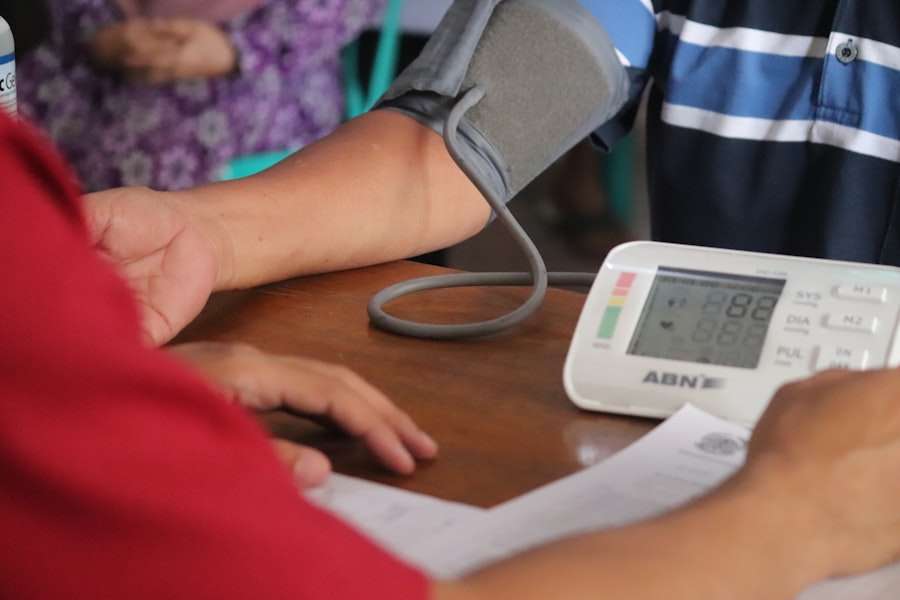
You can easily monitor your blood pressure at home using a digital blood pressure monitor, which provides quick and accurate readings. In addition to home monitoring, regular check-ups with your healthcare provider are vital. During these visits, your doctor can assess your overall cardiovascular health and recommend appropriate interventions if necessary.
Lifestyle Changes to Manage Blood Pressure
Making lifestyle changes is one of the most effective ways to manage your blood pressure. You have the power to influence your health through daily choices, and small adjustments can lead to significant improvements over time. One of the first steps you can take is to incorporate more physical activity into your routine.
Aim for at least 150 minutes of moderate aerobic exercise each week, such as brisk walking or cycling. Regular exercise strengthens your heart, improves circulation, and helps maintain a healthy weight—all factors that contribute to lower blood pressure. In addition to physical activity, consider evaluating your stress levels and finding ways to manage them effectively.
Chronic stress can lead to elevated blood pressure, so incorporating relaxation techniques such as meditation, yoga, or deep breathing exercises can be beneficial. By prioritizing self-care and making time for activities that bring you joy, you can create a healthier balance in your life that supports better blood pressure management.
The Role of Medication in Managing Blood Pressure
While lifestyle changes are crucial for managing blood pressure, there may be instances where medication is necessary. If your healthcare provider determines that your blood pressure is consistently high despite lifestyle modifications, they may prescribe antihypertensive medications to help control it. These medications work in various ways, such as relaxing blood vessels, reducing heart rate, or decreasing the volume of blood in circulation.
It’s essential to follow your doctor’s recommendations regarding medication use and dosage. You should also be aware that medication is not a substitute for healthy lifestyle choices. Instead, it should be viewed as a complementary approach to managing your blood pressure effectively.
By combining medication with lifestyle changes, you can achieve better control over your blood pressure levels and reduce your risk of stroke and other cardiovascular complications. Regular follow-ups with your healthcare provider will ensure that your treatment plan remains effective and tailored to your needs.
Dietary Approaches to Lower Blood Pressure
| Metric | Value | Notes |
|---|---|---|
| Average Systolic Blood Pressure Target | 130 mm Hg | Recommended target for stroke prevention in seniors |
| Average Diastolic Blood Pressure Target | 80 mm Hg | Recommended target for stroke prevention in seniors |
| Stroke Risk Reduction with BP Control | 30-40% | Reduction in stroke incidence with proper blood pressure management |
| Prevalence of Hypertension in Seniors (65+) | 70% | Percentage of seniors diagnosed with hypertension |
| Percentage of Seniors on Antihypertensive Medication | 60% | Proportion of seniors receiving treatment for high blood pressure |
| Annual Stroke Incidence in Seniors with Hypertension | 2.5% | Annual risk of stroke among hypertensive seniors |
| Effectiveness of Lifestyle Changes | 10-15% BP Reduction | Average blood pressure reduction from diet, exercise, and weight loss |
Your diet plays a significant role in managing blood pressure levels. Adopting a heart-healthy diet can help you lower your blood pressure and reduce your risk of stroke. One popular dietary approach is the DASH (Dietary Approaches to Stop Hypertension) diet, which emphasizes fruits, vegetables, whole grains, lean proteins, and low-fat dairy products while limiting saturated fats, cholesterol, and sodium.
By focusing on nutrient-dense foods, you can provide your body with the essential vitamins and minerals it needs while promoting better cardiovascular health. Reducing sodium intake is particularly important for managing blood pressure. High sodium consumption can lead to fluid retention and increased blood volume, which can elevate blood pressure levels.
You can start by reading food labels carefully and opting for low-sodium alternatives whenever possible. Additionally, cooking at home allows you to control the amount of salt in your meals. By making conscious dietary choices, you can significantly impact your blood pressure management journey.
The Impact of Exercise on Blood Pressure and Stroke Risk
Exercise is a powerful tool in managing blood pressure and reducing stroke risk. Engaging in regular physical activity helps strengthen your heart muscle, improve circulation, and lower stress levels—all of which contribute to better blood pressure control. When you exercise, your heart becomes more efficient at pumping blood throughout your body, which can lead to lower resting blood pressure over time.
You might find that incorporating a variety of exercises into your routine keeps things interesting and enjoyable. Consider activities such as swimming, dancing, or group fitness classes that not only provide cardiovascular benefits but also enhance your overall well-being. Aim for a mix of aerobic exercises and strength training for optimal results.
Remember that consistency is key; even small amounts of physical activity can make a difference in managing your blood pressure and reducing stroke risk.
Stress Management and its Effect on Blood Pressure
Stress is an often-overlooked factor that can significantly impact your blood pressure levels. When you’re under stress, your body releases hormones like adrenaline and cortisol that temporarily raise your heart rate and constrict blood vessels—leading to increased blood pressure. Chronic stress can contribute to long-term hypertension if not managed effectively.
Therefore, finding ways to cope with stress is essential for maintaining healthy blood pressure levels. You may want to explore various stress management techniques that resonate with you personally. Mindfulness practices such as meditation or yoga can help calm your mind and reduce anxiety levels.
Additionally, engaging in hobbies or spending time with loved ones can provide a much-needed break from daily stressors. By prioritizing stress management in your life, you not only improve your mental well-being but also support better physical health.
The Importance of Maintaining a Healthy Weight
Maintaining a healthy weight is another critical aspect of managing blood pressure effectively. Excess weight puts additional strain on your heart and increases the likelihood of developing hypertension. If you’re overweight or obese, even modest weight loss—around 5-10% of your body weight—can lead to significant improvements in blood pressure levels.
You may find that adopting a balanced diet combined with regular exercise helps you achieve and maintain a healthy weight over time. It’s important to approach weight management with a positive mindset rather than viewing it as a restrictive process. Focus on nourishing your body with wholesome foods and engaging in physical activities that you enjoy.
By making gradual changes rather than drastic ones, you’re more likely to sustain these habits long-term. Remember that every small step counts toward achieving better health outcomes.
The Role of Alcohol and Caffeine in Blood Pressure Management
Alcohol consumption can have varying effects on blood pressure depending on the amount consumed. While moderate alcohol intake may have some cardiovascular benefits for certain individuals, excessive drinking can lead to elevated blood pressure levels and increase the risk of stroke. If you choose to drink alcohol, it’s essential to do so in moderation—generally defined as up to one drink per day for women and up to two drinks per day for men.
Caffeine is another substance that may influence blood pressure levels temporarily. Some studies suggest that caffeine consumption can cause short-term spikes in blood pressure; however, regular coffee drinkers may develop a tolerance over time. If you’re concerned about how caffeine affects your blood pressure, consider monitoring your intake and discussing it with your healthcare provider for personalized guidance.
The Impact of Smoking on Blood Pressure and Stroke Risk
Smoking is one of the most detrimental habits for cardiovascular health and has a direct impact on both blood pressure and stroke risk. Nicotine raises heart rate and constricts blood vessels, leading to increased blood pressure levels immediately after smoking a cigarette. Over time, smoking damages the lining of arteries and contributes to plaque buildup—a significant risk factor for stroke.
If you’re a smoker looking to improve your health, quitting smoking is one of the best decisions you can make for yourself. While it may be challenging, numerous resources are available to support you on this journey—such as counseling programs or nicotine replacement therapies. By eliminating smoking from your life, you’ll not only lower your blood pressure but also significantly reduce your risk of stroke and other serious health conditions.
Seeking Support and Resources for Blood Pressure Management
Managing blood pressure effectively often requires support from various resources available in your community or online. You don’t have to navigate this journey alone; seeking help from healthcare professionals, support groups, or educational programs can provide valuable insights into managing hypertension successfully. Your healthcare provider can guide you through personalized treatment plans tailored to meet your specific needs.
Additionally, consider joining local or online support groups where individuals share their experiences with managing high blood pressure or related conditions. These communities can offer encouragement, motivation, and practical tips for making lifestyle changes that promote better health outcomes. Remember that taking charge of your health is an ongoing process—by seeking support and utilizing available resources, you’re setting yourself up for success in managing your blood pressure effectively.
Maintaining healthy blood pressure is crucial for stroke prevention, especially in seniors. A related article that provides valuable insights on this topic can be found on Explore Senior Health. It discusses various strategies for managing blood pressure and highlights the importance of regular check-ups. For more information, you can read the article here: Explore Senior Health.
FAQs
What is the relationship between blood pressure and stroke risk in seniors?
High blood pressure (hypertension) is a major risk factor for stroke, especially in seniors. Elevated blood pressure can damage blood vessels, increasing the likelihood of blockages or ruptures that lead to strokes.
What blood pressure levels are considered safe for seniors to prevent stroke?
Generally, maintaining blood pressure below 130/80 mm Hg is recommended for seniors to reduce stroke risk. However, individual targets may vary based on overall health and medical advice.
How can seniors effectively manage their blood pressure to prevent stroke?
Seniors can manage blood pressure through lifestyle changes such as a balanced diet low in sodium, regular physical activity, maintaining a healthy weight, limiting alcohol intake, quitting smoking, and adhering to prescribed medications.
Are there specific medications used to control blood pressure in seniors for stroke prevention?
Yes, common medications include diuretics, ACE inhibitors, calcium channel blockers, and beta-blockers. The choice depends on individual health conditions and should be guided by a healthcare provider.
Can lifestyle changes alone prevent strokes in seniors with high blood pressure?
While lifestyle changes significantly reduce stroke risk, some seniors may still require medication to adequately control blood pressure and prevent strokes.
How often should seniors monitor their blood pressure?
Seniors should monitor their blood pressure regularly, as advised by their healthcare provider, which may range from daily to weekly checks depending on their condition.
What symptoms indicate a stroke that seniors and caregivers should watch for?
Common stroke symptoms include sudden weakness or numbness on one side of the body, difficulty speaking or understanding speech, sudden vision problems, severe headache, and loss of balance or coordination. Immediate medical attention is critical.
Is blood pressure management effective in preventing all types of strokes in seniors?
Blood pressure control is particularly effective in preventing ischemic strokes (caused by blood clots) and hemorrhagic strokes (caused by bleeding). It is one of the most important preventive measures.
Can stress affect blood pressure and stroke risk in seniors?
Yes, chronic stress can contribute to elevated blood pressure, increasing stroke risk. Stress management techniques can be beneficial as part of a comprehensive prevention plan.
Should seniors consult their healthcare provider before making changes to their blood pressure management plan?
Absolutely. Seniors should always consult their healthcare provider before starting, stopping, or changing any treatment or lifestyle regimen related to blood pressure and stroke prevention.