As aging progresses, regular blood pressure monitoring becomes essential. Hypertension, commonly known as high blood pressure, is termed a “silent killer” because it typically remains asymptomatic until significant damage has occurred. For older adults, tracking blood pressure levels is vital in preventing serious health complications including heart disease, stroke, and kidney failure.
Regular monitoring enables proactive health management and reduces the risk of these potentially fatal conditions. Additionally, consistent monitoring establishes a baseline for blood pressure readings. This reference point helps both patients and healthcare providers identify concerning patterns over time.
Fluctuations or consistently elevated readings may indicate the need for further medical evaluation or treatment adjustments. Through diligent blood pressure monitoring, individuals can take greater control of their health and make better-informed decisions regarding lifestyle choices and medical interventions.
Key Takeaways
- Regular blood pressure monitoring is crucial for seniors to manage health risks effectively.
- Personalized monitoring schedules help seniors maintain consistent and accurate blood pressure tracking.
- Choosing the right device ensures ease of use and reliable readings for seniors.
- Integrating blood pressure checks into daily routines promotes better health management.
- Tracking and interpreting readings aids in timely medical intervention and overall well-being.
Understanding the Risks of High Blood Pressure in Seniors
High blood pressure poses unique risks for seniors that can significantly impact their quality of life. As you age, your blood vessels naturally become stiffer, which can lead to increased blood pressure. This condition can strain your heart and other organs, leading to complications such as heart attacks or strokes.
Understanding these risks is essential for taking preventive measures and seeking timely medical intervention when necessary. Additionally, high blood pressure can exacerbate existing health conditions that are common among seniors, such as diabetes and kidney disease. The interplay between these conditions can create a vicious cycle that complicates treatment and management.
By understanding the risks associated with high blood pressure, you can better appreciate the importance of regular monitoring and the need for lifestyle changes that promote heart health.
Creating a Personalized Blood Pressure Monitoring Schedule
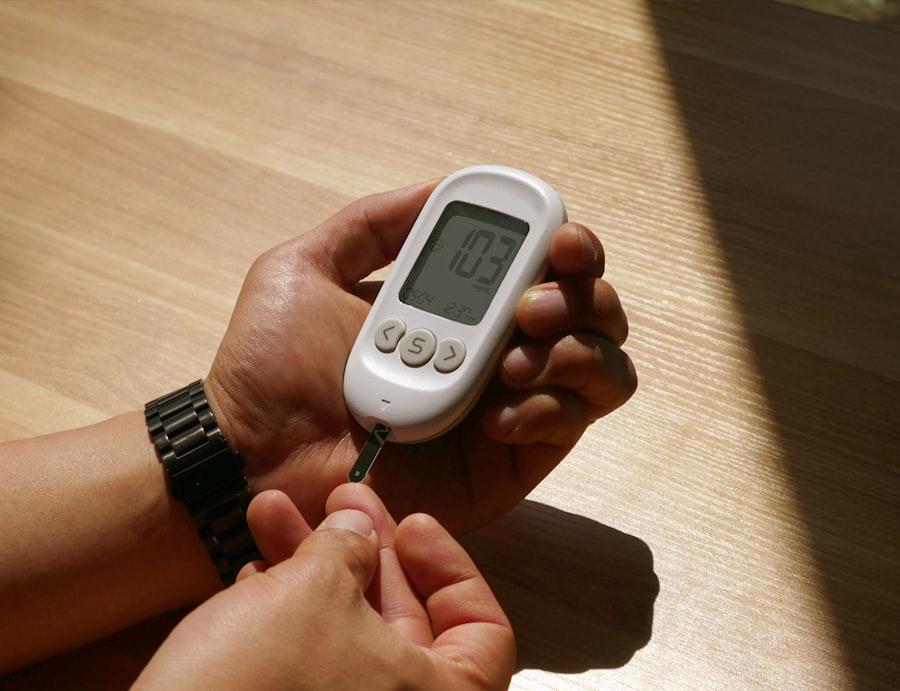
Creating a personalized blood pressure monitoring schedule is an essential step in managing your health effectively. You should consider factors such as your medical history, current medications, and lifestyle when developing this schedule. For instance, if you have a history of hypertension or related health issues, you may need to check your blood pressure more frequently than someone without such concerns.
Collaborating with your healthcare provider can help you determine the best approach tailored to your specific needs. In addition to frequency, consider the timing of your blood pressure checks. Blood pressure can fluctuate throughout the day due to various factors such as stress, physical activity, and even diet.
You might find it beneficial to monitor your blood pressure at different times to get a comprehensive view of how it varies. By establishing a consistent routine that works for you, you can ensure that you are actively engaged in managing your health.
Tips for Choosing the Right Blood Pressure Monitoring Devices for Seniors
When it comes to selecting a blood pressure monitoring device, there are several factors to consider to ensure that you choose one that meets your needs effectively. First and foremost, look for a device that is easy to use and read. Many seniors may struggle with small print or complicated instructions, so opting for a digital monitor with a large display can make the process much more manageable.
Additionally, consider whether the device offers features such as memory storage for past readings or automatic inflation, which can enhance convenience. Another important aspect is the cuff size. A properly fitting cuff is crucial for obtaining accurate readings.
Many devices come with adjustable cuffs or offer different sizes to accommodate various arm circumferences. Before making a purchase, it’s wise to consult with your healthcare provider or pharmacist to ensure that the device you choose is appropriate for your specific health needs and physical condition.
Recommended Frequency for Blood Pressure Checks for Seniors
| Time of Day | Recommended Frequency | Notes |
|---|---|---|
| Morning (upon waking) | Daily | Measure before taking medication or eating |
| Afternoon | 3-4 times per week | Helps track daytime blood pressure variations |
| Evening (before bed) | Daily | Monitor blood pressure before sleep |
| During symptoms (e.g., dizziness, headache) | As needed | Check to identify possible blood pressure spikes or drops |
| After medication changes | Daily for 1-2 weeks | Ensure medication effectiveness and safety |
| Regular doctor visits | Every 3-6 months | Professional monitoring and adjustment of treatment |
The recommended frequency for blood pressure checks can vary based on individual health circumstances. Generally speaking, if you have been diagnosed with high blood pressure or are at risk for hypertension, it is advisable to check your blood pressure at least once a week. However, if you are on medication or have recently made lifestyle changes aimed at lowering your blood pressure, more frequent monitoring may be necessary to assess the effectiveness of those interventions.
For seniors who have normal blood pressure readings and no significant risk factors, checking once a month may suffice. Regardless of your situation, it’s essential to maintain open communication with your healthcare provider about how often you should be monitoring your blood pressure. They can provide personalized recommendations based on your overall health status and any changes in your condition.
Incorporating Blood Pressure Monitoring into Daily Routines
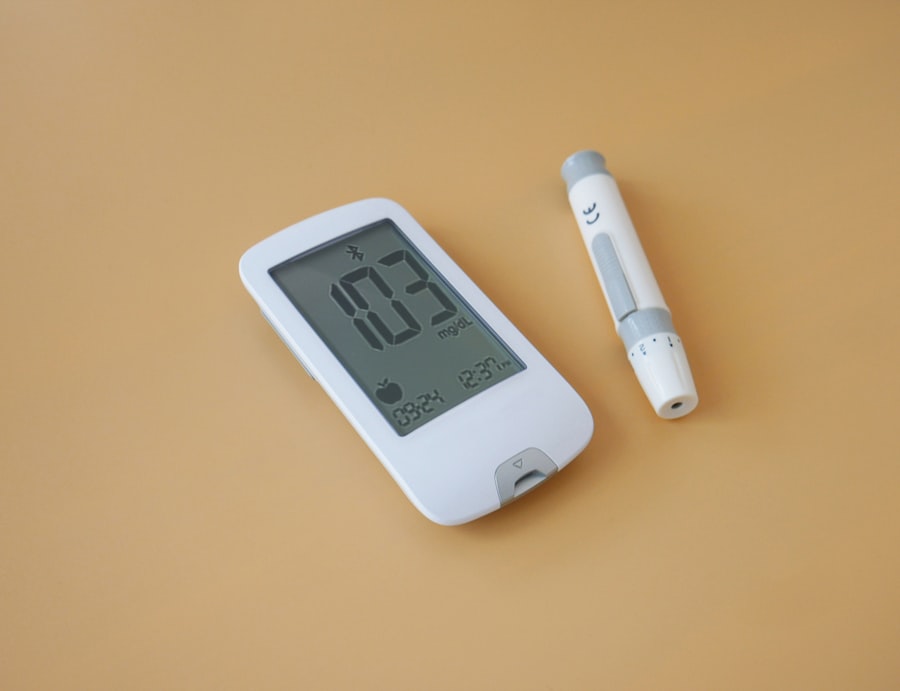
Incorporating blood pressure monitoring into your daily routine can help make it a seamless part of your health management strategy. One effective approach is to set aside a specific time each day dedicated to checking your blood pressure—perhaps in the morning before breakfast or in the evening before bed. By associating this task with an existing routine, such as brushing your teeth or taking medications, you can create a habit that is easier to maintain.
Additionally, consider using reminders or alarms on your phone or calendar to prompt you when it’s time to check your blood pressure. This can be especially helpful if you have a busy schedule or tend to forget tasks throughout the day. By making blood pressure monitoring a regular part of your life, you not only stay informed about your health but also demonstrate a commitment to proactive self-care.
How to Interpret Blood Pressure Readings for Seniors
Interpreting blood pressure readings can be daunting at first, but understanding what those numbers mean is crucial for managing your health effectively. Blood pressure readings consist of two numbers: systolic (the top number) and diastolic (the bottom number). The systolic number measures the pressure in your arteries when your heart beats, while the diastolic number measures the pressure when your heart is at rest between beats.
For seniors, a normal reading is typically considered to be around 120/80 mmHg. Readings above this threshold may indicate elevated blood pressure or hypertension, depending on how high they are. It’s important to remember that one high reading does not necessarily mean you have hypertension; factors such as stress or recent physical activity can temporarily elevate blood pressure levels.
Keeping track of multiple readings over time will provide a clearer picture of your overall health status.
The Role of Diet and Exercise in Managing Blood Pressure for Seniors
Diet and exercise play pivotal roles in managing blood pressure effectively as you age. A heart-healthy diet rich in fruits, vegetables, whole grains, lean proteins, and healthy fats can significantly impact your blood pressure levels. Reducing sodium intake is particularly important; many processed foods contain high levels of salt that can contribute to hypertension.
By making conscious dietary choices and focusing on whole foods, you can support better cardiovascular health. Exercise is equally vital in managing blood pressure. Regular physical activity helps strengthen the heart and improve circulation, which can lead to lower blood pressure over time.
Aim for at least 150 minutes of moderate aerobic activity each week—this could include walking, swimming, or cycling. Incorporating strength training exercises at least twice a week can also be beneficial. Finding activities that you enjoy will make it easier to stay active and committed to maintaining a healthy lifestyle.
Seeking Medical Attention for Abnormal Blood Pressure Readings
If you notice abnormal blood pressure readings—whether they are consistently high or unusually low—it’s essential to seek medical attention promptly.
Your healthcare provider can help determine the underlying causes of these abnormal readings and recommend appropriate interventions.
In some cases, lifestyle changes may be sufficient to address high blood pressure; however, medication may also be necessary depending on the severity of the condition.
Tracking and Documenting Blood Pressure Readings for Seniors
Tracking and documenting your blood pressure readings is an invaluable practice that allows you to monitor trends over time and share this information with your healthcare provider during appointments. Consider keeping a dedicated journal or using a mobile app designed for tracking health metrics. Record not only the readings but also any relevant notes about how you were feeling at the time or any activities that may have influenced the results.
By maintaining accurate records of your blood pressure readings, you create a comprehensive overview of your cardiovascular health that can aid in decision-making regarding treatment options or lifestyle changes. This documentation empowers you to take an active role in managing your health while fostering open communication with your healthcare team.
Benefits of Regular Blood Pressure Monitoring for Overall Senior Health
Regular blood pressure monitoring offers numerous benefits that extend beyond simply keeping track of numbers; it plays a crucial role in promoting overall senior health and well-being. By staying informed about your blood pressure levels, you are better equipped to make lifestyle choices that support heart health and reduce the risk of complications associated with hypertension. Furthermore, consistent monitoring fosters a sense of accountability and empowerment in managing your health journey.
It encourages proactive engagement with healthcare providers and reinforces the importance of self-care practices such as diet and exercise. Ultimately, regular blood pressure monitoring serves as a cornerstone for maintaining optimal health as you age, allowing you to enjoy a higher quality of life while minimizing potential health risks associated with high blood pressure.
For seniors, maintaining optimal blood pressure is crucial for overall health, and establishing a regular monitoring schedule can significantly aid in this effort. A helpful resource on this topic can be found in the article on blood pressure management at