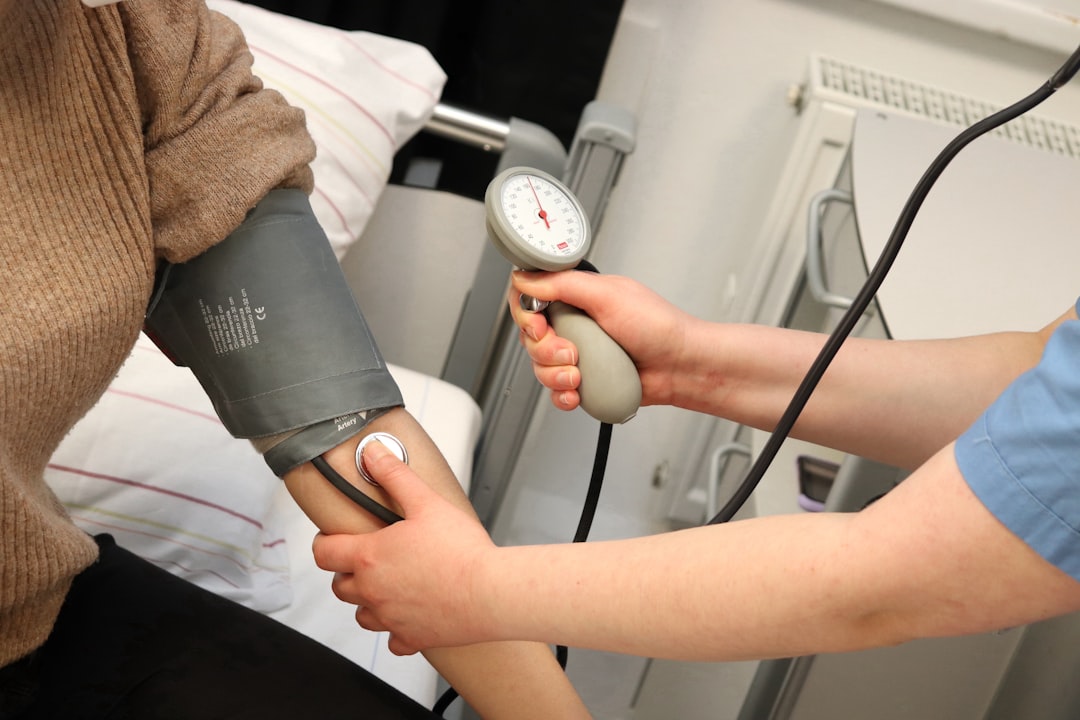
Blood pressure management becomes increasingly important with advancing age due to its significant impact on overall health outcomes. Hypertension, commonly known as high blood pressure, is characterized as a “silent” condition because it frequently develops without noticeable symptoms until substantial physiological damage has occurred. Older adults face elevated risks, as uncontrolled hypertension can result in severe cardiovascular complications including coronary heart disease, cerebrovascular accidents (stroke), and chronic kidney disease.
Proper blood pressure control substantially reduces the likelihood of these serious medical conditions and contributes to improved health outcomes. Research demonstrates that effective blood pressure management provides additional benefits beyond cardiovascular protection, including enhanced cognitive function and mental health. Scientific studies have established a connection between elevated blood pressure and accelerated cognitive decline, with hypertension identified as a modifiable risk factor for dementia development.
Maintaining blood pressure within recommended ranges supports both physical health and cognitive preservation. This comprehensive approach to health management is particularly relevant for older adults seeking to maintain functional independence and optimize their quality of life during aging.
Key Takeaways
- Managing blood pressure is crucial for seniors to prevent serious health complications.
- Lifestyle changes, including diet and physical activity, play a key role in controlling blood pressure.
- Regular monitoring and timely medical consultation are essential for effective blood pressure management.
- Awareness of medication side effects helps seniors use blood pressure treatments safely.
- Support systems and open communication with healthcare providers enhance seniors’ ability to manage their blood pressure independently.
Recognizing the risk factors for high blood pressure in older adults
Understanding the risk factors associated with high blood pressure is crucial for you as a senior. Age itself is a significant factor; as you grow older, your blood vessels may become stiffer, leading to increased pressure. Additionally, genetics play a role; if you have a family history of hypertension, you may be at a higher risk.
Other factors include obesity, a sedentary lifestyle, excessive alcohol consumption, and high sodium intake. Recognizing these risks allows you to take proactive steps in managing your blood pressure effectively. Another important aspect to consider is the impact of chronic conditions on your blood pressure.
Conditions such as diabetes, kidney disease, and sleep apnea can exacerbate hypertension. If you have any of these conditions, it’s essential to work closely with your healthcare provider to monitor your blood pressure and adjust your treatment plan accordingly. By being aware of these risk factors, you empower yourself to make informed decisions about your health and take control of your blood pressure management.
Adopting a healthy lifestyle to help control blood pressure

Embracing a healthy lifestyle is one of the most effective ways for you to manage your blood pressure. This includes making conscious choices about your diet, physical activity, and overall wellness. A balanced diet rich in fruits, vegetables, whole grains, and lean proteins can significantly impact your blood pressure levels.
The DASH (Dietary Approaches to Stop Hypertension) diet is particularly beneficial for seniors, as it emphasizes nutrient-dense foods while reducing sodium intake. In addition to dietary changes, incorporating regular physical activity into your routine is essential. Aim for at least 150 minutes of moderate aerobic exercise each week, such as walking, swimming, or cycling.
Not only does exercise help lower blood pressure, but it also improves cardiovascular health and enhances mood. By making these lifestyle adjustments, you can create a solid foundation for managing your blood pressure effectively while enjoying a more active and fulfilling life.
Monitoring blood pressure regularly and seeking medical attention when necessary
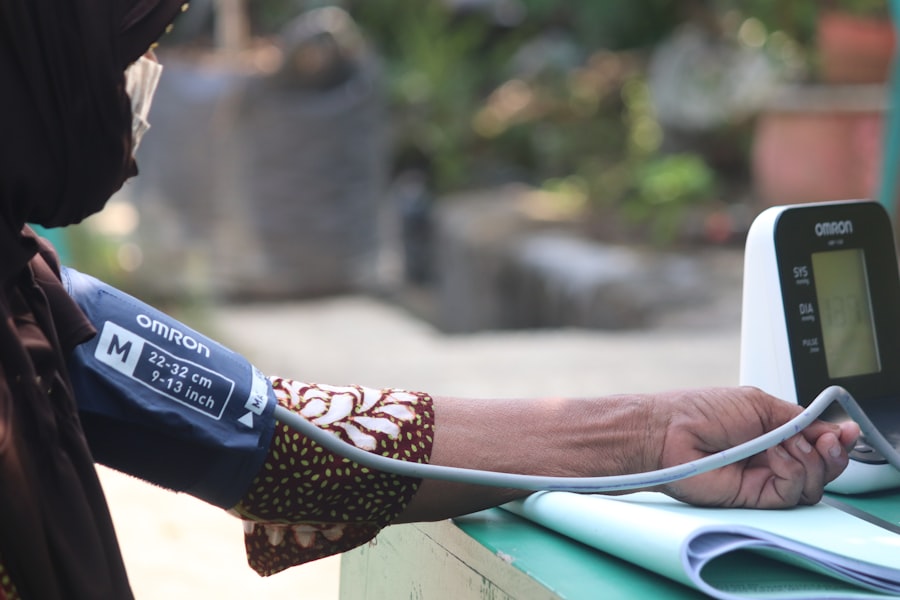
Regular monitoring of your blood pressure is crucial in managing hypertension effectively. You should consider investing in a home blood pressure monitor to keep track of your readings between doctor visits. This allows you to identify any concerning trends early on and take action before complications arise.
It’s also important to keep a log of your readings to share with your healthcare provider during appointments; this information can help them make informed decisions about your treatment plan. If you notice consistently high readings or experience symptoms such as headaches, dizziness, or shortness of breath, don’t hesitate to seek medical attention. Early intervention can prevent serious complications and help you maintain better control over your blood pressure.
Remember that managing hypertension is an ongoing process that requires vigilance and communication with your healthcare team.
Understanding the potential side effects of blood pressure medications in seniors
| Metric | Value | Unit | Notes |
|---|---|---|---|
| Average Systolic Blood Pressure | 135 | mmHg | Typical range in community-dwelling older adults |
| Average Diastolic Blood Pressure | 75 | mmHg | Typical range in community-dwelling older adults |
| Percentage with Hypertension | 65 | % | Older adults diagnosed with hypertension |
| Independence in Activities of Daily Living (ADL) | 80 | % | Older adults maintaining full independence |
| Correlation between High BP and ADL Dependence | 0.35 | r (correlation coefficient) | Moderate positive correlation indicating higher BP linked to decreased independence |
| Average Age of Study Participants | 75 | Years | Mean age in studies assessing BP and independence |
| Percentage with Controlled Blood Pressure | 50 | % | Older adults with BP within recommended limits |
While medications can be an effective tool in managing high blood pressure, it’s essential for you to understand the potential side effects associated with these treatments. Seniors may be more susceptible to adverse reactions due to age-related changes in metabolism and organ function. Common side effects of antihypertensive medications include dizziness, fatigue, and gastrointestinal issues.
Being aware of these potential effects allows you to monitor how you feel after starting a new medication and communicate any concerns with your healthcare provider. Additionally, it’s important to discuss any other medications or supplements you are taking with your doctor. Drug interactions can complicate treatment plans and lead to increased side effects or reduced effectiveness of your blood pressure medications.
By maintaining open communication with your healthcare provider about all aspects of your treatment plan, you can work together to find the best approach for managing your blood pressure safely and effectively.
Incorporating physical activity into a senior’s daily routine
Incorporating physical activity into your daily routine is not only beneficial for managing blood pressure but also enhances overall health and well-being. Engaging in regular exercise can help strengthen your heart, improve circulation, and reduce stress levels—all of which contribute to better blood pressure control. You don’t need to engage in high-intensity workouts; even moderate activities like walking, gardening, or dancing can make a significant difference.
To make physical activity more enjoyable and sustainable, consider finding activities that you love or joining a group class tailored for seniors. This social aspect can provide motivation and accountability while also fostering connections with others who share similar health goals. Remember that consistency is key; aim to incorporate movement into your daily life in ways that feel natural and enjoyable.
Making dietary changes to support healthy blood pressure levels
Diet plays a pivotal role in managing blood pressure effectively. As a senior, focusing on nutrient-rich foods can help you maintain healthy levels while also supporting overall health. Reducing sodium intake is particularly important; aim for no more than 1,500 milligrams per day if you have high blood pressure.
In addition to reducing sodium, consider incorporating foods rich in potassium, magnesium, and calcium into your diet. These nutrients can help counteract the effects of sodium and promote healthy blood vessel function.
Foods such as bananas, spinach, sweet potatoes, and low-fat dairy products are excellent choices. By making these dietary changes, you not only support healthy blood pressure levels but also enhance your overall nutritional intake.
Managing stress and its impact on blood pressure in older adults
Stress management is another critical component of maintaining healthy blood pressure levels as a senior. Chronic stress can lead to elevated blood pressure by triggering the release of hormones that constrict blood vessels and increase heart rate. It’s essential for you to identify stressors in your life and develop effective coping strategies to mitigate their impact.
Consider incorporating relaxation techniques such as deep breathing exercises, meditation, or yoga into your daily routine. These practices can help lower stress levels and promote a sense of calmness. Additionally, engaging in hobbies or spending time with loved ones can provide emotional support and serve as a positive outlet for stress relief.
By prioritizing stress management, you can create a healthier environment for both your mind and body.
Educating seniors on the dangers of uncontrolled high blood pressure
Education is key when it comes to understanding the dangers associated with uncontrolled high blood pressure. As a senior, being informed about the potential consequences can motivate you to take action in managing your health effectively. Uncontrolled hypertension can lead to severe complications such as heart attacks, strokes, kidney damage, and vision loss—conditions that can significantly impact your quality of life.
By educating yourself about these risks, you empower yourself to make informed decisions regarding lifestyle changes and treatment options. Consider attending workshops or seminars focused on hypertension management or seeking resources from reputable organizations dedicated to heart health. The more knowledge you gain about the dangers of uncontrolled high blood pressure, the better equipped you will be to advocate for your health.
Encouraging regular communication with healthcare providers about blood pressure management
Maintaining open lines of communication with your healthcare provider is essential for effective blood pressure management as a senior. Regular check-ups allow you to discuss any concerns or changes in your health status while also providing an opportunity for adjustments to your treatment plan if necessary. Don’t hesitate to ask questions about medications, lifestyle changes, or any other aspects of your care; being proactive in these discussions can lead to better outcomes.
Additionally, consider bringing a family member or friend along to appointments for support and assistance in remembering important information discussed during visits. This collaborative approach fosters a stronger partnership between you and your healthcare team while ensuring that all aspects of your health are addressed comprehensively.
Creating a support system for seniors to help them maintain independence while managing blood pressure
Establishing a strong support system is vital for seniors looking to manage their blood pressure effectively while maintaining independence. Surrounding yourself with family members, friends, or community groups who understand the challenges associated with hypertension can provide encouragement and motivation on your journey toward better health. This network can offer practical assistance—such as accompanying you on walks or helping prepare healthy meals—while also providing emotional support during difficult times.
Consider joining local organizations or online communities focused on senior health; these platforms often provide valuable resources and opportunities for social engagement. By fostering connections with others who share similar experiences and goals, you create an environment that promotes accountability and encourages positive lifestyle changes essential for managing blood pressure effectively. In conclusion, managing blood pressure as a senior requires a multifaceted approach that encompasses lifestyle changes, regular monitoring, education about risks and treatments, effective communication with healthcare providers, and building a supportive community around you.
Maintaining healthy blood pressure levels is crucial for promoting independence in older adults, as it can significantly impact their overall well-being and ability to perform daily activities. For more insights on this topic, you can read the article on senior health that discusses various factors influencing blood pressure and independence in older adults. Check it out here: Explore Senior Health.
FAQs
What is the relationship between blood pressure and independence in older adults?
Maintaining healthy blood pressure is crucial for older adults as it helps reduce the risk of cardiovascular diseases, stroke, and cognitive decline, all of which can impact their ability to live independently.
What blood pressure levels are considered healthy for older adults?
Generally, a blood pressure reading below 130/80 mm Hg is considered healthy for most older adults, but individual targets may vary based on overall health and medical conditions. It is important to consult a healthcare provider for personalized recommendations.
How does high blood pressure affect the independence of older adults?
High blood pressure can lead to complications such as heart disease, stroke, and kidney problems, which may impair mobility, cognitive function, and the ability to perform daily activities, thereby reducing independence.
Can managing blood pressure improve the quality of life for older adults?
Yes, effective management of blood pressure through lifestyle changes and medication can help prevent complications, maintain cognitive and physical function, and support continued independence in older adults.
What lifestyle changes can help older adults maintain healthy blood pressure?
Key lifestyle changes include eating a balanced diet low in salt and saturated fats, engaging in regular physical activity, maintaining a healthy weight, limiting alcohol intake, avoiding tobacco use, and managing stress.
How often should older adults monitor their blood pressure?
Older adults should monitor their blood pressure regularly, as advised by their healthcare provider, which may range from daily to monthly checks depending on their health status and treatment plan.
Are there any risks associated with lowering blood pressure too much in older adults?
Yes, excessively low blood pressure can cause dizziness, falls, and fainting, which may threaten independence. Blood pressure targets should be individualized and carefully managed by healthcare professionals.
Can blood pressure medications affect the independence of older adults?
While blood pressure medications help control hypertension and prevent complications, some may cause side effects like fatigue or dizziness. It is important to work with a healthcare provider to find the most suitable treatment with minimal impact on daily functioning.
Is cognitive function related to blood pressure control in older adults?
Yes, uncontrolled high blood pressure is linked to an increased risk of cognitive decline and dementia, which can affect memory, decision-making, and the ability to live independently.
When should older adults seek medical advice regarding their blood pressure?
Older adults should seek medical advice if they experience symptoms such as headaches, dizziness, chest pain, shortness of breath, or if they have consistently high or low blood pressure readings. Regular check-ups are also important for ongoing management.