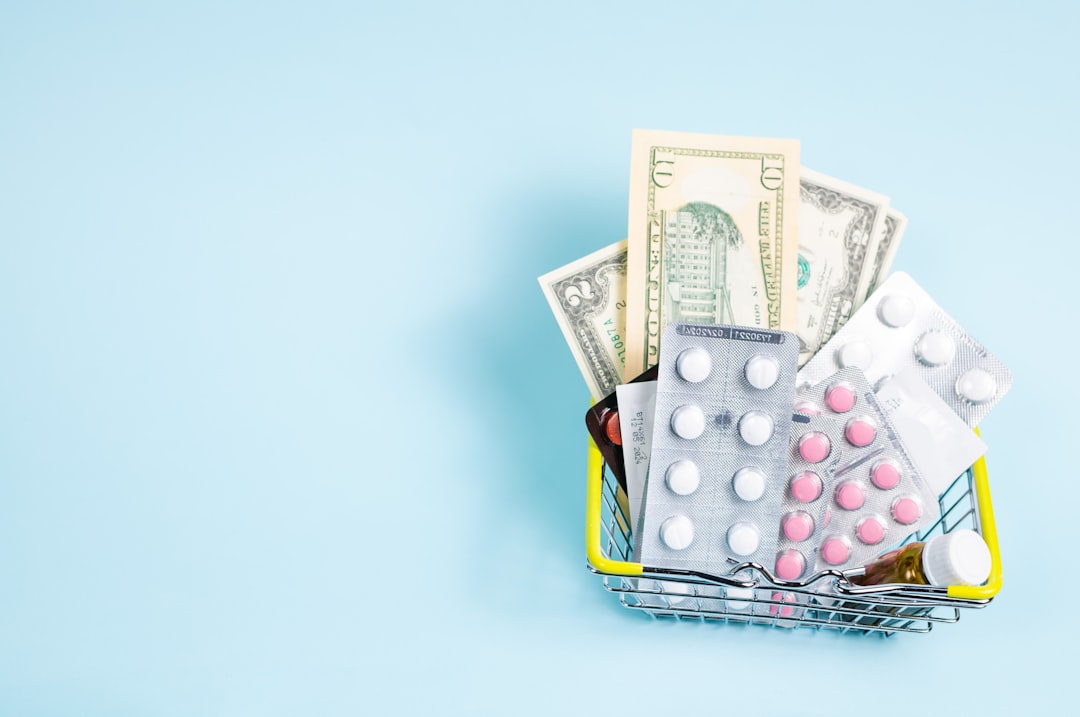
Medicare Part D is a voluntary prescription drug coverage program administered through private insurance companies that have received Medicare approval.
Plan selection should be based on individual medication needs and healthcare requirements.
Medicare Part D plans utilize a tiered formulary system that directly impacts beneficiary costs. Each plan maintains a formulary—an approved list of covered medications—with drugs classified into multiple cost tiers. Lower-tier medications typically require smaller copayments or coinsurance amounts, while higher-tier drugs result in increased out-of-pocket expenses.
The tier placement of specific medications varies between plans and affects the total cost of prescription drug coverage. Understanding formulary structures and tier classifications enables beneficiaries to evaluate potential costs and select appropriate coverage options.
Key Takeaways
- Medicare Part D and patient assistance programs can significantly reduce prescription drug costs.
- Using generic medications and mail order pharmacies offers affordable alternatives.
- Comparing prices across pharmacies and utilizing discount cards or coupons helps save money.
- Discussing medication costs openly with doctors and pharmacists can uncover additional savings.
- Joining savings clubs and exploring state/local assistance programs provide extra financial support.
Utilizing Prescription Discount Cards
Prescription discount cards can be a valuable resource for reducing your medication costs, especially if you find yourself without insurance or if your plan does not cover certain drugs. These cards are often free and can be obtained from various sources, including pharmacies, non-profit organizations, and online platforms. By presenting a discount card at the pharmacy, you may be able to access lower prices on your prescriptions, sometimes even lower than your insurance copay.
It’s important to note that not all pharmacies accept every discount card, so it’s wise to check with your local pharmacy beforehand. Additionally, some discount cards may have restrictions on specific medications or may not cover certain brands. However, by taking the time to research and compare different cards, you can find one that offers significant savings on the medications you need.
This simple step can lead to substantial savings over time, making it easier for you to manage your healthcare budget. For valuable senior prescription savings tips, visit senior prescription savings tips.
Exploring Generic Medication Options
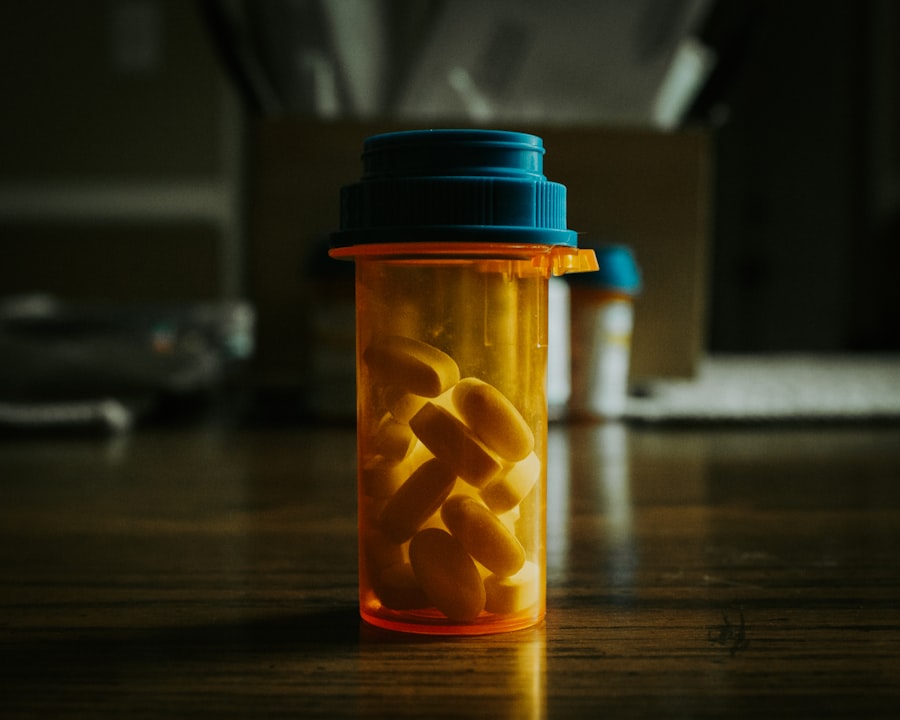
When it comes to managing prescription costs, exploring generic medication options is one of the most effective strategies you can employ. Generic drugs are typically much less expensive than their brand-name counterparts while providing the same therapeutic benefits. The U.S. Food and Drug Administration (FDA) ensures that generics meet the same rigorous standards for quality and efficacy as brand-name drugs, so you can feel confident in their effectiveness. Before filling a prescription, consider discussing with your doctor or pharmacist whether a generic version is available. In many cases, they can provide insights into the availability of generics and help you understand any potential differences in formulation or dosage. By opting for generics whenever possible, you can significantly reduce your out-of-pocket expenses while still receiving the necessary treatment for your health conditions.
Taking Advantage of Mail Order Pharmacies
Mail order pharmacies offer a convenient and often cost-effective way to manage your prescription medications. Many insurance plans provide the option to fill prescriptions through mail order services, which can lead to lower copayments and the convenience of having your medications delivered directly to your home. This is particularly beneficial for individuals who take long-term medications or require regular refills.
Using a mail order pharmacy can also save you time and effort. Instead of making frequent trips to the pharmacy, you can set up automatic refills and receive your medications on a schedule that works for you. Additionally, many mail order pharmacies offer 90-day supplies of medications at a reduced cost compared to traditional pharmacies.
This not only helps you save money but also ensures that you have an adequate supply of your medications without the hassle of frequent refills.
Applying for Patient Assistance Programs
| Tip | Description | Potential Savings | Additional Notes |
|---|---|---|---|
| Use Generic Medications | Opt for generic versions of brand-name drugs which contain the same active ingredients. | Up to 80% less than brand-name drugs | Consult your doctor or pharmacist to ensure generics are appropriate. |
| Compare Pharmacy Prices | Check prices at different pharmacies including local, chain, and online options. | Varies; can save 10-50% | Use online tools or apps to compare prices easily. |
| Ask About Prescription Assistance Programs | Many pharmaceutical companies offer programs to reduce costs for seniors. | Varies; sometimes full or partial coverage | Eligibility requirements apply; inquire directly with manufacturers. |
| Use Mail-Order Pharmacies | Ordering medications by mail can reduce costs and provide convenience. | Up to 20% savings | Check if your insurance plan covers mail-order options. |
| Review Medications Regularly | Have your doctor review your medications to eliminate unnecessary prescriptions. | Potentially significant savings by reducing unused meds | Prevents duplicate therapies and adverse drug interactions. |
| Use Discount Cards or Coupons | Many pharmacies and websites offer discount cards or coupons for prescriptions. | Varies; often 10-30% off | Check legitimacy and expiration dates of coupons. |
| Buy in Bulk When Possible | Purchasing a 90-day supply instead of 30 days can lower per-unit cost. | Up to 15% savings | Ensure medication stability and insurance coverage for bulk purchases. |
If you find yourself struggling to afford your medications despite having insurance, patient assistance programs (PAPs) may be an option worth exploring. Many pharmaceutical companies offer these programs to help individuals who meet specific income and eligibility criteria access their medications at little or no cost. These programs can be particularly beneficial for those who are uninsured or underinsured.
To apply for a patient assistance program, you typically need to provide documentation of your income and other relevant financial information. The application process may vary by company, but many have streamlined their procedures to make it easier for patients to access assistance. If you are unsure where to start, consider reaching out to your healthcare provider or pharmacist for guidance on available programs and how to apply.
Discussing Medication Costs with Your Doctor
Open communication with your doctor about medication costs is essential for managing your healthcare expenses effectively. Many patients hesitate to bring up financial concerns during appointments, but discussing these issues can lead to better treatment options tailored to your budget. Your doctor may be able to prescribe lower-cost alternatives or suggest different treatment plans that align with your financial situation.
Additionally, being transparent about your financial constraints allows your doctor to consider all aspects of your care. They may have insights into patient assistance programs or other resources that could help alleviate some of the financial burden associated with your medications. By fostering an open dialogue about costs, you empower yourself to make informed decisions about your health while ensuring that financial barriers do not hinder your access to necessary treatments.
Comparing Prescription Drug Prices at Different Pharmacies
Not all pharmacies charge the same prices for prescription medications, so taking the time to compare prices can lead to significant savings. Before filling a prescription, consider calling around to different pharmacies in your area or using online tools that allow you to compare prices easily. Some websites and apps provide information on medication costs at various pharmacies, helping you identify where you can get the best deal.
In addition to comparing prices at local pharmacies, don’t forget about big-box retailers and grocery store pharmacies, which often offer competitive pricing on common medications. Some chains even have special programs that provide certain generic drugs at little or no cost. By being proactive in comparing prices, you can make informed choices that help keep your medication costs manageable.
Seeking Out Manufacturer Coupons and Rebates
Many pharmaceutical companies offer coupons and rebates for their medications as a way to make them more affordable for patients. These offers can significantly reduce your out-of-pocket expenses when purchasing brand-name drugs. To find these coupons, visit the manufacturer’s website or look for promotional materials at your pharmacy.
When using manufacturer coupons, it’s essential to read the terms and conditions carefully, as some may have restrictions based on insurance coverage or eligibility criteria. Additionally, some pharmacies may not accept certain coupons, so it’s wise to check with them beforehand. By taking advantage of these savings opportunities, you can lower your medication costs while still receiving the treatments you need.
Joining a Prescription Savings Club
Prescription savings clubs are another avenue worth exploring if you’re looking for ways to cut down on medication costs. These clubs often charge a nominal annual fee in exchange for access to discounted prices on a wide range of prescription drugs. Many major pharmacy chains offer their own savings programs that provide members with significant discounts on both brand-name and generic medications.
Joining a prescription savings club can be particularly beneficial if you take multiple medications regularly. The savings can add up quickly, making it easier for you to manage ongoing healthcare expenses without sacrificing necessary treatments. Before enrolling in a club, be sure to review the list of participating pharmacies and covered medications to ensure it aligns with your needs.
Investigating State and Local Prescription Assistance Programs
In addition to federal programs and manufacturer assistance options, many states and local organizations offer prescription assistance programs designed to help residents access necessary medications at reduced costs.
To find out what programs are available in your area, consider reaching out to local health departments or community organizations focused on healthcare access.
They can provide valuable information about eligibility requirements and application processes for state-specific assistance programs. By tapping into these resources, you can further alleviate the financial burden associated with obtaining necessary prescriptions.
Consulting with a Pharmacist for Cost-Saving Tips
Your pharmacist is an invaluable resource when it comes to managing medication costs effectively. They possess extensive knowledge about various drugs and their pricing structures and can offer personalized advice tailored to your situation. When discussing your prescriptions with your pharmacist, don’t hesitate to ask about potential alternatives or cost-saving strategies.
Pharmacists can also help you navigate insurance coverage issues and identify any available discounts or programs that may apply to your medications. By consulting with them regularly, you can stay informed about new savings opportunities and ensure that you’re making the most cost-effective choices regarding your prescriptions. Their expertise can empower you to take control of your healthcare expenses while ensuring that you receive the necessary treatments for optimal health outcomes.
In conclusion, managing prescription medication costs requires proactive strategies and open communication with healthcare providers. By understanding Medicare Part D, utilizing discount cards, exploring generics, taking advantage of mail order services, applying for assistance programs, discussing costs with doctors, comparing prices at pharmacies, seeking manufacturer coupons, joining savings clubs, investigating local programs, and consulting pharmacists for advice, you can significantly reduce your out-of-pocket expenses while ensuring access to essential medications. Taking these steps will not only ease financial burdens but also enhance your overall health management experience.
For seniors looking to save on prescription costs, it’s essential to explore various strategies and resources available. A helpful article that provides valuable insights and tips on this topic can be found at Explore Senior Health. This resource offers practical advice tailored to the needs of seniors, ensuring they can manage their healthcare expenses more effectively.
WATCH THIS! 🛑 STOP Paying $52 When It’s $6 at the Same Pharmacy
FAQs
What are some common ways seniors can save on prescription medications?
Seniors can save on prescriptions by using generic drugs, enrolling in prescription assistance programs, comparing prices at different pharmacies, using mail-order services, and checking for manufacturer coupons or discounts.
Are there specific programs that help seniors with prescription costs?
Yes, programs like Medicare Part D, state pharmaceutical assistance programs, and nonprofit organizations offer support to seniors to reduce prescription drug costs.
How can seniors find out if a generic version of their medication is available?
Seniors can ask their healthcare provider or pharmacist if a generic equivalent exists, as generic drugs typically cost less and are equally effective.
Is it beneficial for seniors to use mail-order pharmacies?
Mail-order pharmacies often provide medications at lower prices and offer convenience by delivering prescriptions directly to the home, which can help seniors save money and time.
Can seniors negotiate prescription prices with pharmacies?
While not always common, some pharmacies may offer discounts or price matching. It’s worth asking the pharmacist about any available savings or discount programs.
What role does Medicare Part D play in prescription savings for seniors?
Medicare Part D provides prescription drug coverage for eligible seniors, helping to lower out-of-pocket costs for medications through various plans with different formularies and copay structures.
Are there any tips for seniors to avoid unnecessary prescription costs?
Seniors should review their medications regularly with their healthcare provider to ensure all prescriptions are necessary, consider therapeutic alternatives, and avoid duplicate therapies.
How can seniors use discount cards or coupons for prescriptions?
Many pharmacies and drug manufacturers offer discount cards or coupons that seniors can use to reduce the cost of medications. These can often be found online or through healthcare providers.
Is it safe for seniors to split pills to save money?
Pill splitting can reduce costs but should only be done if approved by a healthcare provider, as not all medications are safe or effective when split.
What should seniors do if they cannot afford their prescribed medications?
Seniors should talk to their healthcare provider about alternative medications, seek assistance from prescription aid programs, or consult a pharmacist for cost-saving options.