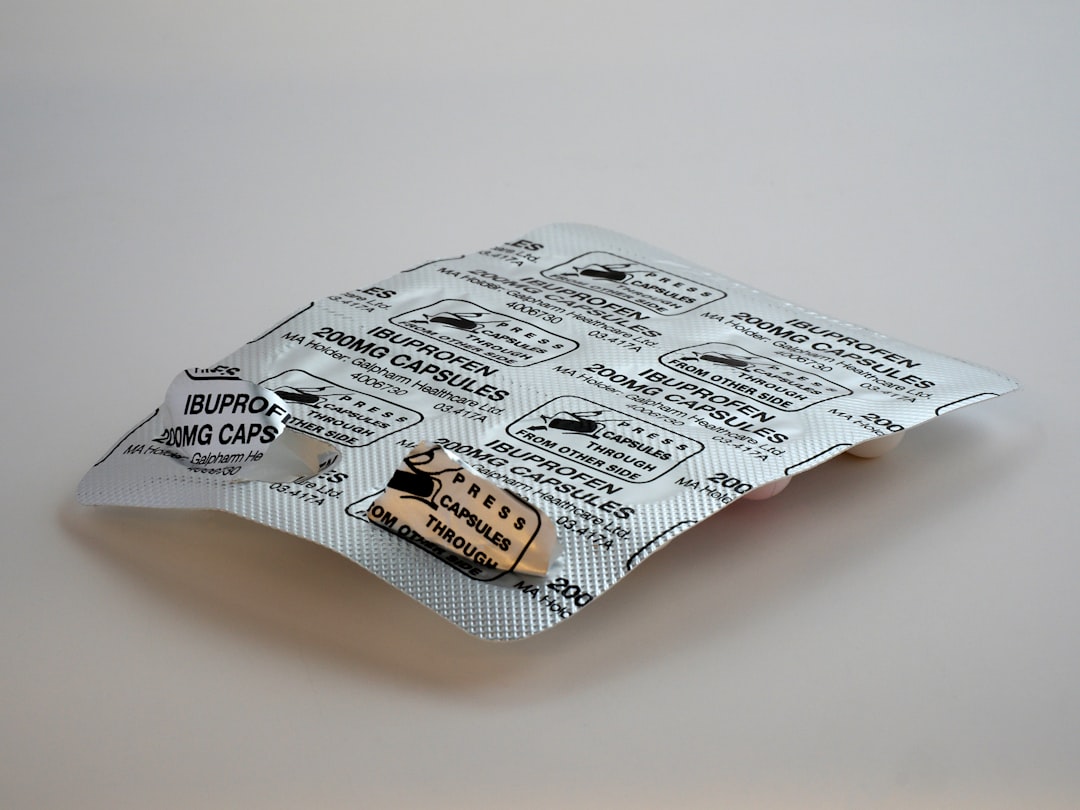
Low income prescription assistance programs provide financial support to individuals and families who cannot afford necessary medications. These programs are administered by pharmaceutical companies, non-profit organizations, and government agencies to reduce barriers to essential medical treatments for economically disadvantaged populations. Prescription assistance programs typically offer medications at significantly reduced costs or at no charge to qualifying participants.
Coverage includes both common prescription drugs and specialized treatments for chronic conditions. Eligibility requirements vary by program but generally consider factors such as household income, insurance status, and medical need. To access these programs, patients must complete application processes that may include income verification, prescription documentation, and healthcare provider authorization.
Many programs operate on sliding fee scales based on federal poverty guidelines, while others establish specific income thresholds for qualification. Understanding program requirements and application procedures is essential for individuals seeking medication assistance.
Key Takeaways
- Low income prescription assistance programs help eligible individuals afford necessary medications.
- Eligibility typically depends on income level, insurance status, and residency requirements.
- Applications often require documentation of income, prescriptions, and personal identification.
- Various types of assistance include discounts, free medications, and copay support.
- Staying informed and advocating can help maximize benefits and adapt to program changes.
Eligibility Requirements for Low Income Prescription Assistance
Eligibility for low income prescription assistance programs typically hinges on several factors, including your income level, household size, and sometimes your specific medical needs. Most programs require that your income falls below a certain threshold, which is often set as a percentage of the federal poverty level. This means that if you are living on a limited income, you may qualify for assistance that can significantly reduce your out-of-pocket costs for medications.
In addition to income requirements, some programs may also consider your insurance status. If you are uninsured or underinsured, you may have a better chance of qualifying for assistance.
It’s essential to review the specific eligibility criteria for each program you consider, as they can vary widely. For valuable senior prescription savings tips, visit senior prescription savings tips.
How to Apply for Low Income Prescription Assistance

Applying for low income prescription assistance can seem daunting, but breaking it down into manageable steps can simplify the process. First, gather all necessary documentation, including proof of income, identification, and any relevant medical records. This information will help demonstrate your need for assistance and support your application.
Many programs also require you to provide details about your current medications and any insurance coverage you may have. Once you have your documents in order, you can begin the application process. Many organizations offer online applications, which can be convenient and efficient.
Be sure to follow all instructions carefully and double-check your application for completeness before submission. After applying, it’s wise to keep track of your application status and follow up if you do not receive a response within a reasonable timeframe.
Types of Prescription Assistance Available for Low Income Individuals
There are various types of prescription assistance available to low income individuals, each catering to different needs and circumstances. One common type is patient assistance programs (PAPs) offered by pharmaceutical companies. These programs often provide free or low-cost medications directly to eligible patients who cannot afford their prescriptions.
If you are prescribed a medication that is covered by a PAP, this could be an excellent option for you. In addition to PAPs, there are also state and federal programs designed to assist low income individuals with their medication costs. For example, Medicaid provides coverage for many low-income individuals and families, while Medicare has specific programs aimed at helping those with limited resources afford their medications.
Furthermore, non-profit organizations often offer grants or financial assistance specifically for prescription costs. Exploring these various options can help you find the best fit for your situation.
Finding Low Income Prescription Assistance Programs in Your Area
| Program Name | Eligibility Criteria | Assistance Type | Application Process | Typical Coverage | Contact Information |
|---|---|---|---|---|---|
| Patient Assistance Programs (PAPs) | Low income, uninsured or underinsured | Free or discounted prescription medications | Online application through pharmaceutical companies | Specific brand-name drugs | Varies by manufacturer |
| State Pharmaceutical Assistance Programs (SPAPs) | Low income seniors and disabled individuals | Co-pay assistance and discounts | State health department application | Medications covered under state formulary | State health agencies |
| Medicaid | Low income families, pregnant women, elderly, disabled | Full or partial coverage of prescriptions | State Medicaid office application | Wide range of medications | State Medicaid offices |
| Discount Card Programs | All income levels, no insurance required | Discounts on prescription drugs | Online or pharmacy enrollment | Most generic and brand medications | Various providers |
| Nonprofit Organizations | Low income individuals with specific conditions | Medication grants or vouchers | Application through nonprofit | Condition-specific medications | Varies by organization |
Finding low income prescription assistance programs in your area can be easier than you might think. A good starting point is to consult with your healthcare provider or pharmacist, as they often have information about local resources and programs available to patients in need. They can guide you toward specific organizations or initiatives that may be able to help with your medication costs.
Additionally, online resources can be invaluable in your search for assistance programs. Websites such as NeedyMeds.org and RxAssist.org provide comprehensive databases of available programs based on your location and specific medication needs. You can also reach out to local health departments or community health centers, which may have information on state-sponsored programs or local non-profits dedicated to helping individuals access affordable medications.
Tips for Maximizing Low Income Prescription Assistance Benefits
To make the most of low income prescription assistance benefits, it’s essential to stay organized and informed about the resources available to you. One effective strategy is to keep a detailed record of all medications you take, including dosages and prescribing doctors. This information will be helpful when applying for assistance and can also aid healthcare providers in managing your treatment plan.
Another tip is to regularly review your eligibility for different programs, as your financial situation or insurance status may change over time. Some programs have annual reapplication processes or require updates on your circumstances. By staying proactive and informed about the options available to you, you can ensure that you continue receiving the support you need for your medications.
Common Misconceptions about Low Income Prescription Assistance
There are several misconceptions surrounding low income prescription assistance that can deter individuals from seeking help. One common myth is that these programs are only available to those who are completely uninsured. In reality, many programs cater to individuals who have insurance but still struggle with high out-of-pocket costs due to high deductibles or co-pays.
If you find yourself in this situation, don’t hesitate to explore available options. Another misconception is that applying for assistance is overly complicated or time-consuming. While there may be some paperwork involved, many organizations strive to make the application process as straightforward as possible.
With the right preparation and understanding of the requirements, you can navigate the process more easily than you might expect.
Advocacy and Support Resources for Low Income Individuals Seeking Prescription Assistance
Advocacy and support resources play a crucial role in helping low income individuals access prescription assistance. Numerous organizations focus on raising awareness about the challenges faced by those struggling with medication costs and work tirelessly to connect individuals with available resources. You may find it beneficial to reach out to local advocacy groups or national organizations dedicated to healthcare access.
These groups often provide valuable information about navigating the healthcare system and can assist with applications for various assistance programs. They may also offer workshops or informational sessions that empower individuals with knowledge about their rights and available resources. Engaging with these advocacy networks can enhance your understanding of the options at your disposal and help ensure that you receive the support you need.
Understanding the Application Process for Low Income Prescription Assistance
Understanding the application process for low income prescription assistance is vital for successfully securing the help you need. As mentioned earlier, gathering necessary documentation is one of the first steps in this process. This includes proof of income, identification documents, and any relevant medical records that demonstrate your need for assistance.
Once you’ve compiled your documents, familiarize yourself with the specific application requirements of each program you’re interested in. Some may require online submissions while others might necessitate paper applications sent via mail. Pay close attention to deadlines and any additional information requested during the application process.
Being thorough and timely in your submissions will increase your chances of receiving assistance promptly.
Utilizing Low Income Prescription Assistance for Long-Term Medication Needs
If you have long-term medication needs due to chronic conditions or ongoing health issues, utilizing low income prescription assistance can be particularly beneficial. Many programs are designed not only for short-term relief but also for individuals requiring consistent access to medications over an extended period. By securing assistance early on, you can ensure that your treatment remains uninterrupted.
It’s important to maintain communication with both your healthcare provider and the assistance program once you’ve been approved for support. Regular check-ins can help address any changes in your health status or medication needs that may arise over time. Additionally, staying informed about any updates or changes in program policies will help you continue receiving the necessary support without interruption.
Navigating Changes in Low Income Prescription Assistance Programs
Navigating changes in low income prescription assistance programs can be challenging but is essential for maintaining access to necessary medications. Programs may undergo modifications due to shifts in funding, policy changes, or updates in eligibility criteria. Staying informed about these changes is crucial so that you can adapt accordingly.
One effective way to keep abreast of changes is by subscribing to newsletters or alerts from organizations that provide prescription assistance information. Additionally, maintaining open lines of communication with healthcare providers can help ensure that you’re aware of any new resources or adjustments in existing programs that could impact your access to medications. By being proactive and adaptable, you can continue to secure the support needed for your health and well-being despite any changes in the landscape of prescription assistance programs.
For individuals seeking low-income prescription assistance, it’s essential to explore various resources that can help alleviate the financial burden of medications. One valuable article that provides insights into available programs and support is found at this link. This resource outlines different options for seniors and low-income individuals, ensuring that everyone has access to the medications they need for their health and well-being.
WATCH THIS! 🛑 STOP Paying $52 When It’s $6 at the Same Pharmacy
FAQs
What is low income prescription assistance?
Low income prescription assistance refers to programs and resources designed to help individuals with limited financial means afford their prescription medications. These programs may offer discounts, free medications, or financial aid to reduce the cost burden.
Who qualifies for low income prescription assistance?
Eligibility criteria vary by program but generally include income limits based on federal poverty guidelines, lack of insurance coverage, or specific medical conditions. Some programs also consider factors like age, disability status, or residency.
How can I apply for prescription assistance programs?
Applications can typically be submitted online, by mail, or through healthcare providers. Required documentation often includes proof of income, identification, and prescription details. Some pharmaceutical companies and nonprofit organizations provide direct application support.
Are there government programs that help with prescription costs?
Yes, programs such as Medicaid, Medicare Part D, and the State Pharmaceutical Assistance Programs (SPAPs) help eligible low income individuals cover prescription drug costs. Each program has its own eligibility requirements and application process.
Do pharmaceutical companies offer assistance for low income patients?
Many pharmaceutical companies have patient assistance programs (PAPs) that provide free or discounted medications to eligible low income patients. These programs often require an application and proof of financial need.
Can I get help if I don’t have health insurance?
Yes, many prescription assistance programs are specifically designed for uninsured individuals. These programs aim to make medications affordable regardless of insurance status.
Are there community resources for prescription assistance?
Yes, community health centers, nonprofit organizations, and local charities often provide prescription assistance or can help connect individuals to available programs.
Is prescription assistance available for all types of medications?
Availability varies. Some programs focus on specific medications or chronic conditions, while others offer broader assistance. It is important to check the details of each program to see if your medication is covered.
Can prescription assistance programs be used alongside insurance?
In many cases, yes. Some programs can be used in conjunction with insurance to reduce out-of-pocket costs. However, some assistance programs require that you have no insurance coverage for the medication.
Where can I find more information about low income prescription assistance?
Information can be found through government health websites, pharmaceutical company websites, nonprofit organizations, healthcare providers, and local community health centers. Online databases and helplines also offer guidance on available programs.