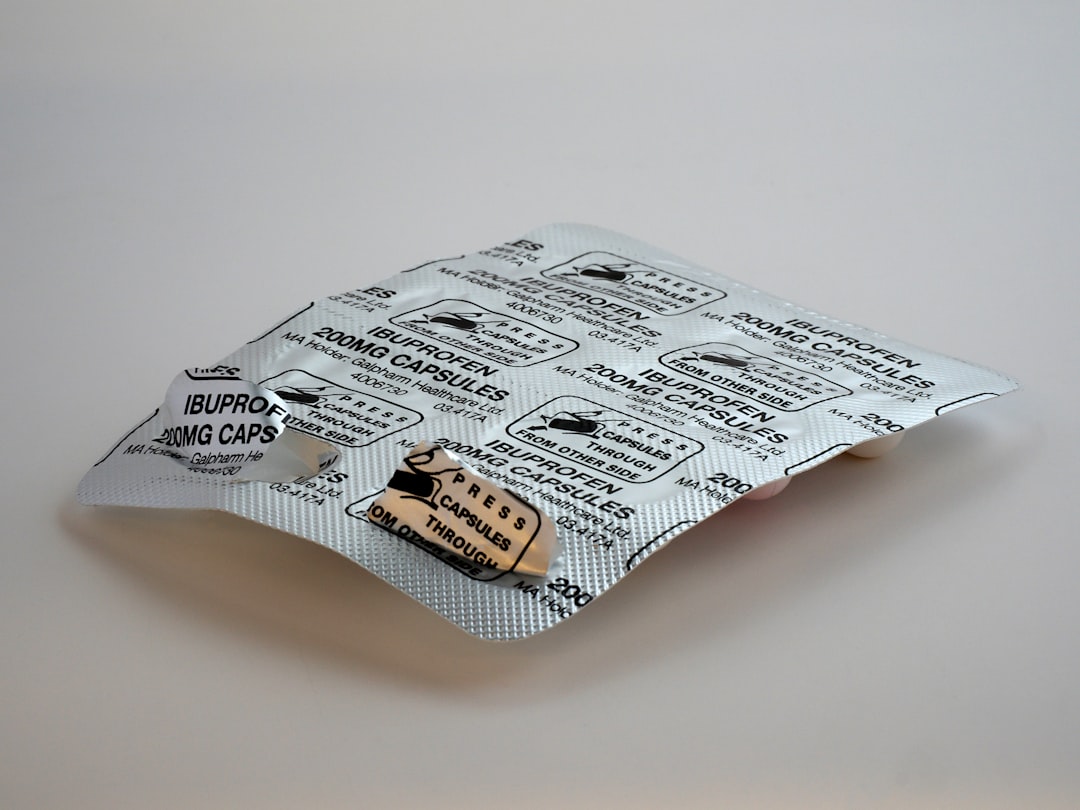
Prescription assistance programs (PAPs) are initiatives that provide financial support to individuals who cannot afford their medications. These programs offer access to necessary treatments that may be financially inaccessible due to high prescription costs. PAPs are administered by pharmaceutical companies, non-profit organizations, and government agencies at state and federal levels.
The primary objective of these programs is to reduce the financial burden of prescription medications and ensure continued access to essential treatments. PAPs encompass medications ranging from common prescriptions to specialized treatments for chronic medical conditions. Program participants may receive medications at reduced costs or free of charge, based on their financial circumstances and program-specific criteria.
These programs differ substantially in eligibility requirements, application procedures, and medication coverage. Each program operates under distinct guidelines that determine qualification standards and benefits provided to participants.
Key Takeaways
- Prescription assistance programs help reduce medication costs for eligible patients through various support options.
- Eligibility typically depends on income, insurance status, and specific health conditions.
- Applying involves gathering documentation, completing forms, and sometimes working with healthcare providers.
- Combining multiple assistance programs and using manufacturer coupons can maximize savings.
- Staying proactive by monitoring benefits, renewing on time, and exploring alternative medications ensures ongoing support.
Eligibility Criteria for Patient Assistance Programs
When considering applying for a patient assistance program, it’s vital to understand the eligibility criteria that govern these initiatives. Generally, most programs require applicants to demonstrate financial need, which is often assessed through income levels relative to the federal poverty line. You may need to provide documentation such as tax returns, pay stubs, or bank statements to verify your financial situation.
Beyond financial criteria, certain programs may also consider your medical condition and the specific medications you require. Some PAPs are tailored for individuals with particular diseases or conditions, while others may focus on specific drug classes.
It’s essential to carefully review each program’s guidelines to determine if you meet their criteria. Understanding these requirements can save you time and effort in the application process and increase your chances of receiving assistance. For valuable senior prescription savings tips, visit senior prescription savings tips.
How to Apply for Prescription Assistance

Applying for prescription assistance can seem daunting, but breaking it down into manageable steps can simplify the process. First, you should identify the specific programs that align with your needs. This may involve researching various pharmaceutical companies’ websites or consulting with healthcare providers who can guide you toward appropriate resources.
Once you’ve identified potential programs, gather all necessary documentation to support your application. The application process itself may vary from one program to another. Some may require you to fill out a paper application and submit it via mail, while others might offer online applications for convenience.
Be sure to follow all instructions carefully and provide accurate information to avoid delays in processing your application. After submitting your application, it’s wise to follow up with the program’s customer service or support team to confirm receipt and inquire about the timeline for decisions.
Tips for Maximizing Benefits from Patient Programs
To make the most of prescription assistance programs, consider a few strategic tips that can enhance your experience and benefits. First, stay organized by keeping a dedicated folder for all documents related to your applications and communications with program representatives. This will help you track deadlines and ensure that you have everything you need at your fingertips when required.
Additionally, don’t hesitate to reach out for help if you’re unsure about any aspect of the application process. Many organizations offer support services that can guide you through the paperwork and answer any questions you may have. Engaging with these resources can not only streamline your application but also provide valuable insights into maximizing your benefits from the program.
Navigating the Enrollment Process
| Program Name | Eligibility Criteria | Types of Medications Covered | Application Process | Average Wait Time | Contact Information |
|---|---|---|---|---|---|
| Patient Assistance Program (PAP) | Income below 200% federal poverty level, uninsured or underinsured | Chronic disease medications, cancer drugs, HIV/AIDS treatments | Online application with proof of income and prescription | 2-4 weeks | 1-800-555-1234, pap@healthcare.org |
| RxHelp Foundation | Residents of the US, income verification required | Generic and brand-name medications for diabetes, hypertension | Submit application via website or mail with physician’s prescription | 1-3 weeks | support@rxhelp.org, 1-888-999-4567 |
| MedAssist Program | Low-income seniors and disabled individuals | Medications for arthritis, cardiovascular diseases, mental health | In-person or online application with documentation | 3-5 weeks | medassist@programs.net, 1-877-222-7890 |
| PharmaCare Patient Support | Uninsured patients with chronic conditions | Specialty drugs, biologics, and vaccines | Online portal submission with healthcare provider verification | 1-2 weeks | help@pharmacare.com, 1-866-333-1010 |
Once you’ve applied for a prescription assistance program, navigating the enrollment process is the next crucial step. This phase often involves waiting for a response regarding your application status, which can vary in duration depending on the program’s workload and policies. During this time, it’s essential to remain proactive; keep track of any communication from the program and respond promptly if they request additional information or documentation.
If you’re approved for assistance, familiarize yourself with the specifics of what that entails. Some programs may provide medications directly through pharmacies, while others might send them to your home or require you to pick them up at designated locations. Understanding how the program operates will help you avoid any surprises when it comes time to access your medications.
Leveraging Multiple Assistance Programs

In many cases, you may find that you’re eligible for more than one prescription assistance program. This can be an excellent opportunity to maximize your benefits and reduce out-of-pocket costs significantly. However, managing multiple applications can be complex, so it’s essential to stay organized and keep track of each program’s requirements and timelines.
When leveraging multiple assistance programs, be transparent about your applications with each organization. Some programs may have policies regarding concurrent applications, so it’s crucial to understand their rules to avoid any potential issues. By strategically combining resources, you can create a comprehensive support system that addresses your medication needs effectively.
Utilizing Manufacturer Coupons and Rebates
In addition to patient assistance programs, many pharmaceutical companies offer coupons and rebates that can further reduce your medication costs. These coupons are often available on manufacturers’ websites or through healthcare providers and can provide significant savings on brand-name drugs. If you’re prescribed a medication that has a coupon available, be sure to ask your pharmacist about applying it at the point of sale.
Rebates can also be an effective way to lower costs after you’ve purchased a medication. Some manufacturers allow you to submit receipts for reimbursement after buying their products at retail prices. While this process may require some additional effort on your part, it can lead to substantial savings over time.
Finding Additional Financial Assistance Resources
Beyond prescription assistance programs and manufacturer coupons, there are numerous additional resources available that can help alleviate the financial burden of medications. Non-profit organizations often provide grants or financial aid specifically for individuals struggling with healthcare costs. Researching local charities or national organizations focused on health-related issues can uncover valuable resources tailored to your situation.
Additionally, community health centers may offer sliding scale fees based on income for medical services and prescriptions. These centers often have staff who are knowledgeable about available assistance programs and can help guide you through the process of obtaining financial aid for medications.
Managing Prescription Costs with Generic and Alternative Medications
One effective strategy for managing prescription costs is considering generic or alternative medications whenever possible. Generic drugs are typically much less expensive than their brand-name counterparts while providing the same therapeutic benefits. If you’re prescribed a medication, ask your healthcare provider if a generic version is available or if there are alternative treatments that could be more affordable.
It’s also worth discussing with your doctor any potential lifestyle changes or over-the-counter options that could serve as substitutes for prescription medications. In some cases, lifestyle modifications such as diet changes or exercise regimens can significantly reduce reliance on medications altogether.
Monitoring and Renewing Assistance Program Benefits
Once you’ve successfully enrolled in a prescription assistance program, it’s essential to monitor your benefits regularly. Many programs require annual renewals or periodic updates regarding your financial situation and medical needs. Staying on top of these requirements will ensure that you continue receiving assistance without interruption.
Set reminders for renewal dates and gather any necessary documentation well in advance of deadlines. This proactive approach will help you avoid lapses in coverage and ensure that you have continuous access to the medications you need.
Advocating for Improved Access to Prescription Assistance
As you navigate the world of prescription assistance programs, consider becoming an advocate for improved access within your community. Sharing your experiences with others who may be struggling can raise awareness about available resources and encourage those in need to seek help. Additionally, advocating for policy changes at local or national levels can contribute to broader improvements in access to affordable medications.
Engaging with local health organizations or participating in community forums can amplify your voice and connect you with others who share similar goals. By working together, you can help create a more supportive environment for individuals facing challenges in accessing necessary medications. In conclusion, understanding prescription assistance programs is crucial for anyone facing difficulties affording their medications.
By familiarizing yourself with eligibility criteria, application processes, and available resources, you can take proactive steps toward securing the support you need. Whether through leveraging multiple programs or advocating for improved access within your community, every effort contributes to a more equitable healthcare landscape where everyone has access to essential treatments.
Prescription assistance patient programs play a crucial role in helping individuals access necessary medications without financial strain. For more information on how these programs can benefit seniors, you can read a related article on senior health at Explore Senior Health. This resource provides valuable insights into various health-related topics, including the importance of medication access for older adults.
WATCH THIS! 🛑 STOP Paying $52 When It’s $6 at the Same Pharmacy
FAQs
What are prescription assistance patient programs?
Prescription assistance patient programs are initiatives designed to help individuals obtain medications at reduced costs or for free. These programs are often sponsored by pharmaceutical companies, non-profit organizations, or government agencies to support patients who cannot afford their prescriptions.
Who is eligible for prescription assistance programs?
Eligibility criteria vary by program but generally include factors such as income level, insurance status, residency, and medical condition. Many programs target uninsured or underinsured patients, seniors, or those with chronic illnesses.
How can I apply for a prescription assistance program?
Applications typically require completing a form that includes personal information, proof of income, and details about your medical condition and prescriptions. Some programs allow online applications, while others may require paper forms or assistance from healthcare providers.
Are prescription assistance programs available for all medications?
No, not all medications are covered. Most programs focus on specific drugs produced by the sponsoring pharmaceutical company or medications for certain conditions. It is important to check the program’s formulary or list of covered medications.
Do prescription assistance programs require insurance?
Many programs are designed for individuals without insurance or with limited coverage. Some may require that you have tried other coverage options first, while others do not require insurance at all.
Is there a cost to participate in prescription assistance programs?
Most prescription assistance programs provide medications at low or no cost to eligible patients. However, some programs may require a nominal fee or co-payment.
Can healthcare providers help with prescription assistance programs?
Yes, healthcare providers, pharmacists, and social workers often assist patients in identifying and applying for appropriate prescription assistance programs.
How long does it take to receive medications through these programs?
Processing times vary by program but can range from a few days to several weeks. It is advisable to apply as early as possible to avoid interruptions in medication.
Are prescription assistance programs available nationwide?
Many programs operate nationwide, but some may be limited to specific states or regions. It is important to verify the geographic availability of each program.
Where can I find more information about prescription assistance programs?
Information can be found on pharmaceutical company websites, non-profit organizations like NeedyMeds or RxAssist, government health websites, and through healthcare providers.