
Type I collagen is a structural protein found throughout the body, comprising approximately 90% of total collagen. It is the primary component of skin, bones, tendons, and connective tissues, where it provides structural support and mechanical strength. With advancing age, collagen synthesis naturally decreases, resulting in visible changes to skin appearance including reduced elasticity, increased wrinkles, and skin laxity.
Type I collagen contributes to skin function beyond structural support. It helps maintain skin hydration and barrier function. Adequate collagen levels enable the skin to better resist environmental damage from ultraviolet radiation and air pollution, which are known to accelerate skin aging processes.
Maintaining or replenishing Type I collagen through dietary, topical, or supplemental approaches may help preserve skin firmness and elasticity over time.
Key Takeaways
- Type I collagen is essential for maintaining skin elasticity, firmness, and overall health.
- It helps prevent wrinkles and fine lines by supporting skin structure and hydration.
- Natural sources and supplements of Type I collagen can effectively boost skin collagen levels.
- Incorporating collagen-rich foods and skincare products enhances collagen production and skin repair.
- Understanding supplement forms and potential side effects ensures safe and effective collagen use.
The Benefits of Type I Collagen for Skin
The benefits of Type I collagen for your skin are numerous and impactful. One of the most significant advantages is its ability to enhance skin hydration. Collagen helps to retain moisture within the skin, preventing dryness and promoting a plump, youthful appearance.
When your skin is well-hydrated, it not only looks better but also feels softer and more comfortable. This hydration is essential for maintaining a healthy skin barrier, which protects against external irritants and pollutants. In addition to hydration, Type I collagen contributes to improved skin texture and tone.
As you incorporate this protein into your skincare routine, you may notice a reduction in rough patches and an overall smoother complexion. Furthermore, Type I collagen can help to minimize the appearance of pores, giving your skin a more refined look. With consistent use, you may find that your skin feels more resilient and looks more radiant, making it an invaluable addition to your beauty arsenal. You can find a delicious recipe for fish broth that is both flavorful and easy to prepare.
The Ultimate Source of Type I Collagen for Skin Health
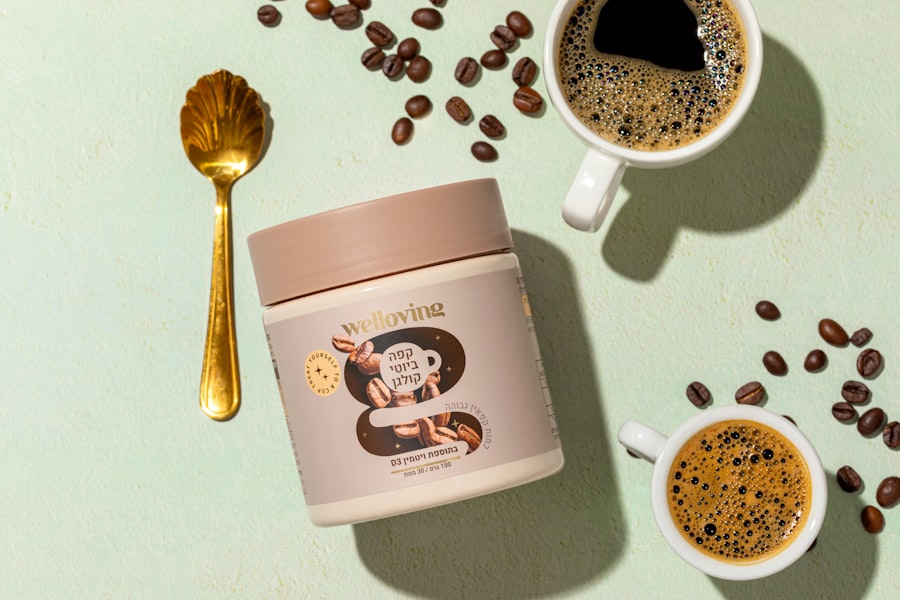
When it comes to sourcing Type I collagen for your skin health, there are several options available. One of the most effective ways to boost your collagen levels is through dietary sources. Bone broth, for instance, is rich in collagen and provides essential amino acids that support its production in your body.
Additionally, fish and shellfish are excellent sources of marine collagen, which is known for its high bioavailability and effectiveness in promoting skin health. In addition to dietary sources, collagen supplements have gained popularity in recent years. These supplements come in various forms, including powders, capsules, and liquid formulations.
They are often derived from bovine or marine sources and can be easily incorporated into your daily routine. By choosing high-quality collagen supplements, you can ensure that you are providing your body with the necessary building blocks to support healthy skin.
How Type I Collagen Improves Skin Elasticity and Firmness
One of the most remarkable benefits of Type I collagen is its ability to improve skin elasticity and firmness. As you age, the natural production of collagen decreases, leading to a loss of elasticity that can result in sagging skin. By supplementing with Type I collagen or incorporating it into your skincare routine, you can help restore that lost elasticity.
This restoration not only enhances your skin’s appearance but also contributes to a more youthful feel. The mechanism behind this improvement lies in collagen’s role as a structural protein. It forms a network within the dermis layer of your skin, providing support and stability.
When you introduce Type I collagen into your body—whether through diet or supplements—it stimulates the production of new collagen fibers. This process helps to reinforce the existing structure of your skin, making it firmer and more resilient against the effects of aging.
The Role of Type I Collagen in Preventing Wrinkles and Fine Lines
| Source | Type I Collagen Content | Bioavailability | Common Uses | Notes |
|---|---|---|---|---|
| Bovine Hide | High | Good | Supplements, Gelatin, Cosmetics | Rich in Type I collagen, widely used in supplements |
| Fish Skin (Marine Collagen) | High | Very High | Supplements, Skincare Products | Smaller peptides, better absorption, preferred for skin health |
| Pork Skin | Moderate to High | Good | Gelatin, Supplements | Common in gelatin production, good source of Type I collagen |
| Eggshell Membrane | Moderate | Moderate | Supplements | Contains Type I collagen along with other proteins |
| Chicken Tendon | High | Good | Supplements | Rich in Type I collagen, often used in hydrolyzed collagen |
Wrinkles and fine lines are often seen as inevitable signs of aging; however, Type I collagen can play a significant role in their prevention. As mentioned earlier, collagen is essential for maintaining skin elasticity and firmness. When your skin has adequate levels of Type I collagen, it is better equipped to resist the formation of wrinkles and fine lines that typically arise from repetitive facial movements and environmental stressors.
Moreover, Type I collagen helps to maintain the overall hydration of your skin. Well-hydrated skin is less prone to developing fine lines because it retains its plumpness and suppleness. By ensuring that you have sufficient Type I collagen in your system—whether through dietary sources or supplements—you can create a protective barrier against premature aging signs.
This proactive approach allows you to enjoy smoother, more youthful-looking skin for years to come.
Understanding the Different Forms of Type I Collagen Supplements
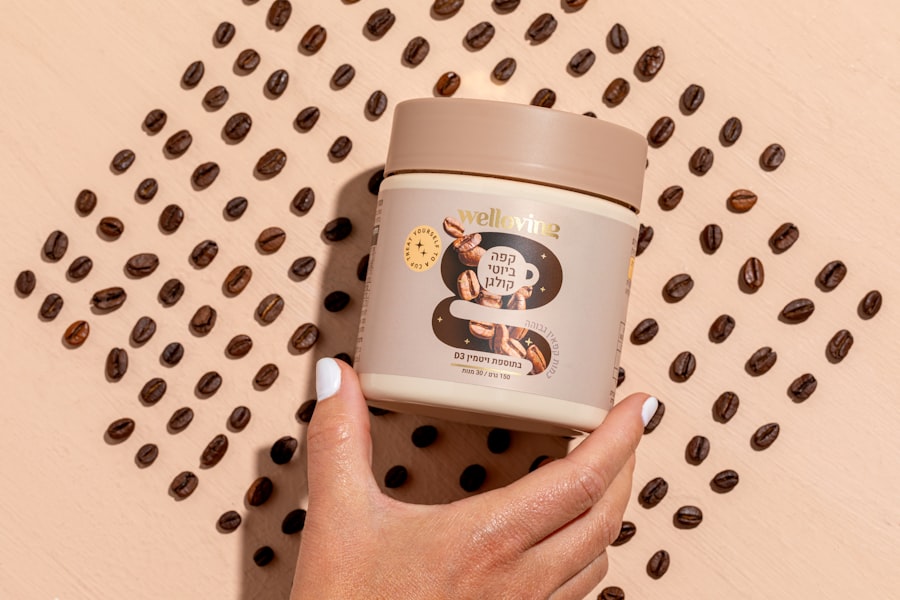
When considering Type I collagen supplements, it’s essential to understand the various forms available on the market. Hydrolyzed collagen peptides are among the most popular options due to their high bioavailability. These peptides are broken down into smaller molecules that are easily absorbed by your body, making them effective for promoting skin health.
Another form of Type I collagen supplement is gelatin, which is derived from cooked collagen. While gelatin can also provide benefits for your skin, it may not be as easily absorbed as hydrolyzed collagen peptides. Additionally, some supplements come in liquid form or as part of beauty drinks that combine other beneficial ingredients like vitamins and minerals.
Choosing the right form depends on your personal preferences and lifestyle; however, it’s crucial to select high-quality products from reputable brands to ensure maximum effectiveness.
How to Incorporate Type I Collagen into Your Skincare Routine
Incorporating Type I collagen into your skincare routine can be both simple and rewarding. One effective method is to use topical products that contain collagen or its derivatives. Many serums and creams are formulated with hydrolyzed collagen or peptides designed to penetrate the skin barrier effectively.
By applying these products regularly, you can directly nourish your skin with the benefits of Type I collagen. In addition to topical applications, consider adding collagen supplements to your daily regimen. Whether you choose powders that can be mixed into smoothies or capsules that are easy to take on-the-go, consistency is key.
Aim for daily intake to see noticeable improvements in your skin’s texture and appearance over time. By combining both topical treatments and oral supplements, you can maximize the benefits of Type I collagen for comprehensive skin health.
The Best Foods for Naturally Boosting Type I Collagen Production
While supplements can be beneficial, incorporating specific foods into your diet can naturally boost your body’s production of Type I collagen. Foods rich in vitamin C—such as citrus fruits, strawberries, bell peppers, and broccoli—are essential because vitamin C plays a crucial role in collagen synthesis. Including these foods in your meals can help support your body’s ability to produce this vital protein.
Additionally, consider adding foods high in amino acids like proline and glycine to your diet. Sources such as chicken skin, egg whites, dairy products, and legumes provide these essential building blocks for collagen production. Furthermore, foods rich in antioxidants—like berries and leafy greens—can help protect existing collagen from damage caused by free radicals.
By focusing on a balanced diet rich in these nutrients, you can enhance your body’s natural ability to produce Type I collagen.
Type I Collagen and its Role in Wound Healing and Scar Reduction
Type I collagen plays a pivotal role in wound healing and scar reduction due to its structural properties. When you experience an injury or cut, your body initiates a healing process that involves the production of collagen fibers to repair damaged tissue. Type I collagen is particularly important during this phase because it provides strength and support to the newly formed tissue.
Moreover, studies have shown that adequate levels of Type I collagen can help minimize scarring after wounds heal. By promoting proper healing and tissue regeneration, this protein aids in creating smoother scars that blend more seamlessly with surrounding skin. Whether you’re dealing with surgical scars or minor cuts, ensuring sufficient Type I collagen levels can significantly impact the healing process.
The Science Behind Type I Collagen and its Impact on Skin Health
The science behind Type I collagen’s impact on skin health is rooted in its biochemical properties. Collagen fibers form a dense network within the dermis layer of your skin, providing structural support that helps maintain firmness and elasticity. As you age or experience environmental stressors like UV exposure or pollution, this network begins to break down—leading to visible signs of aging.
Research has demonstrated that supplementing with Type I collagen can stimulate fibroblast activity—the cells responsible for producing new collagen fibers—thereby enhancing overall skin health. Additionally, studies have shown that oral supplementation with hydrolyzed collagen can lead to improved hydration levels and reduced wrinkle depth over time. Understanding this scientific foundation empowers you to make informed choices about incorporating Type I collagen into your skincare routine.
Potential Side Effects and Precautions When Using Type I Collagen for Skin Benefits
While Type I collagen is generally considered safe for most individuals when taken as directed, it’s essential to be aware of potential side effects and precautions. Some people may experience mild digestive discomfort when consuming collagen supplements—especially if they are new to them or take them on an empty stomach. If you notice any adverse reactions, consider adjusting the dosage or trying a different form of supplementation.
Additionally, if you have allergies or sensitivities to specific sources of collagen—such as fish or bovine products—it’s crucial to choose supplements that align with your dietary restrictions. Always consult with a healthcare professional before starting any new supplement regimen, especially if you have underlying health conditions or are pregnant or breastfeeding. By taking these precautions into account, you can safely enjoy the numerous benefits that Type I collagen has to offer for your skin health.
For those interested in learning more about the best sources of Type I collagen, you may find the article on senior health particularly insightful.
You can read it here: Best Sources of Type I Collagen.
WATCH THIS! 💪 Say Goodbye to Weakness: Fish Skin Broth Fights Sarcopenia Better Than Bone Broth!
FAQs
What is Type I collagen?
Type I collagen is the most abundant collagen type in the human body. It is a structural protein found primarily in skin, tendons, bones, and other connective tissues, providing strength and support.
Why is Type I collagen important?
Type I collagen plays a crucial role in maintaining the integrity and elasticity of skin, promoting bone strength, and supporting the health of tendons and ligaments. It is essential for wound healing and tissue repair.
What are the best natural sources of Type I collagen?
The best natural sources of Type I collagen include animal-based foods such as bone broth, chicken skin, pork skin, fish skin, and connective tissues. These foods contain collagen or collagen precursors that support the body’s collagen production.
Can plant-based foods provide Type I collagen?
Plant-based foods do not contain collagen directly, but they can support collagen synthesis by providing nutrients like vitamin C, proline, and glycine. Examples include citrus fruits, berries, leafy greens, nuts, and seeds.
Are collagen supplements effective sources of Type I collagen?
Collagen supplements, often derived from bovine, porcine, or marine sources, provide hydrolyzed collagen peptides that may support the body’s collagen production. Their effectiveness can vary based on formulation and individual absorption.
How does the body produce Type I collagen?
The body synthesizes Type I collagen by assembling amino acids, primarily glycine, proline, and hydroxyproline, into collagen fibers. This process requires adequate nutrition, including vitamin C, which is essential for collagen cross-linking.
Is bone broth a good source of Type I collagen?
Yes, bone broth is considered a rich source of collagen, including Type I collagen, as it is made by simmering animal bones and connective tissues, which release collagen into the broth.
Can consuming collagen-rich foods improve skin health?
Consuming collagen-rich foods or supplements may support skin elasticity and hydration by providing the necessary building blocks for collagen synthesis, although individual results can vary.
Are there any risks associated with collagen supplementation?
Collagen supplements are generally considered safe for most people. However, individuals with allergies to the source animal or those with specific health conditions should consult a healthcare provider before use.
How can I maximize my body’s production of Type I collagen?
To maximize collagen production, maintain a balanced diet rich in protein, vitamin C, zinc, and copper, avoid excessive sun exposure and smoking, and consider collagen supplements if appropriate. Regular exercise also supports healthy connective tissue.