Fish skin broth is a nutrient-rich liquid produced by simmering fish skins, typically with bones and complementary ingredients, to extract flavors, nutrients, and gelatin. This broth represents both a culinary ingredient and a sustainable cooking practice, as it makes use of fish parts that are conventionally discarded. Fish skin contains natural collagen and minerals that transfer into the liquid during extended cooking, creating a nutrient-dense base suitable for soups, sauces, and stews.
The preparation method resembles traditional bone broth production, utilizing slow-cooking techniques to maximize the extraction of collagen and minerals. This process typically requires several hours of gentle simmering to achieve optimal results. Fish skin broth has been utilized in various cultures for centuries, valued for both its nutritional composition and flavor profile.
The broth provides depth and complexity to dishes while supporting sustainable cooking practices by reducing food waste. Its versatility makes it applicable to numerous culinary applications, from foundational stocks to finished dishes.
The benefits of fish skin broth extend beyond its delightful flavor; it is packed with nutrients that can contribute to your overall health. Rich in collagen, this broth supports skin elasticity and joint health, making it an excellent addition to your diet if you’re looking to improve your skin’s appearance or reduce joint pain. Collagen is known for its ability to promote healthy hair and nails as well, making fish skin broth a beauty elixir in its own right.
Moreover, fish skin broth is an excellent source of omega-3 fatty acids, which are essential for heart health and cognitive function. These healthy fats can help reduce inflammation in the body and support brain health. Additionally, the minerals extracted from the fish bones during the cooking process, such as calcium and magnesium, contribute to bone strength and overall well-being.
By incorporating fish skin broth into your meals, you’re not only enhancing flavor but also nourishing your body with vital nutrients.
You can find a delicious recipe for
When it comes to making fish skin broth, selecting the right type of fish is crucial for achieving the best flavor and nutritional profile. Fatty fish like salmon, mackerel, or sardines are excellent choices due to their rich oils and robust flavors. These types of fish not only provide a deeper taste but also yield more beneficial omega-3 fatty acids.
On the other hand, leaner fish such as cod or haddock can also be used if you prefer a lighter broth. It’s important to consider the source of your fish as well. Opting for wild-caught fish is often recommended over farmed varieties due to concerns about contaminants and environmental sustainability.
When purchasing fish skins, look for fresh options from reputable sources to ensure quality. If you have access to a local fish market or a trusted seafood supplier, you can often find high-quality skins that will enhance your broth’s flavor and nutritional value.
Preparing and Cleaning Fish Skin for Broth
Before you can create your delicious fish skin broth, proper preparation and cleaning of the fish skins are essential steps. Start by rinsing the skins under cold water to remove any residual scales or impurities. This initial rinse helps ensure that your broth will have a clean taste without any unwanted flavors.
After rinsing, pat the skins dry with a paper towel to remove excess moisture. Once cleaned, you may want to trim any excess fat or remaining flesh from the skins. While some fat can add richness to your broth, too much can result in an overly greasy texture.
If you’re using skins from fatty fish like salmon, be mindful of the amount of fat you leave on. After trimming, your fish skins are ready to be added to your pot for simmering, setting the stage for a flavorful and nutritious broth.
Cooking Fish Skin Broth: Methods and Techniques
| Step |
Action |
Details |
Time |
Temperature |
Notes |
| 1 |
Clean Fish Skin |
Remove scales and any remaining flesh |
5-10 minutes |
Room temperature |
Use a knife or scaler to remove scales carefully |
| 2 |
Rinse |
Rinse skin under cold running water |
2-3 minutes |
Cold water |
Ensure all blood and impurities are washed off |
| 3 |
Blanch |
Boil water and blanch fish skin briefly |
1-2 minutes |
100°C (212°F) |
Helps remove odors and impurities |
| 4 |
Simmer for Broth |
Simmer fish skin with aromatics and water |
30-60 minutes |
85-95°C (185-203°F) |
Do not boil vigorously to avoid bitterness |
| 5 |
Strain Broth |
Remove fish skin and solids from broth |
5 minutes |
Hot |
Use fine mesh strainer for clarity |
| 6 |
Cool and Store |
Cool broth quickly and refrigerate or freeze |
Until cooled |
Room temperature to cold |
Store in airtight container |
Cooking fish skin broth can be done using various methods, each offering unique advantages. One popular technique is the stovetop method, where you simmer the cleaned fish skins in water along with aromatics like onions, garlic, and herbs. This method allows for precise control over the cooking temperature and time, ensuring that you extract maximum flavor from the skins without overcooking them.
Alternatively, you might consider using a slow cooker or an Instant Pot for convenience. These methods allow you to set it and forget it while still achieving a rich broth. In a slow cooker, you can let the ingredients meld together over several hours, resulting in a deeply flavored liquid.
An Instant Pot can significantly reduce cooking time while still producing a delicious broth. Regardless of the method you choose, aim for a simmer rather than a rolling boil to prevent cloudiness in your final product.
Flavoring and Seasoning Fish Skin Broth
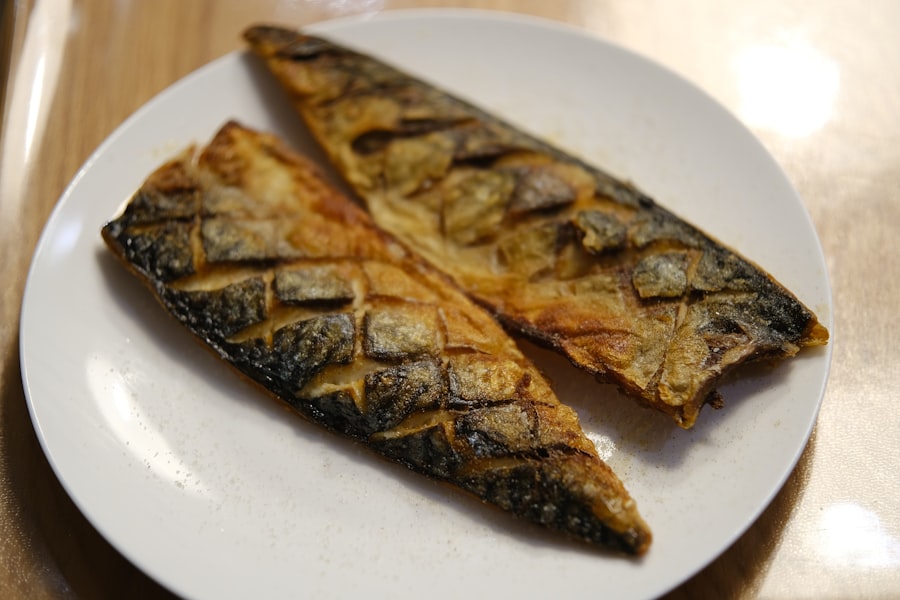
Flavoring your fish skin broth is an opportunity to get creative with various herbs and spices that complement the natural taste of the fish. Common aromatics include onions, garlic, ginger, and leeks, which add depth and complexity to the broth. You might also consider adding fresh herbs like dill or parsley for brightness or bay leaves for an earthy undertone.
Salt is another crucial component when seasoning your broth; however, it’s best to add it gradually throughout the cooking process rather than all at once. This approach allows you to taste as you go and adjust according to your preference. Additionally, consider incorporating citrus elements like lemon or lime zest towards the end of cooking for a refreshing finish that brightens the overall flavor profile.
Using Fish Skin Broth in Recipes
Once you’ve prepared your fish skin broth, its versatility opens up a world of culinary possibilities. You can use it as a base for soups and stews, adding vegetables and proteins to create hearty meals. For instance, a simple chowder made with potatoes and corn can be elevated by using fish skin broth instead of water or regular stock.
Beyond soups, consider using fish skin broth in risottos or grain dishes like quinoa or farro. The rich flavors imparted by the broth will enhance these dishes significantly. You can also use it as a cooking liquid for poaching seafood or vegetables, infusing them with additional flavor while keeping them moist and tender.
Storing and Freezing Fish Skin Broth
Proper storage of your fish skin broth is essential for maintaining its freshness and flavor. Once cooled, transfer the broth into airtight containers or glass jars. If you plan to use it within a few days, storing it in the refrigerator is sufficient; however, if you want to keep it longer, freezing is your best option.
When freezing fish skin broth, consider portioning it into smaller containers or ice cube trays for easy use later on.
This way, you can thaw only what you need without having to defrost an entire batch.
When ready to use frozen broth, simply transfer it to the refrigerator overnight or heat it directly from frozen on the stovetop until warmed through.
Fish Skin Broth Variations: Adding Vegetables and Herbs
To further enhance your fish skin broth’s nutritional value and flavor profile, consider adding vegetables and herbs during the cooking process. Carrots, celery, and mushrooms are excellent additions that not only contribute their own flavors but also provide additional nutrients. These vegetables can be chopped into large pieces since they will be strained out later.
Herbs like thyme, rosemary, or even seaweed can add unique flavors that complement the fish base beautifully. Seaweed varieties such as kombu or dulse are particularly popular in Asian cuisines and can impart umami richness to your broth. Experimenting with different combinations of vegetables and herbs allows you to tailor your fish skin broth to suit your taste preferences while maximizing its health benefits.
Fish Skin Broth in Different Culinary Traditions
Fish skin broth has found its place in various culinary traditions around the world. In Japanese cuisine, for example, dashi—a fundamental stock—often incorporates dried fish skins along with kelp to create a savory base for soups and sauces. Similarly, Scandinavian countries have long utilized fish parts in their broths and soups, celebrating their coastal heritage.
In Mediterranean cooking, fish stock made from skins can serve as a base for risottos or seafood stews like bouillabaisse. Each culture brings its unique twist on how fish skin broth is used in cooking, showcasing its versatility across different cuisines while highlighting local ingredients and flavors.
Tips and Tricks for Cooking with Fish Skin Broth
To make the most out of your fish skin broth experience, here are some tips and tricks that can enhance your cooking process. First, always taste your broth before using it in recipes; this will help you gauge its flavor intensity and adjust seasonings accordingly. If it tastes too strong or salty after simmering, consider diluting it with water before incorporating it into dishes.
Another useful tip is to keep a batch of homemade fish skin broth on hand for quick meals during busy weeks. Having this nutritious base readily available allows you to whip up soups or sauces in no time without compromising on flavor or health benefits. Lastly, don’t hesitate to experiment with different types of fish skins or additional ingredients; each variation can lead to exciting new flavors that keep your culinary adventures fresh and enjoyable.
In conclusion, embracing fish skin broth not only enriches your cooking repertoire but also promotes sustainability by utilizing every part of the fish. With its myriad benefits—from health advantages to culinary versatility—fish skin broth is worth exploring in your kitchen endeavors.
If you’re interested in enhancing your culinary skills, particularly in making flavorful broths, you might find it helpful to explore related topics on senior health and nutrition. For instance, you can check out this informative article on Explore Senior Health, which discusses the benefits of incorporating fish and other nutritious ingredients into your diet. This resource can provide valuable insights into how to maintain a healthy lifestyle while enjoying delicious meals.
WATCH THIS! 💪 Say Goodbye to Weakness: Fish Skin Broth Fights Sarcopenia Better Than Bone Broth!
FAQs
What types of fish skin are best for making broth?
Fish skins from fatty fish like salmon, mackerel, and trout are ideal for making broth because they add rich flavor and gelatin, which enhances the broth’s texture.
Do I need to remove scales before cooking fish skin for broth?
Yes, it is important to remove all scales from the fish skin before cooking to ensure a clean broth and avoid any unpleasant texture.
Should the fish skin be cooked with or without the flesh attached?
Fish skin can be cooked with some flesh attached, as it adds flavor to the broth. However, large pieces of flesh should be trimmed to prevent the broth from becoming too oily.
How long should fish skin be simmered to make broth?
Fish skin should be simmered gently for about 30 to 45 minutes. Overcooking can cause the broth to become bitter.
Is it necessary to blanch fish skin before making broth?
Blanching fish skin briefly in boiling water can help remove impurities and reduce any strong fishy odor before simmering it for broth.
Can fish skin broth be frozen for later use?
Yes, fish skin broth freezes well and can be stored in airtight containers or freezer bags for up to 3 months.
What are the health benefits of fish skin broth?
Fish skin broth is rich in collagen, omega-3 fatty acids, and minerals, which can support skin health, joint function, and overall nutrition.
Can I add vegetables and herbs when cooking fish skin broth?
Yes, adding aromatics like onion, garlic, ginger, and herbs such as parsley or dill can enhance the flavor of the fish skin broth.
Is fish skin broth suitable for people with seafood allergies?
No, fish skin broth contains fish proteins and is not safe for individuals with seafood allergies.
How should fish skin broth be stored after cooking?
Fish skin broth should be cooled quickly and stored in the refrigerator in a sealed container for up to 3 days or frozen for longer storage.