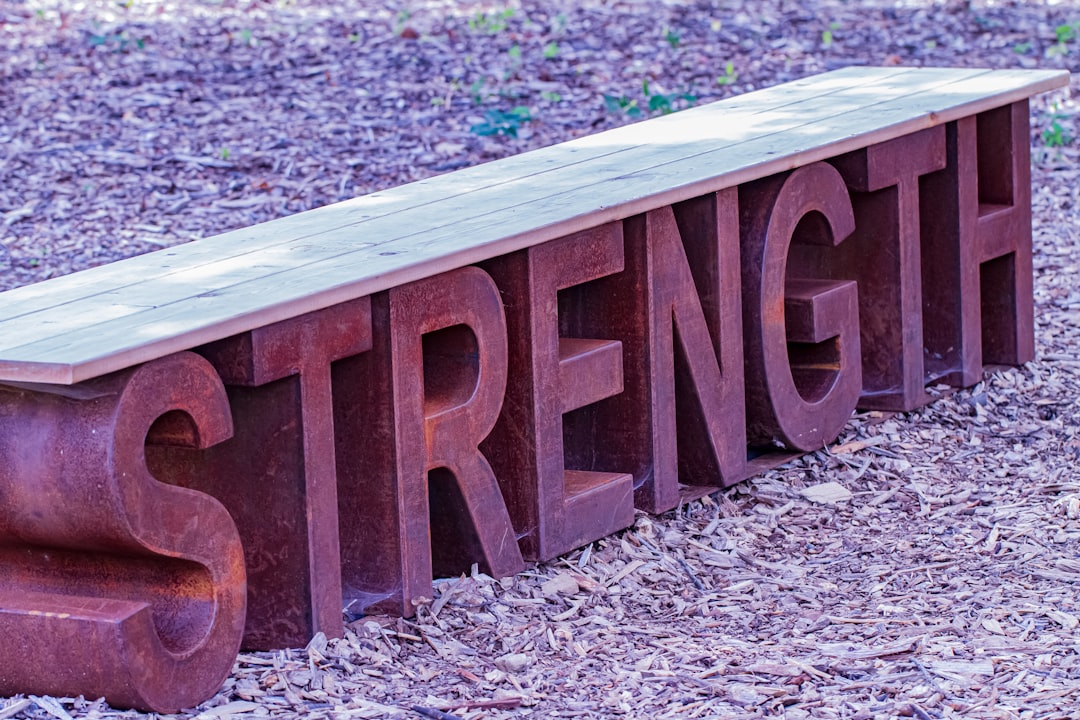
Physical health maintenance becomes increasingly important with age. Strength training is a key component of healthy aging, particularly for older adults. Regular strength training improves quality of life by enhancing the ability to perform everyday activities independently.
Beyond weight lifting, strength training builds the physical foundation necessary for overall wellness. It directly counteracts the age-related loss of muscle mass and strength that typically occurs in older populations. Strength training also serves an important preventive function against falls, which represent a significant injury risk for older adults.
Improved muscle strength and balance reduce fall risk and associated injuries. This preventive approach helps older adults maintain independence and reduce injury-related complications. Strength training is therefore an essential element of a comprehensive healthy aging strategy.
You can find a delicious recipe for fish broth that is both flavorful and easy to prepare.
Key Takeaways
- Strength training is crucial for elderly patients to combat age-related muscle loss and maintain functional independence.
- Customized exercise programs and proper technique are essential to ensure safety and effectiveness in elderly strength training.
- Incorporating resistance exercises into daily activities can enhance adherence and improve overall strength.
- Adequate nutrition and hydration support muscle building and recovery in older adults.
- Collaboration with healthcare professionals helps address barriers, monitor progress, and provide comprehensive care.
Understanding Age-Related Muscle Loss
As you grow older, your body undergoes various changes, one of the most significant being sarcopenia, or age-related muscle loss. This condition typically begins in your 30s and accelerates after the age of 60, leading to a gradual decline in muscle mass and strength. Understanding this process is crucial for you as it highlights the importance of taking proactive measures to counteract these changes.
The loss of muscle not only affects your physical capabilities but can also impact your metabolism and overall health. The reasons behind age-related muscle loss are multifaceted.
As you age, your body produces less testosterone and growth hormone, both of which are essential for muscle maintenance. Additionally, if you find yourself less active due to mobility issues or a sedentary lifestyle, the muscles can weaken further. Recognizing these factors can motivate you to incorporate strength training into your routine, helping to mitigate the effects of aging on your body.
Benefits of Strength Training for Elderly Patients

The benefits of strength training extend far beyond mere muscle gain; they encompass a wide range of physical and mental health improvements. For elderly patients like yourself, engaging in regular strength training can lead to enhanced mobility and functional ability. You may find that everyday tasks such as climbing stairs, lifting groceries, or even getting up from a chair become easier as your strength increases.
This newfound ability can significantly boost your confidence and independence. In addition to physical benefits, strength training has been shown to have positive effects on mental health. Regular exercise releases endorphins, which can improve your mood and reduce feelings of anxiety or depression.
For many elderly individuals, social isolation can be a significant concern; participating in group strength training classes can also foster social connections and provide a sense of community. The holistic benefits of strength training make it an invaluable tool for enhancing both physical and mental well-being as you age.
Tailoring Exercise Programs for Elderly Patients
When it comes to strength training for elderly patients, one size does not fit all. Tailoring exercise programs to meet your individual needs is essential for ensuring safety and effectiveness. Factors such as your current fitness level, any pre-existing medical conditions, and personal goals should all be considered when designing a program.
A well-structured plan will not only help you achieve better results but also keep you motivated and engaged. Consulting with a fitness professional or physical therapist can be incredibly beneficial in this process. They can assess your current abilities and help create a personalized program that aligns with your goals while taking into account any limitations you may have.
This tailored approach ensures that you are not only working towards building strength but also doing so in a way that minimizes the risk of injury. Remember, the key to successful strength training lies in finding the right balance between challenge and safety.
Incorporating Resistance Training into Daily Activities
| Metric | Baseline Value | Post-Intervention Value | Unit | Measurement Method | Notes |
|---|---|---|---|---|---|
| Handgrip Strength | 18 | 25 | kg | Hand dynamometer | Improvement after 12 weeks of resistance training |
| Chair Stand Test (30 seconds) | 8 | 12 | repetitions | Timed chair stand test | Number of stands completed in 30 seconds |
| Gait Speed | 0.8 | 1.0 | m/s | 4-meter walk test | Improved walking speed indicates better lower limb strength |
| Timed Up and Go (TUG) Test | 14 | 10 | seconds | Timed Up and Go test | Lower time indicates improved functional mobility |
| Leg Press Strength | 40 | 60 | kg | 1-repetition maximum (1RM) | Measured after 8 weeks of progressive resistance training |
Incorporating resistance training into your daily activities can be an effective way to enhance your strength without dedicating large blocks of time to formal workouts. You can easily integrate exercises into your routine by using everyday objects around your home or engaging in activities that require physical effort. For instance, using canned goods or water bottles as weights while performing simple exercises like bicep curls or shoulder presses can be an excellent way to build strength.
Additionally, consider activities that naturally involve resistance training, such as gardening or carrying groceries. These tasks not only provide a workout but also contribute to maintaining your independence by allowing you to perform daily chores with greater ease. By viewing everyday activities through the lens of strength training, you can seamlessly incorporate exercise into your life while reaping the benefits of increased muscle strength.
Nutrition and Hydration for Strength Building

Nutrition plays a pivotal role in supporting your strength training efforts as an elderly patient. As you engage in resistance exercises, your body requires adequate fuel to repair and build muscle tissue. Consuming a balanced diet rich in protein is essential for muscle recovery and growth.
Foods such as lean meats, fish, eggs, legumes, and dairy products should be staples in your diet to ensure you are meeting your protein needs. Hydration is equally important when it comes to strength building. As you age, your sense of thirst may diminish, making it crucial to consciously drink enough fluids throughout the day.
Dehydration can lead to fatigue and decreased performance during workouts, hindering your progress. Aim to drink water regularly and consider incorporating hydrating foods like fruits and vegetables into your meals. By prioritizing nutrition and hydration, you can optimize your strength training results and support overall health.
Importance of Proper Form and Technique
When engaging in strength training, proper form and technique are paramount for ensuring safety and effectiveness. As an elderly patient, it is especially important to focus on maintaining correct posture during exercises to prevent injuries. Poor form can lead to strain on joints and muscles, potentially resulting in setbacks that could hinder your progress.
Taking the time to learn the correct techniques will pay off in the long run. Consider working with a qualified trainer or physical therapist who can guide you through exercises while emphasizing proper form. They can provide valuable feedback and corrections that will help you develop good habits from the start.
By prioritizing proper technique, you will not only enhance the effectiveness of your workouts but also reduce the risk of injury.
Utilizing Adaptive Equipment for Safe Strength Training
Adaptive equipment can be a game-changer for elderly patients looking to engage in strength training safely and effectively. There are various tools available that can help accommodate different fitness levels and physical limitations. Resistance bands, for example, are versatile and easy to use; they provide adjustable levels of resistance that can be tailored to your current abilities.
Other adaptive equipment includes lightweight dumbbells, stability balls, and even specialized machines designed for seniors. These tools can enhance your workouts by providing support and stability while allowing you to focus on building strength. When selecting equipment, consider what feels comfortable for you and what aligns with your fitness goals.
Utilizing adaptive equipment not only makes strength training more accessible but also encourages consistency in your exercise routine.
Monitoring Progress and Adjusting Exercise Programs
Monitoring your progress is essential for staying motivated and ensuring that your strength training program remains effective over time. Keeping track of your workouts allows you to see how far you’ve come and identify areas where adjustments may be needed. Consider maintaining a workout journal where you record exercises performed, weights used, repetitions completed, and any notes on how you felt during each session.
As you progress, it may be necessary to adjust your exercise program to continue challenging yourself appropriately. This could involve increasing weights, changing exercises, or modifying the number of repetitions or sets performed. Regularly reassessing your goals will help keep you engaged and motivated on your fitness journey.
Remember that progress may not always be linear; celebrate small victories along the way as they contribute to your overall success.
Addressing Fear and Barriers to Strength Training
Fear and barriers often prevent elderly patients from engaging in strength training despite its numerous benefits. Concerns about injury or falling can be significant deterrents that hold you back from starting or continuing an exercise program. Acknowledging these fears is the first step toward overcoming them; understanding that they are common among many individuals in your age group can help alleviate some anxiety.
To address these concerns, consider starting with low-impact exercises under the guidance of a qualified professional who understands the unique needs of elderly patients. Gradually increasing intensity as you build confidence will help ease fears over time. Additionally, surrounding yourself with supportive friends or family members who encourage your efforts can create a positive environment that fosters motivation and resilience.
Collaborating with Healthcare Professionals for Comprehensive Care
Collaborating with healthcare professionals is crucial for ensuring comprehensive care as you embark on your strength training journey. Your primary care physician or geriatric specialist can provide valuable insights into any medical conditions that may affect your ability to engage in certain exercises safely. They may also recommend specific types of strength training that align with your health status.
Working alongside physical therapists or certified trainers who specialize in senior fitness can further enhance your experience by providing tailored guidance based on their expertise. This collaborative approach ensures that all aspects of your health are considered while developing an effective exercise program that meets your individual needs. By fostering these relationships with healthcare professionals, you empower yourself to take charge of your health and well-being as you age gracefully through strength training.
Increasing strength in elderly patients is crucial for enhancing their overall quality of life and independence. A related article that provides valuable insights on this topic can be found at Explore Senior Health, where various strategies and exercises tailored for older adults are discussed. This resource emphasizes the importance of strength training and its positive impact on health outcomes for seniors.
WATCH THIS! 💪 Say Goodbye to Weakness: Fish Skin Broth Fights Sarcopenia Better Than Bone Broth!
FAQs
Why is increasing strength important for elderly patients?
Increasing strength in elderly patients helps improve mobility, balance, and overall physical function. It reduces the risk of falls, enhances independence, and contributes to better quality of life.
What types of exercises are recommended to increase strength in elderly patients?
Strength training exercises such as resistance training with weights, resistance bands, or bodyweight exercises are recommended. Additionally, balance and flexibility exercises complement strength training to improve overall physical health.
How often should elderly patients engage in strength training?
It is generally recommended that elderly patients perform strength training exercises at least two to three times per week, allowing rest days between sessions for muscle recovery.
Are there any risks associated with strength training for elderly patients?
When done correctly and under proper supervision, strength training is safe for most elderly patients. However, those with certain medical conditions should consult a healthcare provider before starting an exercise program to avoid injury.
Can increasing strength help with chronic conditions common in elderly patients?
Yes, increasing strength can help manage symptoms of chronic conditions such as arthritis, osteoporosis, and diabetes by improving muscle mass, joint function, and metabolic health.
How quickly can elderly patients expect to see improvements in strength?
Improvements can often be seen within 6 to 8 weeks of consistent strength training, though this varies depending on individual health status and exercise intensity.
Is nutrition important when trying to increase strength in elderly patients?
Yes, proper nutrition, including adequate protein intake, is essential to support muscle growth and recovery in elderly patients engaging in strength training.
Should elderly patients work with a professional when starting strength training?
It is advisable for elderly patients to work with a physical therapist or certified fitness professional to design a safe and effective strength training program tailored to their needs.