
As you age, your body undergoes various changes that can significantly impact your muscle strength. Muscle mass naturally declines with age, a condition known as sarcopenia, which can begin as early as your 30s and accelerate after the age of 60. This loss of muscle not only affects your physical appearance but also your overall health, mobility, and independence.
You may find that everyday activities become more challenging, leading to a decrease in your quality of life. Understanding the factors that contribute to muscle strength in older adults is crucial for maintaining an active lifestyle and preventing the adverse effects of aging. Muscle strength is influenced by several factors, including physical activity, nutrition, and hormonal changes.
Engaging in regular resistance training can help counteract the effects of sarcopenia by stimulating muscle growth and improving strength. Additionally, a balanced diet rich in essential nutrients plays a vital role in supporting muscle health. As you navigate the aging process, it’s essential to recognize the importance of maintaining muscle strength not just for physical capabilities but also for enhancing your overall well-being and longevity.
You can find a delicious recipe for fish broth that is both flavorful and easy to make.
Key Takeaways
- Muscle strength naturally declines with age, making supplementation important for older adults.
- Protein, creatine, and BCAAs are key supplements that support muscle building and recovery.
- Omega-3 fatty acids, vitamin D, and calcium contribute to muscle and bone health.
- Coenzyme Q10 and HMB help enhance energy production and preserve muscle mass.
- Careful consideration and medical advice are essential when using supplements to ensure safety and effectiveness.
Importance of Supplements for Muscle Strength
Incorporating supplements into your routine can be a valuable strategy for enhancing muscle strength, especially as you age. While a well-rounded diet is fundamental, it may not always provide all the nutrients necessary for optimal muscle function. Supplements can fill these gaps, ensuring that your body receives the essential vitamins and minerals it needs to support muscle health.
They can also provide an extra boost to your training regimen, helping you achieve your fitness goals more effectively. Moreover, the aging process can lead to decreased absorption of nutrients from food, making it even more critical to consider supplementation. For instance, certain vitamins and minerals may become less bioavailable as you age, which can hinder muscle recovery and growth.
By integrating targeted supplements into your daily routine, you can enhance your body’s ability to build and maintain muscle strength, ultimately leading to improved physical performance and a better quality of life.
Protein Supplements for Muscle Building
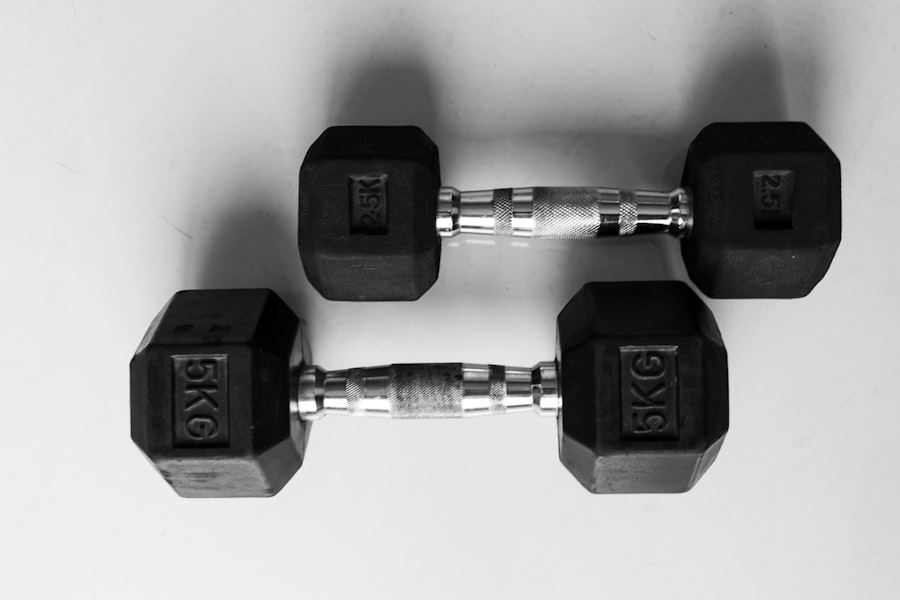
Protein is a fundamental building block for muscle growth and repair, making it an essential nutrient for anyone looking to enhance their muscle strength. As you age, your protein needs may increase due to the body’s decreased efficiency in utilizing protein for muscle synthesis. This is where protein supplements can play a significant role in your diet.
They provide a convenient and effective way to ensure you’re meeting your daily protein requirements, especially if you find it challenging to consume enough protein through whole foods alone. There are various types of protein supplements available, including whey, casein, soy, and plant-based options. Each type has its unique benefits and absorption rates, so it’s essential to choose one that aligns with your dietary preferences and goals.
For instance, whey protein is quickly absorbed and ideal for post-workout recovery, while casein provides a slow release of amino acids, making it suitable for nighttime consumption. By incorporating protein supplements into your routine, you can support muscle repair after workouts and promote muscle growth over time.
Creatine as a Muscle Strength Booster
Creatine is one of the most researched supplements in the fitness industry and has been shown to enhance muscle strength and performance significantly. It works by increasing the availability of adenosine triphosphate (ATP), the primary energy carrier in your cells, which allows for improved performance during high-intensity exercise. As you age, your natural creatine levels may decline, making supplementation an effective way to counteract this decrease and support your training efforts.
In addition to boosting strength and power during workouts, creatine has also been linked to increased muscle mass and improved recovery times. This is particularly beneficial for older adults who may experience longer recovery periods after exercise. By incorporating creatine into your supplement regimen, you can enhance your workout performance and promote greater gains in muscle strength over time.
Omega-3 Fatty Acids for Muscle Health
| Supplement | Recommended Dosage | Potential Benefits | Notes |
|---|---|---|---|
| Creatine Monohydrate | 3-5 grams daily | Improves muscle strength and power; supports muscle mass retention | Well-studied; generally safe for older adults |
| Protein (Whey or Plant-based) | 1.2-1.5 grams per kg body weight per day | Supports muscle repair and growth; counters age-related muscle loss | Distribute intake evenly throughout the day |
| Vitamin D | 800-2000 IU daily | Enhances muscle function and strength; supports bone health | Check blood levels before supplementation |
| Omega-3 Fatty Acids (Fish Oil) | 1-3 grams daily | Reduces inflammation; may improve muscle protein synthesis | Choose high-quality, purified products |
| Beta-Alanine | 2-5 grams daily | Improves muscular endurance and reduces fatigue | May cause tingling sensation; split doses to reduce side effects |
| HMB (Beta-Hydroxy Beta-Methylbutyrate) | 3 grams daily | Supports muscle preservation and strength in older adults | Effective when combined with resistance training |
Omega-3 fatty acids are essential fats that play a crucial role in overall health, including muscle function and recovery. These healthy fats are known for their anti-inflammatory properties, which can help reduce muscle soreness and promote faster recovery after exercise. As you age, inflammation can become more prevalent in your body, potentially hindering your ability to maintain muscle strength.
By incorporating omega-3 supplements into your diet, you can combat this inflammation and support optimal muscle health. Additionally, omega-3 fatty acids have been shown to enhance protein synthesis in muscles, which is vital for building and repairing tissue.
Including omega-3 supplements in your routine can be a simple yet effective way to support your muscle health as you age.
Vitamin D and Calcium for Bone and Muscle Health
Vitamin D and calcium are two essential nutrients that work hand-in-hand to support both bone and muscle health. Vitamin D plays a critical role in calcium absorption, which is vital for maintaining strong bones. As you age, the risk of osteoporosis increases, making it crucial to ensure that you’re getting enough of these nutrients to support bone density and overall musculoskeletal health.
Supplementing with vitamin D can also enhance muscle function by improving strength and reducing the risk of falls. Research has shown that adequate levels of vitamin D are associated with improved muscle strength in older adults. This is particularly important as falls can lead to severe injuries and decreased mobility.
By ensuring that you have sufficient vitamin D levels through supplementation or sun exposure, you can support both your bone health and muscle function, ultimately contributing to a more active lifestyle.
Branched-Chain Amino Acids (BCAAs) for Muscle Recovery
Branched-chain amino acids (BCAAs) are a group of three essential amino acids—leucine, isoleucine, and valine—that play a significant role in muscle recovery and growth. These amino acids are unique because they are metabolized directly in the muscles rather than the liver, making them particularly effective for promoting muscle repair after exercise. As you age, ensuring adequate BCAA intake becomes increasingly important for maintaining muscle strength and preventing muscle loss.
Supplementing with BCAAs can help reduce exercise-induced muscle soreness and fatigue, allowing you to recover more quickly between workouts. This is especially beneficial if you’re engaging in resistance training or high-intensity workouts aimed at building strength. By incorporating BCAAs into your post-workout routine, you can enhance recovery times and support ongoing muscle development.
Coenzyme Q10 for Energy and Muscle Function
Coenzyme Q10 (CoQ10) is a powerful antioxidant that plays a vital role in energy production within your cells. As you age, natural levels of CoQ10 tend to decline, which can lead to decreased energy levels and impaired muscle function. Supplementing with CoQ10 can help restore these levels, providing you with the energy needed for daily activities and exercise.
In addition to boosting energy production, CoQ10 has been shown to improve exercise performance by enhancing endurance and reducing fatigue during workouts. This is particularly important for older adults who may experience decreased stamina as they age. By incorporating CoQ10 into your supplement regimen, you can support both energy levels and overall muscle function, allowing you to maintain an active lifestyle.
HMB (Beta-Hydroxy Beta-Methylbutyrate) for Muscle Preservation
HMB is a metabolite of the amino acid leucine that has gained attention for its potential benefits in preserving muscle mass and strength. Research suggests that HMB supplementation can help reduce muscle breakdown during periods of inactivity or caloric restriction—common scenarios for older adults who may be less active or on restrictive diets. By incorporating HMB into your routine, you can help protect against muscle loss while promoting recovery after exercise.
Additionally, HMB has been shown to improve strength gains when combined with resistance training. This makes it an excellent option for older adults looking to maintain or increase their muscle strength as they age. By adding HMB supplements to your regimen, you can support both muscle preservation and growth during your fitness journey.
The Role of Multivitamins in Supporting Muscle Strength
Multivitamins serve as a convenient way to ensure that you’re meeting your daily nutritional needs, especially when it comes to supporting muscle strength as you age. These comprehensive supplements typically contain a blend of essential vitamins and minerals that play critical roles in various bodily functions, including energy production, immune support, and muscle health. By taking a multivitamin regularly, you can help fill any nutritional gaps in your diet that may hinder your ability to maintain or build muscle strength.
Moreover, certain vitamins and minerals found in multivitamins—such as B vitamins, magnesium, and zinc—are particularly important for energy metabolism and muscle function. Ensuring adequate intake of these nutrients can help optimize your workouts and recovery processes. By incorporating a high-quality multivitamin into your daily routine, you can support overall health while specifically targeting the nutritional needs associated with maintaining muscle strength.
Precautions and Considerations when Using Supplements for Muscle Strength
While supplements can offer numerous benefits for enhancing muscle strength in older adults, it’s essential to approach their use with caution. Not all supplements are created equal; quality varies significantly among brands and products. Before starting any new supplement regimen, it’s wise to consult with a healthcare professional or registered dietitian who can help assess your individual needs and recommend appropriate options based on your health status.
Additionally, it’s crucial to remember that supplements should complement—not replace—a balanced diet rich in whole foods. Relying solely on supplements without addressing dietary habits may not yield the desired results in terms of muscle strength or overall health. Furthermore, be mindful of potential interactions between supplements and medications you may be taking; some supplements can affect how medications work or lead to adverse effects when combined with certain drugs.
In conclusion, understanding the importance of maintaining muscle strength as you age is vital for promoting overall health and well-being.
Always prioritize quality over quantity when selecting supplements and consult with healthcare professionals to ensure you’re making informed choices tailored to your unique needs.
As we age, maintaining muscle strength becomes increasingly important for overall health and mobility. For those over 70, incorporating the right supplements can play a significant role in supporting muscle function. A related article that delves into this topic is available on Explore Senior Health, which provides valuable insights into the best supplements for enhancing muscle strength in seniors. You can read more about it here.
WATCH THIS! 💪 Say Goodbye to Weakness: Fish Skin Broth Fights Sarcopenia Better Than Bone Broth!
FAQs
What supplements are commonly recommended for muscle strength after 70?
Common supplements for muscle strength after 70 include protein powders (such as whey or plant-based proteins), vitamin D, creatine, omega-3 fatty acids, and branched-chain amino acids (BCAAs). These can help support muscle maintenance and overall health.
Is protein supplementation important for muscle strength in older adults?
Yes, protein supplementation is important as older adults often require higher protein intake to counteract age-related muscle loss (sarcopenia). Adequate protein helps repair and build muscle tissue.
Can vitamin D improve muscle strength in people over 70?
Vitamin D plays a crucial role in muscle function and strength. Deficiency is common in older adults and supplementing vitamin D can help improve muscle performance and reduce fall risk.
Are creatine supplements safe for people over 70?
Creatine is generally considered safe for healthy older adults when taken at recommended doses. It may help increase muscle mass and strength, but it is advisable to consult a healthcare provider before starting supplementation.
How do omega-3 fatty acids support muscle health in seniors?
Omega-3 fatty acids have anti-inflammatory properties that may help reduce muscle loss and improve muscle function in older adults. They also support overall cardiovascular health.
Should older adults consult a doctor before taking muscle strength supplements?
Yes, it is important for older adults to consult a healthcare professional before starting any supplement regimen to ensure safety, avoid interactions with medications, and tailor recommendations to individual health needs.
Can supplements replace exercise for maintaining muscle strength after 70?
No, supplements cannot replace the benefits of regular physical activity. Resistance training and other exercises are essential for maintaining and improving muscle strength in older adults.
Are there any risks associated with taking muscle strength supplements after 70?
Potential risks include interactions with medications, kidney strain from excessive protein intake, and side effects from certain supplements. Proper dosing and medical supervision can help minimize risks.
How long does it take to see results from muscle strength supplements in older adults?
Results vary depending on the supplement, dosage, diet, and exercise routine. Generally, noticeable improvements in muscle strength may take several weeks to a few months.
Can branched-chain amino acids (BCAAs) help with muscle strength in seniors?
BCAAs may support muscle protein synthesis and reduce muscle breakdown, potentially aiding muscle strength in older adults, especially when combined with resistance exercise.