Sarcopenia, the age-related loss of muscle mass, is a significant physiological change that occurs with aging. This condition typically begins around age 30 and accelerates substantially after age 60. As sarcopenia progresses, individuals often experience increased difficulty with daily activities, reduced strength, decreased mobility, and a higher risk of falls.
Understanding the mechanisms underlying muscle loss enables individuals to implement preventive strategies. Several biological factors contribute to sarcopenia. The number and size of muscle fibers naturally decrease with age, while hormonal changes compound this effect.
Testosterone and growth hormone production decline significantly in older adults, and both hormones are essential for muscle maintenance and development. A sedentary lifestyle further accelerates muscle loss, creating a self-perpetuating cycle in which reduced physical activity leads to additional muscle deterioration. Identifying these contributing factors is essential for developing effective interventions to maintain health and functional capacity during aging.
You can find a delicious recipe for fish broth that is both flavorful and easy to prepare.
Key Takeaways
- Age-related muscle loss can be mitigated through targeted strength training.
- Setting realistic goals and creating safe exercise plans are crucial for seniors.
- Combining resistance training with cardiovascular exercise enhances overall fitness.
- Proper nutrition and adequate rest support muscle recovery and growth.
- Monitoring progress and overcoming challenges help maintain long-term muscle strength.
Importance of Strength Training for Seniors
Engaging in strength training is vital for you as a senior looking to counteract age-related muscle loss. Not only does it help rebuild muscle mass, but it also enhances bone density, improves balance, and boosts overall functional ability. By incorporating strength training into your routine, you can significantly reduce the risk of falls and fractures, which are common concerns for older adults.
The benefits extend beyond physical health; strength training can also improve your mental well-being by increasing confidence and reducing symptoms of anxiety and depression. Moreover, strength training can enhance your metabolic rate, which tends to slow down with age. By building muscle, you increase your resting metabolic rate, allowing your body to burn more calories even at rest.
This can be particularly beneficial if you’re looking to maintain a healthy weight or manage chronic conditions such as diabetes or heart disease. The importance of strength training cannot be overstated; it is a cornerstone of healthy aging that empowers you to live a more active and fulfilling life.
Setting Realistic Goals for Rebuilding Muscle Strength
When embarking on your journey to rebuild muscle strength, setting realistic and achievable goals is crucial. You may feel motivated to regain your youthful strength quickly, but it’s essential to approach this process with patience and a clear plan. Start by assessing your current fitness level and identifying specific areas where you want to improve.
Whether it’s lifting a certain weight or performing a specific number of repetitions, having measurable goals will help you stay focused and motivated. It’s also important to set short-term and long-term goals. Short-term goals can provide quick wins that boost your confidence, while long-term goals will keep you committed to the process.
For instance, you might aim to increase your weightlifting capacity by 5% over the next month or complete a certain number of strength training sessions each week. By breaking down your objectives into manageable steps, you can create a sense of accomplishment that propels you forward on your fitness journey.
Creating a Safe and Effective Exercise Plan
Creating an exercise plan that is both safe and effective is essential for your success in rebuilding muscle strength. Before starting any new exercise regimen, consider consulting with a healthcare professional or a certified trainer who specializes in working with seniors. They can help you assess your current fitness level and recommend exercises that suit your abilities while minimizing the risk of injury.
Your exercise plan should include a mix of strength training, flexibility exercises, and balance training. Aim for at least two days of strength training per week, focusing on major muscle groups such as the legs, back, chest, and arms. Incorporate flexibility exercises like stretching or yoga to improve your range of motion and prevent stiffness.
Balance exercises are equally important; they can help you maintain stability and reduce the risk of falls. By diversifying your routine, you’ll not only work on rebuilding muscle strength but also enhance your overall physical fitness.
Incorporating Cardiovascular Exercise for Overall Fitness
| Method | Description | Frequency | Expected Outcome | Notes |
|---|---|---|---|---|
| Resistance Training | Using weights or resistance bands to strengthen muscles | 2-3 times per week | Increased muscle mass and strength within 8-12 weeks | Start with light weights and gradually increase intensity |
| Protein-Rich Diet | Consuming adequate protein to support muscle repair and growth | Daily | Improved muscle recovery and maintenance | Recommended intake: 1.0-1.2 grams per kg body weight |
| Balance and Flexibility Exercises | Activities like yoga or tai chi to improve coordination and prevent falls | 2-3 times per week | Better balance and reduced injury risk | Complements strength training |
| Aerobic Exercise | Walking, swimming, or cycling to improve cardiovascular health | 3-5 times per week, 30 minutes each | Enhanced endurance and muscle stamina | Moderate intensity recommended |
| Physical Therapy | Guided exercises tailored to individual needs | As prescribed by therapist | Targeted muscle strengthening and mobility improvement | Especially useful after injury or surgery |
| Rest and Recovery | Allowing muscles time to repair between workouts | At least 48 hours between intense sessions | Prevents overtraining and injury | Quality sleep is essential |
While strength training is crucial for rebuilding muscle strength, incorporating cardiovascular exercise into your routine is equally important for overall fitness. Cardiovascular activities such as walking, swimming, or cycling can improve heart health, increase endurance, and enhance circulation. As you engage in these activities, you’ll find that they complement your strength training efforts by improving your stamina and allowing you to perform daily tasks with greater ease.
Aim for at least 150 minutes of moderate-intensity cardiovascular exercise each week.
Not only will this help you maintain a healthy weight and improve cardiovascular health, but it will also boost your mood and energy levels.
The combination of strength training and cardiovascular exercise creates a well-rounded fitness regimen that supports both physical and mental well-being.
Utilizing Resistance Bands and Weights for Strength Training

When it comes to strength training, utilizing resistance bands and weights can be incredibly effective for rebuilding muscle strength. Resistance bands are particularly beneficial for seniors because they provide adjustable resistance levels and are easy to use at home or in a gym setting. They allow you to perform a variety of exercises targeting different muscle groups without the need for heavy equipment.
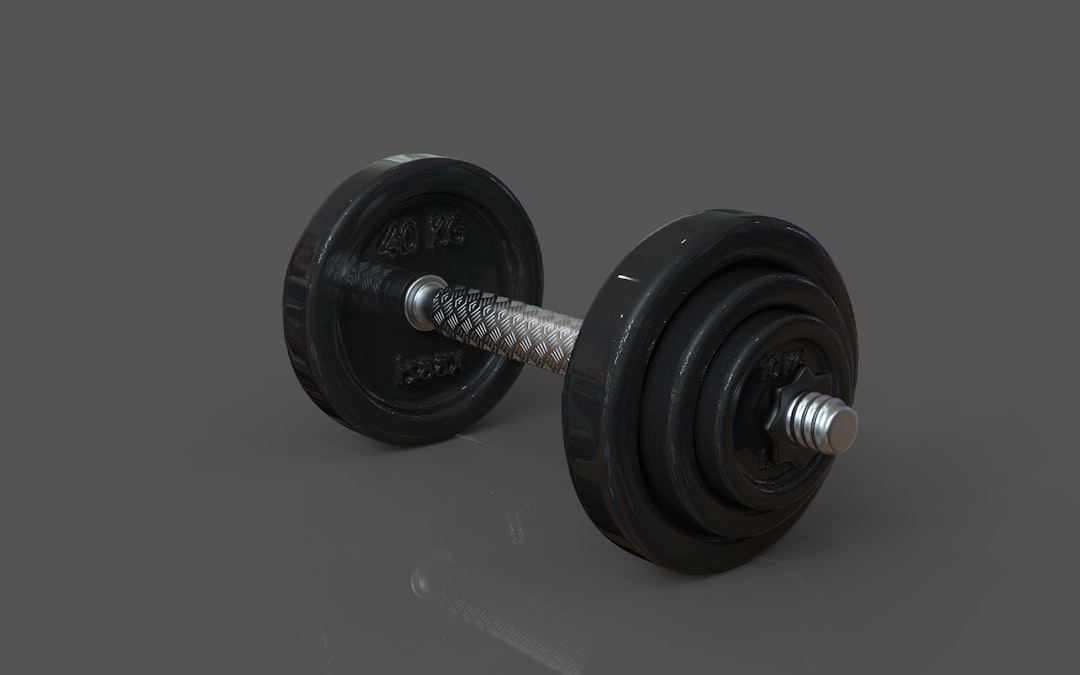
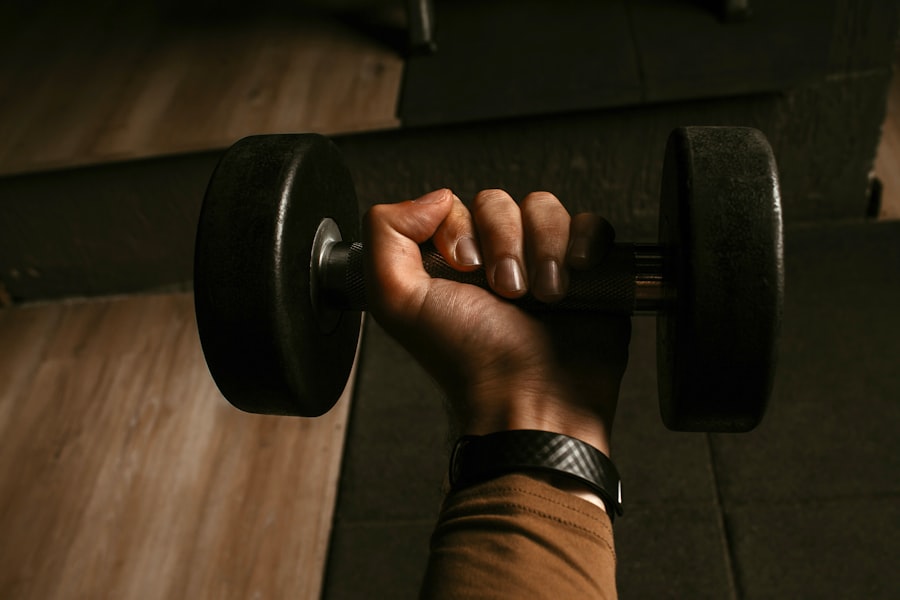
You can gradually increase the resistance as you become stronger, making them an excellent tool for progressive overload. Weights, whether they are dumbbells or kettlebells, also play a significant role in building muscle strength. Start with lighter weights to ensure proper form and technique before progressing to heavier loads.
Focus on compound movements that engage multiple muscle groups simultaneously—exercises like squats, deadlifts, and bench presses are great options. By incorporating both resistance bands and weights into your routine, you’ll create a balanced approach to strength training that maximizes results while minimizing the risk of injury.
Proper Nutrition for Muscle Recovery and Growth
Nutrition plays a pivotal role in your journey to rebuild muscle strength.
As you engage in strength training, your muscles experience micro-tears that need adequate nutrition to repair themselves effectively.
Aim to include high-quality protein sources such as lean meats, fish, eggs, dairy products, legumes, and nuts in your meals. In addition to protein, ensure you’re consuming enough carbohydrates to fuel your workouts and healthy fats for overall health. Hydration is equally important; drinking enough water helps maintain optimal performance during exercise and aids in recovery afterward.
Consider consulting with a registered dietitian who can help tailor a nutrition plan that aligns with your fitness goals and dietary preferences.
Rest and Recovery: Essential Components of Rebuilding Muscle Strength
Rest and recovery are often overlooked aspects of any fitness regimen but are crucial for rebuilding muscle strength effectively. Your muscles need time to recover after intense workouts; this is when the actual growth occurs. Incorporate rest days into your weekly routine to allow your body to heal and adapt to the stresses placed upon it during exercise.
Listen to your body; if you’re feeling fatigued or experiencing soreness that lingers beyond typical post-workout discomfort, it may be time to take an extra rest day or engage in lighter activities like walking or gentle stretching. Quality sleep is also vital for recovery; aim for 7-9 hours of restful sleep each night to support muscle repair and overall health.
Overcoming Common Challenges and Setbacks
As you embark on this journey to rebuild muscle strength, it’s natural to encounter challenges and setbacks along the way. You may experience plateaus where progress seems stagnant or face obstacles such as injuries or time constraints that hinder your ability to stick to your plan. Acknowledging these challenges is the first step toward overcoming them.
To navigate setbacks effectively, maintain a positive mindset and remind yourself of your long-term goals. Consider adjusting your workout routine or seeking support from friends or fitness communities who share similar goals. Remember that progress is not always linear; celebrate small victories along the way and stay committed to your journey.
Monitoring Progress and Making Adjustments to the Plan
Monitoring your progress is essential for staying motivated and ensuring that you’re on track toward achieving your goals. Keep a journal or use fitness apps to log your workouts, track weights lifted, and note any changes in how you feel during exercises. Regularly assessing your progress allows you to identify areas where you may need to make adjustments.
If you’re not seeing the results you desire after several weeks, consider modifying your exercise plan by changing up the types of exercises you’re doing or increasing the intensity of your workouts. Consulting with a fitness professional can provide valuable insights into how you can optimize your routine for better results.
Celebrating Success and Maintaining Muscle Strength
As you make strides in rebuilding muscle strength, it’s important to celebrate your successes along the way—no matter how small they may seem. Acknowledging your achievements boosts motivation and reinforces positive habits that contribute to long-term success. Whether it’s lifting heavier weights than before or completing an entire workout without feeling fatigued, take time to recognize how far you’ve come.
Maintaining muscle strength requires ongoing commitment even after you’ve reached certain milestones. Continue incorporating strength training into your routine while exploring new exercises or challenges that keep things fresh and exciting. By staying engaged in your fitness journey, you’ll not only preserve the gains you’ve made but also enhance your overall quality of life as you age gracefully.
To effectively restore muscle strength in seniors, it’s essential to incorporate a balanced approach that includes resistance training, proper nutrition, and adequate rest. For more insights on maintaining overall health and wellness in older adults, you can refer to this related article on senior health: Explore Senior Health. This resource provides valuable information on various aspects of senior health, including exercise tips and dietary recommendations.
WATCH THIS! 💪 Say Goodbye to Weakness: Fish Skin Broth Fights Sarcopenia Better Than Bone Broth!
FAQs
What causes muscle strength loss in seniors?
Muscle strength loss in seniors is primarily caused by aging-related factors such as sarcopenia, which is the natural decline of muscle mass and function. Other contributing factors include decreased physical activity, poor nutrition, chronic illnesses, and hormonal changes.
How can seniors safely begin restoring muscle strength?
Seniors should start with low-impact exercises such as walking, swimming, or light resistance training. It is important to consult a healthcare provider before beginning any new exercise regimen to ensure safety and appropriateness based on individual health conditions.
What types of exercises are most effective for restoring muscle strength in seniors?
Strength training exercises using resistance bands, light weights, or bodyweight exercises like squats and wall push-ups are effective. Balance and flexibility exercises, such as yoga or tai chi, also support overall muscle function and reduce fall risk.
How often should seniors exercise to improve muscle strength?
The general recommendation is to engage in strength training exercises at least two to three times per week, allowing rest days in between for muscle recovery. Additionally, incorporating daily physical activity like walking can enhance overall fitness.
What role does nutrition play in restoring muscle strength in seniors?
Adequate protein intake is crucial for muscle repair and growth. Seniors should consume a balanced diet rich in lean proteins, vitamins (especially vitamin D), and minerals to support muscle health. Hydration and overall caloric intake also play important roles.
Are there any medical treatments to help restore muscle strength in seniors?
In some cases, healthcare providers may recommend physical therapy, hormone replacement therapy, or supplements such as vitamin D and calcium. However, these treatments should be personalized and supervised by medical professionals.
Can muscle strength be fully restored in seniors?
While complete restoration to youthful muscle strength may not be possible, significant improvements can be achieved with consistent exercise, proper nutrition, and medical guidance. These improvements can enhance mobility, independence, and quality of life.
What precautions should seniors take when trying to restore muscle strength?
Seniors should avoid overexertion, use proper techniques during exercises, and listen to their bodies to prevent injury. Regular check-ups with healthcare providers are important to monitor progress and adjust exercise plans as needed.