
You’ve finished a strenuous workout, your muscles are screaming, and now your thoughts turn to recovery. One of the most frequently debated topics in the world of fitness and nutrition is the optimal timing of protein intake for muscle recovery and growth. This article will meticulously dissect the scientific literature surrounding protein timing, offering you an evidence-based understanding of how to best fuel your body for repair and adaptation. Much like a skilled architect carefully planning the delivery of construction materials to a building site, you, as the athlete, must strategically consider when and how you provide your muscles with their crucial building blocks.
The concept of an “anabolic window” proposes a limited timeframe post-exercise during which your muscles are maximally receptive to nutrient uptake, particularly protein. Missing this window, according to this theory, could significantly impair your recovery and gains. To learn effective strategies for fall prevention, watch this informative video.
Understanding Muscle Protein Synthesis (MPS)
Muscle protein synthesis (MPS) is the process by which your body creates new muscle proteins, essential for repair and growth. Resistance training acutely stimulates MPS, while concurrently increasing muscle protein breakdown (MPB). To achieve a net positive protein balance, and thus muscle growth, MPS must exceed MPB.
The Original Anabolic Window Hypothesis
Early research, often using intravenous amino acid infusions or highly digestible protein sources consumed immediately post-workout, suggested a narrow window of opportunity. These studies frequently demonstrated a pronounced increase in MPS when protein was consumed within a short period after exercise cessation, typically within 30-60 minutes. This led to the widespread adoption of the “rush-to-shake” mentality.
Re-evaluating the Anabolic Window: A Broader Perspective
More recent, comprehensive reviews and meta-analyses have challenged the strict interpretation of the anabolic window. These investigations, often employing more ecologically valid protein sources and feeding protocols, suggest that the window of opportunity for optimizing MPS extends for several hours post-exercise, potentially up to 24 hours. The acute post-exercise period certainly primes muscles for nutrient uptake, but this enhanced sensitivity does not abruptly vanish. Think of it less as a quickly closing door and more as a slowly diminishing glow – the initial brightness is intense, but the warmth lingers.
Practical Implications of the Extended Window
What does this mean for you? It suggests that while consuming protein relatively soon after your workout is beneficial, a precise, minute-by-minute countdown is likely unnecessary for most individuals. The emphasis shifts from urgency to consistency. As long as you are consuming adequate daily protein distributed throughout the day, including a post-workout dose, you are likely capitalizing on the benefits.
Protein timing plays a crucial role in muscle recovery, and understanding its impact can significantly enhance athletic performance. For those interested in exploring this topic further, a related article can be found at Explore Senior Health, which discusses various strategies for optimizing protein intake around workout sessions to maximize recovery and muscle growth. This resource provides valuable insights into how timing and the type of protein consumed can influence overall fitness outcomes.
Protein Amount per Serving: Quality Over Quantity or Both?
Beyond the timing, the amount of protein you consume per serving is equally critical for optimizing MPS and recovery. You wouldn’t attempt to build a house with only a handful of bricks; similarly, your muscles require a sufficient quantity of amino acids to initiate and sustain repair.
Threshold for Maximizing MPS
Research indicates a leucine threshold, meaning a specific amount of the essential amino acid leucine (a branched-chain amino acid, BCAA) required to “trigger” maximal MPS. For most individuals, 20-40 grams of high-quality protein per meal or post-workout serving appears to be sufficient to maximally stimulate MPS. This range accounts for individual differences in body weight, training intensity, and protein source. For instance, a larger individual or someone consuming a plant-based protein source (which may have a lower leucine content per gram of protein) might benefit from the higher end of this range.
The Role of Leucine
Leucine acts as a signaling molecule, directly activating the mechanistic target of rapamycin (mTOR) pathway, a critical regulator of MPS. Therefore, ensuring adequate leucine intake, either through the protein source itself or via supplementation, can be a strategic consideration. Whey protein, renowned for its rapid digestion and high leucine content, is often considered a gold standard for post-exercise recovery.
Diminishing Returns: Is More Always Better?
While 20-40 grams appears to be the sweet spot, consuming significantly more protein in a single sitting (e.g., 60-80 grams) does not necessarily lead to proportionally greater MPS. Your body has a limited capacity to utilize amino acids for muscle building at any given time. Excess protein will either be oxidized for energy or converted to glucose or fat, rather than being preferentially shunted towards muscle repair. Think of it like pouring water into a glass – once the glass is full, any additional water will simply overflow.
Pre-Sleep Protein: Fueling Overnight Repair
Sleep is a crucial period for recovery, a time when your body undertakes significant repair and regenerative processes. Strategic protein intake before bed can capitalize on this overnight window to further enhance muscle recovery and growth.
Sustaining MPS During Sleep
During periods of fasting, such as sleep, MPB can exceed MPS, leading to a net catabolic state. Consuming a slow-digesting protein before bed can provide a sustained release of amino acids into the bloodstream throughout the night, helping to maintain elevated MPS and suppress MPB. This can shift your overnight protein balance towards an anabolic state.
Casein Protein: The Ideal Nighttime Fuel
Casein protein, a milk-derived protein, is characterized by its slow digestive rate and sustained amino acid release. It forms a gel-like substance in the stomach, leading to a prolonged trickle of amino acids into the circulation for several hours. This extended delivery makes it an ideal choice for pre-sleep consumption.
Quantity for Pre-Sleep Protein
Similar to post-workout protein, a dose of 20-40 grams of casein protein before bed is generally recommended to optimize overnight MPS. This amount provides sufficient amino acids to support repair processes without overwhelming your digestive system.
Protein Distribution Throughout the Day: The Foundation of Success
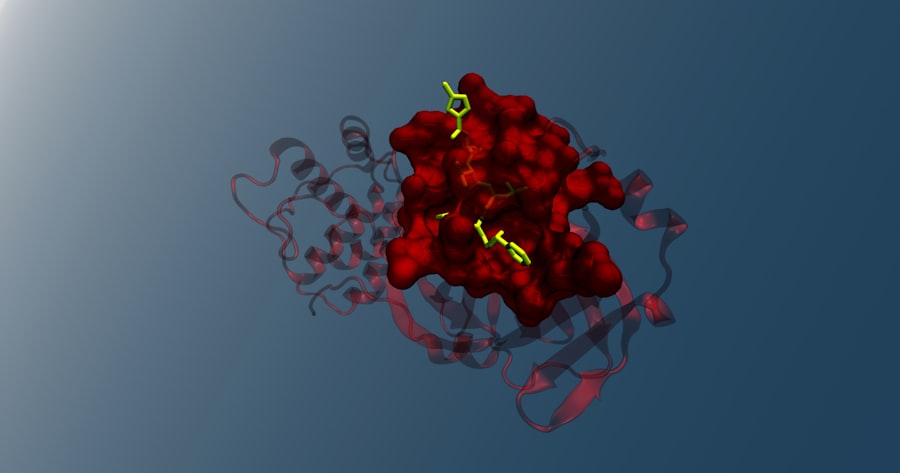
While specific timing around workouts and before bed garner significant attention, the overarching principle of consistent protein intake throughout the day forms the bedrock of optimal recovery and muscle accretion. Imagine trying to build a sturdy wall by only working on it for a few hours a day and then neglecting it for the rest – the progress would be slow and inefficient.
The Importance of Regular Protein Meals
Distributing your daily protein intake across multiple meals (typically 3-5 meals) ensures a more constant supply of amino acids to your muscles. This keeps MPS elevated throughout the day, preventing prolonged periods where MPB might dominate. Aiming for protein doses of 20-40 grams at each meal helps to continually stimulate MPS.
Preventing Catabolism
Sustained periods without protein intake can lead to a net negative protein balance, where your body starts to break down muscle tissue to meet its amino acid needs. Regular protein feedings act as a continuous antidote to this catabolic state.
Total Daily Protein Intake: The Overarching Goal
Ultimately, your total daily protein intake is the most critical factor for muscle recovery and growth. As a general guideline for strength-training individuals, aiming for 1.6 to 2.2 grams of protein per kilogram of body weight per day is widely recommended. Once you meet this daily target, the specific timing and distribution become synergistic optimization strategies rather than absolute requirements. Think of daily protein intake as the total volume of water needed to fill a bucket, and timing as how efficiently you pour that water in.
Recent studies have highlighted the importance of protein timing for optimal muscle recovery, suggesting that consuming protein shortly after exercise can significantly enhance muscle repair and growth. For those interested in exploring this topic further, a related article can be found at Explore Senior Health, which discusses various nutritional strategies to support recovery and overall health. This information can be particularly beneficial for athletes and fitness enthusiasts looking to maximize their performance.
Co-ingestion with Carbohydrates: A Synergistic Partnership
| Timing | Recommended Protein Intake | Purpose | Notes |
|---|---|---|---|
| Pre-Workout (30-60 minutes before) | 20-30 grams | Provide amino acids during exercise to reduce muscle breakdown | Choose fast-digesting proteins like whey |
| Post-Workout (within 30 minutes) | 20-40 grams | Maximize muscle protein synthesis and recovery | Whey protein is highly effective due to rapid absorption |
| Evening (before sleep) | 20-40 grams | Support overnight muscle repair and growth | Casein protein is preferred for slow digestion |
| Throughout the Day (every 3-4 hours) | 20-30 grams per meal | Maintain positive muscle protein balance | Distribute protein evenly to optimize recovery |
The interaction between protein and carbohydrates, particularly around exercise, can create a powerful synergy for recovery and performance. You wouldn’t bake a cake with just flour; similarly, your body often benefits from a comprehensive nutrient approach.
The Role of Carbohydrates in Recovery
Carbohydrates are your body’s primary fuel source, and resistance exercise depletes muscle glycogen stores. Replenishing these stores is essential for subsequent performance and can indirectly aid in muscle recovery by providing energy for repair processes.
Insulin’s Anabolic Effect
Co-ingesting carbohydrates with protein stimulates a greater insulin response compared to protein alone. Insulin, an anabolic hormone, plays several roles relevant to recovery:
- Glucose Uptake: Insulin facilitates the uptake of glucose into muscle cells, aiding in glycogen replenishment.
- Amino Acid Transport: Insulin can enhance the transport of amino acids into muscle cells, further supporting MPS.
- Anti-Catabolic Effects: Insulin helps to reduce muscle protein breakdown, contributing to a more anabolic environment.
Optimal Carbohydrate-to-Protein Ratios
While the exact ratio can vary based on individual needs and training intensity, a common recommendation for post-exercise recovery is a carbohydrate-to-protein ratio of 2:1 or 3:1. For example, if you consume 25 grams of protein, aim for 50-75 grams of carbohydrates. This combination effectively replenishes glycogen and enhances the anabolic response.
Practical Application
This co-ingestion can be achieved through various means. A classic post-workout shake containing whey protein and a carbohydrate source like dextrose or maltodextrin is effective. Alternatively, a meal consisting of chicken breast (protein) and rice (carbohydrates) provides a similar benefit.
In conclusion, optimizing protein timing for muscle recovery is not about rigidly adhering to a fleeting “anabolic window,” but rather about a strategic and consistent approach to nutrient delivery. You, as the discerning individual seeking to maximize your gains, should prioritize adequate total daily protein intake, distribute this protein across multiple meals, ensure a sufficient dose of high-quality protein post-workout and before bed, and consider the synergistic benefits of co-ingesting carbohydrates. By understanding and implementing these principles, you will effectively provide your muscles with the continuous supply of building blocks they need to repair, adapt, and grow stronger. This isn’t groundbreaking magic, but rather the diligent application of scientific principles, akin to a meticulous gardener providing optimal conditions for their plants to flourish.
WATCH THIS 🛑 WARNING: One Fall Could Cost You $18,000 This Month
FAQs
What is protein timing?
Protein timing refers to the strategic consumption of protein around workout sessions to maximize muscle recovery and growth. It involves eating protein before, during, or after exercise to enhance muscle protein synthesis.
Why is protein timing important for muscle recovery?
Protein timing is important because consuming protein at optimal times can help repair muscle damage, reduce soreness, and promote faster recovery. It ensures that amino acids are available when muscles need them most after exercise.
When is the best time to consume protein for muscle recovery?
The best time to consume protein is generally within 30 minutes to 2 hours after a workout. This post-exercise window is when muscles are most receptive to nutrients, aiding in repair and growth.
How much protein should I consume after a workout?
A common recommendation is to consume 20-40 grams of high-quality protein after exercise. This amount provides sufficient amino acids to stimulate muscle protein synthesis effectively.
Does protein timing matter if I consume enough protein throughout the day?
While total daily protein intake is crucial, timing can still enhance recovery and muscle growth. Consuming protein around workouts can optimize muscle repair, but overall daily intake remains the most important factor.
What types of protein are best for muscle recovery?
Fast-digesting proteins like whey are ideal post-workout because they quickly deliver amino acids to muscles. Other proteins like casein or plant-based options can also be effective, especially when consumed throughout the day.
Can protein timing help reduce muscle soreness?
Yes, consuming protein soon after exercise can help reduce muscle soreness by supporting muscle repair and reducing inflammation.
Is protein timing important for all types of exercise?
Protein timing is most beneficial for resistance training and high-intensity workouts that cause muscle damage. For endurance activities, protein is still important but timing may be less critical.
Can I consume protein before a workout for better recovery?
Yes, consuming protein before exercise can provide amino acids during the workout and may help reduce muscle breakdown, contributing to better recovery.
Are there any risks associated with protein timing?
There are generally no risks associated with protein timing when done within a balanced diet. However, excessive protein intake without considering total calories and nutrients may lead to unwanted weight gain or digestive issues.