
You are entering a critical phase of life where maintaining muscle mass, historically viewed as an inevitable decline with age, is now understood to be significantly influenced by your dietary choices. Sarcopenia, the progressive and generalized skeletal muscle disorder characterized by accelerated loss of muscle mass and function, is a substantial threat to your independence and quality of life as you age. It’s not merely about aesthetics; sarcopenia can lead to increased risk of falls, frailty, reduced mobility, and a diminished capacity to perform daily activities. This guide is designed to empower you with the knowledge and actionable strategies to build a formidable defense against this silent, yet impactful, thief of vitality. Think of your muscle mass not as a static entity, but as a dynamic and responsive system, constantly being built up and broken down. Your diet, much like the quality of building materials and the efficiency of construction workers, plays an indispensable role in this ongoing process. Understanding the “how” and “why” behind dietary interventions is the first step toward safeguarding your muscular future.
Before delving into prevention, it’s essential to grasp the mechanisms at play. Sarcopenia isn’t a sudden event; it’s a gradual erosion. Imagine your muscles as an intricate tapestry. With age, threads begin to fray and tear, and the weaver (your body) struggles to repair and replace them at the same rate. This imbalance is at the heart of sarcopenia. To learn effective strategies for fall prevention, watch this informative video.
The Age-Related Decline in Muscle Synthesis
As you age, your body’s ability to synthesize new muscle proteins, a process known as muscle protein synthesis (MPS), becomes less efficient. This is partly due to “anabolic resistance,” where your muscles require stronger stimuli (more protein, more exercise) to trigger the same growth response seen in younger individuals. It’s like trying to start an old engine – it takes more effort and fuel.
The Role of Inflammation and Oxidative Stress
Chronic low-grade inflammation, often referred to as “inflammaging,” is a hallmark of aging. This persistent inflammatory state contributes to muscle breakdown and impairs muscle regeneration. Similarly, oxidative stress, an imbalance between the production of free radicals and the body’s ability to counteract their harmful effects, also damages muscle cells and hinders their repair mechanisms. Think of these as rust and corrosion silently eating away at your muscle infrastructure.
The Sedentary Lifestyle Factor
While diet is our focus, it’s imperative to acknowledge that a sedentary lifestyle acts as a powerful accelerant to sarcopenia. Lack of physical activity reduces the demand on your muscles, leading to their atrophy and further exacerbating the age-related decline. Your body operates on a “use it or lose it” principle, and muscles are no exception.
A well-balanced diet plays a crucial role in preventing sarcopenia among seniors, and for those looking to enhance their nutritional knowledge, an informative article can be found at Explore Senior Health. This resource offers valuable insights into dietary strategies that can help maintain muscle mass and overall health in older adults, emphasizing the importance of protein intake, vitamins, and minerals essential for muscle preservation. By following the guidelines presented in this article, seniors can take proactive steps towards combating sarcopenia and improving their quality of life.
Protein: The Cornerstone of Muscle Maintenance
When it comes to fighting sarcopenia, protein is not merely important; it is foundational. Consider protein as the bricks of your muscular house. Without a consistent and adequate supply of high-quality bricks, your house cannot be built or adequately repaired.
Optimal Protein Intake for Seniors
While general dietary guidelines often recommend 0.8 grams of protein per kilogram of body weight per day, this recommendation is often insufficient for older adults. Research consistently suggests that you, as a senior, require a higher intake, often in the range of 1.0 to 1.6 grams of protein per kilogram of body weight per day to effectively counteract muscle loss. For a 70 kg individual, this translates to 70-112 grams of protein daily. This higher threshold is necessary to overcome anabolic resistance and stimulate MPS effectively.
Timing and Distribution of Protein
Simply meeting your daily protein quota isn’t enough; the timing and distribution are crucial. Your body doesn’t store protein indefinitely. Instead, it utilizes amino acids for MPS for a few hours after consumption. Therefore, it is strongly recommended that you distribute your protein intake across all your main meals. Aim for 25-30 grams of high-quality protein per meal. This strategy ensures a sustained stimulus for MPS throughout the day, maximizing your body’s ability to build and repair muscle. Think of it as providing regular infusions of building materials rather than one large, overwhelming delivery that your builders can’t fully utilize.
Quality of Protein and Essential Amino Acids
Not all proteins are created equal. Focus on sources rich in essential amino acids (EAAs), particularly leucine. EAAs are amino acids that your body cannot synthesize and must be obtained through your diet. Leucine, in particular, acts as a potent trigger for MPS. Animal-based proteins (meat, poultry, fish, eggs, dairy) are considered “complete proteins” because they contain all nine EAAs in optimal ratios. Plant-based proteins can also be excellent sources, but you may need to combine different plant sources (e.g., legumes and grains) to ensure a complete amino acid profile.
Examples of High-Quality Protein Sources:
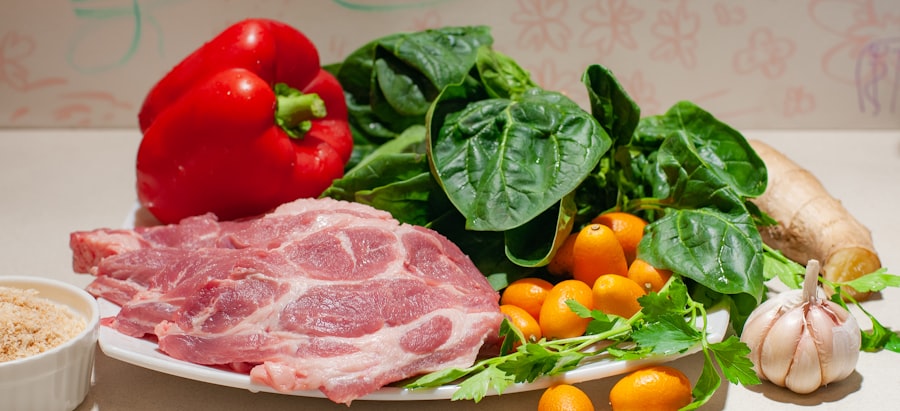
- Meat and Poultry: Lean beef, chicken breast, turkey.
- Fish: Salmon, tuna, cod, sardines (rich in omega-3s too!).
- Eggs: A highly bioavailable source of protein, especially the egg white.
- Dairy Products: Greek yogurt, cottage cheese, milk (rich in whey and casein, excellent for MPS).
- Legumes: Lentils, chickpeas, black beans.
- Soy Products: Tofu, tempeh, edamame.
- Quinoa: A complete plant-based protein.
- Protein Powders: Whey, casein, or plant-based (soy, pea, rice) can be convenient supplements to meet your daily targets, especially if appetite is reduced.
Beyond Protein: Other Crucial Nutrients
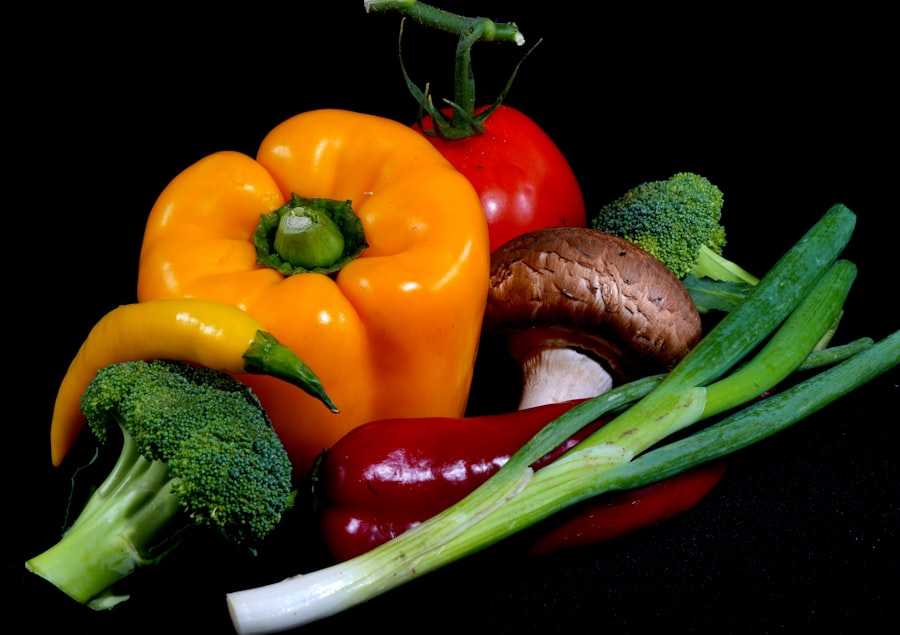
While protein is the star player, a robust supporting cast of other nutrients is vital for muscle health. Think of these as the specialized tools and lubricants that ensure your muscle-building machinery runs smoothly.
Vitamin D: More Than Just Bone Health
Vitamin D, often called the “sunshine vitamin,” plays a multifaceted role in muscle function. It influences muscle strength, contraction, and even contributes to mitigating inflammation. Research indicates a strong correlation between low vitamin D levels and increased risk of sarcopenia. Many older adults have insufficient vitamin D levels due to reduced sun exposure, decreased skin synthesis, and impaired kidney activation.
Recommended Intake and Sources:
- Aim for daily intake of 800-2000 IU (International Units) of Vitamin D, ideally through a combination of sun exposure (safely and in moderation), fortified foods (milk, cereals), and supplementation.
- Fatty fish like salmon and mackerel are also good dietary sources.
- Regular blood testing to monitor your levels and guide supplementation is highly advisable.
Omega-3 Fatty Acids: The Anti-Inflammatory Allies
These essential fatty acids, particularly EPA (eicosapentaenoic acid) and DHA (docosahexaenoic acid), are renowned for their anti-inflammatory properties. As discussed, chronic inflammation contributes to muscle breakdown. Omega-3s can help dampen this inflammatory response and potentially enhance muscle protein synthesis. They are like the soothing balm that reduces friction and allows your muscle-building processes to work more efficiently.
Sources of Omega-3s:
- Fatty Fish: Salmon, mackerel, sardines, herring.
- Flaxseeds and Chia Seeds: Excellent plant-based sources of alpha-linolenic acid (ALA), a precursor to EPA and DHA.
- Walnuts: Another good plant-based source of ALA.
- Fish Oil Supplements: Consider these if your dietary intake is insufficient.
Antioxidants: Defending Against Oxidative Damage
Antioxidants are compounds that protect your cells from damage caused by free radicals. Oxidative stress can damage muscle fibers, impair recovery, and contribute to muscle loss. By consuming a diet rich in antioxidants, you are essentially providing your body with a shield against this cellular wear and tear.
Rich Sources of Antioxidants:
- Berries: Blueberries, strawberries, raspberries.
- Leafy Green Vegetables: Spinach, kale, collard greens.
- Colorful Vegetables: Bell peppers, carrots, sweet potatoes.
- Nuts and Seeds: Almonds, sunflower seeds.
- Dark Chocolate: In moderation, offers a good source of antioxidants.
Micronutrients for Muscle Function
Several other micronutrients, though required in smaller quantities, are pivotal for optimal muscle function and overall health.
- Magnesium: Involved in over 300 enzymatic reactions, including muscle contraction and protein synthesis. Found in leafy greens, nuts, seeds, whole grains.
- Calcium: Essential for muscle contraction and bone health. Dairy products, fortified plant milks, leafy greens.
- Potassium: Crucial for fluid balance and nerve signals that control muscle contractions. Found in fruits (bananas, oranges), vegetables (potatoes, spinach).
- B Vitamins: Involved in energy metabolism, which is essential for fueling muscle activity. Whole grains, lean meats, eggs, leafy greens.
Hydration: The Often-Overlooked Essential
It’s easy to focus solely on solid foods, but adequate hydration is a fundamental, non-negotiable component of combating sarcopenia. Your muscles are approximately 75% water. Dehydration, even mild, can significantly impair muscle function, reduce strength, and hinder nutrient transport. Imagine trying to mix cement with insufficient water; the structural integrity would be compromised. The same applies to your muscle cells.
The Importance of Water for Muscle Health
- Nutrient Transport: Water acts as the medium for transporting essential nutrients, including amino acids, to your muscle cells.
- Waste Removal: It helps flush out metabolic waste products generated during muscle activity and repair.
- Electrolyte Balance: Proper hydration maintains the balance of electrolytes (sodium, potassium, magnesium) crucial for nerve impulses and muscle contractions.
- Joint Lubrication: Water is a key component of synovial fluid, which lubricates your joints, allowing for smoother movement and reducing wear and tear during physical activity.
- Body Temperature Regulation: Essential for safely engaging in physical activity, which is crucial for muscle maintenance.
Practical Hydration Strategies
- Drink Throughout the Day: Don’t wait until you feel thirsty; thirst is already a sign of mild dehydration. Develop a habit of sipping water consistently.
- Keep Water Accessible: Have a water bottle handy at all times.
- Choose Water First: Make water your primary beverage choice over sugary drinks.
- Include Hydrating Foods: Fruits and vegetables with high water content (watermelon, cucumber, oranges, lettuce) contribute to your overall fluid intake.
- Monitor Urine Color: A light-yellow color generally indicates good hydration, while dark yellow suggests you need to drink more.
- Adjust for Activity and Environment: Increase your fluid intake during exercise or in hot, humid environments.
A well-balanced diet plays a crucial role in preventing sarcopenia among seniors, as it helps maintain muscle mass and strength. Incorporating adequate protein, healthy fats, and a variety of fruits and vegetables can significantly contribute to overall health. For more insights on effective dietary strategies for older adults, you can explore this informative article on senior health, which discusses the importance of nutrition in combating age-related muscle loss.
Dietary Patterns and Lifestyle Integration
| Dietary Component | Recommended Intake | Role in Sarcopenia Prevention | Food Sources |
|---|---|---|---|
| Protein | 1.0 – 1.2 g/kg body weight/day | Supports muscle protein synthesis and maintenance of muscle mass | Lean meats, fish, eggs, dairy, legumes, soy products |
| Vitamin D | 800 – 1000 IU/day | Enhances muscle function and strength | Fatty fish, fortified dairy, egg yolks, sunlight exposure |
| Omega-3 Fatty Acids | 1.0 – 2.0 g/day | Reduces inflammation and supports muscle health | Fatty fish (salmon, mackerel), flaxseeds, walnuts |
| Calcium | 1000 – 1200 mg/day | Supports bone health, indirectly aiding muscle function | Dairy products, leafy greens, fortified plant milks |
| Antioxidants (Vitamin C & E) | Vitamin C: 75-90 mg/day Vitamin E: 15 mg/day |
Protect muscle cells from oxidative damage | Citrus fruits, berries, nuts, seeds, green leafy vegetables |
| Hydration | 1.5 – 2.0 liters/day | Maintains muscle function and prevents cramps | Water, herbal teas, soups, fruits with high water content |
Beyond individual nutrients, the overall dietary pattern you adopt is paramount. Think of it as constructing a symphony; each instrument (nutrient) plays a vital role, but their harmonious interworking (dietary pattern) creates the masterful performance (optimal muscle health).
The Mediterranean Diet: A Sarcopenia-Fighting Template
The Mediterranean diet, renowned for its health benefits, offers an excellent template for sarcopenia prevention. It emphasizes:
- Abundant Fruits and Vegetables: Providing a wide array of vitamins, minerals, antioxidants, and fiber.
- Whole Grains: Complex carbohydrates for sustained energy and fiber.
- Legumes and Nuts: Excellent sources of protein, healthy fats, and fiber.
- Healthy Fats: Olive oil as the primary fat source, rich in monounsaturated fats.
- Fish and Seafood: Regular consumption of fatty fish for protein and omega-3s.
- Moderate Dairy and Poultry: Lean protein sources.
- Limited Red Meat and Processed Foods: Reduces inflammatory triggers and unhealthy fats.
- Moderate Red Wine (Optional): Some studies suggest benefits, but not universally recommended.
This dietary pattern naturally delivers many of the nutrients discussed earlier in a synergistic manner, helping to control inflammation, improve metabolic health, and support muscle maintenance.
The Synergy of Diet and Exercise
It is crucial to emphasize that diet alone, while powerful, is not a complete solution. Your nutritional efforts will be significantly amplified when combined with regular physical activity, particularly resistance training. Consider diet as providing the best building materials and blueprints, while exercise acts as the construction crew, actively laying bricks and strengthening the structure.
Key Exercise Principles for Seniors:
- Resistance Training: Lifting weights, using resistance bands, or bodyweight exercises (squats, lunges, push-ups adapted to your fitness level) stimulate MPS and build muscle strength. Aim for 2-3 sessions per week.
- Aerobic Exercise: Walking, swimming, cycling improves cardiovascular health and endurance, supporting overall physical capacity.
- Balance and Flexibility: Tai Chi, yoga, and stretching enhance stability and range of motion, reducing fall risk.
Engaging in these activities creates the necessary anabolic stimulus that your muscles need. Without this stimulus, even the most perfect diet will struggle to fully counteract sarcopenia.
Addressing Appetite and Digestion Challenges
As you age, changes in appetite, taste perception, and digestive efficiency can pose challenges to meeting your nutritional needs.
- Reduced Appetite: If you experience early satiety or a diminished desire to eat, focus on nutrient-dense foods in smaller, more frequent meals. Liquid meal replacements or protein shakes can be useful.
- Dental Issues: If chewing is difficult, opt for softer protein sources like Greek yogurt, cottage cheese, eggs, ground meats, fish, and pureed soups.
- Digestive Changes: Some individuals experience reduced stomach acid or enzyme production, impacting nutrient absorption. Probiotic-rich foods (fermented dairy, kimchi, sauerkraut) might support gut health. Consult your physician or a registered dietitian if you have persistent digestive concerns.
Professional Guidance and Personalized Approaches
While this article provides comprehensive, evidence-based guidance, it is important to acknowledge that every individual is unique. Your specific health conditions, medications, dietary preferences, and activity levels will influence the most effective approach for you.
When to Seek Professional Advice
- Existing Health Conditions: If you have diabetes, kidney disease, heart disease, or other chronic conditions, your dietary needs may require specific modifications.
- Medication Interactions: Certain medications can affect nutrient absorption or appetite.
- Significant Weight Loss or Gain: Unexplained changes in weight warrant medical evaluation.
- Persistent Symptoms: Chronic fatigue, weakness, or digestive issues should be discussed with a healthcare professional.
- Desire for Personalized Plan: A registered dietitian (RD) can offer tailored dietary advice, conduct a comprehensive nutritional assessment, and help you create a practical, sustainable eating plan. Think of them as your personal architectural consultant for building your strong body.
Self-Monitoring and Adaptability
Your journey to prevent or mitigate sarcopenia is ongoing. Regularly assess your progress, listen to your body, and be willing to adapt your strategies. Keep a food diary for a few days to get an accurate picture of your current intake. Monitor your energy levels, muscle strength (if you’re exercising), and overall well-being. This proactive approach empowers you to fine-tune your diet and lifestyle choices for sustained success.
By understanding the mechanisms of sarcopenia, prioritizing protein intake, incorporating vital supporting nutrients, staying hydrated, embracing healthy dietary patterns, and synergizing your efforts with physical activity, you are actively laying the groundwork for a stronger, more independent, and higher quality of life in your senior years. This isn’t just about adding years to your life, but adding life to your years. Your muscles are your legacy of mobility and independence; nourish them wisely.
WATCH THIS 🛑 WARNING: One Fall Could Cost You $18,000 This Month
FAQs
What is sarcopenia and why is it important to prevent it in seniors?
Sarcopenia is the age-related loss of muscle mass and strength. Preventing sarcopenia in seniors is important because it helps maintain mobility, reduces the risk of falls and fractures, and improves overall quality of life.
What dietary components are essential for preventing sarcopenia in seniors?
Key dietary components for preventing sarcopenia include adequate protein intake, essential amino acids (especially leucine), vitamin D, omega-3 fatty acids, and antioxidants. These nutrients support muscle synthesis, repair, and reduce inflammation.
How much protein should seniors consume to help prevent sarcopenia?
Seniors are generally recommended to consume between 1.0 to 1.2 grams of protein per kilogram of body weight per day to help maintain muscle mass and function. This is higher than the general adult recommendation.
Which foods are good sources of protein for seniors aiming to prevent sarcopenia?
Good protein sources include lean meats, poultry, fish, eggs, dairy products, legumes, nuts, and soy products. Including a variety of these foods helps ensure adequate intake of essential amino acids.
Is vitamin D important in a sarcopenia prevention diet?
Yes, vitamin D plays a crucial role in muscle function and strength. Seniors often have lower vitamin D levels, so including vitamin D-rich foods or supplements can help prevent sarcopenia.
Can exercise complement a sarcopenia prevention diet?
Absolutely. Resistance and strength training exercises combined with proper nutrition are the most effective strategies to prevent or slow down sarcopenia in seniors.
Are there any foods or habits seniors should avoid to reduce the risk of sarcopenia?
Seniors should limit excessive alcohol consumption and avoid diets low in protein and essential nutrients. Maintaining a balanced diet and healthy lifestyle supports muscle health.
How does hydration affect muscle health in seniors?
Proper hydration is important for muscle function and overall health. Seniors should drink adequate fluids daily to support muscle metabolism and prevent weakness.
Can supplements help in preventing sarcopenia?
Supplements such as protein powders, vitamin D, and omega-3 fatty acids may be beneficial, especially if dietary intake is insufficient. However, it is best to consult a healthcare provider before starting any supplements.
How soon can dietary changes impact muscle health in seniors?
Improvements in muscle mass and strength from dietary changes and exercise can be observed within weeks to months, but long-term adherence is necessary for sustained benefits.